- By :
- Comments: 0
homestay for first time visitors Alleppey
homestay for first time visitors Alleppey
Last Updated: August 03, 2026
Quick Answer: homestay for first time visitors Alleppey
- A homestay for first time visitors Alleppey means waking up on water, surrounded by paddy fields, with no road noise — just the lake and the birds.
- Take the 9:15 AM public ferry from Alappuzha jetty — it stops near our island and costs less than a cup of chai.
- Evaan’s Casa sits alone on the water’s edge, so you get the real backwater life without any crowds.
The path to our jetty is soft mud and fallen palm fronds. At dusk, the light turns the lake the colour of old brass, and the air smells of rain that hasn’t come yet. I walk down slowly, because there’s no rush here.
The water slaps gently against the wooden posts. A lone cormorant dries its wings on a stake in the paddy field. The diesel hum of a vallam boat fades in from the channel, carrying someone home with a bag of fish. This is the moment I want you to have.
What can you see from homestay for first time visitors Alleppey?
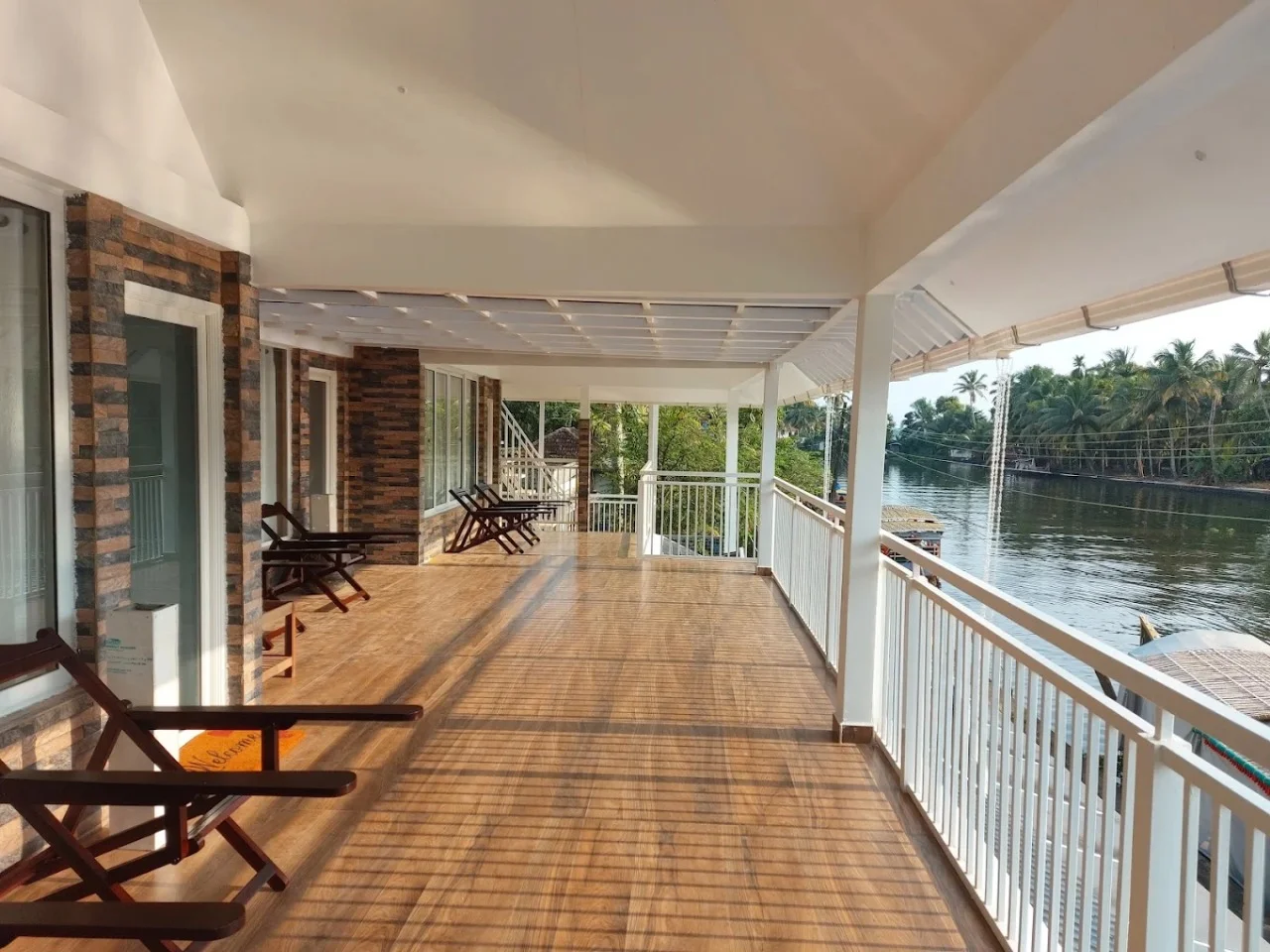
From our veranda, you see everything that matters. The lake stretches out like a silver sheet, broken only by coconut palms leaning over the water. On one side, the paddy fields run green and endless, cut by narrow canals that look like veins on a leaf.
The houses across the water are small, painted in faded blues and pinks. Women wash clothes on stone steps. A fisherman untangles his net, his movements slow and practiced. You’ll hear the sound of a radio playing old film songs, carried across the water.
Honestly, most people skip the quiet hours. They arrive, take a boat ride, leave. But the real show happens at 5:30 in the morning, when the kingfishers start their hunt and the mist sits low over the fields like a blanket someone forgot to fold.
What’s around the island once you’re there?
Our island is small — you can walk across it in fifteen minutes. But it’s packed with life. The paddy fields are not just scenery; they’re working land. In monsoon, they flood and turn into a mirror for the clouds. In summer, they turn gold before harvest.
The village next to us, Kainakary, is a twenty-minute walk along the bund. That’s the path with the red dirt and the wild marigolds. The people there still dry fish on bamboo racks, and the local tea shop makes a mean cutlet with green chutney.
Most people don’t know this, but the church at Kainakary has a service on Sundays with hymns sung in Malayalam that echo across the water. You can hear them from our veranda if you sit still enough. I’m not religious, but I listen anyway.
The coconut palms here are the tall, old variety — not the short hybrids you see in commercial farms. They sway in the wind like they’re dancing. Some of them are over a hundred years old, and the toddy tappers still climb them barefoot with just a rope ring around their ankles.
Can you walk or explore the area nearby?
Yes, but with a caveat. There are no pavements, no streetlights, no signboards. The paths are bunds — narrow earthen ridges that separate the paddy fields from the canals. They’re beautiful, but they demand your attention.
You’ll walk past houses where people sit on their porches, drying chilies on mats. They’ll wave at you, not out of politeness but out of genuine curiosity. Ask them in Malayalam where the path goes, and you’ll get a smile and a long answer. Most of it you won’t understand, but the warmth will translate.
The island has one small shop near the ferry landing. It sells cold drinks, biscuits, soap, and fresh eggs from the owner’s hens. Open from 7 AM to 9 PM, but if he’s gone fishing, you’ll wait. That’s the rhythm here.
One thing most visitors miss: the canal walk toward the paddy fields at low tide. You can see the mud crabs scuttling sideways, and the air turns rich with the smell of wet earth. It’s a short detour, but it’s the kind of thing you’ll remember more than any temple or palace.
If you want to go further, the boat to Alappuzha town takes about 40 minutes from our jetty. But for first timers, I always suggest staying close for your first full day. Just sit. Watch. Let the water do its slow work on your nerves. Some guests bring books and never open them. I understand.
Most people skip the evening chai ritual, but that’s a mistake. At around 6 PM, the homestay kitchen sends out hot tea and banana fritters to the veranda. The oil sizzles, the sugar caramelises, and the lake turns pink. You don’t need to do anything except be there.
The paddy fields change colour with the season, like a slow breathing. In January, they’re emerald. By April, golden brown. The harvest happens with hand sickles, not machines. The workers sing while they cut — a rhythmic, wordless tune that carries over the water. It’s not performance. It’s just life.
There’s a particular monsoon quirk you should know about. When the first heavy rain comes in June, the paddy fields flood so fast that the fish from the canals swim right into the fields. Kids from the village run out with nets, laughing, catching them in their lungis. The rain on our tin roof sounds like a thousand drums, and you’ll sleep better than you have in years.
If you’re wondering about comfort, let me be straight. Our rooms are clean and simple. Thick cotton sheets, good mosquito nets, fans that work reliably, and hot water that actually comes out hot. But there’s no television, no air conditioning, no minibar. What you get instead is the lake outside your window, close enough to touch.
The home-style Kerala food here is a main attraction, and for good reason. Meals prepared at the homestay are served on banana leaves — rice, sambar, thoran, fish curry, pickles, and payasam when we have it. The mustard seeds crackle in coconut oil, the curry leaves fry to a crisp, and you’ll eat more than you thought possible.
Some guests disagree with the lack of WiFi in the rooms, and that’s fair. We have a decent connection near the main veranda, but honestly, you’re here to disconnect. The only notifications you’ll get are the calls of the white-breasted waterhen and the occasional kingfisher diving for its dinner.
If you’re coming as a first time visitor to Alleppey, our island gives you the easiest entry into backwater life. No long boat cruises, no crowded houseboats, no tourist circuits. Just the water, the fields, and the quiet rhythm of a place that doesn’t care about your schedule. You can read more about the Evaan’s Casa experience on our site.
Frequently Asked Questions About homestay for first time visitors Alleppey
How far is the homestay from Alappuzha town?
The boat ride takes about 40 minutes at a relaxed pace, or 25 if the boatman is in a hurry. The public ferry is cheaper but slower. Either way, you’ll see more water than road before you arrive.
Is it safe to stay on an island as a first time visitor?
Very safe. The community here looks out for each other, and our staff are always around. The water can be deep in places, so we ask that you don’t go swimming alone after dark. Common sense goes a long way.
What should I bring for a stay here?
Light cotton clothes, a hat, insect repellent, and a small torch for evening walks. Flip-flops are essential. Leave your fancy shoes at home — they’ll only gather dust. And bring a book you’ve been meaning to read.
Is WiFi available at the homestay?
We have a connection near the main veranda, but it’s not the fastest. If you need to check emails or upload a photo, it works. If you’re planning to stream movies, this isn’t the place. The view outside is the real entertainment.
So here’s my honest pitch. You don’t need to plan much for your first time in Alleppey. The lake knows what it’s doing, and so do we. Come with an open mind, a light bag, and a willingness to just be. The island will do the rest.
The last ferry back to town leaves at 6:45 PM. But most of our guests miss it on purpose. They stay for dinner, then for the night sky — which is bigger here, uncluttered by streetlights. I’m probably biased, but I think that’s the best decision you’ll make all trip. We’ll keep the porch light on for you.
Plan your stay at Evaan’s Casa
- Lake view homestay in Alleppey (Alappuzha)
- Where to stay in Alleppey: the complete guide
- Alleppey room booking: rooms and prices from ₹1,900
- Budget homestay in Alleppey under ₹2,000
- Backwater homestay on Vembanad Lake
- Punnamada homestay, Alappuzha
- Family homestay in Alleppey
- Honeymoon package and couple stay
Book direct on WhatsApp +91 88484 96667