- By :
- Comments: 0
authentic homestay experience Alleppey
authentic homestay experience Alleppey
Last Updated: August 06, 2026
Quick Answer: authentic homestay experience Alleppey
- It means sleeping on an island with no roads, just paddy fields and lake water lapping at your veranda, six minutes from the mainland jetty.
- Take the 6:15 AM country boat from the Punnamada jetty if you want to see the fish market boats unload before the tour boats start.
- Evaan’s Casa is the only homestay on our island, so you get the quiet, the fields, and the real village rhythm, not a staged show.
It hits you about ten minutes after you sit down on the veranda. The silence. Not the kind you get in a quiet hotel room, but a living, breathing quiet. No traffic hum, no horns, no distant sirens. Just the clack of a kingfisher landing on a coconut frond, the soft slap of water against the wooden posts, and sometimes, far off, the low diesel thrum of a vallam boat carrying coir or copra to the mainland.
Most guests get restless at that moment. They reach for their phones, expecting to be bored. I tell them to wait. Give it twenty minutes. The quiet settles into your bones, and by the second day, the sound of a scooter on a road feels like an insult.
We are on a small island in Vembanad Lake, part of the vast backwater system that stretches north and south of Alappuzha town. There’s no road access. None at all. The only way here is a six-minute boat ride from the Punnamada jetty, where our little wooden boat waits. You arrive with your bags, step off the boat onto a narrow wooden landing, and the island opens up in front of you. Paddy fields on one side, coconut palms on the other, and our homestay sitting right at the water’s edge.
What can you see from authentic homestay experience Alleppey?
From the veranda, the view changes constantly, and it’s never the same twice. In the early morning, a low mist hangs over the paddy fields, and the water is flat like dark glass. The cormorants sit on the boundary posts, drying their wings. By mid-morning, the sun sharpens everything. The water turns silver, and the Chinese fishing nets on the far shore go up and down with a rhythmic creak.
I’ve watched guests get hypnotised by that rhythm. The nets go down, wait, come up with a small shimmering catch. The fishermen in their thin cotton lungis move slowly, unhurried, like they’ve got all the time in the world. They do. That’s the thing about this place. Nobody here is rushing.
In the afternoon, the rain often comes. It’s a monsoon quirk we’ve learned to read — the clouds build up over the western shore around 3 PM, and if the wind shifts south, you’ll get a solid half-hour of hammering rain on the tin roof. The sound is deafening and lovely at once. Guests sit under the veranda, watching the drops dent the lake surface, and I bring out hot chai with ginger. Nobody talks. Nobody needs to.
What’s around the island once you’re there?
The island itself is small, maybe a kilometre across. The paddy fields surround it on all sides, green in the growing season, gold and dry just before harvest. There’s one narrow path that circles the island, and it takes about twenty minutes to walk the whole loop. You’ll pass a tiny Shiva temple with a red-tiled roof, a toddy shop that opens at noon, and a few houses where the same families have lived for four or five generations.
Walk that path in the late evening, when the cooking fires start. The smell of woodsmoke mixes with the sharp tang of mustard seeds popping in coconut oil. You’ll hear the clatter of vessels, the faint sound of a radio playing old Malayalam film songs, and the laughter of children playing cricket in the narrow lane with a tennis ball and a plank of wood.
Most people skip this walk. They stay on the veranda, and that’s fine. But the walk is where you see the real life. The old man mending his fishing net with quick, practiced fingers. The woman carrying a brass pot of water on her hip. The goats that always seem to be escaping from somewhere. It’s simple, but it’s honest.
Can you walk or explore the area nearby?
Walking on the island, yes. But to go further, you need a boat. Our boatman, Saji, will take you across to the mainland whenever you want. The ride itself is part of the experience. You skim past the edges of the paddy fields, where the water is shallow and clear, and you can see the bottom — mud, tiny fish, the occasional flash of a prawn. The mainland side has a few small villages. Thanneermukkom is the nearest, about twenty minutes by boat. It’s a working village, not a tourist spot. There’s a small coir factory where women beat coconut husks into fibre, and a roadside tea shop that makes the strongest chai in the district. Honestly, that chai is worth the trip alone.
You can also take a longer boat ride up to the Vembanad Lake proper, where the water opens up so wide you can’t see the far shore. The houseboats pass by, slow and stately, and the guests on their decks wave at you. I always wave back. We’re all here for the same water, just in different ways.
For the adventurous, there’s a walkable path from the village of Nedumudi, about ten minutes by boat, that leads through the back paddy fields to a small bird sanctuary. Early morning is best — the herons and egrets are everywhere, and if you’re lucky, you might spot a brahminy kite circling overhead. I’m probably biased, but I think our little corner of Alleppey is more interesting than the main tourist drag.
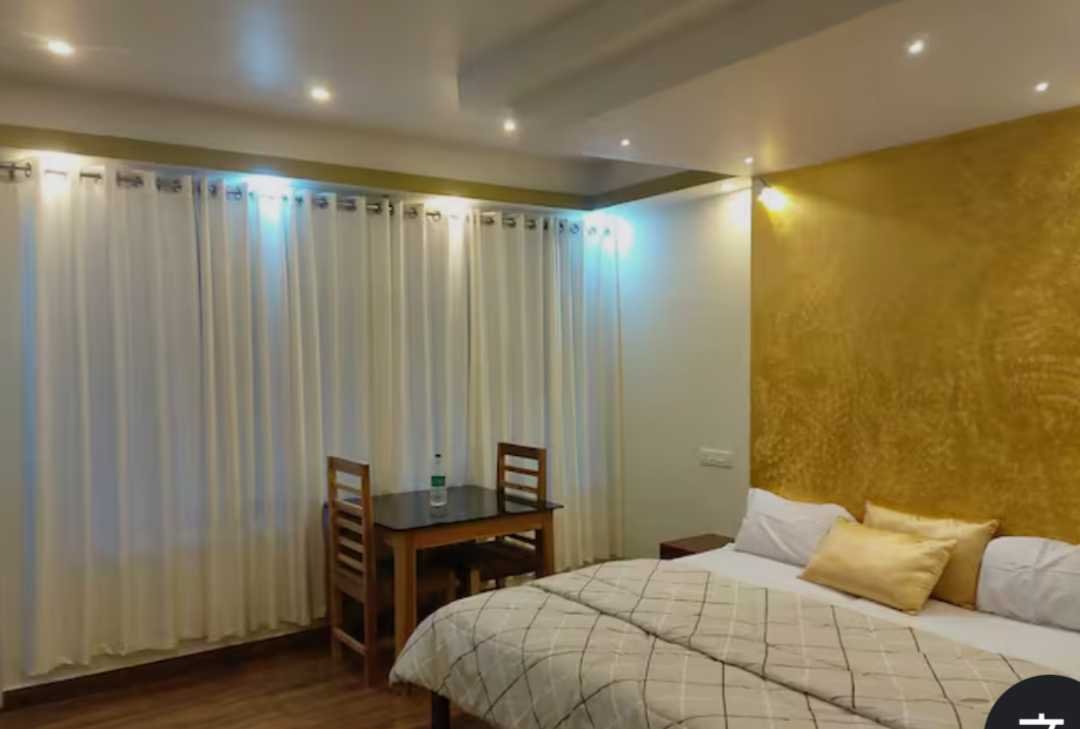
The homestay itself is simple, and we keep it that way on purpose. Clean rooms with lake views, fans and mosquito nets over the beds, hot water in the bathroom. The meals are home-style Kerala food, prepared at the homestay — fish curry with kokum, thoran made from local vegetables, fluffy red rice, and banana chips fried in coconut oil. You eat on the veranda, watching the water, and there’s nothing between you and the lake except a low wooden railing. Some guests disagree with the simplicity, and that’s fair. If you want a swimming pool and air conditioning, this isn’t the place. But if you want to hear the rain on the tin roof and wake up to the sound of birds, you’ll be happy here.
The nearby villages are worth your time, too. Take the early boat to Punnamada, walk through the morning market, and you’ll see the real commerce of the backwaters. Fishermen unloading their night’s catch, women bargaining for vegetables, and the sweet smell of jasmine flowers being woven into garlands for the temple. It’s chaotic in a way that feels ancient, like it’s been happening the same way for centuries. It has.
Most guests stay for two or three nights. I always suggest four. The first day is for adjusting to the silence. The second is for the walk around the island. The third is for the boat trips to the villages. The fourth is for doing absolutely nothing, just sitting and watching the water change colour with the light. That fourth day is usually when people finally relax. Their shoulders drop. They stop checking their phones. They start talking to each other more, or not at all, and both are fine.
If you’re looking for an authentic homestay experience in Alleppey, the key is to understand that it’s not about amenities or luxury. It’s about being in a place that hasn’t been changed to suit tourists. The paddy fields are real. The villages are real. The water is real. And we’re real, too — a family that’s been on this island for generations, hosting guests who want to see it as it is, not as it might be staged for a brochure.
You can read more about the rooms and the daily rhythm at Evaan’s Casa, but honestly, the website can’t convey the sound of the water at night. It’s a sound you have to hear for yourself.
Frequently Asked Questions About authentic homestay experience Alleppey
How far is the homestay from the Alleppey town centre?
It’s about a fifteen-minute drive to the Punnamada jetty, then a six-minute boat ride. The drive is through narrow village roads, so it feels longer than it is. The boat ride is part of the experience, honestly — you arrive the way everyone in the backwaters has always arrived.
Is it safe to stay in such a remote location?
Yes, completely. The island is small, and everyone knows everyone. We have a night watchman who sits by the boat landing, and the doors have simple, solid locks. The main risk is bumping your head on a low coconut palm frond, not anything sinister.
What should I bring that I wouldn’t normally pack?
Insect repellent, for sure, though the nets over the beds help a lot. A torch for the evening walk back from the temple. And a light cotton shawl or scarf — the evenings on the water can get a little breezy, and the mosquitoes are less interested in you if you’re covered.
Is WiFi available at the homestay?
There is, but it’s basic. It works for checking messages and reading the news, but don’t plan on streaming movies. Honestly, the lack of good internet is a gift. It forces you to look at the water, and that’s the whole point of being here.
There’s a moment, usually on the last evening, when guests sit on the veranda and watch the sun set over the paddy fields. The light turns orange, then pink, then a deep purple. The birds settle down for the night. The water goes still. And I watch them take a slow breath, like they’re storing the image somewhere inside themselves. That’s the thing I love most about this place. It doesn’t try to be anything. It just is. And that’s enough. If you ever want to see it for yourself, you know where to find us — Evaan’s Casa, on a small island in the middle of Vembanad Lake, waiting for you to arrive by boat.
Plan your stay at Evaan’s Casa
- Lake view homestay in Alleppey (Alappuzha)
- Where to stay in Alleppey: the complete guide
- Alleppey room booking: rooms and prices from ₹1,900
- Budget homestay in Alleppey under ₹2,000
- Backwater homestay on Vembanad Lake
- Punnamada homestay, Alappuzha
- Family homestay in Alleppey
- Honeymoon package and couple stay
Book direct on WhatsApp +91 88484 96667