- By :
- Comments: 0
toddy tapping tour homestay
toddy tapping tour homestay
Last Updated: March 22, 2026
Quick Answer: toddy tapping tour homestay
- A toddy tapping tour homestay is a place to stay where you can see and learn about the traditional process of tapping sap from coconut palms, often followed by tasting the fresh, mildly fermented drink, all while living in a local home.
- Local insider tip from Jackson: The best time to see a tapper at work is just after sunrise. The sap flows best then, and the morning light through the palms is something else.
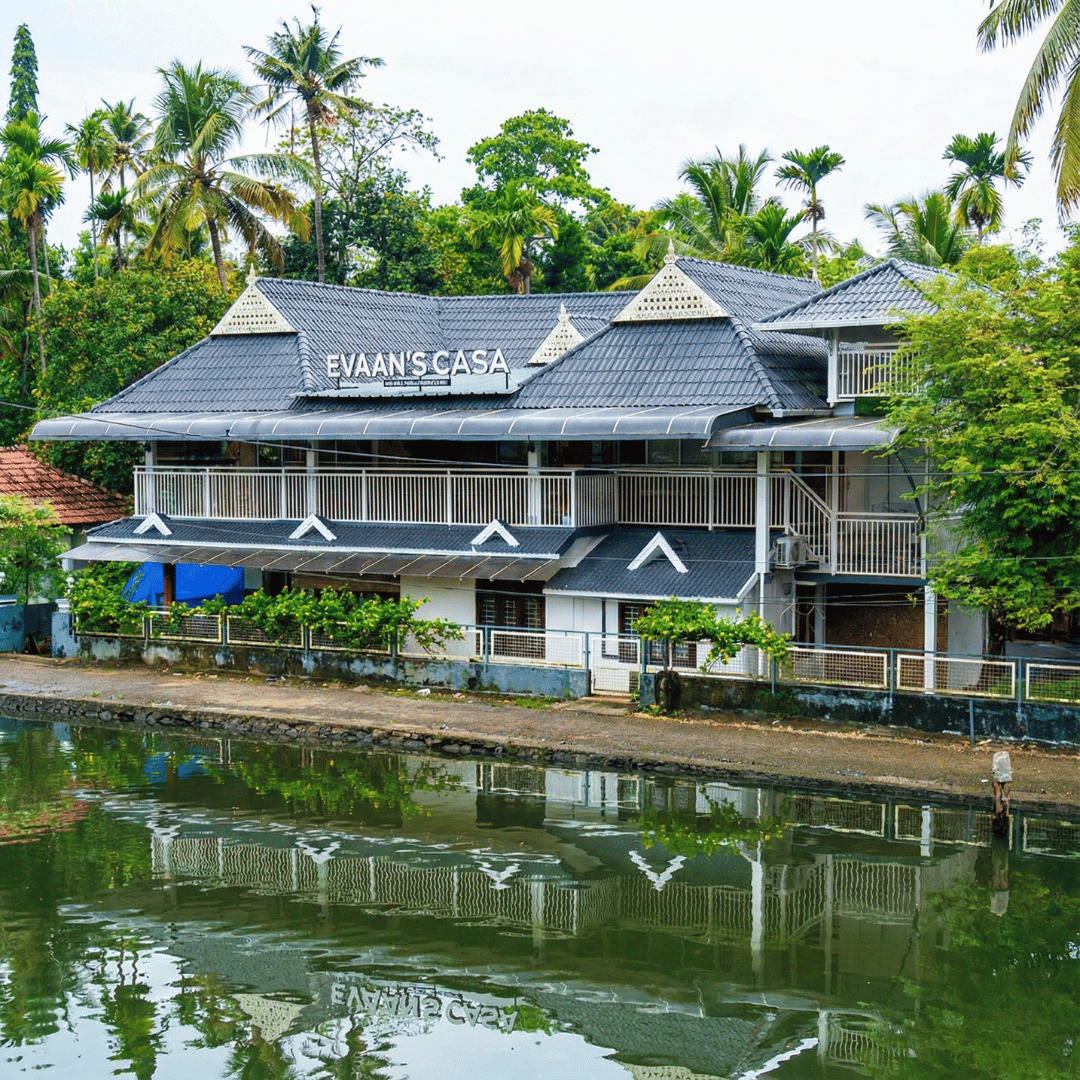
- Why Evaan’s Casa fits this search intent: Our island homestay is surrounded by working coconut groves. We arrange visits with local tappers we’ve known for years, and you’ll come back to a breakfast of fresh appam made with the same coconuts.
I woke up this morning to the sound of a wooden pole tapping against a tree trunk. Not a loud bang, but a solid, rhythmic *thock… thock… thock*. It’s a sound as familiar to me as my own breath. From my veranda, I could just make out Sasi’s silhouette against the grey-pink sky, his *kallu shanku* (tapping knife) already slung over his shoulder. The island was still damp with dew, and the air smelled of wet earth and last night’s woodsmoke. In that quiet hour, before the first tourist boats chug down the canal, this place feels entirely its own. It feels like home.
That’s the rhythm I want to share with you. It’s not just about a bed for the night. It’s about the slow, specific pulse of life here on our little piece of the backwaters. And a big part of that pulse, for many people who find us, is understanding what a toddy tapping tour homestay is really about.
What Is a Toddy Tapping Tour Homestay?
Let’s strip away the fancy terms. A toddy tapping tour homestay is simply a local home where you can stay, and from which you can go out with a guide to see toddy being collected. Toddy is the sap from a coconut flower. It’s sweet when fresh, and it ferments naturally into a mild, sour drink by the afternoon.
The “tour” part isn’t a bus with a microphone. It’s a walk through our coconut groves with someone like Sasi. He’ll show you how he climbs, how he makes the cuts, and how he ties the clay pot to the flower stem. You’ll see the thin, milky sap drip into the pot. If you’re up early enough, you might taste it straight from the tree—it’s like slightly floral coconut water.
The “homestay” part means you sleep where this isn’t a表演. It’s just the backdrop. You come back from the groves to the smell of breakfast being prepared. You hear the same sounds the tapper hears. Honestly, I’d say the magic is in that connection. You’re not observing a culture from a distance. You’re having breakfast in the middle of it.
This integrated experience is what defines a genuine toddy tapping tour homestay. It’s woven into the day, not a scheduled event. That’s the core of what we offer at Evaan’s Casa.
Why Does the Island Location Matter?
You can’t drive here. You just can’t. You park your car in Alleppey town, walk down a small lane to the canal, and wave. One of our boatmen, Rajan or Mani, will putter over in a small covered canoe. The ride to our island is six minutes.
Six minutes is all it takes for the world to change. The honking of autos fades. The only engine sound becomes the low diesel grumble of a distant *Vallam*—the long, skinny cargo boats carrying bricks or sand. The water opens up, lined with palms and little houses. You pass women washing clothes at steps, kids waving. You arrive at our dock.
That isolation matters. It creates a natural quiet. There’s no option to pop out for a coffee at 10 PM. Your evening entertainment is the fruit bats flapping overhead or the phosphorescence in the water if you drag a hand through it. This separation makes the experience of a toddy tapping tour homestay feel complete. You are fully immersed. The tour isn’t an excursion you return from to traffic noise. You return to more birdsong, more water.
Look, here’s the thing: some guests find the first night a bit too quiet. And that’s fair. But by the second morning, when they sit with a cup of chai and watch a kingfisher dive, they usually get it. The island isn’t a barrier. It’s a filter.
What Home-Style Food Can You Expect Here?
Food here is direct. It comes from the water, the trees, and the garden behind the kitchen. The meals are traditional Kerala home cooking, prepared with the day’s catch and the morning’s harvest. You’ll eat what the season provides.
Breakfast might be soft, lacy appam with a mild, fragrant vegetable stew, the coconut milk extracted just hours before. Or it could be puttu—steamed cylinders of rice flour and coconut—with kadala curry, a spiced black chickpea dish. The coconut chutney is always fresh, with a hint of ginger and green chili.
Lunch is often the main event. You might have Karimeen Pollichathu, a pearl spot fish marinated in a paste of spices, wrapped in a banana leaf, and pan-roasted. The leaf infuses the fish with a smoky, earthy aroma. It’s served with rice, a tart moru curry (buttermilk based), and a couple of thorans—stir-fried vegetables with grated coconut.
On request, we can serve a proper Kerala Sadhya on a banana leaf. It’s a feast of textures and tastes: sour, sweet, salty, bitter, astringent. You’ll get sambar, avial, various pickles, pappadum, and payasam for dessert. Your fingers get a little messy. It’s part of the experience. The food isn’t fancy or plated for photos. It’s substantial and real, the kind of meal that fuels a morning walking the groves on your toddy tapping tour homestay adventure.
Jackson’s Practical Tips for Visitors
A few things I tell everyone who comes to stay. These help you slip into the rhythm here.
- Pack light, but pack smart. You’re crossing water. A small suitcase or backpack is easier than a giant roller bag on our narrow boats. Bring a rain jacket regardless of the season—our weather changes fast.
- Footwear is key. Sturdy sandals or water shoes you don’t mind getting muddy are perfect. You’ll take them off a lot before entering homes and of course the homestay itself.
- Carry small cash. While most things are included, if you want to buy a fresh coconut from a roadside vendor or a packet of banana chips from the tiny thatch-roof stall near the temple, you’ll need rupees. There are no ATMs on the island.
- Ask about the local temple festival calendar. Most people skip this, but if your visit coincides with a *pooram* or *ulsavam* at the Sree Krishna Temple nearby, you’ll hear the elephants and the chenda melam (drum orchestra) at night. It’s an incredible, powerful sound that travels over the water.
- Be genuinely curious. The tappers, the boatmen, the folks at the local tea shop—they love to chat if you show real interest. A simple “How does this work?” opens more doors than any guidebook.
What Is the Best Time to Visit Alappuzha for a Toddy Tapping Tour Homestay?
It completely depends on what you want. Each season has a different personality.
Monsoon (June to September): The backwaters turn a deep, lush green. The rain on our tin roofs is a constant, soothing percussion. The air is cool. This is my personal favorite time. The toddy flow is good, and the light is dramatic. The downside? Tours can be rescheduled for heavy downpours. You need to be okay with getting wet and with a slower, indoor pace some days.
Winter (November to February): This is the classic tourist season for a reason. The skies are clear blue, the sun is warm but not harsh, and the humidity drops. It’s perfect for being on the water and walking the groves. It’s also the busiest time. I’m probably biased, but the light in February, just before the heat builds, has a special golden quality.
Summer (March to May): It gets hot. Really hot by afternoon. The advantage? Mornings and evenings are still beautiful, and you’ll have more of the place to yourself. The toddy ferments faster in the heat, which is interesting to see. Drink lots of water, plan activities for early hours, and embrace the slow, sleepy afternoons in a hammock.
Frequently Asked Questions About a Toddy Tapping Tour Homestay
How far in advance should I book?
We’re a small place. For the winter months (Dec-Jan), try to book at least two to three months ahead. For monsoon or summer, a few weeks is usually fine. Last-minute spots do pop up sometimes if you’re flexible.
Is the toddy tapping tour safe? What about hygiene?
The tour itself is a walk and a demonstration. You’re not expected to climb! The tappers are professionals. As for the toddy, the fresh sap from the morning pot is clean and safe to taste. The fermented drink later in the day is a natural process. Some guests disagree with me on trying the fermented version, and that’s fair—it’s an acquired taste. You’re never pressured to drink anything.
What should I wear for the tour?
Wear comfortable clothes you don’t mind getting a bit dusty or muddy. Long, light pants and a t-shirt are ideal—they protect your legs from brush and mosquitoes. A hat and sunscreen are musts. The Kerala sun is strong even in the groves.
Is WiFi available on the island?
Yes, we have WiFi at the homestay. It’s reliable for messages and emails. Not gonna lie, the connection can be slow for streaming big videos. We see that as a feature, not a bug. It encourages you to look up, to listen to the water instead.
Spending time at a genuine toddy tapping tour homestay is about letting the island’s pace become your own. It’s about the taste of that fresh sap, the smell of banana leaf steaming over food, and the particular silence that follows the last boat home. It’s a specific kind of quiet that stays with you.
If this rhythm calls to you, we’d be happy to share our corner of the backwaters. You can find more about our days and ways at Evaan’s Casa. Just remember to pack those sandals. And maybe leave an extra page in your journal blank. You’ll want to remember the sound of the tapping, the feel of the morning air, long after you’ve left our dock.
Plan your stay at Evaan’s Casa
- Lake view homestay in Alleppey (Alappuzha)
- Where to stay in Alleppey: the complete guide
- Alleppey room booking: rooms and prices from ₹1,900
- Budget homestay in Alleppey under ₹2,000
- Backwater homestay on Vembanad Lake
- Punnamada homestay, Alappuzha
- Family homestay in Alleppey
- Honeymoon package and couple stay
Book direct on WhatsApp +91 88484 96667