- By :
- Comments: 0
stylish homestay alleppey kerala
Last Updated: May 23, 2026
Quick Answer: stylish homestay alleppey kerala
- A stylish homestay in Alleppey, Kerala, means staying on a private island in the backwaters, where design meets tradition — think polished coir mats, antique wooden ceilings, and a hammock over a canal you can jump into.
- Local insider tip from Jackson: Skip the houseboat for a night and stay at an island homestay instead. You get the same water views, but you sleep on solid ground with a proper mattress. Most tourists miss this.
- Evaan’s Casa fits this search intent because it’s a hand-restored island bungalow with six rooms, each styled differently using local materials, and you eat home-style Kerala food prepared fresh from the morning market.
I woke up before the sun today. Not because I had to — but because the frogs got loud around 4 AM. That’s island life for you. I walked out to the veranda, coffee in hand, and watched the mist sit low over the canal. A single canoe drifted past, the boatman nodding at me with that slow Kerala nod. No words needed. This is what I mean when I say our place is a stylish homestay in Alleppey, Kerala. It’s not about fancy chandeliers or marble floors. It’s about waking up to the sound of water lapping against the stilts of the house. I’ve lived here my whole life, on this strip of land between two canals, and I still haven’t gotten used to how quiet it can be. Some mornings, the only noise is a kingfisher diving for breakfast. Not gonna lie — I’m probably biased, but I think this is the best version of Alleppey you’ll ever find.
Most people arrive here after a chaotic ride from the town. They step off the boat, look around, and take that first deep breath. That’s the moment I love watching. Because that’s when they get it. The island shifts something in you. You go from being a tourist to just being present. And that shift is what makes a stylish homestay in Alleppey, Kerala, more than just a place to sleep. It becomes the reason you came.
What Is a stylish homestay alleppey kerala?
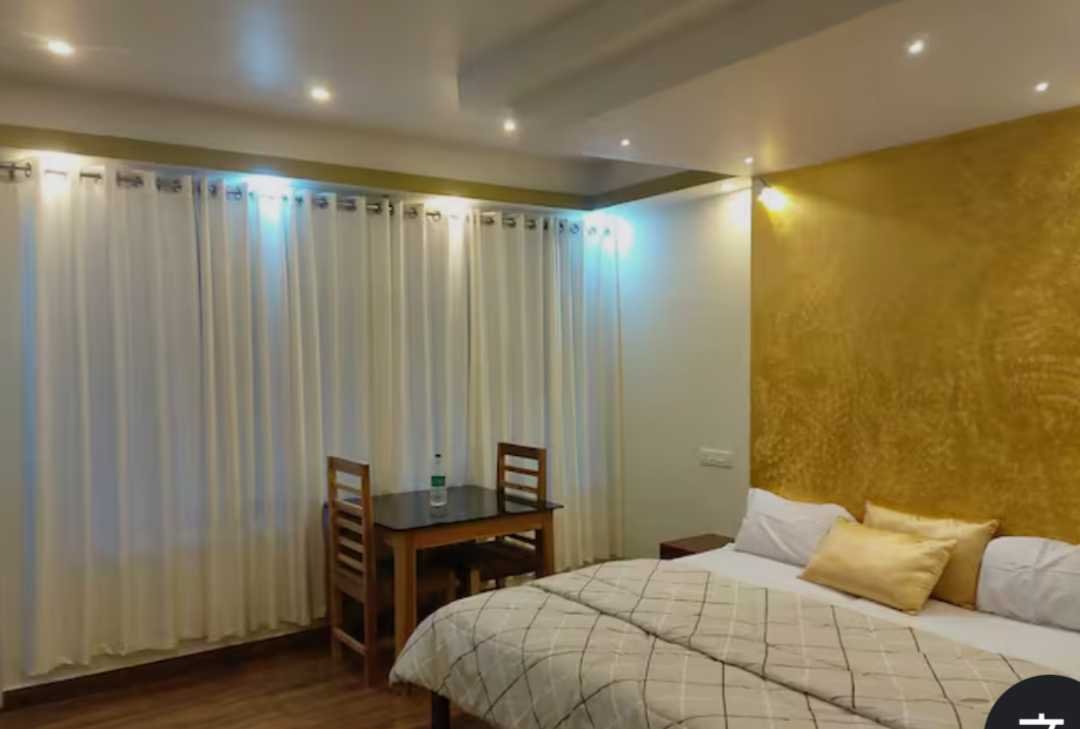
Look, here’s the thing. When you search for a “stylish homestay alleppey kerala,” you’re probably picturing something between a boutique hotel and a friend’s house. That’s exactly what we are. But let me be clear — style here doesn’t mean modern minimalism with white walls and a potted plant. The style comes from what’s already here. The old teak beams. The terracotta flooring we salvaged from a 1920s house down the canal. The handwoven kora grass mats. The walls painted in ochre and deep green, colors I remember from my grandmother’s kitchen. It’s stylish because it’s honest.
Every room at Evaan’s Casa has a different layout. Some open directly to the water. Others face the garden where we grow curry leaves and lemongrass. We kept the original high ceilings because they keep the place cool naturally. And the furniture? Most of it was made by a carpenter named Sasi who lives two islands over. He doesn’t use nails. Just wooden joints. That kind of craftsmanship doesn’t exist in a catalog. So when I say stylish, I mean rooted. A stylish homestay in Alleppey, Kerala, should feel like it grew out of the ground, not like it was shipped in from somewhere else.
Why Does the Island Location Matter?
Our island has no road access. None. You get here by boat, and the boat takes six minutes from the mainland jetty. That short ride changes everything. You leave behind the honking auto-rickshaws and the dust and the chaos of Alleppey town. By the time the boatman cuts the engine and we glide into our canal, you’re in another world.
I’ve had guests tell me they felt nervous the first night. No traffic sounds. No sirens. Just the croaking of frogs and the occasional splash of a fish jumping. Some people find that unsettling at first. And that’s fair. But by the second morning, they’re hooked. They realize the silence isn’t empty — it’s full. Full of bird calls at dawn. Full of the sound of a Vallam boat engine humming in the distance. Full of laughter from our kitchen when the cook drops a coconut and it cracks open on the stone floor.
This isolation is exactly what makes a stylish homestay in Alleppey, Kerala, work. You can’t get this experience at a hotel on the main road. You have to commit to the island. And once you do, the backwaters open up for you in a way they don’t for day-trippers. You can take a canoe out at 6 PM when the water turns gold. You can watch the fishermen cast their nets at dusk. You can lie in a hammock and do absolutely nothing. That’s the point.
What Home-Style Food Can You Expect Here?
Alright, let’s talk about food. Because honestly, I think this is what people remember most. Not the room, not the view — but the taste of a banana leaf meal eaten with your hands while sitting on a wooden veranda overlooking the water.
We serve home-style Kerala food. That means it’s cooked the way it’s been done here for generations. But I won’t pretend my mother is in the kitchen stirring pots. She’s not. The meals are prepared by local women from the nearby islands who know exactly how long to steam the puttu, how to grind the coconut for chutney so it’s smooth but not pasty, and when to flip the Karimeen Pollichathu so the banana leaf doesn’t burn.
Let me walk you through a typical lunch. You sit down on a woven mat. A banana leaf is placed in front of you. Then comes the rice — red rice, not the polished white stuff. Then the sambar, made with drumsticks and pumpkin and a tempering of mustard seeds that crackle in coconut oil. Then the thoran — finely chopped cabbage or beans, stir-fried with grated coconut and turmeric. Then a small bowl of moru, which is spiced buttermilk. Then the fish — Karimeen Pollichathu, a pearl spot fish marinated in chili, ginger, and turmeric, wrapped in a banana leaf, and steamed until it flakes apart.
You eat with your right hand. You mix the rice with the curry. You take your time. Nobody rushes you. And when you think you’re done, someone brings a small banana and a dollop of palm jaggery. It’s simple food. But it’s also the kind of food that makes you close your eyes on the first bite. I’ve seen grown adults get emotional over our beef fry and parotta combo. I’m not exaggerating.
Breakfast is equally good. Appam with egg curry. Puttu and kadala curry — that’s steamed rice flour cylinders with black chickpea gravy. Idiyappam — string hoppers — with sweet coconut milk. And always, always, fresh coconut chutney made that morning. The kitchen at our homestay runs on a rhythm. It starts early. The smell of grated coconut and cardamom drifts through the house around 6 AM. By 7, the coffee is ready. By 8, you’re eating something that makes you forget every hotel breakfast buffet you’ve ever had.
Jackson’s Practical Tips for Visitors
I’ve been running this place long enough to know what works and what doesn’t. Here are some things I tell every guest before they arrive:
- Book the early boat. The ferry from the mainland to our island runs every hour, but the 7:30 AM one is magic. The water is glassy. The birds are active. You’ll see kingfishers, egrets, maybe even an otter if you’re lucky. Most guests arrive around noon because that’s what their travel agent suggested. They miss the best part of the day.
- Bring mosquito repellent. I know this sounds obvious, but people forget. December to February is fine, but from March onward, the mosquitoes get active near the water. We have nets over the beds and coils in the common areas, but you’ll want to spray yourself before sunset walks.
- Don’t pack heels or fancy shoes. The pathways on the island are unpaved. You’ll be walking on mud, grass, and wooden planks. Flip-flops or bare feet are the uniform here. I’ve seen guests try to wear sandals with a small heel. It never ends well.
- Skip the houseboat for your first night. Most visitors book a houseboat for their entire stay. That’s a mistake. Houseboats are fun for a few hours, but sleeping on one gets cramped, the AC is loud, and you’re stuck on a set route. Stay with us instead. Take a day cruise on a houseboat, then come back to a real bed and a hot shower. You’ll thank me.
- Visit the Punnamada market at least once. It’s a small local market about 15 minutes by boat. They sell fresh fish, vegetables, and spices. Our cook goes there every morning. If you ask nicely, she’ll take you along. You’ll see where our food comes from, and you’ll eat better for it. Most travel blogs don’t mention this market because it’s not on any tourist map. But it’s real, and it’s wonderful.
One more thing — if you come during monsoon, bring a light rain jacket. Not an umbrella. The wind on the water makes umbrellas useless. Rain jackets work. Trust me on this.
What Is the Best Time to Visit Alappuzha for a stylish homestay alleppey kerala?
This depends on what you want. Let me break it down month by month, because I’ve seen every season here, and they’re all different.
Winter (November to February) — This is the peak season. The weather is dry and cool. Temperatures hover around 25°C during the day and drop to 18°C at night. The water is calm. The skies are clear. You’ll see the most birds during this time — migratory species come down from Siberia and Northern Europe. This is also the busiest time, so book at least two months in advance. If you want the classic postcard version of a stylish homestay in Alleppey, Kerala, come in December. But be prepared for crowds on the main canals.
Summer (March to May) — It gets hot. Really hot. April is the worst — temperatures can hit 35°C with high humidity. The afternoons are brutal. But here’s the thing nobody tells you: the mornings and evenings are still beautiful. You wake up early, do your exploring between 6 AM and 10 AM, then nap through the heat. By 4 PM, the breeze picks up and the water cools down. Plus, the rates are lower, and you’ll have the place almost to yourself. If you don’t mind heat, this is a good time for a budget-friendly trip.
Monsoon (June to September) — This is my personal favorite. I know most tourists avoid it, but they’re wrong. The rain transforms the backwaters. The canals fill up. The lotus blooms. The air smells like wet earth and jasmine. It rains heavily, but it’s not cold — it’s warm rain, the kind that feels like a bath. The downside is that some boat services get canceled during heavy downpours. And the humidity is relentless. But if you want to see Kerala at its most lush, its most alive, come in July. Just bring that rain jacket I mentioned.
Post-monsoon (October) — This is a transitional month. The rains have stopped but the landscape is still green. The weather is pleasant. It’s less crowded than winter but just as beautiful. October is a sweet spot that most people overlook.
Honestly, I’d say any time works if you adjust your expectations. The only month I’d caution against is April, and even then, I’ve had guests who loved it because they had the entire island to themselves. So it’s your call.
Frequently Asked Questions About a stylish homestay alleppey kerala
How far is Evaan’s Casa from Alleppey town?
It’s about 6 kilometers as the crow flies, but since we’re on an island, you take a boat. The boat ride from the mainland jetty takes 6 minutes. Total travel time from Alleppey town to our door is about 20 to 25 minutes, including the auto-rickshaw ride to the jetty. It’s close enough to be convenient, but far enough to feel remote.
Is it safe to stay on an island homestay?
Yes, completely. The island community is tight-knit. Everyone knows everyone. We have a night watchman, and the property is well-lit. The water around us is shallow near the edges, so there’s no risk of falling into deep canals. Families with kids stay here all the time. The only thing to watch out for is the occasional monkey trying to steal fruit from the kitchen. They’re harmless, just cheeky.
What should I bring for a stay at a stylish homestay in Alleppey, Kerala?
Pack light. Cotton clothes. A swimsuit if you want to take a dip in the canal. Flip-flops. A flashlight or headlamp — the pathways aren’t lit after 10 PM, and it’s nice to walk to your room without tripping. Mosquito repellent. A reusable water bottle. And a book. We have a small library, but you might want something specific. Oh, and if you’re coming in monsoon, a rain jacket. Leave the fancy clothes at home. You won’t need them.
How much does a stylish homestay alleppey kerala cost per night?
Our rates vary by season and room type. Off-season (summer and monsoon) starts around ₹3,500 per night for a standard room, including breakfast. Peak season (winter) goes up to ₹6,500. All meals are extra but reasonable — a full lunch or dinner costs around ₹500 per person. Compared to a houseboat, which runs ₹8,000 to ₹15,000 per night for a similar experience, we’re much better value. And you get a bigger room, a real bed, and the freedom to come and go as you please.
Is WiFi available at Evaan’s Casa?
Yes, we have WiFi. But I’ll be honest with you — it’s not super fast. We’re on an island, and the connection comes via a tower on the mainland. It works for checking emails, posting photos, and video calls if the weather is clear. But don’t expect to stream movies in 4K. Most guests find they don’t need it. They’re too busy eating, sleeping, or sitting by the water. Some guests disagree with me on this, and that’s fair. If you need reliable high-speed internet, let me know in advance, and I can arrange a local SIM card with a data plan that works better.
Alright, I think I’ve covered most of it. I started this post with a quiet morning on the veranda, and I’ll end it the same way. That’s how things work here. You come, you stay, you leave a little slower than when you arrived. That’s the whole point of a stylish homestay in Alleppey, Kerala. It’s not about doing more. It’s about doing less, but doing it better. So if you’re looking for a place that feels like someone actually thought about how you’d feel when you walked in, come see us. The boat will be waiting at the jetty. I’ll be on the veranda with coffee. And the frogs? They’ll be doing their thing. Some things never change, and that’s exactly how I like it.