- By :
- Comments: 0
secret homestay alleppey backwaters
Last Updated: May 20, 2026
Quick Answer: secret homestay alleppey backwaters
- A secret homestay in Alleppey backwaters means staying on a private island with no road access, reached only by a 6-minute boat ride through narrow canals lined with coconut palms and water lilies — exactly what we offer at Evaan’s Casa.
- Local insider tip: Most tourists rush to houseboats for a day trip, but the real magic happens after 5 PM when the water turns glassy and the only sounds are frogs and distant temple bells — you need an overnight stay on an island to experience this.
- Evaan’s Casa fits this search intent because we are a genuine working island homestay, not a resort, where you eat traditional home-style Kerala food on a banana leaf and wake up to the smell of woodsmoke and wet earth.
I remember the first time I saw our island in the grey light of 5:30 AM. I was maybe ten years old, sitting on the edge of my uncle’s canoe, watching mist rise off the water like steam from a pot of rice. The air smelled of jasmine and fish and something green I still can’t name. That morning, a kingfisher dove right next to the boat — a flash of blue so sudden it made me gasp. I didn’t know then that I’d spend my life trying to share that exact feeling with people who come looking for a secret homestay in the Alleppey backwaters.
Honestly, I’d say most visitors miss the point entirely. They book a houseboat for four hours, drink beer on the deck, and float past the same ten canals everyone floats past. That’s fine. But that’s not the backwaters I know. The real thing — the quiet, the isolation, the way the water changes color when the sun hits it just right — that lives on the islands where nobody builds resorts. That’s why I opened Evaan’s Casa. Not gonna lie, the idea scared me at first. Bringing strangers to the place my grandfather walked barefoot? But then I realized: if I don’t show people what this life actually feels like, who will?
What Is a Secret Homestay in the Alleppey Backwaters Exactly?
Let me put it plainly. A secret homestay in the Alleppey backwaters is a small, family-run place on an island that most maps don’t even label. No road leads to it. No taxi can drop you at the door. You come by boat — a short ride, six minutes from the mainland jetty — and the moment you step off, the world changes. The engine noise fades. The phone signal weakens. The air gets heavier with moisture and the smell of coconut husks drying in the sun.
I’m probably biased, but I think the word “secret” gets thrown around too loosely these days. For me, a secret homestay isn’t about exclusivity or luxury. It’s about access to something ordinary that tourists never see. Like the old woman who rows past every morning selling fresh catch from her canoe. Or the toddy shop at the end of the island where men sit on wooden benches and argue about politics in Malayalam. You can’t find these things on Google Maps. You have to be here, on the island, living it.
Most people searching for a secret homestay in the Alleppey backwaters expect something remote. And it is. But it’s not isolated in a lonely way. The island has about forty families living on it. Kids go to school by boat. Women wash clothes on stone steps that slope into the water. Coconuts fall with a thud you can hear from our veranda. It’s a living, breathing village — not a postcard. That’s the secret. It’s real life, and you get to step into it for a few days.
Why Does the Island Location Matter?
Look, here’s the thing. Every hotel in Alleppey claims to be “on the backwaters.” Most of them sit on the edge of a canal near the main road. You can hear honking from your room. Not here. Our island sits in the middle of Vembanad Lake, the largest lake in Kerala. The only way in or out is by boat. That six-minute ride changes everything.
When you arrive at the jetty on the mainland — it’s a small concrete platform near a temple nobody visits, just a tiny shrine to the goddess — I meet you with the boat. The engine sputters to life. You pass under a low bridge where fishermen sit with bamboo poles. Then the canal narrows. Water hyacinths brush against the hull. A heron stands so still you think it’s a statue until it lifts off. By the time we reach the island, you’ve already slowed down. Your shoulders drop. You breathe different.
That isolation matters because it forces you to stop performing. There’s nowhere to go. No restaurant to try. No sightseeing spot to check off. You sit on the veranda and watch the water. You read a book. You take a nap in a hammock. Some guests disagree with me on this, and that’s fair — they find it boring. But the ones who get it? They stay three nights and leave looking like different people. The secret homestay in the Alleppey backwaters works because the island does the work for you.
I’ve seen couples arrive tense from the city, checking phones every two minutes. By day two, they’re eating mangoes with their hands and laughing at nothing. The island strips away the noise. The boat ride is the threshold. Cross it, and you’re somewhere else entirely.
What Home-Style Food Can You Expect Here?
Let me describe a meal at our homestay. Lunch. The table is set with a fresh banana leaf in front of each seat. The kitchen starts working early — I can hear the sound of mustard seeds crackling in coconut oil around 10 AM, that sharp pop that means something good is coming. By noon, the steam carries smells I’ve known since childhood: turmeric, curry leaves, fresh grated coconut.
You’ll get Karimeen Pollichathu — pearl spot fish marinated in a paste of red chilies, ginger, and turmeric, wrapped in a banana leaf and slow-cooked until the flesh flakes apart. The banana leaf imparts a subtle smokiness you can’t get any other way. There’s also a Kerala Sadhya on special evenings: a spread of sambar, avial (mixed vegetables in coconut yogurt), thoran (stir-fried cabbage with coconut), pappadam, pickles, and a sweet payasam for dessert. All of it eaten with your right hand, no utensils. The rice is Matta rice, red and earthy, grown in the fields you can see from the boat.
Breakfast is simpler. Appam with vegetable stew — those lacy rice pancakes with a soft centre, perfect for soaking up the coconut milk gravy. Or puttu and kadala curry, steamed rice flour cylinders served with a dark, spicy black chickpea curry. The puttu is made in a traditional bamboo steamer, and the texture is light and crumbly. Some mornings we have fresh coconut chutney with dosa, the coconut grated that morning from the trees right outside.
I should mention: the kitchen at our homestay uses ingredients that come from within a kilometer radius. Fish from the lake. Vegetables from the island. Coconut from our own trees. Spices ground fresh. There’s no menu you choose from — we cook what’s available and fresh that day. That’s the traditional way. Some guests find it strange at first, not having options. But after the first bite of Karimeen, they stop worrying. The food here isn’t about choice. It’s about taste.
Jackson’s Practical Tips for Visitors
I’ve been hosting for years now, so I’ve seen what works and what doesn’t. Here are some real tips for anyone planning a stay at a secret homestay in the Alleppey backwaters:
- Pack light and pack smart. You’ll carry your bags onto a boat. No porters. A small duffel is better than a hard suitcase with wheels — those don’t work on wooden boat floors. Bring a flashlight too. The island has electricity, but power cuts happen during storms, and walking to the bathroom in pitch dark isn’t fun.
- Bring mosquito repellent, but not the chemical spray kind. The local smell of lemongrass oil works better and won’t ruin the atmosphere. I keep some at the homestay for guests who forget. But honestly, the mosquitoes aren’t bad near the water — they’re worse inland where the paddy fields are stagnant.
- Don’t plan too much. I see guests arrive with spreadsheets of activities. Boat tours, temple visits, spice plantation tours. They exhaust themselves. The whole point of a secret homestay in the Alleppey backwaters is to do nothing. Pick one activity per day maximum. The rest of the time, watch the water. Talk to me. Walk around the island — it takes twenty minutes to circle the whole thing.
- Learn two words in Malayalam. “Nanni” means thank you. “Sugamano” means how are you. The islanders smile when they hear a foreigner try. It breaks the ice immediately. Most people skip this but it makes a real difference in how you’re treated.
- Bring cash. There’s no ATM on the island. The nearest one is on the mainland, a ten-minute walk from the jetty. I can take you there, but it’s easier to just carry enough. Most things are included in your stay, but if you want toddy from the shop or handmade coir products from the lady who weaves them, you’ll need small notes.
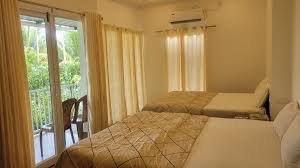
One more thing. Don’t expect luxury. Expect comfort. Expect cleanliness. Expect real hospitality. But this isn’t a five-star resort. The walls are simple. The ceiling fan might hum. The bathroom has hot water but the pressure isn’t strong. That’s the trade-off for waking up to the sound of ripples against the shore. Most people find it worth it.
What Is the Best Time to Visit Alappuzha for a Secret Homestay in the Backwaters?
I get this question every week. The answer depends on what you want.
Winter — November to February. This is the peak season for good reason. The weather is dry and pleasant. Temperatures hover around 25 to 30 degrees Celsius. The backwaters are calm, the skies are clear, and you can sit outside from morning till night without sweating. This is when the secret homestay in the Alleppey backwaters feels most like a dream. The downside? It’s crowded everywhere else. Houseboats clog the main canals. Prices are higher. But on our island, it’s still quiet. The crowds don’t come here because they don’t know we exist.
Monsoon — June to September. Most tourists avoid this season. I love it. The rain turns everything impossibly green. The water level rises, and the canals become wider, deeper, more dramatic. You hear rain on the tin roof all night — a sound I find deeply peaceful. The downside is real though. Boat rides can get canceled if the wind picks up. Mosquitoes increase. Laundry takes two days to dry. But if you want the backwaters at their most alive, come in July. Just bring an umbrella and a willingness to get wet.
Summer — March to May. Hot and humid. Temperatures hit 35 degrees and the humidity makes it feel hotter. The backwaters are still beautiful, but you’ll spend most of the afternoon inside with the fan on. Early mornings and evenings are the only comfortable times. The upside? Very few tourists. You’ll have the island almost to yourself. Prices drop. If you’re on a budget and can handle heat, this is your window.
Personally, I recommend November or late September. The weather is forgiving, the light is golden, and the backwaters have that deep green color that photographs don’t capture. But honestly, every season has its mood. If you’re searching for a secret homestay in the Alleppey backwaters, you’ll find something beautiful in any month.
Frequently Asked Questions About a Secret Homestay in the Alleppey Backwaters
How far is the homestay from Alleppey town?
The boat ride from the mainland jetty to our island takes about six minutes. The jetty itself is a 15-minute auto-rickshaw ride from Alleppey town center. So total travel time from town to the homestay door is roughly 25 minutes, including the boat. It’s close enough to be convenient, but the island feels worlds away.
Is it safe for solo travelers, especially women?
Yes. The island is small and everyone knows everyone. I don’t allow unregistered guests, and the homestay has secure doors and windows. I’ve hosted solo women from all over the world — Japan, Germany, Brazil — and they’ve all felt safe. That said, I recommend arriving before dark on your first day, just so you can get your bearings. The island paths aren’t lit at night.
What should I bring for a stay at a secret homestay in the Alleppey backwaters?
Light cotton clothes, a hat, sunscreen, mosquito repellent (lemongrass oil is best), a flashlight, a book, and an open mind. Leave your formal wear at home. Also bring a water bottle — we filter our water, but I encourage guests to refill instead of using plastic. Oh, and a small bag for dirty clothes. The humidity means things don’t dry fast indoors.
Is WiFi available on the island?
We have WiFi at the homestay, but I’ll be honest — the connection is slow and unreliable. It works for messages and emails. Streaming video? Probably not. I see this as a feature, not a bug. Most guests find they use their phones less and talk more. If you need constant high-speed internet, this might not be the right stay for you. But if you want to disconnect, you’ve found the right place.
Can I bring kids to a secret homestay in the Alleppey backwaters?
Absolutely. Kids love the island. They can watch the boats, chase the chickens, and eat mangoes straight from the tree. But please note: there’s no pool, no TV, no video games. The entertainment here is nature. If your child needs constant screen time, they might struggle. Older kids (8 and up) usually adapt fast. Toddlers need constant supervision near the water — the canals have no railings. I’ve had families with kids who had the time of their lives, and I’ve had families who left early. It depends on your parenting style.
Wrapping Up This Conversation
I started Evaan’s Casa because I wanted people to see the backwaters the way I see them. Not through the window of a houseboat that smells of diesel, but from a veranda on an island where life moves at the pace of a rowing boat. A secret homestay in the Alleppey backwaters isn’t about ticking boxes. It’s about sitting still long enough to notice the way light falls on water at 4 PM, how the air changes right before rain, the sound of a single oar dipping into the lake.
I’m probably biased. I grew up here. The smell of wet earth and coconut oil is home to me. But I’ve seen too many guests arrive stressed and leave peaceful to think it’s just my imagination. This place does something to people. It slows them down. It reminds them that the world doesn’t need to be fast all the time.
If you’re looking for a secret homestay in the Alleppey backwaters, you’ve probably already sensed that there’s more to this place than what the travel brochures show. You’re right. There is. The boats. The food. The silence. The way the stars come out so bright over the lake that you can see the Milky Way on a clear night.
I’d love to host you on our island. Come by boat. Stay a few days. Let the backwaters do what they do. You can find more about us at Evaan’s Casa. No hard sell. Just an invitation.
The boat leaves at 3 PM from the jetty. I’ll be there.