- By :
- Comments: 0
photography friendly homestay alleppey
Last Updated: May 27, 2026
Quick Answer: photography friendly homestay alleppey
- Evaan’s Casa is a photography friendly homestay in Alleppey with zero road noise, just water, palms, and silence.
- Insider tip: come during the monsoon months of June to August for moody skies and fewer tourists; the light is softer for photos.
- Because it’s only reachable by a 6-minute boat ride, you get raw, uninterrupted backwater life — perfect for authentic shots.
Mustard seeds crackling in coconut oil. That smell hits you the moment you walk near the kitchen here. It’s the same smell I woke up to as a kid on this island, and it still pulls me out of bed before the sun fully rises. There’s no traffic hum, no horns. Just that sound, and the distant lap of water against the canoe docked outside.
I’m Jackson Louis. I grew up on these backwaters. Our homestay, Evaan’s Casa, sits on a small island in Vembanad Lake, near Alappuzha. You can’t drive here. There’s no road. The only way in is a short boat ride — six minutes, maybe seven if the water is still and the engine is lazy.
Is photography friendly homestay alleppey really as quiet as people say?
Honestly, yes. But it’s a specific kind of quiet. It’s not the dead silence of an empty room. It’s alive. You hear the rustle of palm fronds, the splash of a fish breaking the surface, the creak of a wooden canoe passing by at dawn. Most people skip this, but I’d argue that’s the real sound of Kerala.
For photographers, this quiet is gold. No traffic to blur a long exposure. No honking to ruin a video. The only movement is the slow drift of clouds over the paddy fields, or the occasional kingfisher diving into the canal. I’ve seen guests set up their tripods on the veranda and stay there for hours, just watching the light change.
The light here is different. It filters through coconut palms and reflects off the lake, creating a soft, diffused glow. Morning is best — around 6:30 AM, when the mist sits low over the water. The village boats start moving then, and the fishermen cast their nets. You can’t plan that kind of shot. It just happens.
What does ‘no road access’ mean for your stay?
It means your luggage gets carried onto the boat. It means you feel the wind in your hair for those six minutes, and by the time you step off, the mainland already feels distant. Look, here’s the thing: that boat ride isn’t a gimmick. It’s a reset. It physically separates you from the noise.
Once you’re here, there are no cars. No scooters. No delivery vans. The only vehicle is the occasional vallam boat carrying coconuts or people to the mainland market. The diesel smell from that boat hangs in the air for a minute, then fades into woodsmoke from a nearby kitchen. It’s raw. It’s real.
Some guests feel a bit unsettled at first. No road means no quick escape. But that feeling usually passes by the first evening. You sit on the veranda, the lake in front of you, and the only decision is whether to watch the sunset or read a book. The isolation becomes a comfort, not a constraint.
There’s a specific boat that leaves from our jetty at 7:15 AM and returns at 5:30 PM. It’s called the Kuttanad ferry, and it’s been running that route for decades. Most tourists don’t know about it. I tell my guests to take it at least once — just to feel what daily life is like for the people who live here permanently.
Is this a good place to properly switch off?
I’m probably biased, but yes. Switching off here isn’t forced. It happens naturally because there’s nothing to distract you. No TV in the rooms. The WiFi works, but it’s slow — good enough for checking emails, not for streaming movies. Most people end up leaving their phones on the bedside table.
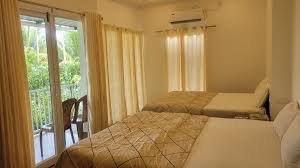
The rooms are simple. Clean walls, fans, mosquito nets, a bed with a view of the lake. Hot water comes from a solar heater. At night, the only light is from the kerosene lamps on the veranda and the stars above. Rain on the tin roof is a sound you’ll remember long after you leave.
For photographers, this is where the real work begins. Without the buzz of notifications, you notice the small things: the way a water lily opens at dawn, the shadow of a heron on the wall, the texture of a coir rope against a wooden post. I’ve seen guests take their best shots not on a tour, but just sitting on the steps, waiting.
We serve home-style Kerala food at the homestay. Meals prepared here focus on local ingredients — fresh fish from the lake, coconuts from the trees outside, rice from the paddy fields you can see from your window. The kitchen doesn’t rush. Lunch might stretch into a slow afternoon, and nobody minds.
Frequently Asked Questions About photography friendly homestay alleppey
How far is Evaan’s Casa from Alleppey town?
It’s about 20 minutes by boat from the main jetty in Alappuzha town. The boat ride itself is six minutes from our private jetty. Most guests take a rickshaw or taxi to the jetty, then we pick you up.
Is it safe for solo travelers, especially women?
Yes. The island is very safe. There’s no random traffic or strangers wandering through. The village is close-knit, and everyone knows everyone. I live on the property, so there’s always someone around if you need anything.
What should I bring for photography?
A tripod is useful for dawn and dusk shots. Bring a zoom lens for birds and boats. A polarizing filter helps cut glare on the water. And pack a small flashlight for walking to the jetty at night — it’s dark here, in a good way.
Is WiFi available at the homestay?
Yes, there’s WiFi, but it’s not high-speed. It works for messages and emails. If you need to upload large files or video, I’d recommend doing that before you arrive. The point is to disconnect a little.
I’ve been running Evaan’s Casa for a few years now, and I still see the same thing: guests arrive looking tired, and they leave looking softer around the edges. The isolation does that. It peels away the layers of noise you didn’t even know you were carrying.
If you’re searching for a photography friendly homestay in Alleppey, this is it. Not because we have the best equipment or the fanciest views. But because the silence lets you see things clearly. The light is honest here. The water reflects exactly what’s there.
Come for the photos. Stay for the quiet. Leave with both.
— Jackson Louis, Evaan’s Casa