- By :
- Comments: 0
non AC budget homestay
Last Updated: March 15, 2026
Quick Answer: non AC budget homestay
- A non AC budget homestay is a simple, affordable place to stay that relies on natural airflow, ceiling fans, and local design to stay cool, offering a more authentic and connected travel experience.
- Local insider tip from Jackson: The real magic happens after sunset. The air cools, the frogs start their chorus, and sitting on the verandah with a cup of chai is better than any air-conditioned room.
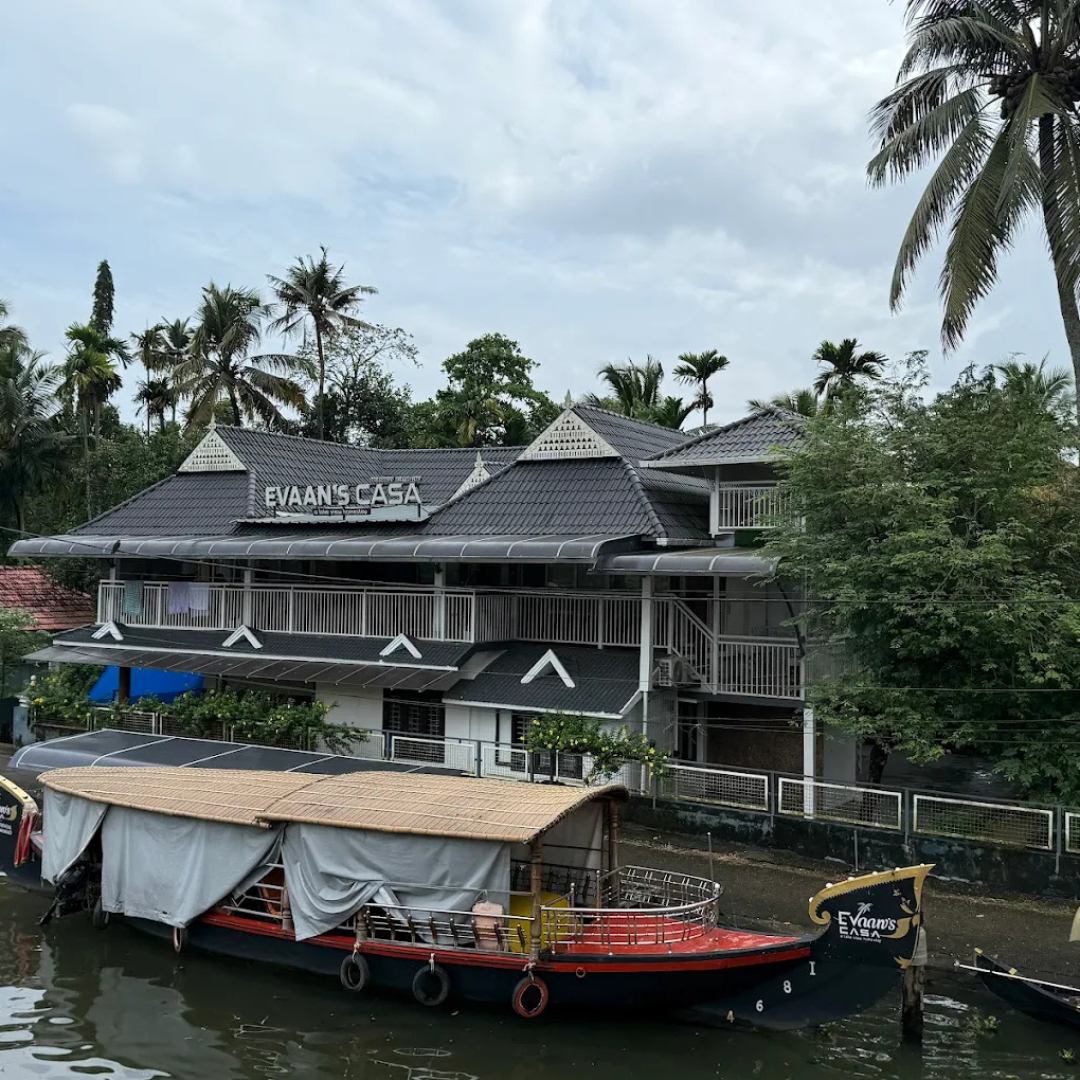
- Why Evaan’s Casa fits this search intent: We are exactly that—a simple, affordable, home-style place on a quiet backwater island. We use high ceilings, cross-ventilation, and traditional architecture to create comfort without AC, putting your money towards experiences instead.
I woke up before the sun this morning, which is pretty normal for me. The first sound is always the water. It’s a soft lap against the laterite stone steps of our jetty, a sound so constant you forget it’s there until you really listen. Then the kingfishers start, a sharp chatter from the coconut fronds. By the time I’d boiled water for tea, the sky was turning that soft, watercolor pink you only get over the paddy fields. No traffic. No horns. Just the diesel thrum of an early morning fishing boat heading out, a sound that’s more rhythm than noise. This is our island. This is what you get when you step off the main road and onto a boat.
I’ve lived here most of my life. I left for a while, for studies and work, but the pull of these backwaters is a real thing. It’s in the smell of wet earth after a short rain, the way the light slants through the banana trees in the afternoon. So I came back. I wanted to build a place where travel felt less like checking a list and more like… breathing. A place where you could just be. That’s how Evaan’s Casa started. It’s not a resort. It’s my home, and I’ve opened it to guests who want something real. Something simple.
What Is a Non AC Budget Homestay?
Let’s break that term down, because it gets misunderstood. A non AC budget homestay isn’t about being uncomfortable or cheap in a bad way. It’s a choice. It’s a different philosophy for your trip.
‘Non AC’ means we don’t have artificial air conditioning units in the rooms. Instead, we work with the environment. Our rooms have high, sloping ceilings. The windows are positioned to catch the cross-breeze coming off the canals. We use thick, cool lime plaster on the walls and ceiling fans to keep the air moving. You trade a sealed, humming box for a room that breathes with the island. You feel the day cool down. You smell the night jasmine.
‘Budget’ means the money you save on a compressor and high electricity bills goes back into your experience. It means you can afford to stay an extra day, book a longer village canoe tour, or just relax without worrying about every rupee. A true non AC budget homestay connects you to the local pace and climate, it doesn’t fight it.
And ‘homestay’? That’s the heart of it. You’re not in a hotel room. You’re in a home on an island. You drink tea from the same kettle I do. You get advice you won’t find in a guidebook. The rhythm here is slower, more human. Honestly, I’d say if your goal is to see Alleppey from inside a chilled room, we’re probably not the right fit. But if you want to feel Alleppey, to live its rhythms for a few days, then this is it.
Why Does the Island Location Matter?
The six-minute boat ride from the mainland jetty is the reset button. You physically leave one world and enter another. There are no roads here. No cars. The only way in or out is by boat. That changes everything the moment your ferry pulls away from the dock.
That isolation isn’t lonely. It’s freeing. The soundtrack of your stay becomes the water, the wind, the birds. You walk on narrow paths between coconut groves and canals. Kids wave from their courtyards. The pace is dictated by the sun and the boat schedules, not by traffic lights. When you book a stay at a non AC budget homestay like ours, this island setting is half the value. The simplicity of the place matches the simplicity of the location.
Here’s a specific detail for you: the last public ferry back to the island from the main bazaar is at 7:45 PM. Miss it, and you’ll need to call for a private canoe. It forces you to think about time differently. You plan your day around the light and the water, not an Uber app. You have dinner as the sky darkens, not after a late-night show. It’s a gentle, natural return to a saner clock.
The air is different too. It’s constantly moving, filtered through kilometers of waterways and greenery. This is the secret weapon of a well-designed non AC budget homestay in a place like this. The natural ventilation isn’t just a concept; it’s a tangible, cool breeze that smells like green things and water. You can’t replicate that in a town.
What Home-Style Food Can You Expect Here?
Food is central to life here. It’s fresh, seasonal, and cooked with care. The kitchen at our homestay prepares traditional Kerala meals daily. We don’t have a sprawling restaurant menu. We cook what’s good, what’s local, and what makes sense for the day.
Breakfast might be soft, lacy appam with a subtly sweet coconut milk stew, maybe with potatoes or chicken. Or it could be puttu—steamed cylinders of rice flour and coconut—with kadala curry, a spiced black chickpea dish that is pure comfort. The coconut is grated that morning. The spices are toasted and ground. You taste the clarity of each ingredient.
Lunch and dinner are often rice-based. A typical plate will have a mound of red rice, a couple of vegetable thorans (stir-fries with coconut), a sambar or rasam, maybe some fried fish from the morning’s catch, and a pappadam. The star might be Karimeen Pollichathu, a pearl spot fish marinated in spices, wrapped in a banana leaf, and pan-roasted. The banana leaf infuses the fish with a smoky, earthy aroma that you just don’t get from foil.
On request, we can serve a proper Kerala Sadhya on a banana leaf. It’s a festival of tastes and textures—dozens of small dishes from bitter gourd to sweet payasam. Eating with your hands is part of the experience. You feel the temperature and texture of the food in a way a fork blocks. It’s messy and wonderful. The meals are included in your stay at our non AC budget homestay, so you can just enjoy without constantly reaching for your wallet.
The flavors are bold but not aggressively spicy unless you want them to be. Turmeric, mustard seeds, curry leaves, and fresh coconut are the backbone. You’ll smell the crackle of mustard seeds in coconut oil long before the plate reaches your table. It’s the signature scent of a Kerala home kitchen.
Jackson’s Practical Tips for Visitors
Alright, some straight advice from someone who’s been hosting folks here for years. These tips will make your stay smoother and richer.
- Pack Light, Pack Right: You’re crossing water. A backpack or soft duffel is easier than a hard suitcase on a canoe. Bring loose, light cotton clothes. A hat. Good sandals you don’t mind getting wet. That’s your core wardrobe.
- The Mosquito Truth: They exist, especially at dawn and dusk. We provide nets and plugs, but bring your preferred repellent. I’m probably biased, but the natural citronella oil we burn on the verandah works a charm and smells better than the chemical stuff.
- Most People Skip This But… Visit the local kadala (chickpea) stall near the main jetty in the morning. It’s not in any guide. For a few rupees, you get a small newspaper cone filled with spicy, steamed black chickpeas, topped with onion and coconut. It’s the perfect, authentic snack while you wait for the ferry.
- Embrace the Boat Schedule: Plan your mainland trips around the public ferry times (I’ll give you a schedule). It’s cheap and fun. If you need flexibility, we can arrange a private canoe, but try the ferry at least once. You’ll share it with schoolkids, groceries, and the odd bicycle.
- Ask for the “Backwater Walk”: Beyond the standard canoe tours, I can point you on a walking loop around the quieter, southern part of our island. You’ll see coir-making in yards, ancient footbridges, and a tiny, rarely-visited snake boat shrine that even some locals forget about.
What Is the Best Time to Visit Alappuzha for a Non AC Budget Homestay?
Every season has its own character. Your choice depends on what you want to see and feel.
Monsoon (June – September): This is Kerala at its most powerful and lush. The rains are heavy, often in intense afternoon bursts. The paddy fields turn a brilliant, impossible green. The sound of rain on a tin roof is incredible. It’s also the coolest time of year, which makes a non AC budget homestay very comfortable. The downside? Some activities, like long canoe trips, can get washed out. You need to be okay with slowing down, reading a book, and watching the water level rise. Some guests disagree with me on this, and that’s fair, but I think it’s the most beautiful time here.
Winter (November – February): This is the classic tourist season for a reason. The weather is glorious—sunny days, cool nights, low humidity. It’s perfect for all activities. The trade-off is that Alleppey in general is busier, and the landscape, while beautiful, doesn’t have that explosive monsoon vitality. Nights can get cool enough that you might want a light sweater, which is a novel feeling in the tropics.
Summer (March – May): It gets hot. Let’s be honest. The days are warm and still. This is when the design of our place is truly tested, and I’m happy to say the natural cooling works. The ceiling fans are essential, and the best plan is a siesta during the peak afternoon heat. The reward? Mangoes. The trees are heavy with them. And it’s the quietest season. You’ll often have the island paths to yourself. If you don’t mind the heat, it’s a deeply peaceful time for a non AC budget homestay experience.
Frequently Asked Questions About Non AC Budget Homestays
Is it safe, especially for solo travelers?
Yes, absolutely. Our island community is close-knit and very safe. As a homestay, you’re not anonymous in a big hotel; you’re a guest in the neighborhood. I live on-site, and the locals are friendly and look out for visitors. The paths are safe to walk day or night.
What should I definitely bring?
Beyond the basics, bring a reusable water bottle (we have filtered water to refill), a small flashlight or headlamp for the paths at night, and a power bank. Oh, and an open mind. That’s the most important thing.
How do I get to Evaan’s Casa from Alleppey town?
You take an auto-rickshaw or taxi to the Finishing Point Jetty. From there, it’s a six-minute public ferry ride to our island. I’ll meet you at the island jetty with a smile and help with your bag. It’s easier than it sounds, and I send detailed directions to everyone who books.
Is WiFi available?
Look, here’s the thing. We have WiFi in the common area. It works for messaging and emails. It’s not strong enough for streaming movies or big video calls. Part of the point of a Evaan’s Casa stay is to disconnect a little. Read a book. Watch the water. Talk to other travelers. The connection to the real world is here, but the digital one is kept politely at bay.
The light is fading as I finish writing this. The evening boat has just gone past, its single lamp reflecting a long gold line on the black water. Someone is frying fish a few houses down, and the smell is making me hungry. This is the daily texture of life here. It’s not luxurious in a five-star way. It’s rich in a completely different sense.
Choosing a non AC budget homestay is choosing to feel the place you’re visiting. It’s choosing to spend your time and money on moments, not on machinery. It’s for travelers, not just tourists. If that sounds like what you’re looking for, I hope you’ll consider our little island home. We’d love to share a cup of chai with you on the verandah and listen to the water together. You can find more about our simple, home-style island life at Evaan’s Casa. Until then, take care.
Jackson