- By :
- Comments: 0
modern homestay alleppey kerala
Last Updated: May 22, 2026
Quick Answer: modern homestay alleppey kerala
- A modern homestay in Alleppey, Kerala, isn’t just a place with WiFi and air conditioning. It’s a stay where contemporary comfort meets the raw, living backwaters — think private rooms with clean bathrooms, reliable internet, and traditional meals served on banana leaves, all on a quiet island reachable only by a 6-minute boat ride from the mainland.
- Local insider tip from Jackson: Most visitors rush to book houseboats for one night. Skip that. Stay on our island for at least two nights. The real Alleppey — the one with kingfishers diving at dawn and the smell of toddy shops at dusk — happens when you’re grounded, not floating.
- Evaan’s Casa fits this search intent because we built it for travelers who want the convenience of a good hotel (hot water, strong WiFi, comfortable beds) but the soul of a local home. We’re a modern homestay Alleppey Kerala — clean, quiet, and deeply connected to the water.
I wake up before the sun here. Not because I have to. It’s the sound that pulls me — the low putter of a wooden canoe scraping against the jetty, or maybe just the first bird calling from the coconut palms. I pour myself some chai, walk out onto the verandah, and watch the backwaters shift from gray to gold. The air smells like wet earth and smoke from someone’s morning fire across the channel. That’s my daily start at Evaan’s Casa.
I’ve lived on this island my whole life. Born here, learned to swim in these canals, fell asleep to the croak of frogs a thousand nights. When I decided to open a homestay, people asked why I didn’t build something on the main road. Easier for guests. More convenient. But I wanted something different. I wanted people to feel what I feel every morning — the quiet isolation of a place that water has to carry you to.
Look, here’s the thing. I’m probably biased, but I think the best way to see Alleppey is from an island. A modern homestay Alleppey Kerala experience isn’t about luxury tiles and a swimming pool. It’s about a clean room, a good mattress, and a verandah where you sit with a cup of tea while a canoe drifts past. That’s what we do here. Simple. Honest. Real.
What Is a Modern Homestay Alleppey Kerala?
Let me tell you what it’s not. It’s not a resort with a reception desk and a bellboy. It’s not a backpacker dorm with squeaky bunk beds either. A modern homestay is the middle ground — and I think it’s the sweet spot.
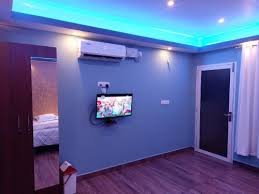
Think of it like this. You get your own private room with an attached bathroom. Hot water works. The WiFi is strong enough to stream a movie or take a work call. The bed has clean sheets and a good pillow. You’re not roughing it. But when you step outside, you’re in someone’s real life. There’s a family washing clothes by the well. A neighbor ties his boat to a palm trunk. A woman grinds spices in a stone mortar — you can hear the rhythmic thump from across the water.
At Evaan’s Casa, a modern homestay Alleppey Kerala means we’ve blended these two worlds. We have air conditioning in the rooms because Kerala gets hot. But we also keep the old wooden windows that open wide so you hear the rain. We serve breakfast at a time that suits you, not a fixed hotel buffet hour. You can walk to the jetty in your slippers and hop into a canoe to explore. That freedom — that unhurried pace — is what makes it modern in a different way.
Most people skip this but here’s something I tell every guest: the word “homestay” in Kerala used to mean sleeping on a mat in someone’s front room. That’s not us. We have real bedrooms, proper bathrooms, and a kitchen that prepares food you’d eat at a local’s home. Not restaurant food. Home food. That distinction matters.
Why Does the Island Location Matter?
Our island sits about six minutes from the mainland by boat. That’s it. Six minutes. But those six minutes change everything.
When you arrive at the jetty on the main side, you’ll see the chaos — auto-rickshaws honking, people shouting, dust from the road. You get on our little boat, the engine buzzes, and suddenly you’re gliding past water hyacinths and a temple ghat where an old man bathes. The noise fades. By the time you step off onto our island, you’ve already exhaled.
There’s no road access to our homestay. That’s intentional. The only way in is by boat. Some guests find this intimidating at first. “What if I need to go somewhere?” they ask. But honestly, I’d say that’s the best part. We arrange boats for you — to go to the market, to visit the temples, to explore the canals. You’re not stranded. You’re just removed. There’s a difference.
The isolation does something to people. I’ve seen couples who arrive stressed from city jobs turn quiet and soft by the second day. I’ve seen solo travelers sit on the jetty for an hour just watching the water. The sound here is different — no traffic, no horns. Just water lapping, birds calling, and sometimes the distant thrum of a Vallam boat engine crossing the lake.
One specific detail: the last public boat from the mainland to our island leaves around 7 PM. If you miss it, you need to call me for a private pickup. Most guests love this — it forces them to settle in for the evening. No rushing back to town for dinner. You’re here, on the island, with a home-cooked meal waiting.
What Home-Style Food Can You Expect Here?
Alright, let’s talk about food. Because if you’re staying at a modern homestay Alleppey Kerala and not eating well, something is wrong.
The kitchen at our homestay prepares traditional Kerala meals using ingredients from the local market and sometimes from our own little garden. We don’t have a menu you choose from like a restaurant. Instead, we ask what you like, what you’re allergic to, and then we cook accordingly. The meals are home-style — meaning they’re made with care, not speed.
Breakfast is usually soft appams with a spicy egg curry, or puttu with kadala curry — that’s steamed rice flour cylinders with black chickpeas in a coconut-based gravy. The puttu is served hot, fresh from the steamer, with a sprinkle of grated coconut on top. You break it with your fingers and dip it into the curry. Simple. Perfect.
For lunch, you might get a full Kerala sadhya on a banana leaf. That’s rice served with a dozen small dishes — sambar, avial (mixed vegetables in coconut), thoran (stir-fried veggies with coconut), pachadi (a yogurt-based side), and a sweet dessert like payasam. The banana leaf changes everything. The food tastes different — cleaner, earthier. And you eat with your right hand. That’s the tradition.
Dinner is often Karimeen Pollichathu — pearl spot fish marinated in a paste of chilies, turmeric, and spices, wrapped in a banana leaf, and slow-cooked until it’s smoky and tender. The banana leaf chars slightly, and when you open it, the steam hits you with the smell of coconut and curry leaves. We serve it with rice and a simple dal.
I should mention the coconut. Every dish uses it in some form — grated, milked, or fried. The mustard seeds crackle in coconut oil as the base for almost every curry. That sound, that smell — it’s the signature of Kerala home cooking. You’ll wake up to it in the morning, drifting from the kitchen.
Some guests disagree with me on this, and that’s fair. Not everyone loves Kerala food — it’s spicy, it’s coconut-heavy, it’s different. But if you’re open to it, you’ll leave craving it. I’ve seen travelers from Europe and America ask for second helpings of sambar. That always makes me smile.
Jackson’s Practical Tips for Visitors
I’ve hosted hundreds of guests now. Here are the things I wish every traveler knew before they arrived.
- Pack light, but bring mosquito repellent. This is Kerala. We have water everywhere. Mosquitoes love it. The homestay has nets and coils, but a good repellent on your skin makes evenings on the verandah much better. Don’t rely on us for everything.
- Carry a small torch or use your phone flashlight. The island has electricity, but power cuts happen — especially during monsoon. Walking from your room to the main house at night without a light is an adventure you don’t want. Trust me.
- Learn two Malayalam words: “Nanni” (thank you) and “Ente Peru” (my name is). People here warm up fast when you try. The vegetable seller at the market, the boatman — they’ll smile wider and maybe give you a better price on the fish.
- Don’t plan too much. I know you want to see everything — the houseboats, the paddy fields, the temples. But the best moments here are unplanned. Sitting on the jetty as the sun sets. Walking along the canal and finding a toddy shop where old men play cards. Let the island set your pace.
- Bring earplugs if you’re a light sleeper. I love the sounds of the backwaters, but not everyone does. Frogs can get loud at night. Rain on a tin roof is beautiful but noisy. A rooster might crow at 5 AM. Earplugs help if you need silence.
One more thing — most travel blogs tell you to book a houseboat for the sunset cruise. That’s fine. But I recommend taking a small canoe with a local rower instead. You slide into narrow canals the big boats can’t enter. You see water lilies up close. You pass women washing clothes on stone steps. That’s the real Alleppey. Not the tourist version.
What Is the Best Time to Visit Alappuzha for a Modern Homestay Alleppey Kerala?
I get asked this every week. The honest answer: it depends on what you want.
Winter (November to February) is the most popular time. The weather is pleasant — warm days, cooler nights, low humidity. The backwaters are calm. You can sit outside without sweating. This is peak season, so the homestay fills up fast. Book at least a month ahead if you want a room at Evaan’s Casa during these months.
Summer (March to May) is hot. Really hot. Temperatures hit 35°C (95°F) and the humidity can be brutal. But here’s the upside — fewer tourists, lower prices, and the mangoes are incredible. If you don’t mind the heat and plan your activities for early morning and late evening, summer can work. Just make sure your room has good AC. Ours does.
Monsoon (June to September) is my personal favorite. I know most people avoid it. But the rain transforms everything. The canals swell. The lotus blooms. The air cools down to a comfortable 28°C. You sit on the verandah with a cup of chai and watch the rain hit the water — it’s hypnotic. The downside: some boat trips get cancelled if the wind is strong. And you’ll need rain gear. But if you want solitude and drama in the sky, come in July. Just don’t expect to be dry.
Here’s a local truth nobody tells you: the best light for photography is during the monsoon break. Right after a heavy shower, when the clouds part and the sun hits the wet palm leaves — that green is unreal. I’ve seen guests cry at the beauty of it. Not kidding.
Frequently Asked Questions About a Modern Homestay Alleppey Kerala
How far is the homestay from the main Alleppey town?
The boat ride from our island to the mainland jetty takes about six minutes. From there, Alleppey town center is a 10-minute auto-rickshaw ride. Total time from your room to the town: about 25 minutes, including waiting for the boat. It’s close enough for convenience, but far enough for peace.
Is it safe for solo travelers, especially women?
Yes. Kerala is one of the safest states in India for solo travel, and our island community looks out for everyone. We have female guests stay with us regularly. The homestay is secure, the neighbors are friendly, and I’m always available. That said, use common sense — don’t wander alone at night in unfamiliar places. But on our island, you’ll be fine.
What should I bring for a stay at a modern homestay?
Light cotton clothes, a swimsuit if you want to try a dip in the backwaters (though I recommend a canoe ride instead), mosquito repellent, sunscreen, a hat, and a small bag for wet clothes. If you’re visiting between June and September, bring a rain jacket or umbrella. Flip-flops are essential — you’ll be taking your shoes off often.
Is WiFi available at the homestay?
Yes. We have fiber optic internet with a strong connection. It’s reliable for video calls, streaming, and general browsing. However, if the power goes out during a storm, the router resets and takes a few minutes to come back. For most guests, this isn’t an issue. But if you need 100% uptime for urgent work, consider bringing a portable hotspot as backup. We’re on an island, after all — not Silicon Valley.
Can I bring children to the homestay?
Absolutely. We’ve hosted families with kids as young as three years old. The island is safe for children — no traffic, open spaces, and the water is shallow near the jetty. Just keep an eye on them near the canal. We can also arrange a small boat ride just for kids, which they love. The kitchen can prepare milder versions of Kerala food if needed.
How much does a stay at a modern homestay Alleppey Kerala cost?
Prices vary by season and room type. Generally, a double room with breakfast ranges from around 2,500 to 4,500 rupees per night (roughly $30 to $55 USD). That includes the room, attached bathroom, WiFi, and breakfast. Lunch and dinner are extra but very affordable — around 300 to 500 rupees per meal for a full traditional spread. It’s good value for the experience you get.
What is the check-in and check-out time?
Check-in is at 1 PM. Check-out is at 11 AM. We’re flexible if no one is arriving the same day — just ask. The boat to the island runs throughout the day, so you can arrive anytime. Let me know your estimated time, and I’ll arrange pickup from the jetty.
—
Look, I’ve been doing this for years now. I’ve seen guests arrive anxious and leave soft. I’ve seen couples reconnect over a shared plate of puttu and kadala. I’ve watched solo travelers find a stillness they didn’t know they needed. That’s what a modern homestay Alleppey Kerala does — it strips away the noise and leaves you with the water, the food, and the quiet.
I’m not here to sell you something. I’m here to offer you a place to land. If you want a sterile hotel with a pool and a buffet, there are plenty of those in town. But if you want to wake up to the sound of a canoe, eat food cooked with care, and fall asleep to the croak of frogs on an island that time forgot — Evaan’s Casa is waiting.
Come see it for yourself. The boat leaves from the jetty whenever you’re ready. I’ll have the chai hot.