- By :
- Comments: 0
large homestay alleppey kerala
Last Updated: May 25, 2026
Quick Answer: large homestay alleppey kerala
- A large homestay in Alleppey, Kerala, is exactly what it sounds like—a spacious, family-run property where you live like a local on the backwaters. Not a hotel. Not a resort. You get multiple rooms, shared living spaces, and real Kerala hospitality without the crowd.
- Local insider tip from Jackson: Most people book houseboats and miss the islands entirely. Take the 6-minute boat ferry from the main road to reach our homestay on a private island. You’ll hear birds, not traffic. That’s the real Alleppey.
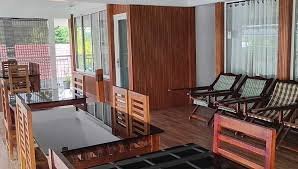
- Why Evaan’s Casa fits this search intent: We’re one of the few large homestays on a genuine island—spread across 1.5 acres with four guest rooms, a huge sit-out overlooking the paddy fields, and meals prepared from ingredients grown within 2 kilometers. You get space, privacy, and the backwaters right at your doorstep.
I woke up at 5:30 this morning. Not because of an alarm, but because the crows started their racket outside my window. I stepped out onto the sit-out, barefoot, the concrete still cool from last night’s rain. The mist hung low over the paddy fields. A single country boat drifted past, the old man rowing it barely making a sound. This is how my days start. Quiet. Slow. And honestly, I wouldn’t trade it for anything.
I’m Jackson Louis. I grew up on these backwaters, learned to swim in these canals, and spent my childhood jumping off the wooden jetties into the dark, warm water. Years later, I built Evaan’s Casa on this island. Not because I wanted to run a business. But because I wanted people to feel what I felt as a kid. That sense of space. Of stillness. Of being somewhere that hasn’t been polished for tourists.
So when someone searches for a “large homestay alleppey kerala,” I know what they’re really asking. They want room to breathe. They want a place that feels like home but bigger—where you can stretch out without bumping into other guests every five minutes. They want Kerala, but without the checklist of sightseeing stops.
Let me tell you what that actually means here.
What Is a Large Homestay Alleppey Kerala?
Look, here’s the thing. Most places in Alleppey that call themselves homestays are just guesthouses with a few rooms. They’re fine. But they’re not what I’d call a large homestay. A large homestay, the way I see it, means you have real room—inside and outside. At our place, that’s four guest rooms spread across two buildings. A big common sit-out where you can read, nap, or just stare at the water for hours. A garden that runs along the canal edge. Space for kids to run around without you having to chase them every two seconds.
When I designed Evaan’s Casa, I didn’t think about how many beds I could squeeze in. I thought about how it felt to walk through the property. The verandah is wide enough for a hammock and a low table. The dining area opens to the breeze. The bedrooms have windows on two sides so the air moves through. Nothing fancy. But everything generous.
A large homestay alleppey kerala isn’t about luxury. It’s about abundance of space. It’s about not feeling cramped. It’s about waking up and walking ten steps to the canal edge without stepping over someone’s luggage.
Some guests come here with extended family—three generations under one roof. Others come as a group of friends, taking over the whole place for a reunion. They all say the same thing: they didn’t realize how much they needed space until they had it.
We’ve had a family from Bangalore who spent an entire afternoon just sitting on the sit-out, watching a kingfisher hunt in the canal. They didn’t go anywhere. They didn’t need to. That’s the kind of stay this is.
Why Does the Island Location Matter?
Most people skip this but it matters a lot. Our island isn’t accessible by road. You take a boat. A short one—just six minutes from the main road. But those six minutes change everything.
When the boat engine cuts off and you step onto the island, the noise of the town disappears. No honking. No scooters. No one shouting into their phone. You hear the water lapping against the canoe. You hear the rustle of coconut fronds. Maybe a dog barking somewhere distant. It takes most guests about ten minutes to realize they’ve been clenching their jaw for the last six hours.
I’m probably biased, but I think the island location is what makes a large homestay alleppey kerala actually work. Without the island, you’re just a big house near a busy road. With it, you have the backwaters as your front yard and your backyard and your side yard all at once.
The boat runs on demand. You call the boatman on his mobile, he comes, you cross. It’s that simple. Most of our guests get used to it within a day. They start to enjoy the ritual. The slow drift. The breeze. The way the light changes over the water in the evening.
One thing I always tell new guests: don’t rush the boat ride. Stand up. Feel the boat sway. Look at the water hyacinths floating past. That’s not transit time. That’s part of your holiday.
What Home-Style Food Can You Expect Here?
Alright, let’s talk about food. Because if you’re coming to Kerala and you don’t eat well, you’re doing it wrong. But I need to be clear about something. The food at our homestay is not restaurant food. It’s home-style food. The kind that’s cooked in a Kerala kitchen every single day.
The kitchen at our homestay prepares traditional meals using ingredients sourced from the local market and sometimes from our own small vegetable patch. We don’t have a menu. We cook what’s fresh. What’s in season. What the fisherman brought this morning.
You’ll eat Karimeen Pollichathu if you’re lucky. That’s pearl spot fish, marinated in a paste of turmeric, chili, ginger, and garlic, wrapped in a banana leaf, and slow-cooked until the flesh is flaky and the leaf has infused its aroma into the fish. It’s served with steaming rice and a dollop of tangy coconut chutney. The banana leaf crackles when you open it. The steam hits your face. That’s a meal you remember.
On some evenings, there’s Kerala Sadhya served on a banana leaf. A spread of sambar, avial, thoran, pachadi, pickles, papadum, and payasam for dessert. You eat with your hand. You take your time. The rice is warm, the coconut oil in every dish is fragrant, and the combination of flavors—spicy, sour, sweet, bitter—hits every part of your tongue.
Breakfast is usually Appam with stew. The appam is lacy and crisp on the edges, soft in the center. The stew is mild—coconut milk base, vegetables or chicken, whole spices floating in the gravy. Or Puttu and Kadala curry. Steamed rice flour cylinders, light and fluffy, paired with a dark, richly spiced chickpea curry. It’s simple. It’s filling. It’s what we eat at home.
I don’t like to overcomplicate the food here. We’re not trying to impress you with presentation or fusion twists. We’re trying to feed you the way we feed our own family. Generous portions. Fresh ingredients. Made with attention, not stress.
Jackson’s Practical Tips for Visitors
I’ve been running this homestay for years now. I’ve seen guests arrive with all kinds of expectations. Some get it right. Some don’t. Here’s what I’d tell you if you were sitting across from me right now:
- Pack light but bring mosquito repellent. I’m serious. The backwaters are beautiful, but they’re also a breeding ground for mosquitoes, especially after sunset. We have nets and coils, but you’ll thank yourself if you bring a good repellent. Don’t bother with fancy clothes. Nobody cares what you wear here. Cotton shirts, shorts, flip-flops—that’s your entire wardrobe for the trip.
- Arrive before 4 PM if you can. The boat operates till late, but the light is best in the late afternoon. You want to see the island when the sun is golden, not when it’s dark. Plus, you’ll have time to settle in, have chai, and watch the sunset over the paddy fields. Trust me, it’s worth the early start.
- Don’t plan too much. Most guests arrive with a list of places to see—Alleppey beach, Kumarakom bird sanctuary, the backwater villages. And sure, you can do all that. But the best days here are the ones where you do nothing. Sit on the sit-out. Read a book. Take a nap. Eat when you’re hungry. Swim in the canal if you’re brave. This is not a “tick off the sights” kind of place.
- Try the toddy shop near the ferry point. It’s not fancy. It’s a thatched shack with plastic chairs and a few old men drinking palm wine from clay pots. But the food there is incredible—spicy beef fry, fish curry cooked in clay pots, fresh tapioca. Go before noon for the best selection. Most travel blogs won’t tell you about this place. I’m telling you because it’s the real Kerala.
- Bring a power bank. We have electricity, but the island is not immune to the occasional power cut. It’s part of life here. A power bank for your phone means you can still take photos, listen to music, or read without worrying about the battery dying. Also, download some offline maps. The mobile signal is decent but not perfect.
Some guests disagree with me on the “don’t plan too much” tip, and that’s fair. If you’re the type who needs a schedule, go ahead and make one. But I’ve seen the difference between guests who rush and guests who stay put. The ones who stay put always leave happier.
What Is the Best Time to Visit Alappuzha for a Large Homestay Alleppey Kerala?
This depends on what you want. Let me break it down by season.
Winter (November to February): This is peak season for a reason. The weather is pleasant—around 25 to 30 degrees Celsius during the day, cooler at night. The skies are clear. The backwaters are calm. You can sit outside without sweating through your shirt. This is the best time for houseboat rides, birdwatching, and long walks along the canals. The downside? It’s crowded. Every homestay and hotel is full. Prices are higher. If you want a large homestay alleppey kerala during winter, book at least three months in advance. I usually start filling up by August for December stays.
Summer (March to May): Hot. Humid. The sun is relentless from 11 AM to 4 PM. But here’s the thing—the crowds are gone. You’ll have the backwaters almost to yourself. The houseboat rates drop significantly. And if you’re okay with the heat, the mornings and evenings are still beautiful. The mango season starts in April. We get fresh mangoes from the trees on the island. Plus, the sunsets are spectacular—the sky turns shades of orange and pink that you don’t see in winter. If you can handle the sweat, summer is an underrated time to visit.
Monsoon (June to September): This is my personal favorite. I know most tourists avoid monsoon, but they’re missing out. The rain turns everything green. The backwaters swell. The canals fill up. The sound of rain on the tin roof is the most relaxing thing I know. The temperature drops. The air smells wet and earthy. The downside? Some boat services might be disrupted if the winds get strong. You’ll get wet if you step outside. But if you want a quiet, introspective holiday—where you read books, drink chai, and watch the rain pour—monsoon is perfect. Also, the rates are at their lowest. You can get a large homestay alleppey kerala for half the winter price.
Honestly, I’d say any time of year works if you come with the right mindset. The backwaters don’t change that much. What changes is your willingness to adapt to the weather.
Frequently Asked Questions About Large Homestay Alleppey Kerala
How far is the homestay from the main town of Alleppey?
We’re about 6 kilometers from the Alleppey town center. The boat ride takes 6 minutes from the parking area on the main road. Once you’re on the island, you’re completely away from the town noise. But if you need to go to the market, the boatman will take you. It’s not inconvenient—just different from staying in a hotel in the middle of town.
Is it safe for solo travelers, especially women?
Yes, it’s very safe. The island community is small and everyone knows each other. Our staff is always around. The rooms have secure locks. I’ve hosted solo female travelers from Germany, Japan, and the UK without any issues. That said, I always recommend letting us know your arrival time so we can coordinate the boat. You won’t be wandering around in the dark alone.
What should I bring for the stay?
Beyond the usual travel stuff, bring mosquito repellent, a flashlight or headlamp, comfortable cotton clothes, a swimsuit if you want to swim in the canal, and a light jacket for monsoon evenings. Don’t bring heels or fancy shoes. You’ll be walking on uneven ground, wooden jetties, and boat decks. Flip-flops or sandals are all you need.
Is WiFi available at the homestay?
Yes, we have WiFi. It works well for browsing, emails, and video calls. But I have to be honest—it’s not fiber-optic speed. The signal dips sometimes, especially during heavy rain. If you need to download large files or stream 4K video, you might struggle. Most guests find they don’t care after the first day. They’re too busy looking at the actual view.
Can I bring my kids here?
Absolutely. We’ve hosted families with young children many times. The property is open and safe. Kids love the garden, the canal, and the boat ride. We can arrange for a small cot if needed. Just let me know in advance. The only thing to watch out for is the water—the canal is deep in places, so keep an eye on little ones near the edge.
How much does a stay cost per night?
Rates vary by season. Winter is the most expensive. Summer and monsoon are more affordable. For an exact quote, it’s best to check our website or send us a message. I don’t like posting fixed rates because they change, and I’d rather give you accurate information. But I can tell you this: we’re not cheap, but we’re fair. You get a large homestay alleppey kerala with genuine hospitality, not a commercial operation.
A Final Thought Before You Pack
If you’ve read this far, you probably already know if this place is for you. It’s not for everyone. Some people need constant activity. They need restaurants and bars and nightlife and air conditioning that never stops. That’s fine. There are plenty of hotels in Alleppey for that.
But if you want to feel the backwaters—really feel them—then a large homestay alleppey kerala like ours is where you need to be. You’ll wake up to the sound of birds. You’ll eat food that tastes like it came from the earth. You’ll sit on the verandah and watch the light change over the water. You’ll talk to me or my staff about nothing in particular. You’ll slow down.
I’ve seen it happen a hundred times. Guests arrive looking tired, their shoulders tight. They spend the first day adjusting. The second day relaxing. By the third day, they’re different people. They smile more. They laugh at small things. They take longer to eat their meals.
That’s not a marketing pitch. That’s just what happens when you give yourself permission to stop.
If you’re ready for that, Evaan’s Casa is here. The boatman is waiting. The fish is being caught. The rice is being harvested in the fields nearby.
Come when you’re ready. Leave when you’re rested. That’s all I ask.
And if you have any questions I didn’t answer here, drop me a message. I don’t bite. I just live on an island in the backwaters, and I like talking to people who want to understand what that means.
Warmly,
Jackson Louis
Evaan’s Casa, Alappuzha, Kerala