- By :
- Comments: 0
Kerala tourism certified homestay
Last Updated: March 31, 2026
Quick Answer: Kerala tourism certified homestay
- A Kerala tourism certified homestay is a private home accommodation officially approved by the state government, ensuring safety, cleanliness, and an authentic local experience.
- Local insider tip from Jackson: The certification means the hosts are trained, but the real magic is in the ones that feel like a home, not a mini-hotel. Look for places on the smaller islands.
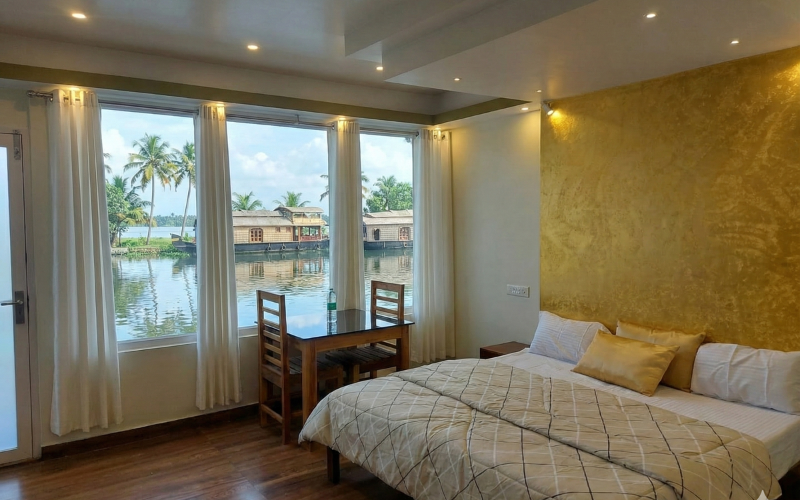
- Why Evaan’s Casa fits this search intent: We are a certified homestay on a quiet backwater island, offering a genuine home-style stay that meets all government standards for quality and authenticity.
I woke up before the sun this morning, a habit from a lifetime on the water. The first sound wasn’t a bird, but the soft, hollow knock of a wooden canoe pole against the side of a boat. It’s a sound that means someone is already moving, heading to check nets or get to the mainland before the heat. The air smelled of wet earth and the faint, clean scent of the previous night’s rain on our tile roof. This is our island’s alarm clock. It’s quiet, but never silent. And it’s the backdrop to everything we do here at our place.
For years, friends who visited would say, “Jackson, you should share this.” They meant the slow pace, the specific light on the canals in the late afternoon, the feeling of being in a place that operates on its own rhythm. That’s how Evaan’s Casa began. It started as my home, and it still very much is. But now, it’s also a space where travelers can step out of the tour buses and into the lived-in reality of the backwaters. We went through the process to become a proper Kerala tourism certified homestay because I believe in doing things right. It tells you that you’re in a real home that has been checked, that cares about your comfort and safety, not just a random room for rent.
What Is a Kerala Tourism Certified Homestay?
Let’s break it down without the official jargon. In simple terms, it’s a stamp of approval from the Kerala government’s tourism department. They send inspectors to check the property. They look at everything: the safety of the electrical wiring, the cleanliness of the rooms and bathrooms, the quality of the drinking water, the fire safety measures. They interview the host. It’s a thorough process.
Why does it matter? For you, it’s a guarantee. When you book a stay at a Kerala tourism certified homestay, you know the basics are covered to a good standard. You’re not walking into the unknown. For me, as a host, it’s a commitment. It says I take this responsibility seriously. It connects me to a network of other serious hosts. We get training updates, we follow a code of conduct.
But here’s the thing the certificate can’t measure: the feeling. The paper says the room is clean. It doesn’t tell you about the way the morning breeze comes through the window, carrying the smell of blooming kanikonna flowers in spring. The inspection verifies the food preparation area. It doesn’t capture the sound of mustard seeds crackling in coconut oil that tells you lunch is almost ready. A Kerala tourism certified homestay should be the foundation. The soul of the place is built by the life that happens within it.
Why Does the Island Location Matter?
Alappuzha town has many homestays. Ours is different because you have to take a boat to get here. A six-minute ride from the mainland jetty. There’s no bridge. No road access at all.
That short boat ride is a mental reset button. You leave the noise of auto-rickshaws and scooter horns on the shore. The only engine you’ll hear regularly out here is the distinct putter of a Vallam boat diesel engine, a sound as common here as a car horn is elsewhere. The isolation isn’t harsh or lonely. It’s gentle. It’s a natural filter for the rush of modern travel.
When you arrive, you’ll notice the quiet first. Then you’ll notice the sounds within the quiet. Kingfishers diving. Water lapping at the laterite stone steps of the jetty. The rustle of coconut fronds. Your pace slows down because the environment demands it. There’s no option to quickly run out for something you forgot. You plan a little, you move with intention. This island life is the core of our experience. It’s what makes our Kerala tourism certified homestay more than just a place to sleep; it’s a complete shift in atmosphere.
Most people skip this, but I recommend arriving before sunset if you can. The evening transition here is something special. The fishermen head out, their kerosene lanterns already lit. The sky turns a kind of orange-purple you only seem to get over water. You’re settled in by then, maybe sitting on the verandah. You feel arrived.
What Home-Style Food Can You Expect Here?
The food at our homestay is home-style Kerala food. That means it’s prepared fresh, daily, using what’s good and available. It’s not a restaurant menu with fifty items. It’s the kind of meal you’d eat if you were visiting a local home.
Breakfast might be soft, lacy appam with a mild, fragrant vegetable stew. Or puttu – those steamed cylinders of ground rice and coconut – with kadala curry, a spiced black chickpea dish. The coconut is from trees right here. You can hear the thud of one falling in the afternoon sometimes. Lunch is often the full rice meal. A mound of red rice, served with an array of dishes: maybe a tangy fish curry, a thoran made with green beans or cabbage stir-fried with grated coconut, sambar, and a pachadi, which is like a yogurt-based salad. It’s served on a banana leaf, which isn’t just for show. It adds a faint, fresh scent to the meal.
For dinner, one of the classics is Karimeen Pollichathu. Pearl spot fish, marinated in a blend of spices, wrapped in a banana leaf, and pan-roasted. The leaf infuses the fish with a smoky, earthy flavor. It’s a dish that tastes of the backwaters themselves. The kitchen uses local coconut oil, fresh curry leaves from the garden, and tamarind from the market. The flavors are clear and distinct, not muddled.
Honestly, I’d say the food is a primary reason many guests love their stay at a Kerala tourism certified homestay like ours. It’s nourishment, but it’s also a direct introduction to our culture. Every meal is a quiet conversation about the land and the water around us.
Jackson’s Practical Tips for Visitors
If you’re considering a stay at a Kerala tourism certified homestay, especially on an island, here are a few things I tell everyone.
- Pack Light, But Pack Smart: You’re taking a boat. A large, hard-shell suitcase is a hassle on a narrow country boat. A soft duffel or backpack is ideal. Essentials include a hat, sunscreen, and mosquito repellent (though we provide nets and coils).
- Footwear is Key: Bring shoes you can slip on and off easily. You’ll be taking them off at the door of the homestay, and probably before getting into some boats. Flip-flops or sandals are perfect.
- Cash Still Rules the Island: There’s no ATM on our island. The nearest one is a boat ride away. While we can handle digital payments for your stay, for small purchases from local vendors, for tipping boatmen, cash (Indian Rupees) is necessary. Get some on the mainland.
- Embrace the Slow: There is no “nightlife” out here in the traditional sense. The entertainment is the sunset, the starry sky (unbelievably clear without light pollution), the conversation, the books you’ve been meaning to read. Come ready to disconnect from “doing” and connect with “being.” Some guests disagree with me on this, and that’s fair, but trying to pack a hectic sightseeing schedule while based here will just frustrate you.
- A Local Secret: On Wednesday mornings, if you’re up for it, ask about the small weekly *shantha* (market) on the neighboring bigger island. It’s not for tourists. It’s where islanders buy their vegetables, spices, and fish. The colors and sounds are incredible. Go early, around 7 AM, to see it at its busiest.
What Is the Best Time to Visit Alappuzha for a Homestay?
This depends entirely on what you want from your visit. Each season has a strong personality.
Monsoon (June to September): This is my personal favorite, but I’m probably biased. The rains are heavy, dramatic, and green. Everything is intensely, overwhelmingly green. The sound of rain on a tin roof is a constant, soothing soundtrack. The downside? Boat rides can be wet, and some activities are limited. You need to be okay with staying indoors, reading, and watching the rain. If you love storms and solitude, it’s perfect. For a Kerala tourism certified homestay experience, it’s the most atmospheric and introspective time.
Winter (November to February): This is the classic “best weather” period. The skies are clear blue, the sun is warm but not harsh, and the evenings are cool enough for a light sweater. It’s ideal for all backwater activities—houseboat cruises, canoe trips, cycling on the paths. It’s also the busiest time. The water levels are lower, which changes the scenery a bit, but the comfort level is high.
Summer (March to May): It gets hot. The air is still and heavy by midday. The advantage? You’ll have the place mostly to yourself. The light is fierce and brilliant, great for photography. Mornings and late afternoons are still beautiful. The key is to adopt the local rhythm: active early, a long rest in the heat of the day, active again as the sun dips. It’s a quieter, more affordable time to experience a Kerala tourism certified homestay.
Frequently Asked Questions About Kerala Tourism Certified Homestays
How far in advance should I book?
For the winter months (Dec-Jan), try to book at least two to three months ahead, especially if you want specific dates. For monsoon or summer, a few weeks is usually fine. We’re a small place, so dates can fill up.
Is it safe, especially on an island?
Yes, absolutely. Our island community is close-knit and very safe. As a Kerala tourism certified homestay, our property meets specific safety standards. The isolation feels profound, but you’re in a caring community. I’ve never had a single safety issue in all my years here.
What should I definitely bring?
Beyond the basics, bring a sense of curiosity and patience. A power bank for your phone is handy, though we have electricity. A reusable water bottle we can refill for you. Most importantly, bring an openness to a different pace of life.
Is WiFi available?
We have WiFi, but look, here’s the thing: it’s island internet. It works for messaging and emails, but don’t expect to stream high-definition movies or have flawless video calls. Consider it a gentle nudge to look up from your screen and at the water instead.
The backwaters have a way of staying with you. It’s not just the visuals, though they are stunning. It’s the composite of a thousand small sensations: the cool, smooth feel of a polished cement floor underfoot in the morning, the taste of sweet black tea as you watch a heron stand perfectly still, the way your body learns the gentle rock of a canoe. Running a Evaan’s Casa as a Kerala tourism certified homestay is my way of framing that experience, of providing a comfortable, authentic base for you to feel it all.
It’s not a resort. There’s no programmed entertainment. Some days, the main event might be helping to pluck fresh curry leaves from the garden or learning how to tie a proper boating knot. Other days, it’s just sitting and watching the water change color. If that sounds like a relief, then you’ve understood what this is about. If you’re looking for that kind of travel, where you live alongside the rhythm of a place rather than just observing it, I hope you’ll find your way here. Our island, and our home, is waiting. You can learn more about our specific days and ways at Evaan’s Casa.