- By :
- Comments: 0
island stay Kerala
Last Updated: April 17, 2026
Quick Answer: island stay Kerala
- An island stay in Kerala is a homestay or small resort on a backwater island, accessible only by boat, offering a quiet, immersive experience away from road noise and towns.
- Local insider tip from Jackson: The best island stay Kerala experiences happen when you let go of a strict itinerary. The real rhythm is set by the water, the weather, and the local boatmen’s schedules.
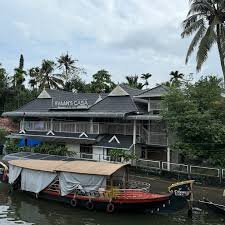
- Why Evaan’s Casa fits this search intent: We’re on a small, inhabited island in Alappuzha. It’s a real home, not a resort. You live with the pace of island life, eat home-style Kerala food, and get a genuine feel for the backwaters.
I woke up before the sun this morning, a habit from a lifetime here. The first sound wasn’t a bird or a boat, but the soft, heavy plop of a ripe jackfruit hitting the damp earth from the tree behind the house. The air was cool and carried the faint, permanent scent of water on old wood. I sat on the verandah steps with my tea, watching the mist cling to the tops of the coconut palms like cotton wool. This quiet hour, before the first country boat putters by with its load of fresh toddy or vegetables for the market, is the island’s secret gift. Most guests are still asleep, and the water is a sheet of grey silk. It’s my favorite time.
I’m Jackson Louis. This island, and this house, is where I grew up. A few years back, I decided to open it up as a homestay—Evaan’s Casa. The idea was simple. I wanted people to experience the backwaters not from a houseboat window, but from within. To feel the ground under their feet, to know their neighbors by name, to taste food made with things grown a few yards away. That’s the heart of it.
What Is an Island Stay Kerala?
Let’s clear something up first. When you search for an island stay Kerala, you’re probably not thinking of a beach resort. You’re thinking of the backwaters. And you’re right.
An island stay here means your accommodation is on one of the hundreds of small, often inhabited, islands that dot the labyrinth of lakes, canals, and rivers in Alappuzha and Kottayam. There are no bridges to these places. No roads. Your taxi or auto-rickshaw will drop you at a modest little jetty, and a boat will come to collect you. The transfer is usually short—five, ten, maybe fifteen minutes. But that short ride across the water is a total shift. The noise of engines and horns fades, replaced by the chug of a single outboard motor. The visual clutter of shops and wires melts away. You arrive somewhere quieter, greener, and slower.
It’s not a deserted island fantasy. People live here. You’ll see women washing clothes at the water’s edge, kids playing football in a clearing, men mending fishing nets. Your homestay is part of that community. An authentic island stay Kerala experience is about that gentle integration. You’re not in a sealed resort bubble. You’re a temporary neighbor. You hear the local gossip floating over the water, you buy bananas from the lady down the path, you wave to the postman as his canoe goes past. That’s the difference.
Why Does the Island Location Matter?
The six-minute boat ride from the mainland jetty to our island is more than a transfer. It’s a decompression chamber. I’ve watched hundreds of guests make that trip. They board looking a bit frazzled from the journey, phones in hand, talking about what they’ve just seen. By the time we round the final bend and the house comes into view, a quiet has settled over them. They’re just looking. Listening. The physical separation does something you can’t get from a place on a road.
No road access means no through traffic. There are no motorbikes zipping past at night. No delivery trucks. The only vehicles are boats. This creates a sonic environment that’s rare in modern India. The dominant sounds are natural: water lapping, palm fronds rustling, kingfishers diving, rain on a broadleaf. At night, it’s almost shockingly dark and quiet. You can see stars. You can hear frogs. That isolation isn’t loneliness; it’s a profound sense of peace. It forces you to settle into the place’s own rhythm.
Honestly, I’d say the island location matters most for what it removes. It strips away the easy distractions. There’s no popping out to a shop for a chocolate bar. If you want something, you ask, or you wait for the next boat. This might sound inconvenient, but it’s the very thing that makes an island stay Kerala so special. It simplifies your day. Your choices become about whether to read in the hammock or take a kayak out, whether to help harvest some greens from the garden or just watch the water change color as the sun sets.
What Home-Style Food Can You Expect Here?
The food is, without a doubt, a cornerstone of the experience. It’s traditional Kerala home cooking. The kind of food we eat every day, prepared with care in the kitchen at our homestay. This isn’t restaurant food, plated for show. It’s served with a practical warmth, often on a steel thali or, on special request, on a fresh banana leaf.
Breakfast might be soft, lacy appam with a subtly sweet coconut milk-based vegetable stew, or puttu—steamed cylinders of ground rice and coconut—with kadala curry, a black chickpea dish simmered with roasted coconut and spices. The smell of mustard seeds and curry leaves crackling in coconut oil is the aroma of our mornings. Lunch and dinner are rice-based. A typical meal includes boiled red rice, a fish curry (maybe a tart and fiery meen curry), a dry vegetable stir-fry (thor), a dal or sambar, and a pachadi—a cool yogurt-based side. There’s always a crunchy papadum and a spoon of spicy pickle.
For a real treat, we can prepare Karimeen Pollichathu. This is pearl spot fish, marinated in a masala paste, wrapped in a banana leaf, and pan-grilled until the leaf blackens. You open the packet at the table, and the steam carries an incredible fragrance of ginger, garlic, and green chili into the air. The fish is incredibly tender. On request, we can serve a full Kerala Sadhya, the traditional feast with a dozen different dishes arranged on a banana leaf. It’s a celebration of textures and tastes, from the creamy olan to the sharp inji puli.
Everything starts with what’s local and fresh. The coconuts are from our trees. The tapioca might be from a neighbor’s plot. The fish comes from the lake, bought directly from the fishermen who stop by. The spices are ground fresh. The result is food that tastes clean and direct. It’s nourishing. Some guests disagree with me on this, and that’s fair, but I believe you can’t truly understand a place until you’ve eaten its everyday food. The fancy stuff is for festivals. The daily meals tell the real story.
Jackson’s Practical Tips for Visitors
If you’re considering an island stay Kerala holiday, here are a few things I tell everyone. They’re simple, but they make a world of difference.
- Pack Light, Pack Smart: You’re crossing water to get here. A large, wheeled hard-shell suitcase is your enemy on a narrow country boat. A soft duffel or backpack is ideal. Bring comfortable, quick-dry clothing. You will get a bit damp on boat rides.
- Footwear is Key: Leave your fancy shoes behind. You’ll want something you can slip on and off easily (sandals, flip-flops) for around the house, and a pair of closed-toe shoes with grip for walking the island paths, which can be muddy and uneven.
- Embrace the Slow: Don’t try to pack three backwater activities into one day. The beauty of an island stay is that you don’t have to go anywhere. Read a book. Sketch. Chat. Watch the boat life. Let a day unfold without a plan.
- Most people skip this, but… Visit the local chayakada (tea shop) on the island. It’s a tiny shack by the main canal. For ten rupees, you get a strong glass of chai and a front-row seat to island life. The boatmen, the schoolteachers, the farmers—they all pass through. It’s the island’s news hub.
- Carry Cash: While we can handle digital payments at the homestay, the small local vendors, boatmen, and the tea shop operate on cash. Get some smaller denomination notes in Alappuzha town before you come.
- Ask About the Snake Boat Practice: If you’re here between August and November, ask if the local Vallam Kali (snake boat) teams are practicing. The power and synchronized chanting of 100 rowers in a 100-foot-long canoe is a visceral, unforgettable spectacle. It’s not a tourist show; it’s raw, local passion.
What Is the Best Time to Visit Alappuzha for an Island Stay Kerala?
This depends entirely on what you want from your visit. Each season paints the backwaters with a different brush.
Monsoon (June to September): This is my personal favorite, but I’m probably biased. The rains are heavy, sometimes relentless. The skies are a dramatic grey, and the water level rises, turning pathways into shallow streams. The green is almost overwhelmingly lush. The sound of rain on a tin roof is a constant, soothing percussion. The downside? Outdoor activities are weather-dependent. You might get stuck indoors for an afternoon. But if you love storms, solitude, and the smell of wet earth, it’s magical. Bring a good raincoat and a waterproof bag for your camera.
Winter (November to February): This is the classic, postcard season. The weather is perfect—sunny, warm days and cool, breezy nights. The humidity drops. It’s ideal for everything: kayaking, cycling on the island, long walks. It’s also the peak tourist season. The backwaters are busier with houseboats. While our island remains quiet, the overall atmosphere in the region is more bustling. Book well in advance.
Summer (March to May): It gets hot. Really hot, especially in April and May. The air is still, and the sun is intense. The advantage? You’ll have the place largely to yourself. The light is harsh but beautiful for photography at dawn and dusk. Mangoes are in season—an absolute delight. The best strategy is to be active very early in the morning, retreat to the shade or the cool of the house during the midday furnace, and re-emerge in the late afternoon. A swim in the backwaters (in a safe, designated spot) becomes a necessity, not a luxury.
Frequently Asked Questions About an Island Stay Kerala
How do we get to the island? Is it complicated?
Not at all. We provide clear instructions. You come to a designated jetty in Alappuzha (we’ll send a pin). I, or a member of our team, will meet you there with our boat. The ride is about six minutes. We help with your bags. The complication is only in people’s minds—the reality is a simple, pleasant boat trip.
Is it safe? What about mosquitoes?
Yes, it’s very safe. The island community is close-knit and looks out for each other. As for mosquitoes, they exist, like anywhere in the tropics. We provide mosquito nets over all beds and coils/plug-in repellents. The rooms are well-screened. In the evenings, using a bit of repellent if you’re sitting outside is wise. They’re worse just after the monsoon.
What should we definitely bring?
Beyond the packing tips above, bring a sense of curiosity and patience. A power bank for your devices is useful. A good book. Sunscreen and a hat are non-negotiable for most of the year. If you’re particular about snacks or a specific brand of coffee, bring a small supply, as the island shops are very basic.
Is WiFi available?
Look, here’s the thing. We have WiFi. It works. But it’s island WiFi, which means it’s subject to the whims of the weather and the local tower. It’s fine for messaging and emails. It is not reliable for streaming movies or large video calls. Part of the point of an Evaan’s Casa island stay Kerala experience is to disconnect a little. Consider it a feature, not a bug.
The light is changing now. The grey silk of the water has turned a deep orange, reflecting the last of the sun. A heron is standing statue-still on a post near the jetty, waiting for its dinner. Inside, the kitchen is sending out the evening’s smells—today it’s the tang of tamarind in the fish curry. This daily shift, from the cool quiet of dawn to the busy hum of day and back to the peaceful, insect-chirping night, is the rhythm I love.
An island stay Kerala isn’t about ticking sights off a list. It’s about feeling that rhythm in your own bones. It’s about the taste of a coconut you saw picked that morning. It’s about the friendly argument you overhear between two boatmen drifting past. It’s about the simplicity of a day where your biggest decision is which direction to paddle a kayak. If that sounds like what you’re looking for, then you’re thinking about it the right way. We’re here, on our little patch of earth and water, living a life that might feel very different from your own. And we’d be happy to share a piece of it with you. You can always learn more about Evaan’s Casa and what a stay here feels like. But really, the best understanding comes from crossing that short stretch of water and seeing it for yourself.