- By :
- Comments: 0
island homestay alleppey kerala
Last Updated: April 23, 2026
Quick Answer: island homestay alleppey kerala
- An island homestay in Alleppey, Kerala is a place to stay on a small island in the backwaters, offering a quiet, local experience away from the main tourist hubs.
- Local insider tip from Jackson: The best time to arrive is late afternoon, so your first boat ride in shows you the water turning gold as the day fishermen head home.
- Why Evaan’s Casa fits this search intent: We are a genuine home-style island homestay in Alleppey Kerala, on a family-owned island only reachable by a six-minute boat ride, focusing on quiet connection with the backwater rhythms.
I woke up before the sun this morning, like I usually do. The first sound wasn’t an alarm but the soft, wet slap of a wooden oar against the water. One of our neighbors was pushing off in his small canoe, heading to check his crab traps. The air was cool and carried the faint, clean smell of wet earth and blooming water hyacinths. I stood there with my tea, watching the sky shift from deep indigo to a soft, watery blue. This is the quiet pulse of the day here, a rhythm that hasn’t changed much in decades. It’s the heartbeat I want guests to feel when they search for an authentic island homestay in Alleppey Kerala.
What Is an Island Homestay in Alleppey Kerala?
Let’s clear something up first. When you hear “island” here, don’t think of palm-fringed beaches and ocean waves. Our islands are different. They’re patches of solid earth rising from a vast network of lakes, canals, and rivers. They’re woven together by water, not roads.
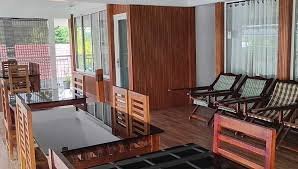
An island homestay in Alleppey Kerala is simply a family home on one of these patches of land, opening its doors to guests. It’s not a resort. There’s no lobby, no swimming pool shaped like a lotus, no buffet line. You live in a room in someone’s house. You eat the food prepared in that kitchen. You become part of the island’s daily rhythm for a few days.
The experience is defined by its constraints, in the best way. No cars. No constant noise. Your world shrinks to the size of the island, and your pace slows to the speed of a walking path or a paddled canoe. You notice more. The way the light filters through the coconut fronds. The industrious march of red ants along a fence post. The distant putter of a country boat engine, which is the sound of someone going to work or to market. This is the core of what we offer at our Evaan’s Casa.
It’s a specific choice. You come here to be away from Alleppey town, not in the middle of it. You trade convenience for a deeper, quieter sense of place. Honestly, I’d say if your goal is to see houseboats up close every minute, stay on the mainland. But if you want to understand the life that happens around those houseboats, this is it.
Why Does the Island Location Matter?
The six-minute boat ride from the pickup point to our island is more than just transport. It’s a threshold. As the shore recedes, you physically leave the busyness of mainland life behind. Your phone might lose a signal bar. The sounds of bikes and autos fade, replaced by water and wind. That short journey resets you.
This isolation creates a unique feeling of arrival. There’s a tangible shift. You’re not checking into a property; you’re stepping onto a piece of land surrounded by water. Your options are beautifully limited. You can read in the hammock. You can walk the single, winding path that circles the island—it takes about twenty minutes at a slow stroll. You can watch the coir-making process, where coconut husks are beaten and spun into rope right in someone’s yard.
No road access means everything arrives by boat. The vegetables, the drinking water, the gas cylinders, the guests. You start to appreciate the logistics of island life. You’ll see the postman in his narrow, blue-painted boat delivering mail. You’ll hear the bread-seller’s distinct horn around nine in the morning, signaling his floating bakery has arrived at the common jetty.
This isn’t for everyone, and that’s okay. Some guests feel a little restless by the second day. Most, though, sink into the slowness. They start identifying the different bird calls. They learn the boat schedule by sound. They experience the profound quiet of an island night, broken only by frogs and the gentle lap of water. This specific, contained experience is what defines a true island homestay in Alleppey Kerala.
What Home-Style Food Can You Expect Here?
The food is a central part of staying here. It’s not restaurant cuisine. It’s what we eat. The kitchen at our homestay prepares meals using vegetables from the island gardens, coconuts from our trees, and fish bought directly from the fishermen who tie up at our small dock.
Breakfast might be soft, lacy appam with a mild, fragrant vegetable stew, or puttu—steamed cylinders of rice flour and coconut—with kadala curry, a spiced black chickpea dish. The smell of roasting coconut for the chutney is a morning signal, as reliable as a rooster’s crow.
Lunch is often the main meal. You’ll eat from a banana leaf. There will be a fish preparation, maybe Karimeen Pollichathu, where pearl spot fish is marinated in spices, wrapped in a banana leaf, and pan-roasted. There will be a couple of vegetable thorans, dry stir-fries with grated coconut, and a sambar or rasam. The rice is local, red-grained or white, and it soaks up all the flavors. Every flavor is distinct, not muddled together.
Dinner is simpler. Maybe a leftover puttu from breakfast, warmed up with a banana. Or a dosa with fresh coconut chutney and a simple potato filling. The ingredients speak for themselves. You taste the earthiness of the turmeric root, the sharp freshness of the curry leaves plucked from the plant by the kitchen door, the creamy richness of the coconut milk squeezed that morning.
It’s honest, traditional home cooking. The meals are filling but not heavy. They change with what’s available. If the crab traps were good, there might be a fiery crab curry. If the monsoon mushrooms are out, you’ll see them in a coconut-based gravy. You eat with your hands, which feels strange at first but soon makes perfect sense. You become more connected to the texture and temperature of your food. It’s a quiet, daily ritual that grounds you to this place.
Jackson’s Practical Tips for Visitors
A few things I tell everyone who books with us. These come from seeing what makes a stay smooth and what trips people up.
- Pack Light, Pack Smart: You’ll be getting on and off a small boat. A large, wheeled suitcase is a nightmare on a narrow jetty and a muddy path. A backpack or soft duffel is king. Also, bring a small torch or use your phone’s flashlight. The island paths are not brightly lit at night, and it’s essential for walking safely after sunset.
- Clothing is Contextual: Light, breathable cotton is your friend. But please, dress modestly when you’re out on the island paths. This is a residential community, not a beach resort. Shoulders and knees covered is a simple sign of respect for our neighbors.
- Embrace the Boat Schedule: We coordinate boat pickups and drop-offs. Be ready on time. The boatman might be making multiple trips for supplies or other families. It’s not a 24/7 taxi service. Plan your day trips to Alleppey town or the Kumarakom bird sanctuary with this in mind.
- Most people skip this, but… Visit the local chayakada (tea shop) near the boat landing. It’s a tiny, tin-roofed shack. For ten rupees, you get a strong, sweet glass of chai and a view of local life you won’t get anywhere else. Listen to the boatmen and farmers discuss the price of coconuts or the day’s catch.
- Cash is Still Useful: While we can take digital payments at the homestay, the small stalls, the bread boat, or the coconut vendor on the path operate on cash. Keep some small notes handy for spontaneous purchases.
What Is the Best Time to Visit Alappuzha for an Island Homestay?
Every season paints the backwaters a different color. I’m probably biased, but I love them all for different reasons.
Monsoon (June to September): The landscape is intensely green. The rain is a constant, powerful presence. It drums on our tin roofs and turns the paths slick. The water levels rise, and sometimes the lower jetty steps vanish. It’s cool, moody, and incredibly dramatic. The downside? Boat trips can be cancelled if the weather turns fierce. You need to be okay with being truly, gloriously marooned with a book. If you don’t like constant rain, this isn’t your season.
Winter (November to February): This is the classic, postcard season. The air is clear and cool, especially in the mornings and evenings. The skies are a brilliant blue. It’s perfect for long, slow canoe rides without breaking a sweat. This is also the peak tourist season, so the main backwater canals near Alleppey can feel busy. Out on our island, though, it’s still peaceful. The nights can get surprisingly chilly, so pack a light sweater.
Summer (March to May): It’s hot. The sun is strong from late morning to mid-afternoon. The advantage? This is festival season. You might catch a traditional snake boat race practice session, with dozens of men rowing in sync to fierce drumbeats. The mangoes are in season—unbelievably sweet and juicy. Life happens early in the morning and late in the afternoon. You’ll appreciate the shade of our trees and the ceiling fan in your room. It’s a quiet, slow-burning time on the island.
There’s no single “best” time. It depends on what weather you enjoy and what kind of atmosphere you’re after. An island homestay in Alleppey Kerala has a different character in each season.
Frequently Asked Questions About Island Homestay Alleppey Kerala
How do we get to the island homestay?
We send a location pin to the boat jetty, which is about a 20-minute drive from Alleppey town. You can take an auto-rickshaw or taxi there. Our boatman will meet you at the jetty. The boat ride to our island takes about six minutes. We coordinate all this with you after you book.
Is it safe, especially with children?
Yes, it’s very safe. The community is small and close-knit. The main safety consideration is the water itself. The paths are close to the canal edges in places, so young children need to be supervised. We have life jackets for everyone for boat rides. The island itself is peaceful and crime is virtually unheard of.
What should we pack?
Beyond your usual clothes, I’d emphasize a few things: mosquito repellent (we have nets, but it’s good to have), a flashlight, comfortable slip-on shoes for the paths, a refillable water bottle, and a power bank. While we have electricity, having a backup for your phone is handy. Oh, and a plug adapter if your plugs are different from the Indian ones.
Is WiFi available?
We have a WiFi connection, but I have to be honest—it’s island WiFi. It works well for messaging and emails in the common area. It’s not strong enough for streaming high-definition videos or large video calls. Some guests disagree with me on this, and that’s fair, but I see the weak signal as a feature. It encourages you to disconnect a little and look at the water instead of a screen.
I hope this gives you a real sense of what it’s like to stay at a place like ours. It’s not a luxury product. It’s an experience of simplicity and slowness, tied to the water and the weather. It’s about the taste of a mango picked that afternoon and the sound of an evening prayer call drifting across the water from a temple you can’t see. If that sounds like what you’re looking for, we’d be happy to welcome you. You can learn more about our specific rhythms and how to plan your stay at Evaan’s Casa. Whatever you choose, I hope you find a quiet corner of the backwaters to call your own for a little while.