- By :
- Comments: 0
hygienic homestay alleppey backwaters
Last Updated: May 09, 2026
Quick Answer: hygienic homestay alleppey backwaters
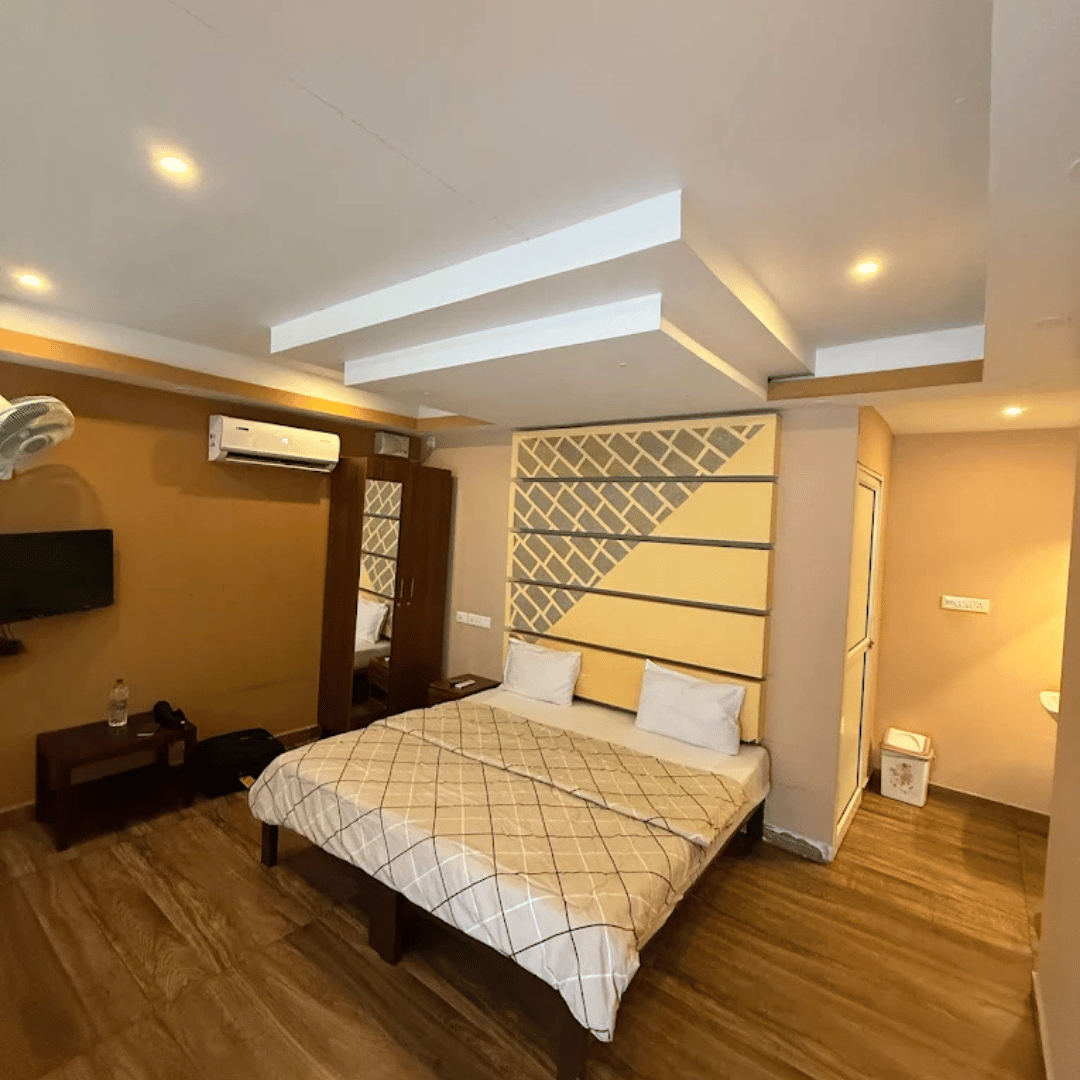
- A hygienic homestay in Alleppey backwaters means clean rooms, safe drinking water, and spotless bathrooms — often on small islands where waste is managed carefully and everything is washed with filtered water. I personally check every room each morning at our place.
- Local insider tip from Jackson: Most guests worry about hygiene in a village setting, but the truth is island homestays are often cleaner than hotels because we live here year-round and maintain everything ourselves. Look for places that dry their bedsheets in direct sunlight — that’s the old Kerala way.
- Why Evaan’s Casa fits this search intent: We’re a small island homestay with only five rooms, so every corner gets personal attention. No crowds, no shortcuts. Our kitchen follows strict cleanliness practices, and I can show you the water filtration system myself when you arrive.
I woke before the sun today. Not on purpose — that’s just what happens when you live on an island in the backwaters. The water lapping against the wooden stilts of our homestay sounds different at 5 AM. Softer. Like the lake is still half asleep.
I walked out onto the veranda barefoot. The floorboards were cool and damp from last night’s dew. A single houseboat motor hummed somewhere far away, probably heading to the Vembanad Lake ferry point. Most tourists won’t hear that sound for another two hours. That’s the thing about staying here — you get the quiet hours first.
I sat there for maybe ten minutes, just watching the water turn from grey to green as the light came up. A kingfisher sat on the same coconut palm branch he sits on every morning. I think he owns that spot now.
Look, here’s the thing. When I tell people I run a homestay on a small island in the Alleppey backwaters, they usually imagine something romantic. And sure, it is beautiful. But what they don’t see is the work. The scrubbing. The washing. The constant attention to things like drinking water and toilet cleanliness. That’s what makes a place truly hygienic.
And that’s what I want to talk about today.
What Is a hygienic homestay alleppey backwaters, Really?
Let me be direct with you. A hygienic homestay in Alleppey backwaters isn’t just about white sheets and a clean bathroom. Though yes, we have both. It’s about understanding what “clean” means in a place surrounded by water, humidity, and tropical heat.
Most people skip this but the biggest hygiene challenge here is moisture. Kerala is wet. Your towels don’t dry the same way they do in dry climates. Your pillowcases can smell musty by evening if they weren’t properly dried in the morning. So we do things differently. We dry everything in direct sunlight — not in the shade, not indoors. Sunlight is nature’s best disinfectant. My grandmother taught me that, and I’ve never found a machine that does it better.
Water is another thing. The backwater is brackish — a mix of fresh and salt water. You can’t drink it. You can’t even bathe in it without feeling sticky afterward. So every drop of water that enters our rooms goes through a filtration system first. I check the filters myself every Monday morning. That’s not a marketing line. That’s just what I do.
Honestly, I’d say a hygienic homestay Alleppey backwaters is one where the host treats cleanliness like a personal habit, not a service. Because when you’re living in the same space your guests sleep in, you can’t afford to be careless.
Why Does the Island Location Matter?
Our island is a six-minute boat ride from the mainland. No road access. No cars. No honking. You arrive by canoe or by a small motorboat, and the moment you step off, the whole pace of life changes.
That isolation does something to people. Within an hour, most guests stop checking their phones. They start noticing the dragonflies. They ask me questions about the coconut trees. They slow down.
But here’s what I don’t say in the brochures — that isolation also means we have to be more careful with hygiene. There’s no supermarket five minutes away. No laundry service you can call. So we do everything in-house. The bedsheets are washed in our own machines, dried on our rooftop, and ironed with a heavy charcoal iron that my father used when I was a kid. It takes time. But the results are obvious.
When you step into a room here, it smells like clean cotton and wood oil. Not bleach. Not chemical air fresheners. Just clean.
That’s the kind of hygienic homestay Alleppey backwaters experience I believe in.
What Home-Style Food Can You Expect Here?
Alright, let’s talk about food. Because this is where a lot of homestays trip up. They serve fancy dishes that look good on Instagram but don’t taste like Kerala. That’s not what we do.
The kitchen at our homestay prepares traditional home cooking. Nothing complicated. Nothing pretentious. Just honest food made with ingredients from the local market and our own backyard.
In the morning, you’ll likely wake up to the smell of fresh coconut being grated. That’s the base for most of our dishes. Appam with vegetable stew is a common breakfast — the appam is light and lacy, the stew is mild and creamy with coconut milk. Or sometimes puttu and kadala curry. Puttu is steamed rice flour and coconut layered in a cylinder, and kadala curry is a dark, spicy black chickpea gravy. It’s simple food, but the textures and flavors work together in a way that’s hard to explain.
Lunch is usually served on a banana leaf. That’s the Kerala way. You get a small portion of rice in the center, and around it come the sides — sambar, rasam, thoran (stir-fried vegetables with coconut), avial (mixed vegetables in yogurt and coconut), and a piece of fried fish or chicken curry if you eat meat. The whole meal is eaten with your hand. And honestly, it tastes better that way.
One dish I always recommend is Karimeen Pollichathu. It’s pearl spot fish — a local backwater fish — marinated in a paste of spices, wrapped in a banana leaf, and cooked slowly until the flesh is soft and the flavors have soaked in. The banana leaf gives it a smoky, earthy aroma that you can’t get any other way. We serve it with rice and a simple salad of cucumber and shallots.
Some guests disagree with me on this, and that’s fair — but I think the food here tastes better because it’s cooked slowly. No shortcuts. The coconut is grated fresh, the spices are ground by hand, and the fish comes from the backwater itself. That’s not something you can replicate in a city kitchen.
And yes, everything is prepared with the same attention to cleanliness. The vegetables are washed in filtered water. The kitchen surfaces are wiped down between each dish. I’ve had guests tell me they were nervous about eating street food or local home cooking because of hygiene concerns, but after staying here, they realized it’s actually safer than eating at restaurants. Because here, we know exactly what goes into every dish.
Jackson’s Practical Tips for Visitors
I’ve been hosting guests for years now, and I’ve learned a few things. Not all of them are in the guidebooks. Here’s what I tell everyone who books a stay here:
- Pack light, but bring mosquito repellent. The backwaters are beautiful, but they’re also a natural habitat for mosquitoes. We have nets over every bed and we burn neem leaves in the evenings, but a good repellent helps. Don’t rely on the ones sold in local shops — bring your own if you have a brand you trust.
- Carry a small torch or flashlight. The island has electricity, but power cuts happen during storms. Not often, but when they do, it’s completely dark. Like, can’t-see-your-hand dark. A small torch makes a big difference.
- Don’t book a houseboat for more than one night. Most guests think a two-night houseboat trip is romantic. It’s not. The engines are loud, the rooms are cramped, and the food is rarely as good as what you’d get at a homestay. One night is enough for the experience. Spend the rest of your time on land, or better yet, on an island.
- Learn to eat with your hand before you come. Not because you have to — we provide cutlery — but because it genuinely makes the food taste different. The sensation of mixing rice and curry with your fingertips changes how you experience the meal. Practice at home. It’s messy at first, but you’ll get it.
- Visit the Kuttamangalam market on a Thursday morning. It’s a small village market about 20 minutes by boat from our island. Nobody famous goes there. There’s nothing “Instagram-worthy” about it. But you’ll see real Kerala life — women selling vegetables they grew themselves, fish caught that morning, and old men drinking chai from stainless steel cups. That’s the backwaters you won’t see from a houseboat.
What Is the Best Time to Visit Alappuzha for a hygienic homestay alleppey backwaters?
This depends on what you want. Let me break it down honestly.
Winter (November to February): This is the peak season, and for good reason. The weather is pleasant — warm days, cool nights, low humidity. The backwaters are calm, the skies are clear, and you can sit outside without sweating. This is when we’re busiest, so book well in advance. The downside? It’s crowded. Every houseboat, every resort, every homestay is full. If you want quiet, this might not be your best time.
Summer (March to May): It’s hot. Really hot. Temperatures can hit 35°C (95°F), and the humidity makes it feel worse. But here’s the thing — the mornings and evenings are still beautiful. And you’ll have the place almost to yourself. The backwaters are less crowded, the prices are lower, and the sunsets are spectacular. Just plan your day around the heat. Early morning boat rides, afternoon naps in an air-conditioned room, and evening walks by the water.
Monsoon (June to September): This is my personal favorite, though most tourists avoid it. The rain comes hard and steady. The backwaters rise. The coconut trees sway in the wind. Everything turns impossibly green. The sound of rain on our tin roof is one of the most peaceful things I know. But — and this is important — some activities are limited. Houseboats don’t run in heavy rain. The water can get rough. And yes, mosquitoes are worse during this season. But if you’re looking for a hygienic homestay Alleppey backwaters experience where you can just sit and watch the rain, this is the time.
I’m probably biased, but I think every season has its own charm. The key is knowing what you’re signing up for.
Frequently Asked Questions About a hygienic homestay alleppey backwaters
How far is Evaan’s Casa from Alleppey town?
We’re about six minutes by boat from the nearest mainland point. From Alleppey town center, it’s roughly 20 minutes by auto-rickshaw to the boat jetty, then the short boat ride to the island. I usually arrange the boat pickup myself, so you don’t have to worry about finding us.
Is it safe to stay on a small island?
Yes, completely. The island is small enough that everyone knows everyone. Crime is virtually non-existent here. The biggest safety concern is probably stepping off the boat too quickly — the jetty can be slippery when wet. Just take your time, and I’ll be there to help you.
What should I bring for a hygienic homestay stay?
Besides mosquito repellent and a torch, bring a reusable water bottle. We provide filtered drinking water, so you don’t need to buy plastic bottles. Also bring a light rain jacket if you’re coming during monsoon, and comfortable footwear that you don’t mind getting muddy. Everything else — towels, bedsheets, soap — is provided.
Is WiFi available at the homestay?
Yes, we have WiFi. But I’ll be honest — it’s not super fast. We’re on an island, and the connection can be spotty during heavy rain. Most guests find they don’t need it much anyway. The backwaters have a way of making you forget about the internet.
Can I bring children to the homestay?
Absolutely. We’ve had families with kids as young as two years old. The island is safe for children — no cars, no traffic. Just keep an eye on them near the water. The backwater is deep in some places, and the current can be strong. We also have a small garden where kids can play.
How much does a stay cost?
Prices vary by season. Generally, a night at our homestay ranges from 2500 to 4500 Indian rupees, including breakfast and dinner. That’s roughly 30 to 55 US dollars. For that price, you get a clean room with an attached bathroom, all meals, and a level of personal attention you won’t find at a hotel. I think that’s a fair deal.
Final Thoughts — From an Island Host
I’ve been living on this island my whole life. I’ve seen the backwaters change — more houseboats, more tourists, more concrete. But the heart of this place hasn’t changed. It’s still about the water, the coconut trees, the quiet mornings, and the food made with care.
When you book a hygienic homestay Alleppey backwaters experience at our place, you’re not just renting a room. You’re stepping into a way of life that’s been here for generations. The clean sheets, the filtered water, the home-style meals — those aren’t extras. They’re just how we live.
I’ll be here when you arrive. I’ll help you carry your bags from the boat. I’ll show you to your room and ask if you need anything. And then I’ll leave you alone, because that’s the other thing about island life — we know when to be quiet.
Come see it for yourself. The water’s fine.