- By :
- Comments: 0
homestay with hot water
Last Updated: March 16, 2026
Quick Answer: homestay with hot water
- A homestay with hot water in the Kerala backwaters is a locally-run guesthouse that guarantees a hot shower, which is a genuine comfort after a day on the water or during the cooler monsoon evenings.
- Local insider tip from Jackson: Always ask if the hot water is from a solar heater or an electric geyser. Solar is great for sunny afternoons, but a backup geyser is a lifesaver on cloudy days or for early morning showers.
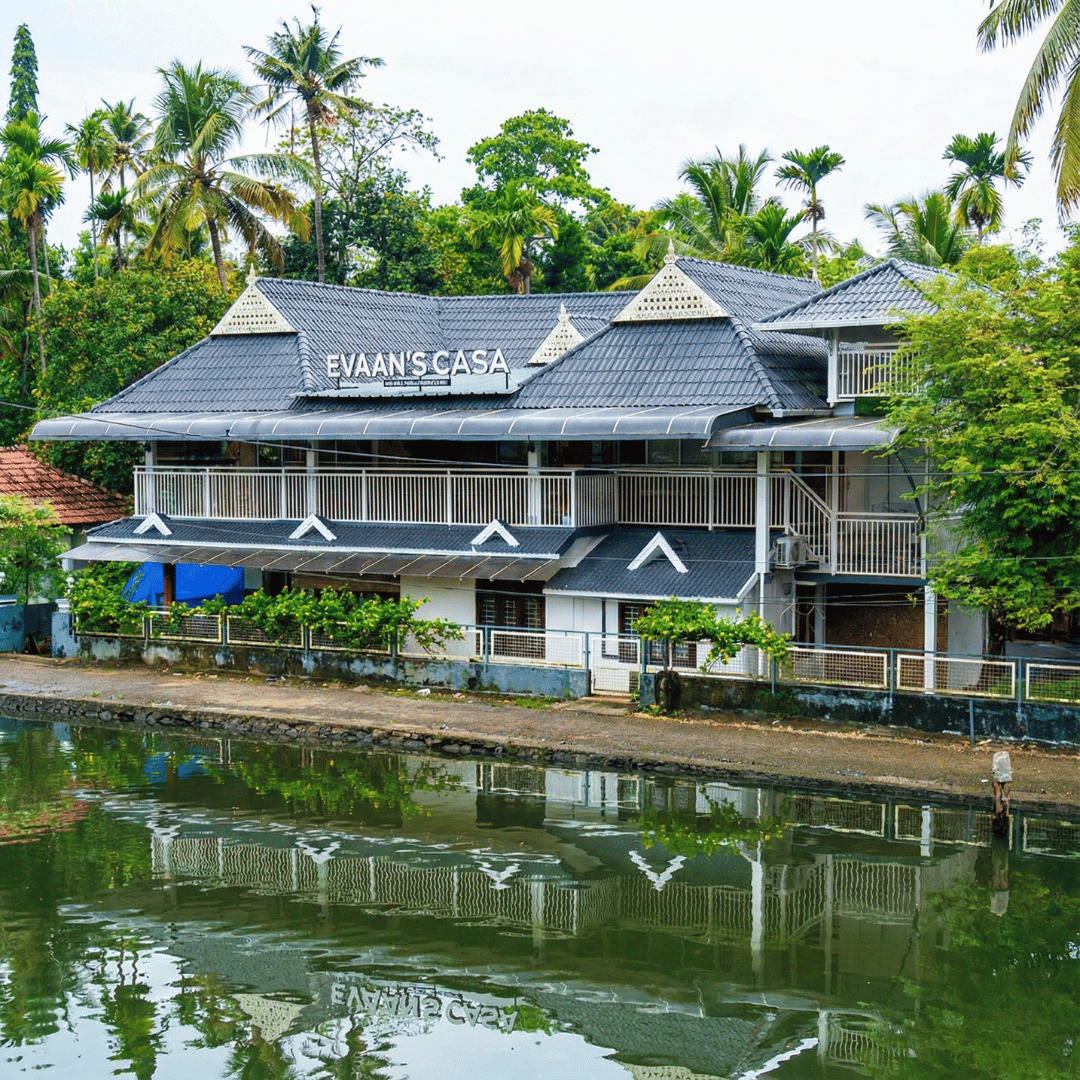
- Why Evaan’s Casa fits this search intent: We have a reliable solar system with an electric backup, so hot water is available day or night, rain or shine, which is essential for a comfortable island homestay experience.
I remember the sound of the rain first, a steady drumming on the broad teak leaves outside my window. It was just past five, the sky still a deep grey. The air had that cool, clean smell that only comes after hours of heavy rain. I got up and walked to the bathroom, the tile floor cool under my feet. I turned the tap, and after a moment’s rush from the pipes, the water came out warm. That simple, reliable heat in the quiet, damp morning felt like a small, profound luxury. It’s a feeling I want every guest here to have.
So much of the talk about Kerala is about the water outside—the canals, the lakes, the rivers. And rightly so. But the water inside, the simple promise of a hot shower at the end of a long day exploring, matters just as much. It’s a basic thing, but out here on our island, it’s a detail that defines comfort. It turns a place to sleep into a place to feel truly settled.
What Is a Homestay with Hot Water?
Let’s be plain about it. A homestay with hot water is exactly what it sounds like: a family-run place to stay that guarantees you won’t be taking a cold shower. In a lot of tropical travel writing, that gets glossed over. The focus is always on the palm trees and the paddle. But after you’ve been on a boat all day, or even just walking through our humid lanes, a cold shower can feel jarring. A hot one lets your muscles relax. It washes off the dust and the diesel smell from the public ferry.
It’s more than a plumbing feature. It’s a signal. It tells you the hosts have thought about the small, practical comforts that make travel smooth. In a traditional village house, hot water might have meant heating a pot on the stove. Now, it usually means a solar panel on the roof or a small electric geyser. The best homestays, in my opinion, have both. Solar for the sunny afternoons, a geyser for backup when the clouds roll in. That’s the standard we keep at our place.
When you’re searching for a homestay with hot water in Alappuzha, you’re really searching for a place that understands modern comfort within a very traditional setting. You want the authenticity of village life, but not at the expense of a basic amenity. Honestly, I’d say it’s one of the top three things guests are quietly happy about. Good food, a clean room, and a reliable hot shower. Get those right, and the rest is poetry.
Why Does the Island Location Matter?
The boat ride from the mainland jetty to our island is about six minutes. That short trip changes everything. There’s no bridge. No road access. Your auto-rickshaw drops you at the water’s edge, and from there, it’s just you and the lake. The ferry is a broad, wooden Vallam, its diesel engine puttering steadily. You watch the mainland recede, its noise fading into the slap of water against the hull.
When you step onto our island, the first thing you notice is the quiet. It’s a thick, living quiet, broken by bird calls and the distant sound of a fisherman casting his net. The air moves differently here. You are untethered from the rush of the town. This isolation isn’t loneliness; it’s a gentle removal. It allows you to sink into the rhythm of the place—the slow mornings, the afternoon lull, the brilliant sunsets over the water.
This isolation makes that homestay with hot water even more valuable. Look, here’s the thing: you can’t just pop out to a convenience store if you forget something. You are, in the best way, committed to the island experience. Having a comfortable base where everything works—where the water is hot, the bed is dry, the lights come on—is the foundation that lets you enjoy the wildness outside. The contrast is the whole point. The untamed beauty of the backwaters outside your door, and the simple, steadfast comfort within.
There’s a specific light here just before sunset. The water turns the colour of old copper, and the coconut palms become black silhouettes. You’ll hear the evening prayers from the small temple near the northern canal, a sound that carries perfectly over the still water. It’s a moment that feels suspended in time. And knowing you have a warm shower waiting, that you can wash off the day’s heat and stickiness before dinner, lets you soak in that moment completely, without a single practical worry.
What Home-Style Food Can You Expect Here?
The food is where the heart of Kerala is served on a plate. We focus on traditional home cooking, the kind of meal you’d eat in a local household. This means flavors are balanced, spices are used to enhance, not overwhelm, and coconut is in everything—as it should be. The kitchen at our homestay prepares meals with vegetables from the island gardens and fish bought fresh from the morning’s catch at the Nedumudy market.
Breakfast might be soft, lacy Appam with a mild, fragrant vegetable stew, or steamed Puttu cylinders with rich Kadala curry made from black chickpeas. The coconut chutney that comes with it is ground fresh daily, with a sharp hint of ginger and green chili. Lunch is often the star. You might have Karimeen Pollichathu, a pearl spot fish marinated in spices, wrapped in a banana leaf, and pan-roasted. The banana leaf infuses the fish with a subtle, smoky sweetness.
On request, we can serve a proper Kerala Sadhya. This is a feast served on a fresh banana leaf, with dozens of small dishes—different vegetables, pickles, chutneys, pappadums, and sambar, all leading up to a mound of rice and a serving of payasam, a sweet, milky dessert. It’s an experience, not just a meal. You eat with your hand, and the coolness of the leaf, the aroma of the various items, the way the flavors combine… it’s immersive.
Dinners are simpler, comforting. Maybe a yellow fish curry with mango, or a moru curry with buttermilk. The rice is always local red rice, nutty and substantial. The smell of mustard seeds crackling in coconut oil is the signature scent of our kitchen in the evening. It’s the smell of home here. I’m probably biased, but I think a meal like this, eaten after a day on the water, tastes better than anything in a fancy restaurant. It’s food that grounds you to this specific place.
Jackson’s Practical Tips for Visitors
Here are a few things I tell everyone who stays with us. Some are obvious, some most people don’t think about.
- Pack a soft bag, not a hard suitcase. You’ll be getting on and off boats, and walking down narrow paths. A backpack or duffel is infinitely easier to manage than a rolling suitcase.
- The last public ferry back to the island is at 7:45 PM from the mainland jetty. Miss it, and you’ll need to hire a private boat, which costs more. Plan your dinners in town accordingly, or just eat at the homestay.
- Bring a small flashlight or use your phone’s light. Our island paths have some lighting, but it’s patchy. The stars are incredible, but you’ll want to see the path under your feet.
- Most people skip this, but visit the local toddy shop. Not for the toddy (unless you want to try it), but for the seafood. They serve the freshest, simplest fried fish and prawns you’ll ever have, right on the water’s edge. It’s a local institution.
- Ask us to arrange a canoe trip at dawn. The village canoe tours during the day are great, but going out at sunrise is magical. The water is like glass, the birds are active, and you’ll have the canals to yourself. It’s worth the early wake-up.
What Is the Best Time to Visit Alappuzha for a Homestay with Hot Water?
Every season has its character, and that hot water comfort plays a different role in each.
Monsoon (June to September): This is my favourite time, but I know it’s not for everyone. The rains are heavy, sometimes relentless. The backwaters swell and turn a deep green. The air is cool, often dipping into the low 20s Celsius in the evening. This is when a homestay with hot water is non-negotiable. Coming back soaked to the skin from a walk and stepping into a hot shower is pure bliss. The downside? Some activities get cancelled, and the light can be dim for photography.
Winter (November to February): This is the classic tourist season for a reason. The weather is perfect—sunny days, cool, dry nights. The water is calm, ideal for houseboat viewing and canoeing. Mornings can be dewy and fresh. The hot water is less of a critical need, but it’s still lovely for a morning shower. The flip side is that everyone else is here too. The mainland is busier, and you need to book well in advance for a good homestay with hot water.
Summer (March to May): It gets hot. The sun is intense, and the air can feel thick by afternoon. You’ll want to schedule your exploring for early mornings and late afternoons. In this heat, some guests actually prefer a cool shower. But trust me, a warm shower in the evening is still better. It opens your pores and helps you cool down more naturally than icy water. It’s also the quietest season. You’ll have the island paths mostly to yourself.
Frequently Asked Questions About a Homestay with Hot Water
Is hot water available 24 hours at Evaan’s Casa?
Yes, it is. We use a primary solar heating system, which works great most of the time. We also have an electric backup geyser for cloudy days or if you want a shower very late at night or very early in the morning. We designed it this way because a reliable homestay with hot water shouldn’t depend on the weather.
How do I get to your island homestay?
You’ll take a public ferry or a private boat from the mainland jetty in Alappuzha. The ferry ride is short—about six minutes—and costs almost nothing. Once you book with us, we send very detailed instructions with photos of the jetty and boat. It’s easier than it sounds.
What should I pack for an island stay?
Light, breathable cotton clothes are best. A rain jacket is useful year-round. Good sandals for walking and something you don’t mind getting wet. Mosquito repellent is a good idea for evenings. And, as I mentioned, a soft bag instead of a hard suitcase makes the boat transfer much simpler.
Is WiFi available? What about mobile network?
We have WiFi at the homestay. It’s decent for checking emails and messaging, but I wouldn’t rely on it for streaming high-definition videos. The mobile network is generally okay, but it can be spotty in some corners of the island. Some guests disagree with me on this, and that’s fair, but I think the slight disconnection is part of the charm. It encourages you to look up from your screen.
So that’s the long and short of it. A homestay with hot water out here is about marrying a deep, authentic experience with a fundamental comfort. It’s about hearing the rain on a tin roof and knowing you can be warm and dry. It’s about the smell of woodsmoke in the morning mingling with the scent of your hot coffee. This island is my home, and the goal at Evaan’s Casa is to make you feel, for a few days, like it’s yours too. A place where you can be fully in the moment, because the practicalities are quietly taken care of. If you have more questions, just ask. We’re here. And the water’s always warm.