- By :
- Comments: 0
homestay in alleppey for weekend trip
Last Updated: April 24, 2026
Quick Answer: homestay in alleppey for weekend trip
- A homestay in Alleppey for a weekend trip means staying on a small island in the backwaters, not in the crowded town. You get real peace, home-style Kerala food, and a boat ride to reach your room.
- Local insider tip from Jackson: Skip the houseboat for just two nights. Stay on our island instead. You’ll actually sleep without the generator noise, and the food is far better than any floating kitchen can manage.
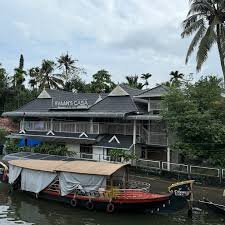
- Why Evaan’s Casa fits this search intent: We’re a working homestead on an island with no road access. Six minutes by boat from the mainland. You get a traditional Kerala meal on a banana leaf, a hammock by the water, and the real rhythm of backwater life — not a tourist version of it.
I woke up this morning to the sound of a Vallam boat engine puttering across the canal. Not an alarm. Not a car horn. Just the low diesel thrum mixing with the call of a kingfisher perched on the coconut palm outside my window. The air smelled like woodsmoke from the kitchen and the damp green of the paddy fields after last night’s rain. I walked out barefoot onto the porch, coffee in hand, and watched the sun climb over the palm fronds. This is how every morning starts here on our little island in Alappuzha.
Most people don’t know that feeling. They come to Alleppey for a weekend, cram into a houseboat that hums with a generator all night, eat mediocre food from a floating kitchen, and leave saying they “did the backwaters.” I get it. I do. But there’s another way. A quieter way. And honestly, I’d say it’s the only way to really understand why we call this place home.
I’m Jackson Louis. I run Evaan’s Casa on a tiny island in the middle of the Vembanad Lake. We have no road access. No cars. No honking. To get here, you take a six-minute boat ride from the mainland jetty. That short crossing changes everything. The noise of the town dissolves behind you. The air shifts. Your shoulders drop. And you realize — this is what you actually came here for.
What Is a Homestay in Alleppey for a Weekend Trip?
Look, here’s the thing. A homestay in Alleppey for a weekend trip isn’t a hotel room with a different name. It’s not a guesthouse with a reception desk and a TV bolted to the wall. It’s somebody’s home. A place where people live, eat, sleep, and argue about which curry needs more salt. When you walk into a real homestay, you’re walking into that life.
At our place, there are no room keys. No check-in counters. You arrive by boat, step onto the jetty, and I’m usually there waiting. Sometimes I’m in the kitchen. Sometimes I’m fixing a leak in the boat. But I’ll stop what I’m doing to show you to your room. The room itself is simple — high ceiling, four-poster bed, a window that opens onto the canal. No air conditioning, but you won’t need it. The breeze off the water does the job.
A homestay in Alleppey for a weekend trip should feel like you’ve been dropped into a different rhythm. The meals come at set times because that’s when we eat. The boat leaves at certain hours because that’s when the canal is quietest. You adjust to us, not the other way around. Most people find that refreshing. Some folks get uncomfortable with it at first. That’s fair. It’s not for everyone.
But for the ones who stay — the ones who sit on the porch at dusk and watch the bats fly out from the banyan tree — something clicks. They start breathing slower. They stop checking their phones. They ask me about the coconut harvest. That’s when I know they’ve found what they were looking for.
Why Does the Island Location Matter?
Because location is everything. And most homestays in Alleppey are on the mainland. They’re near the road. You can hear autorickshaws. You can hear buses. You can hear the guy selling fish on a bicycle. That’s not a bad thing if you want convenience. But if you’re looking for a homestay in Alleppey for a weekend trip that actually lets you disconnect, you need water between you and the world.
Our island sits in the middle of a network of canals that feed into the Vembanad Lake. There are about twenty families here. No shops. No restaurants. No roads. Just narrow pathways between coconut groves and paddy fields. The only way around is by foot or by boat. When the sun goes down, the only light comes from the houses and the stars. The only sound is the water lapping against the bank.
I remember one guest — a woman from Bangalore who worked in tech — she told me on the second night that she hadn’t slept more than four hours in months. The first night here, she slept nine. She said it was the silence. But it’s not silence, really. It’s the right kind of noise. The frogs. The crickets. The distant sound of a boat engine a kilometer away. That’s not silence. That’s the backwaters breathing.
The boat ride itself matters too. That six-minute crossing is a ritual. You leave the jetty, the town shrinks behind you, and by the time you reach our island, you’ve already started to slow down. I’ve seen people’s faces change in that short crossing. The tension in their jaws loosens. They start looking at the water instead of their phones. By the time they step onto our jetty, they’re already different people.
What Home-Style Food Can You Expect Here?
Let me tell you about the food. Because honestly, this is what people remember most.
The kitchen at our homestay operates on a simple philosophy — what grows together, goes together. The coconut oil comes from the trees on our island. The fish comes from the lake. The vegetables come from the small farms along the canals. Nothing is flown in. Nothing comes from a can. Everything is prepared the same way it has been for generations, using the same ingredients and the same techniques.
A typical lunch starts with a banana leaf spread on the table. Then comes the rice — hot, fluffy, steamed Kerala rice. Then the curries. A deep red chicken curry with coconut milk and whole spices. A light, tangy fish curry made with raw mango and turmeric. Thoran — finely chopped cabbage or beans stir-fried with grated coconut and mustard seeds. Sambar. Rasam. Pickle. Pappadum. And a dollop of fresh, homemade coconut chutney that you mix into everything.
The Karimeen Pollichathu is something special. Pearl spot fish, marinated in a paste of red chilies, turmeric, ginger, and garlic, wrapped in a banana leaf, and slow-cooked over coconut husk coals. The banana leaf imparts a smoky, earthy flavor that you cannot replicate on a gas stove. The fish comes out moist, flaky, and infused with the marinade. You eat it with your hands, pulling the meat off the bone, mixing it with rice and curry.
Breakfast is usually Appam with stew. The appams are light and lacy, with a soft, spongy center and a crisp, thin edge. The stew is a mild coconut milk gravy with vegetables like carrots, beans, and potatoes, sometimes with chunks of chicken or lamb. Or you might get Puttu and Kadala curry — steamed cylinders of rice flour and coconut, served with a dark, rich black chickpea curry that has been simmered for hours with coconut pieces and whole spices.
The food here is not fancy. It’s not plated with tweezers or drizzled with foam. It’s honest. It’s the kind of meal that makes you close your eyes on the first bite. The kind that leaves you full but not heavy. The kind that makes you ask for seconds even though you’re already stuffed.
And yes, everything is prepared right here. The kitchen is a small room with a wood-fired stove, a clay pot for the rice, and a grinding stone for the masala. The smoke from the coconut husks drifts through the house, carrying the smell of roasting spices. That smell stays with you. Guests tell me they can still recall it weeks after they’ve left.
Jackson’s Practical Tips for Visitors
I’ve been doing this long enough to know what works and what doesn’t. Here are a few things that will make your homestay in Alleppey for a weekend trip go smoother.
- Pack light and leave the heels at home. There are no paved roads here. The pathways are dirt and gravel. You’ll be walking barefoot or in flip-flops most of the time. Bring comfortable clothes that you don’t mind getting a little wrinkled. Cotton works best in the humidity.
- Bring a flashlight. The island goes dark at night. Really dark. There are a few solar lamps along the pathways, but they’re dim. A small torch or headlamp makes a huge difference when you’re walking back from dinner. Most guests forget this and end up using their phone flashlights, which drains the battery.
- Arrive before 4 PM. The boat from the mainland runs on a schedule. The last crossing is usually around 5:30 PM, but I recommend arriving by 3 or 4 so you have time to settle in, walk around, and watch the sunset over the lake. If you come after dark, you miss the best part of the first day.
- Don’t plan too much. A homestay in Alleppey for a weekend trip is not a sightseeing marathon. Don’t try to cram in the backwater cruise, the lighthouse, the temple, and the beach in one day. Pick one thing. Do it slowly. Come back and nap in a hammock. That’s the point.
- Try the toddy. If you drink, ask me about the local toddy shop on a nearby island. It’s a small thatched hut by the canal where they serve fresh palm wine. It’s cloudy, sour, slightly effervescent, and pairs perfectly with fried fish. But go early — they run out by noon.
What Is the Best Time to Visit Alappuzha for a Homestay in Alleppey for a Weekend Trip?
Every season here has a different face. None of them are bad. But some suit certain people better than others.
Winter — November to February. This is the most comfortable time. The temperature drops to around 22°C at night. The humidity is low. The skies are clear. The canals are calm. This is when the backwaters look postcard-perfect. Everyone wants to come in December, and I don’t blame them. But it’s also the busiest time. The town gets crowded. Prices go up. If you’re looking for a quiet homestay in Alleppey for a weekend trip, book well in advance.
Summer — March to May. It gets hot. Really hot. The afternoons can push 35°C with humidity that makes you feel like you’re breathing through a wet towel. But here’s the thing — the mornings and evenings are beautiful. The water is warm for swimming. The mangoes are in season. And the crowds are gone. I personally love this time. The island feels like it belongs to us again.
Monsoon — June to September. Most people avoid this season. I think they’re making a mistake. The rain comes in sheets. The canals rise. The air turns cool and green. The sound of rain on the tin roof is one of the most soothing things I know. The downside is that boat trips can be canceled if the wind picks up. And mosquitoes are more active. But if you want to read a book, drink chai, and watch the rain turn the lake into a rippling sheet of silver, this is your time.
Some guests disagree with me on this, and that’s fair. They prefer the winter. They want sunshine. But I’ll take a monsoon afternoon with a cup of spicy chai and the smell of wet earth any day.
Frequently Asked Questions About a Homestay in Alleppey for a Weekend Trip
How far is the homestay from Alleppey town?
It’s about a 6-minute boat ride from the mainland jetty, which is itself about 4 kilometers from the Alleppey town center. Total travel time from the town to our island is roughly 20 to 25 minutes, including the drive to the jetty and the boat crossing. Most guests find the short boat ride to be one of the highlights — it sets the tone for the weekend.
Is it safe to stay on an island with no road access?
Absolutely. I’ve lived here my whole life. The island is small and close-knit. Everyone knows everyone. There’s no crime to speak of. The biggest danger is slipping on a wet pathway after the rain, so watch your step. The boat is safe and well-maintained. I take it across myself multiple times a day. If there’s ever an emergency, I can get you to a hospital in Alleppey within 30 minutes.
What should I bring for a weekend stay?
Light cotton clothes, mosquito repellent, a flashlight, sunscreen, a hat, and a good book. If you’re coming in monsoon, bring a light rain jacket. Leave your fancy shoes and formal wear at home. You won’t need them. And bring an open mind — the pace here is slow, and that’s the whole point.
Is WiFi available at the homestay?
Yes, we have WiFi. But I’ll be honest with you — it’s not super fast. The connection comes through a local provider and the speed depends on the weather and the time of day. You can check emails, post photos, and scroll social media. But don’t plan on streaming movies or doing video calls. Honestly, I think that’s a feature, not a bug. Most guests find themselves using their phones less and less as the weekend goes on.
Can I bring my children to the homestay?
Yes, but with some caveats. The island is safe, and kids love the boats, the animals, and the freedom to run around. But there’s open water everywhere, and the pathways can be uneven. You’ll need to keep a close eye on younger children. We don’t have any special kid-friendly facilities — no playground, no kids’ menu. It’s just real life on an island. Some families love that. Others find it challenging. I’d recommend it for children aged six and above.
How much does a weekend stay cost?
It varies depending on the season and the room. Typically, it ranges from ₹3,500 to ₹6,000 per person per night, including all meals and the boat transfer. That’s considerably less than a houseboat for the same duration, and you get far better food and a more authentic experience. I don’t like to haggle over prices, but I do offer discounts for longer stays and for repeat guests.
Wrapping This Up
I’m probably biased, but I think a homestay in Alleppey for a weekend trip is the best way to experience these backwaters. Not the rushed houseboat tour. Not the crowded resort with a pool. Just a simple room on a small island, good food, and the slow rhythm of life by the water.
I’ve seen guests arrive stressed, tired, half-present. I’ve seen them leave with a different look in their eyes. Softer. Slower. They talk about coming back. Some of them do. Some of them become friends. That’s the part of this work that keeps me going.
If you’re considering a weekend here, I’d be happy to have you. The boat is ready. The kitchen is lit. The hammocks are waiting. Just send me a message or check out Evaan’s Casa for more details. And when you arrive, I’ll be at the jetty, waiting with a smile and a fresh cup of chai.
Come see what the quiet feels like.