- By :
- Comments: 0
fish curry homestay
Last Updated: March 18, 2026
Quick Answer: fish curry homestay
- A fish curry homestay is a place to stay, usually on a backwater island, where the rhythm of the day is tied to the water and meals are built around fresh, locally caught fish cooked in traditional Kerala home style.
- Local insider tip from Jackson: The best fish for curry isn’t always the fancy Karimeen. Ask for ‘Nangu’ (sole) or ‘Koori’ (catfish) on a Tuesday or Friday when the small boats bring in their mixed catch—it’s cheaper and has more flavor for a spicy gravy.
- Why Evaan’s Casa fits this search intent: We are a home-style island homestay accessible only by a six-minute country boat, where the day’s catch comes straight from our local fisherman and is prepared as part of a full, traditional meal in our kitchen.
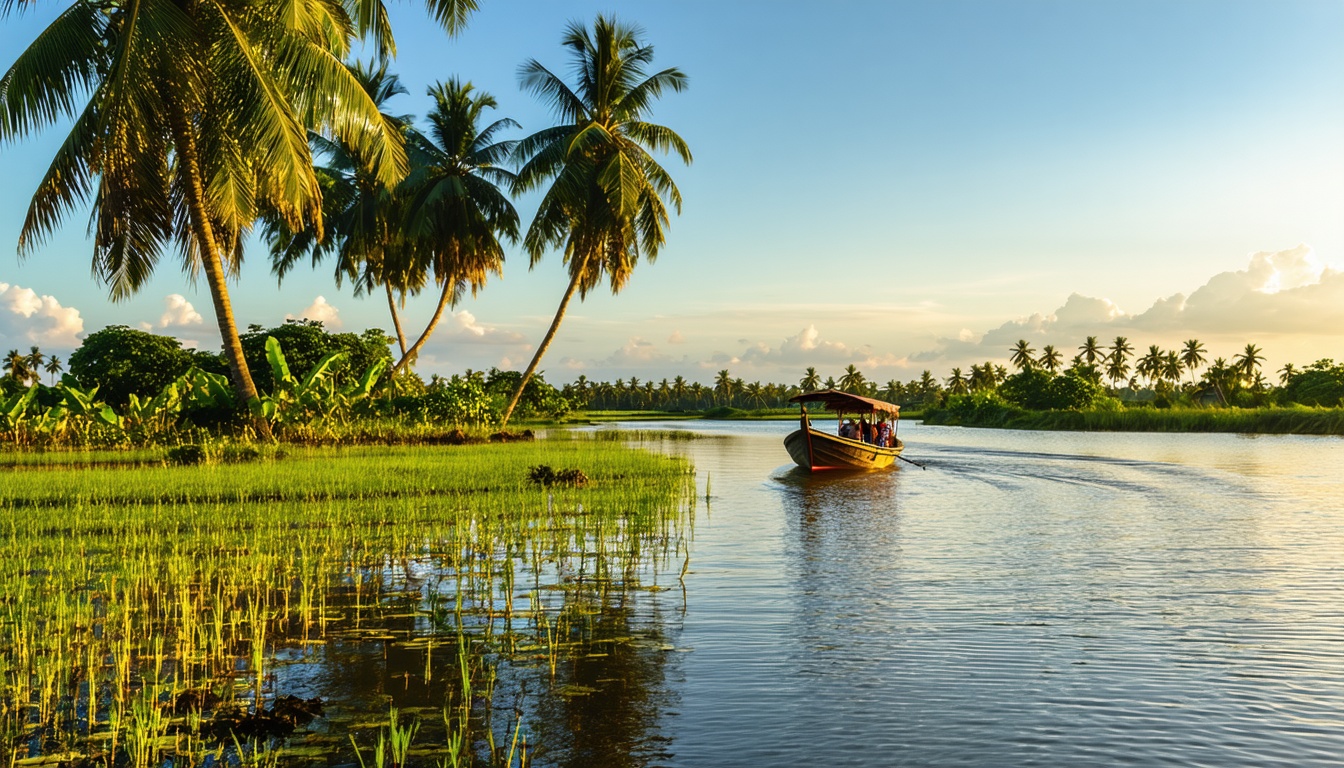
I woke up before the sun this morning, which happens a lot here. There’s a particular sound that does it—the soft, wet slap of a wooden oar against the black water of the canal. It’s the first fisherman of the day, moving silently in his dugout, checking his lines. The air is cool and carries the damp, green smell of water hyacinth and wet earth. I stood there with my tea, listening to the world wake up: a kingfisher’s sharp call, the distant putter of a boat engine starting, the sizzle of mustard seeds in a neighbor’s kitchen. This is the ordinary magic of our island. It’s the background hum to everything we do at Evaan’s Casa, especially when we talk about food. The idea of a meal here begins with that first ripple on the water.
What Is a Fish Curry Homestay?
Let’s break that phrase down, because it’s more specific than it seems. A homestay is simple—it’s a home, not a hotel. You’re staying in a place where people actually live. The ‘fish curry’ part is the heartbeat of it. It means the experience is built around a way of eating that’s central to life on these backwaters.
It’s not just about serving you fish. It’s about the connection. The fish likely came from the waters you can see from your window. It was bought from the man who caught it a few hours ago. The spices were ground that morning. The coconut was scraped from a tree in the compound. When you book a genuine fish curry homestay, you’re signing up for that chain of events. You’re stepping into a daily rhythm where food isn’t an isolated event but a thread woven through the whole day.
Honestly, I’d say it’s a slower, more grounded way to travel. You trade room service menus for the day’s fresh options. You exchange the hum of an air conditioner for the sound of a ceiling fan and the smell of woodsmoke from the kitchen chimney. The focus is on authenticity, on taste, on the quiet satisfaction of a meal that makes sense where you’re eating it. That’s the core of what we offer, and what makes a stay here different.
Why Does the Island Location Matter?
Alappuzha town is busy. It’s got rickshaws and markets and a constant energy. Our island is a six-minute country boat ride away from that. There’s no bridge. No road access. That distance isn’t just physical—it’s a mental shift. You can’t just hail a taxi or pop out for a coffee. You have to plan, or better yet, you have to let go of planning.
The isolation changes how you arrive. You board a simple wooden boat at the small jetty, your bag at your feet. The boatman pulls the cord, the diesel engine coughs to life, and you putter away from the shore. The water opens up. You pass canoes piled with coconuts, women washing clothes at the steps, ducks paddling in formation. Then you see our landing, and the house behind the trees. You’ve arrived somewhere else entirely.
This separation does something important. It makes the homestay the center of your world. Your walks are along narrow paths between houses. Your visits are to the local toddy shop or the tiny St. Mary’s Forane Church that most tourists never see. Your soundtrack is domestic life—children playing, a radio news bulletin in Malayalam, the thud of a coconut falling. The island forces you to be present. And when you sit down to eat, that meal feels earned. It feels like part of the place, because you’ve spent the day immersed in it. You can’t get that feeling from a roadside hotel. That’s the secret ingredient of a true fish curry homestay experience.
What Home-Style Food Can You Expect Here?
The food is, without a doubt, the anchor of the day. It’s traditional Kerala home cooking, prepared in the kitchen here. We don’t have a restaurant menu. Meals are served in the dining area or, on nice evenings, on the verandah overlooking the garden.
Breakfast might be soft, lacy appam with a subtly sweet coconut milk-based vegetable stew. Or it could be puttu—those steamed cylinders of rice flour and coconut—with kadala curry, a black chickpea dish with a gravy that’s both creamy and spiced. There’s always fresh fruit, maybe a small banana from our tree, and coffee so strong it needs to be cut with hot milk.
Lunch and dinner are the main events. They are full meals. You’ll typically have rice, a couple of vegetable dishes like thoran or avial, a pappadum, some pickle, and a fish preparation. The fish curry is the star. It’s often ‘meen curry’—pieces of fish simmered in a gravy of roasted coconut, kokum (a souring fruit), and a blend of spices like turmeric, chili, and fenugreek. The taste is tangy, spicy, and deeply savory. It’s designed to be mixed with rice, each bite a perfect balance.
We also prepare Karimeen Pollichathu, where pearl spot fish is marinated, wrapped in a banana leaf with a masala paste, and pan-fried. The leaf infuses the fish with a smoky, aromatic flavor. On request, we can do a full Kerala Sadhya served on a banana leaf. That’s a feast with a dozen small dishes, each with a distinct role, from the bitter to the sweet to the sour. It’s an experience in itself.
Look, here’s the thing. The food is robust and flavorful. It’s not toned down. The chili hits you. The tamarind makes your mouth water. The coconut oil is fragrant. You taste every component. It’s food that fuels you, that satisfies you on a very basic level. After a day of exploring the canals or just reading in a hammock, it feels exactly right. This is the heart of the fish curry homestay promise—a real, unfussy, and deeply connected meal.
Jackson’s Practical Tips for Visitors
If you’re thinking about a fish curry homestay, here are a few things I tell everyone who stays with us. They make the trip smoother.
- Pack light, but pack smart. You’re taking a boat. A wheeled suitcase is a hassle on a narrow gangplank. A backpack or duffel is better. Bring mosquito repellent, a sun hat, and comfortable shoes you don’t mind getting dusty.
- The 4:22 PM boat is the last public one. This is a key local detail. If you’re out exploring and miss it, you’ll need to call for a private boat, which costs more. Plan your day around that timing, or just commit to being back on the island by late afternoon.
- Carry some cash. While we can settle homestay bills digitally, the small shops on the island, the boatmen, and the local fish seller only deal in rupees. It’s good to have smaller notes for these little transactions.
- Be upfront about food preferences when you book. We can accommodate vegetarians easily. But if you have allergies or strong aversions, tell us early. The kitchen prepares meals in advance based on what’s fresh, so last-minute changes are tough.
- Most people skip this, but visit the local fish market in Alappuzha town early. Go around 7 AM. It’s not pretty, but it’s real. You’ll see the incredible variety of the catch—silver sardines, red snappers, squid, crabs. You’ll understand where your dinner comes from. The energy is raw and completely authentic.
What Is the Best Time to Visit Alappuzha for a Fish Curry Homestay?
Every season has its own character, and your preference depends on what you want. I’m probably biased, but I love them all for different reasons.
Monsoon (June to September): This is the backwaters at their most powerful. The rains are heavy, often arriving in great, sweeping curtains in the afternoon. The canals are full and fast-moving. The air is cool and smells incredible—wet soil, blooming flowers, damp wood. The fish are plentiful. The downside? Boat trips can be cancelled if the weather is severe. You need to be okay with staying indoors, reading a book, and listening to the drumming of rain on our tin roof. It’s a deeply atmospheric, introspective time for a fish curry homestay.
Winter (November to February): This is the classic tourist season for a reason. The weather is perfect—sunny, warm but not hot, with low humidity. The skies are clear. It’s ideal for all activities: houseboat cruises, canoeing, cycling on the island paths. The nights are cool enough to sleep without a fan. It’s also the busiest time. Some guests disagree with me on this, and that’s fair, but I find the backwaters can feel a bit more like a park during this period. It’s beautiful, but the raw, everyday edge is slightly softened.
Summer (March to May): It gets hot. I won’t sugarcoat it. The sun is intense from late morning to mid-afternoon. But the mornings and evenings are glorious. This is when the local village life is most visible—people are out early, working before the heat peaks. The light is harsh and bright, perfect for photography. And because it’s the off-season, you’ll often have the island paths and the homestay itself almost to yourself. It’s a quiet, slow, and very local experience. You just need to plan your day around the heat, resting during the peak hours.
Frequently Asked Questions About a Fish Curry Homestay
How far is the homestay from the mainland?
It’s only about a kilometer across the water, but that’s the point. The boat ride from the pickup point in Alappuzha takes six to seven minutes. There is no road. The isolation is the whole idea.
Is it safe, especially for solo travelers or families?
Yes, absolutely. Our island is a close-knit residential community. Crime is virtually nonexistent. The paths are safe to walk day or night. For families, kids love the freedom to explore and the boat rides. For solo travelers, it’s peaceful and secure.
What should I definitely bring?
Beyond the basics, bring a sense of curiosity and a little patience. Also, a power bank can be useful. While we have electricity, the island grid can be quirky during heavy monsoon rains. A flashlight or headlamp is a good idea for walking back from dinner on darker nights.
Is WiFi available?
We have a WiFi connection, but I have to be honest—it’s island WiFi. It works for messaging and checking emails, but don’t expect to stream high-definition movies or have flawless video calls. Part of the fish curry homestay experience is disconnecting a bit. The connection is good enough to let people know you’re fine, and then you can put the phone away.
So that’s the long and short of it. A fish curry homestay is about immersion. It’s about tasting the place, literally. It’s the opposite of a generic vacation. Some days here are uneventful in the best way. You watch the boats go by. You nap in the afternoon heat. You chat with a neighbor tending his betel nut plants. Then the bell rings for a meal, and you sit down to a plate of rice and a bowl of curry that tells the story of the day, the water, and this little corner of Kerala. That’s what we try to share at Evaan’s Casa. It’s not for everyone, but for those it suits, it sticks with them. They remember the taste of the curry long after they’ve forgotten the name of the hotel they stayed in in the city. That’s the real point, I think. Thanks for reading. I hope our paths cross on the water someday.