- By :
- Comments: 0
discount homestay alleppey kerala
Last Updated: May 12, 2026
Quick Answer: discount homestay alleppey kerala
- A discount homestay alleppey kerala is a budget-friendly, home-style accommodation on the backwaters. You get a real room, real food, and real local life — not a hotel experience. I run one on a tiny island called Kainakary, and it’s a six-minute boat ride from the nearest road.
- Local insider tip from Jackson: Most people book the expensive houseboats for a night and miss the real Alleppey. Stay on the island for at least two nights. The morning mist on the paddy fields and the sound of oars dipping into still water — that’s the Alleppey you came for.
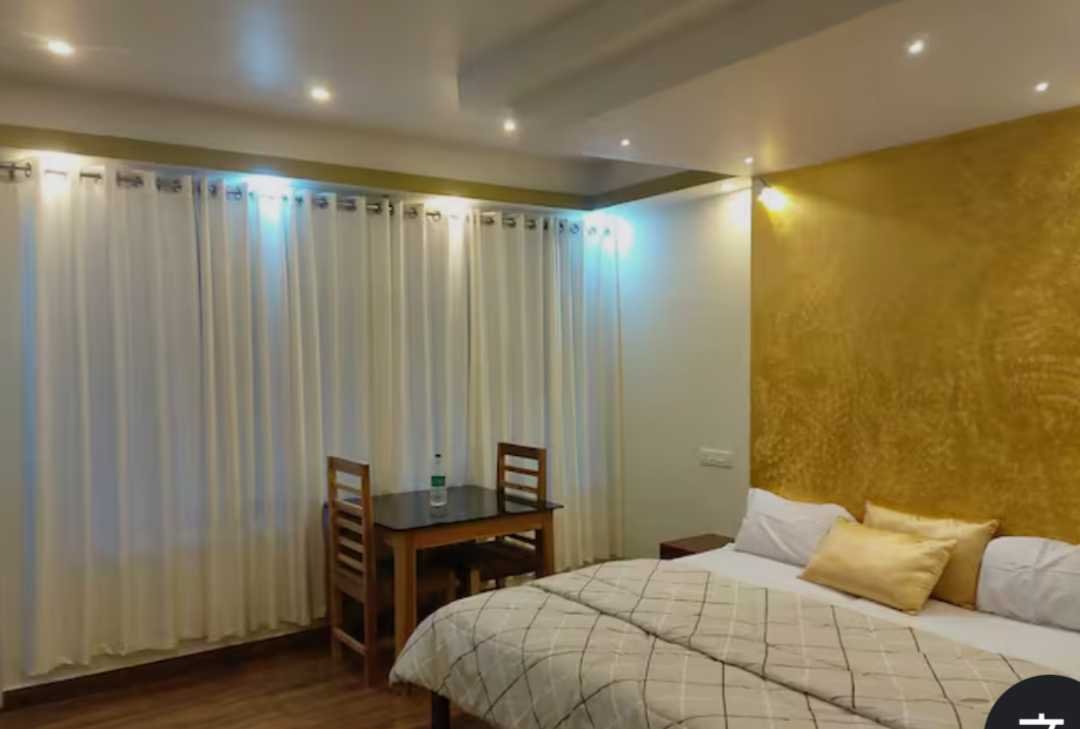
- Why Evaan’s Casa fits this search intent: We offer genuine island living at a price that doesn’t hurt. No frills, no fake luxury. Just a clean room, a hammock by the water, traditional meals prepared here, and the quiet hum of the backwaters. That’s the discount. That’s the real thing.
The diesel engine of the Vallam boat coughs awake at 5:45 AM. I hear it from my window, across the canal, where the boatman ties up at the small jetty by the coconut grove. Most mornings, the air smells of wet earth and woodsmoke from the neighbour’s kitchen. I step out onto the narrow path, and the water is so still it looks like black glass. Not a ripple. Just the reflection of the palm fronds and the pale sky. I’ve been doing this for years now, running a small homestay on this island in Kainakary, and I still feel that quiet jolt when I see it. This is my home. This is what we offer. I’m Jackson Louis, and I want to tell you about staying at a discount homestay alleppey kerala — the kind that doesn’t pretend to be something it’s not.
Look, here’s the thing. Alleppey gets crowded. The main town is loud with auto-rickshaws and tourist shops selling the same wooden elephants. The houseboats are beautiful, sure, but they float in a line, one after another, and you hear the generator of the boat next door. That’s not why you came to Kerala. You came for the backwaters. You came to feel the water underneath you, to hear birds you can’t name, to eat food that tastes like it was grown in the garden outside. That’s exactly what a discount homestay alleppey kerala gives you. No fluff. No five-star lobby. Just a real room on a real island, with real people who live here.
What Is a Discount Homestay Alleppey Kerala?
Honestly, I’d say it’s the best way to see this place without burning a hole in your pocket. A discount homestay alleppey kerala isn’t a cheap motel. It’s not a hostel with bunk beds. It’s a family-run place — I run mine alone, with help from a few local lads — where you stay in a room that’s part of a home. Our island, Kainakary, is about six kilometres from the Alleppey town centre. But you don’t drive here. You take a boat. A small one, usually a canoe or a Vallam, and the whole trip takes six minutes. That’s it. Six minutes from the road, and you’re in another world.
Most people skip this. They book the big hotels on the mainland and take a day trip on a houseboat. But a day trip is just a floating restaurant with a view. You don’t get the evening. You don’t watch the sun set over the paddy fields while a kingfisher sits on a bamboo pole. You don’t feel the cool air roll in off the water at night, carrying the smell of coconut flowers. A discount homestay alleppey kerala gives you that. It gives you time. And time, in the backwaters, is the real luxury.
Why Does the Island Location Matter?
I’m probably biased, but I think the island is everything. Our place sits on a narrow strip of land, maybe a hundred metres wide, surrounded by canals on both sides. There’s no road. No cars. No honking. The only sound is water slapping against the bank, and the occasional call of a boatman. When guests arrive, they’re always a little nervous. They stand at the jetty with their bags, looking across the canal at the green island, and they ask, “Are we going there?” I nod. They step into the boat, and I can see their shoulders drop. The tension leaves them. By the time we reach the other side, they’re already smiling.
The isolation is real. You can’t just walk to a shop. There’s a small grocery on the island, run by an old woman named Thankamma, but it closes by 7 PM. If you need something after that, you wait until morning. Some guests find this unsettling. Most find it liberating. There’s something about being cut off from the road, from the noise, from the constant buzz of traffic, that lets you breathe. The discount homestay alleppey kerala experience is built on that isolation. It’s not a bug. It’s the whole point.
What Home-Style Food Can You Expect Here?
Food at Evaan’s Casa is a big deal. Not because we try to be fancy, but because the ingredients are so fresh. The fish comes from the canals. The coconut comes from the trees in the yard. The rice is from the paddy fields you can see from your window. We prepare traditional meals here, and I mean traditional. Karimeen Pollichathu — pearl spot fish marinated in a paste of chilli, turmeric, ginger, and coconut, wrapped in a banana leaf, and steamed until it flakes apart. You eat it with your hands, pulling the soft white meat off the bone. The banana leaf gives it a smoky, earthy flavour that no plate can match.
A Kerala Sadhya is a feast. A full meal served on a banana leaf, with a dozen small dishes arranged around a mound of steaming rice. There’s sambar, a lentil stew with drumsticks and okra. There’s avial, a mix of vegetables cooked in coconut and yogurt. There’s thoran, finely chopped beans or cabbage stir-fried with grated coconut and mustard seeds. And there’s parippu, a simple dal tempered with ghee and cumin. You eat with your right hand, mixing the rice with each dish, letting the flavours blend. The kitchen at our homestay prepares this for guests who ask ahead. It takes hours. It’s worth every minute.
Appam with stew is another favourite. Appam is a soft, lacy pancake made from fermented rice batter, with a thick, spongy centre and crisp edges. We serve it with a vegetable stew — potatoes, carrots, beans, and peas in a mild coconut milk gravy, flavoured with cinnamon and cardamom. In the mornings, puttu is common. Puttu is steamed cylinders of rice flour and grated coconut, served with kadala curry — a dark, spicy black chickpea curry. The combination is simple, but the textures are perfect. The crumbly puttu, the soft coconut, the rich curry. I’ve had guests from Delhi, from London, from Singapore, and they all say the same thing: this is the best food they’ve had in Kerala. I don’t take credit. The ingredients do the work.
Jackson’s Practical Tips for Visitors
- Book at least two nights. One night is a teaser. Two nights lets you settle into the rhythm. You’ll wake up the second morning and feel like you belong.
- Bring mosquito repellent. I provide coils and nets, but the mosquitoes here are determined. They come out at dusk, especially near the water. A good repellent saves your evening.
- Take the early morning canoe ride. I arrange these for guests. We leave at 6 AM, when the mist is still thick on the water. You’ll see kingfishers, cormorants, maybe an otter if you’re lucky. The canals are empty. No houseboats. Just you and the water.
- Visit the Kainakary temple. It’s a small Shiva temple on the island, maybe a ten-minute walk from the homestay. Nobody goes there except the locals. The priest lights the lamps at dusk, and the whole courtyard glows. Sit there for a while. It’s quiet in a way that feels ancient.
- Don’t plan too much. Seriously. Alleppey is not a checklist. You don’t need to see everything. Sit in the hammock. Watch the boats pass. Read a book. Do nothing. That’s the point.
What Is the Best Time to Visit Alappuzha for a Discount Homestay Alleppey Kerala?
Winter, from November to February, is the most comfortable. The days are warm but not hot, around 28 to 32 degrees Celsius. The nights are cool, and you might even need a light blanket. This is peak season, so the homestay fills up fast. Book early. The backwaters are calm, the skies are clear, and the sunsets are stunning. If you want the classic postcard version of Alleppey, come in January.
Summer, from March to May, is hot. Temperatures hit 35 or 36 degrees, and the humidity can be draining. But here’s the thing — summer is also when the jackfruit and mangoes are ripe. The kitchen will make jackfruit curry, jackfruit chips, and mango pulissery (a sweet and sour yogurt curry). The heat also means fewer tourists. You’ll have the canals almost to yourself. If you don’t mind sweating a little, summer is a bargain. The discount homestay alleppey kerala rates are lower, and you get more of my attention.
Monsoon, from June to September, is my favourite. Some guests disagree with me on this, and that’s fair. It rains heavily, sometimes for days straight. The canals rise, the paddy fields flood, and the whole landscape turns a deep, brilliant green. The sound of rain on the tin roof is hypnotic. You can’t do much except sit inside, drink chai, and watch the water. But if you’re looking for peace, this is it. The monsoon also brings a unique beauty — the lightning over the backwaters, the mist rising off the canals in the morning, the cool air that smells of wet earth. It’s not for everyone. But for those who love it, it’s unforgettable.
Frequently Asked Questions About Discount Homestay Alleppey Kerala
How far is the homestay from Alleppey town?
Our island is about six kilometres from the town centre. But you don’t drive. You take a boat from the Kainakary jetty, which is a twenty-minute auto-rickshaw ride from the town. The boat ride itself is six minutes. Total travel time from town to our door: about thirty minutes, depending on traffic.
Is it safe to stay on an island?
Yes, absolutely. The island is safe. The locals know each other, and there’s no crime to speak of. The only real danger is falling into the canal, but the paths are well-maintained, and I provide torches for night walks. If you have young children, just keep an eye on them near the water. Common sense is all you need.
What should I bring?
Light cotton clothes for the day, a light jacket or shawl for the evening (especially in winter), mosquito repellent, sunscreen, a hat, and a good book. If you’re coming in monsoon, bring an umbrella and waterproof sandals. Oh, and a camera. The light here is beautiful, especially at dawn.
Is WiFi available at the homestay?
Yes, we have WiFi. The connection is decent, but not lightning fast. You can check emails, scroll social media, and upload photos. But don’t expect to stream movies in 4K. Honestly, I encourage guests to put their phones down. The backwaters are better than any screen.
How much does a discount homestay alleppey kerala cost?
Rates vary by season. In winter, a double room with meals is around 2500 to 3000 rupees per night. In summer and monsoon, it’s lower, sometimes 1800 to 2200 rupees. That includes your room, breakfast, and dinner. Lunch is extra, but it’s cheap — around 300 rupees for a full Kerala meal. Compared to hotels, it’s a steal. And you get the island.
Look, I’ll be honest. Running a homestay on an island isn’t easy. The boat trips, the weather, the constant maintenance. But when I see a guest sitting in the hammock at sunset, watching the water turn gold, with a plate of freshly fried fish in their lap, I remember why I do it. This is not a luxury resort. It’s a real home on a real island, and it’s open to anyone who wants to experience the backwaters the way they’re meant to be experienced.
If you’re searching for a discount homestay alleppey kerala, you’re probably looking for something genuine. Something that doesn’t cost a fortune but still gives you the heart of Kerala. That’s what we offer. No pretence. No hidden charges. Just the canals, the coconut trees, the food, and the quiet.
Come visit. The boat will be waiting at the jetty. I’ll be there, too, probably with a cup of chai. We’ll cross the canal together, and by the time we reach the other side, you’ll already feel different. That’s the island for you.
For more details or to check availability, visit Evaan’s Casa. I answer every message myself. No automated replies. No chatbots. Just me, Jackson, on an island in the backwaters, waiting to welcome you.