- By :
- Comments: 0
clean and modern homestay alleppey
Last Updated: May 23, 2026
Quick Answer: clean and modern homestay alleppey
- A clean and modern homestay alleppey means a place that blends smart, minimal design with the raw beauty of Kerala’s backwaters — think polished concrete floors, crisp white linens, and large windows opening onto canals, not dusty roads.
- Local insider tip from Jackson: Most travelers book houseboats first, but the real magic is staying on an island homestay like ours — you get silence at night, real village life, and a 6-minute boat ride to town that feels like a secret passage.
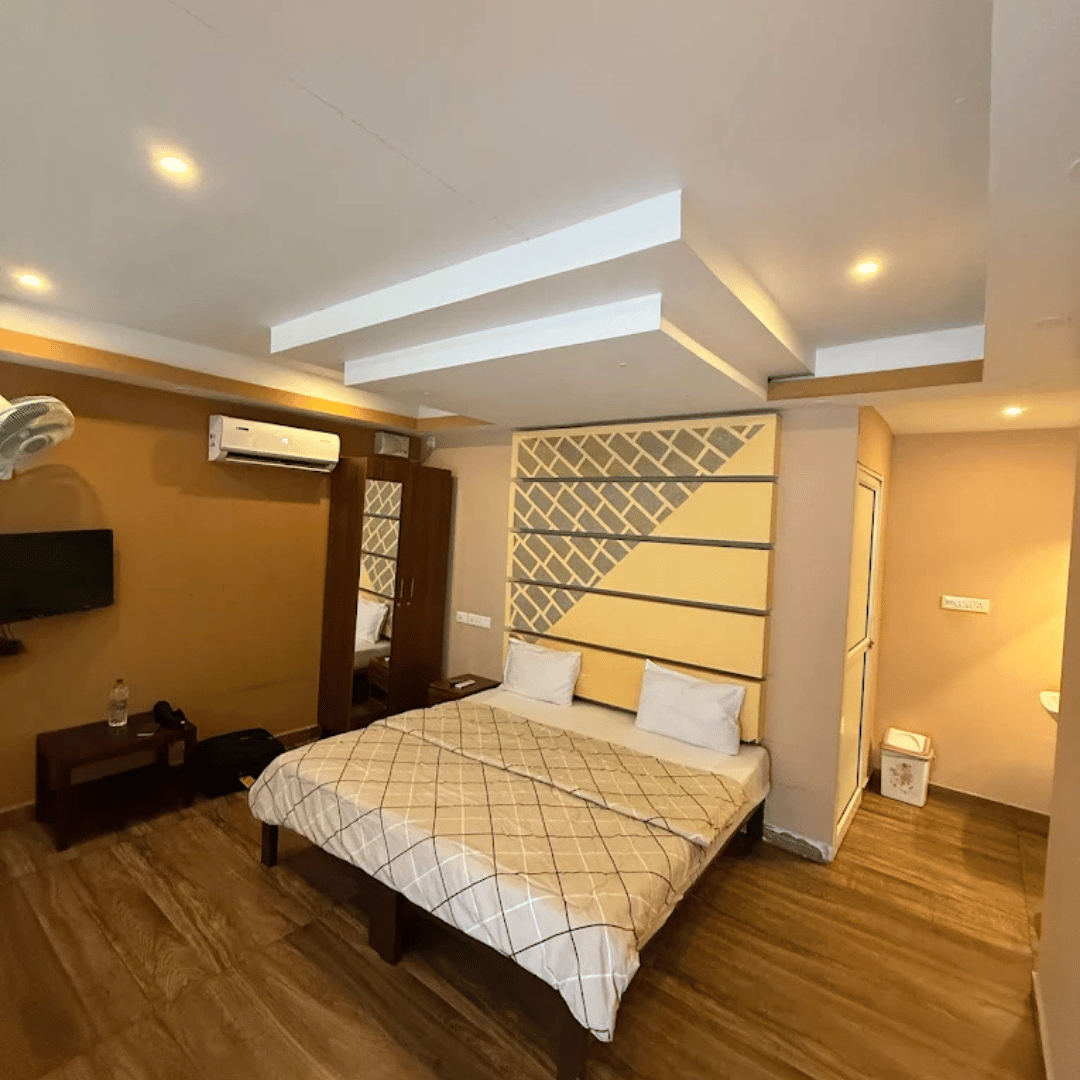
- Evaan’s Casa fits this search intent because we renovated our family island home with modern bathrooms, reliable WiFi, and air-conditioned bedrooms, while keeping the traditional clay-tile roof and the banana-leaf meals that make Kerala special.
I remember the first morning I truly understood what clean and modern could mean on our island. It was just after the monsoon, maybe late September. The rain had stopped around 4 AM, and I woke to that rare, rinsed silence — not a boat engine, not a dog bark, just the drip-drip of water from the coconut fronds outside my window. I walked to the veranda barefoot. The concrete floor was still cool and damp from the night’s washing. That’s when it clicked: modern doesn’t have to mean cold. It can mean open, breathable, honest. Our homestay sits on a small island in the Vembanad Lake, about fifteen minutes by boat from the Alappuzha town jetty. We have no road access — only water. That isolation is exactly what makes a clean and modern homestay Alleppey experience feel different from anything you’d find on the mainland.
I’m probably biased, but I think the phrase “clean and modern homestay Alleppey” gets thrown around a lot without real meaning. Some places just slap a coat of white paint on an old building and call it modern. That’s not what we did. For us, modern means the design follows function. The bedrooms have large sliding windows that open fully to catch the lake breeze, so you rarely need the AC unless it’s April or May. The bathrooms have rain showers with good water pressure — something I personally fought for during the renovation because I know how frustrating a weak shower is after a day in the heat. The floors are terrazzo and polished concrete, easy to keep clean, no dusty carpets. But we kept the original jackfruit wood beams in the ceiling and the old-style clay tiles on the roof. That mix — the clean lines with the traditional materials — that’s what I think a clean and modern homestay Alleppey should feel like. Not sterile. Just intentional.
Not gonna lie, the island location is the best part of staying here, and it’s also the thing that scares some people off at first. You arrive at the Alappuzha boat jetty, and I’m there with our small wooden boat — the one with the blue canopy. The ride takes about six minutes if the water is calm, maybe eight if the wind picks up. You pass by the big houseboats, the little canal-side shops, the women washing clothes on the stone steps. Then suddenly, you turn into a narrower channel, and the noise of the town just drops away. The air changes. It smells like wet earth and something green. When you step onto our island, you’re not on a tourist strip. You’re on a real, living island where farmers still tend paddy fields and fishermen still mend their nets at dusk. Most guests tell me the same thing: the first night, they sleep deeper than they have in months. That quiet is something you cannot buy in a hotel in town. That’s the core of what a clean and modern homestay Alleppey should offer — not just a clean room, but a clean mind.
The food here is honestly the thing people remember most. I don’t say that lightly. We serve home-style Kerala food, prepared fresh daily in our kitchen. No buffet, no frozen stuff, no shortcuts. The meals are built around what’s available at the local market that morning. Karimeen Pollichathu — that’s pearl spot fish, marinated in a paste of red chilies, turmeric, ginger, and garlic, then wrapped in a banana leaf and cooked until the flesh is flaky and the leaf is charred. You eat it with your hands, pulling the soft white meat off the bone, mixing it with steaming hot rice and a dollop of tangy, fresh coconut chutney. The kitchen also makes Appam — those lacy, bowl-shaped rice pancakes with a soft, spongy center — served with a vegetable stew that’s creamy from coconut milk, loaded with carrots, beans, and potatoes. For breakfast, you’ll often get Puttu and Kadala curry: steamed cylinders of ground rice and grated coconut, crumbled into a bowl of dark, spiced black chickpea curry. And if you’re here on a Sunday, we sometimes do a small Kerala Sadhya — a full vegetarian feast served on a banana leaf, with twelve or more dishes arranged in a specific order. I’m not going to pretend it’s fancy restaurant plating. It’s honest food, made with ingredients I can name the source of. That’s what home-style means here.
Let me give you some practical tips, because most travel blogs miss the real details. First: bring mosquito repellent. I know, it sounds basic, but you’d be surprised how many people forget. The island is surrounded by water, and while we keep the property clean and spray regularly, mosquitoes are part of life near the backwaters. Don’t let that scare you — just come prepared. Second: pack light cotton clothes, especially if you’re visiting between March and May. The humidity can be intense. Synthetic fabrics stick to your skin and feel terrible. Third: the boat service to the island runs on demand, not on a schedule. I’m usually available to pick you up from the town jetty within 10 to 15 minutes of you calling or messaging. But if you arrive late at night — say, after 10 PM — give me a heads-up beforehand so I can have the boat ready. Fourth: most people skip this, but I recommend bringing a small torch or using your phone’s flashlight. The island paths are not well-lit at night, and walking back from a late dinner at a neighbor’s place or just sitting by the water after dark, you’ll appreciate having some light to navigate the uneven ground. Fifth: try to visit the local market in Alappuzha town at least once. It’s chaotic, loud, and smells like fresh fish, spices, and overripe jackfruit. Go early, around 6:30 AM, before the heat sets in. You’ll see what real Kerala life looks like, not the curated version. That market visit pairs perfectly with staying at a clean and modern homestay Alleppey — you get the contrast between the raw town energy and the peaceful island return.
Most people ask me about the best time to visit, and I always give the same honest answer. It depends on what you want. Winter — from November to February — is the most comfortable. The temperature stays around 28 to 32 degrees Celsius during the day, and the nights are pleasantly cool. The skies are clear, the water is calm, and the backwaters look their best. This is also peak tourist season, so the town is busier, and prices for houseboats and hotels go up. If you want a clean and modern homestay Alleppey experience during winter, book at least two months in advance. Summer — March to May — is hot. Really hot. The heat sits on you like a wet blanket. But the advantage is that the crowds thin out, and you can often get last-minute discounts. The mornings are still beautiful, and the lake breeze helps, but you’ll live in air conditioning between 11 AM and 4 PM. Monsoon — June to September — is my personal favorite, but I know it’s not for everyone. The rain is heavy and persistent. It can rain for three days straight. The backwaters swell, the canals rise, and everything turns a deep, saturated green. The sound of rain on our clay-tile roof is one of the most calming things I know. Some guests love it. Others find the humidity and the wetness too much. If you’re someone who enjoys reading on a veranda while the rain drums down, monsoon is your season. If you need sunshine and dry paths, come in winter or early spring.
Here are some questions I hear often from guests.
How far is Evaan’s Casa from the Alappuzha town center?
The homestay is on an island, so it’s not a walking distance. From the main boat jetty in town, the boat ride takes about six to eight minutes. I pick you up and drop you off as part of the stay. So the total time from your arrival in Alappuzha to stepping onto the island is maybe 15 minutes, including docking and loading your bags.
Is it safe to stay on an island alone, especially for solo female travelers?
Yes, it’s very safe. The island is small, everyone knows everyone, and there’s no through traffic since there are no roads. Our property has secure locks on all doors and windows. I’ve hosted solo women travelers from all over the world, and they’ve always told me they felt comfortable. That said, use common sense — don’t wander alone late at night on unlit paths, and keep your valuables in the room safe.
What should I bring that I might forget?
Besides mosquito repellent and a torch, bring a reusable water bottle. We have filtered drinking water available, and staying hydrated in the heat is important. Also, bring a light rain jacket or an umbrella even if you’re coming in “dry” season — tropical weather is unpredictable. And if you’re a light sleeper, bring earplugs. The island is quiet, but the birds start singing around 5:30 AM, and the roosters are not shy.
Is WiFi available at the homestay?
Yes, we have WiFi throughout the property. The connection is generally reliable, but please understand we’re on an island in rural Kerala. During heavy rain or storms, the signal can be slow or go out for a few hours. I’d recommend downloading any work files or entertainment before you arrive, just in case. Most guests find they actually enjoy being slightly disconnected — they spend more time on the veranda, reading or just watching the water.
Look, I know there are plenty of places to stay in Alleppey. Houseboats, luxury resorts, budget hostels. Each has its own appeal. But what we offer at Evaan’s Casa is something specific: a clean and modern homestay Alleppey that doesn’t pretend to be something it’s not. We’re not a five-star resort. We’re not a backpacker dorm. We’re a real home on a real island, with modern bathrooms and good WiFi and air conditioning, but also with clay roofs and wooden boats and meals eaten with your hands on a banana leaf. The water around us moves with the tides. The farmers still plant paddy in the fields next door. And every morning, I wake up to that same rinsed silence I felt that first time, grateful that I get to share this place with people who come looking for something honest. If that sounds like what you need, you know where to find us. I’ll be at the jetty with the boat. Evaan’s Casa is a clean and modern homestay Alleppey on the island, and it’s waiting for you.