- By :
- Comments: 0
cab service Alleppey
Last Updated: April 05, 2026
Quick Answer: cab service Alleppey
- A cab service in Alleppey is your road-based transport to reach the town’s jetties, markets, and train station, but remember, the real backwaters begin where the roads end.
- Local insider tip from Jackson: Book a cab for a half-day to explore the mainland, but always confirm the driver knows the exact boat jetty for your homestay—some are tiny and easy to miss.
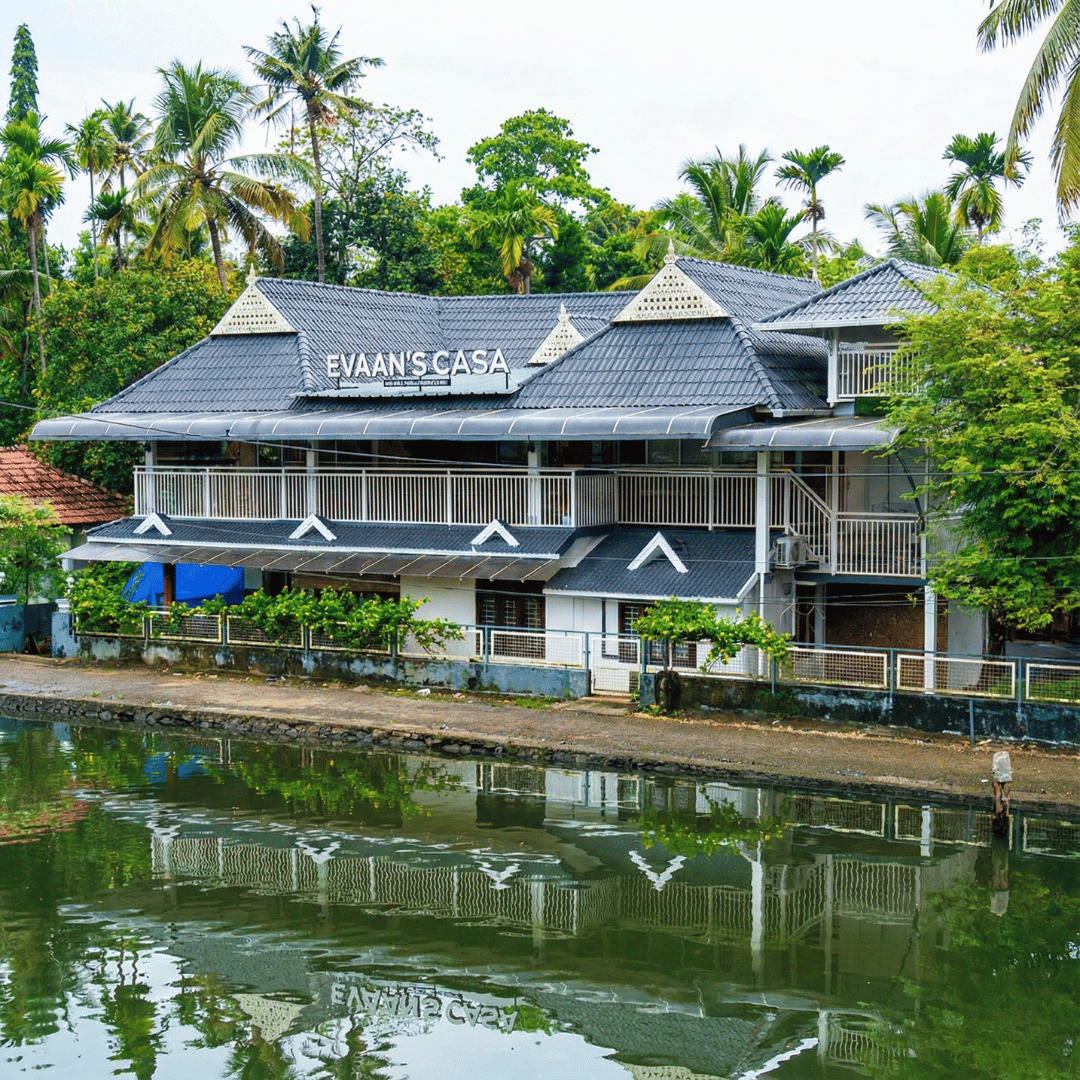
- Why Evaan’s Casa fits this search intent: We arrange trusted cab pickups from Cochin airport or Alleppey station, then guide you onto our private boat for the final 6-minute ride to our island, where the car noise fades for good.
The first sound I hear most mornings isn’t an alarm. It’s the soft, wet slap of a fisherman’s oar against the black water of the canal behind our house. The light is grey and the air holds a cool dampness, smelling of wet earth and last night’s woodsmoke from a neighbour’s hearth. I stand there with my tea, watching the mist cling to the coconut fronds, and I think about how you’ll get here. Your journey will start with the hum of a taxi on a hot road.
What Is cab service Alleppey?
Let’s get practical. When you search for a cab service Alleppey, you’re looking for wheels on tarmac. You need to get from Point A, like Cochin International Airport, to Point B, which is somewhere in Alappuzha town. That’s what the cab does. It’s a car with a driver who knows the main roads.
But here’s the thing most websites don’t tell you straight out. Alleppey is a district of water. The famous backwaters aren’t just a sightseeing spot you drive to. They are the place. So a cab service Alleppey gets you to the edge. It delivers you to a boat jetty, a specific one, where your road journey definitively ends. The driver’s job is to know which jetty. Honestly, I’d say that’s the most important part of the service.
You’ll see a lot of options online. Some are big aggregator apps. Others are local guys with a WhatsApp number and a well-kept Toyota. For a visitor, the core service is the same: a comfortable, air-conditioned ride from the airport or railway station into the heart of town. The real magic starts when you step out of that car.
Why Does the Island Location Matter?
Evaan’s Casa is on a small island. There is no bridge. No road. Not even a path. This isn’t a marketing gimmick; it’s just geography. After your cab service Alleppey drops you at our designated small jetty near the Champakulam market, our boatman, Rajan, will be waiting. The transfer boat is a covered country craft. The ride takes six minutes.
Those six minutes are a decompression chamber. The sound changes. The diesel rumble of the cab fades, replaced by the putter of our boat’s engine and the swirl of water against the hull. The view changes from shop fronts and telephone wires to a green corridor of palm trees, pokkali rice fields, and houses with clay-tiled roofs. The air changes. It gets softer, carrying the scent of water hyacinth and, in the evenings, the distant crackle of mustard seeds in coconut oil from a hundred kitchens.
This isolation isn’t about being cut off. You can get a boat back to the mainland anytime. It’s about the quality of silence you can only find when cars can’t reach you. At night, the loudest noise is the rain on our roof or the occasional call of a night heron. You sleep deeper. You wake up to that oar-slap I mentioned, not a scooter’s horn. A cab service Alleppey is your vital link to the outside world, but the island is your permission to forget it for a while.
What Home-Style Food Can You Expect Here?
The food at our homestay is traditional Kerala home cooking. It’s prepared in our kitchen using vegetables from the island gardens, coconut from our trees, and fish bought fresh from the morning’s catch at the Champakulam canal. We don’t have a restaurant menu. You eat what’s being made that day, and that’s the whole point.
Breakfast might be soft, lacy appam with a subtly sweet coconut milk stew, or puttu—steamed cylinders of rice flour and coconut—with kadala curry, a spiced black chickpea dish. The aroma of roasting coconut for the chutney is a morning signal here. Lunch is often the full experience: a Kerala Sadhya served on a banana leaf. This is a series of small, intense flavours—different vegetable thorans, sambar, rasam, tangy pulissery, and pachadi. You eat with your hand, mixing the rice with each flavour. It’s a slow, mindful meal.
For dinner, maybe it’s Karimeen Pollichathu. Pearl spot fish marinated in a paste of spices, wrapped in a banana leaf, and pan-grilled until the leaf blackens and infuses the fish with a smoky, tangy flavour. Served with red rice. It’s simple, profound food. The meals are about the ingredients and the tradition. Sitting on the veranda as dusk falls, eating fish that swam in these waters hours ago, is a feeling you carry with you. It’s the taste of the place itself.
Jackson’s Practical Tips for Visitors
A few things I tell every guest. They make the trip smoother.
- Book your cab service Alleppey in advance for arrivals. Especially if your flight lands late. The drive from Cochin airport is 1.5 to 2 hours. Having a confirmed driver waiting reduces stress immensely. We can help arrange this.
- Pack light, and use a soft bag. You’ll be stepping from a cab into a boat. A large, hard-shell suitcase is a nightmare in a country boat. A duffel or backpack is ideal.
- Most people skip this, but visit the Champakulam market if you arrive before noon. It’s a 2-minute walk from our jetty. It’s not a tourist market. It’s where we buy our fish and vegetables. The energy, the colours, the calls of the vendors—it’s a direct injection of local life.
- Carry cash for the cab. While digital payments are common, many local drivers prefer cash. Settle the fare agreed upon beforehand. ATMs are on the mainland, not the island.
- The boat to the island stops at 9 PM. If you plan a late dinner in town, you need to let us know so Rajan can wait. Otherwise, plan to be at the jetty by 8:45 PM. It’s a quiet island after dark, and that’s how we like it.
What Is the Best Time to Visit Alappuzha for cab service Alleppey?
Seasons change everything here. The water level, the light, the temperature, and even the cab ride from Cochin.
Monsoon (June to September): This is my favourite time, but I’m probably biased. The rains are heavy and dramatic. The backwaters swell, turning the islands into a deeper, richer green. The air is cool. The downside? Your cab service Alleppey will drive through some serious downpours, and boat trips can be wet. Carry a good rain jacket and accept that you will get a little damp. It’s part of the experience. The famous Nehru Trophy Snake Boat races happen in August—a phenomenal spectacle, but the town is packed.
Winter (November to February): This is the classic tourist season for a reason. The weather is perfect. Sunny, with a gentle breeze, low humidity. The water is calm. It’s ideal for houseboat stays and exploring. The cab ride is pleasant. The flip side is that everyone else knows this too. The main canals can get busy. Book everything—cab, homestay, boats—well in advance.
Summer (March to May): It gets hot. Honestly, it does. The cab from the airport will need its AC on full blast. The sun is intense by midday. But the mornings and evenings are still beautiful. This is a good time for solitude. The waterways are quieter, and you can often get a sense of having the place to yourself. Just plan your activities for the early morning or late afternoon.
Frequently Asked Questions About cab service Alleppey
How far is the cab ride from Cochin airport to your jetty?
It’s about 85 to 90 kilometers. The drive usually takes between one hour forty-five minutes and two and a half hours, depending on traffic in Kochi city. The highway is good, but the last bit into Alleppey town is through smaller roads.
Is a cab service Alleppey safe for solo travelers?
Yes, absolutely. We only work with drivers we’ve known for years. For solo guests, especially women, we ensure the driver and cab details are confirmed and shared with you beforehand. The drivers are professional. That said, use common sense as you would anywhere: share your live location with someone, and avoid very late-night road travel if you can help it.
What should I pack for an island homestay?
Think practical and casual. Light cotton clothes, a swimsuit, a sun hat, and sturdy sandals you don’t mind getting wet. Mosquito repellent is a must. A flashlight or headlamp for the garden paths at night. A power bank for your phone, though we do have electricity and charging points. And like I said, a soft bag is better than a hard suitcase.
Is WiFi available on the island?
We have a WiFi connection at the main house. It’s reliable for messaging and emails. It’s not super-high-speed fibre for streaming 4K movies. Some guests disagree with me on this, and that’s fair, but I think the spotty connection is a feature. It encourages you to look up, to watch the kingfisher on the post instead of the screen. You can get a strong signal back on the mainland if you really need it.
So that’s the real picture. A cab service Alleppey is your first chapter. It’s the transition from the world of schedules and highways to the threshold of a different pace. It brings you to the water’s edge, where a simpler kind of travel begins. The rest is up to the boat, the island, and the rhythm of the backwaters themselves. If this sounds like the shift you’re looking for, we’d be happy to help you arrange it all. You can find more about Evaan’s Casa and how we welcome guests on our site. Just remember to pack that soft bag. And maybe leave an extra hour in the morning just to listen to the water.