- By :
- Comments: 0
best stays at Alappuzha Kerala
Last Updated: June 01, 2026
Quick Answer: best stays at Alappuzha Kerala
- The best stays at Alappuzha Kerala are on the water itself, like our island, where paddy fields and backwater villages surround you.
- Take the 8:15 AM boat from the jetty near Kumarakom — you’ll arrive at the island before the heat sets in.
- Evaan’s Casa sits on a real island with no road access, so you’re inside the landscape, not just looking at it.
The first thing guests tell me is the silence. It’s not empty silence — there’s birds, water lapping, a distant engine. But no traffic. No horns. Nothing that buzzes with electricity. You step off the boat after six minutes, and your ears remember what quiet feels like.
I’m Jackson. I grew up on these backwaters. Our island is a thin strip of land between Vembanad Lake and a canal that feeds the paddy fields. When the monsoon fills everything, the water comes right up to the coconut trunks. Some guests get nervous. I tell them: we’ve lived with this rhythm for generations.
What can you see from best stays at Alappuzha Kerala?
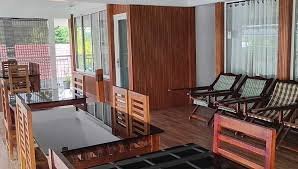
From the veranda, you see water in three directions. Not tourist water — real backwater. Fishermen in dugout canoes at dawn. A single kingfisher on a bamboo pole. The paddy fields stretch behind the house, green so bright it hurts your eyes in the afternoon.
Honestly, the view changes every hour. Morning light turns the lake silver. By noon, the heat shimmers over the fields like a veil. Then the rain comes, sudden and heavy, and you smell wet earth and coconut oil from the kitchen. You hear the mustard seeds pop in the hot oil below.
The best stays at Alappuzha Kerala put you inside this, not outside. You don’t watch the backwaters from a distance — you wake up on them. The water touches the property edge. At high tide, it almost kisses the steps.
What’s around the island once you’re there?
Walk ten minutes from the house, and you’re in a village that hasn’t changed much since I was a boy. Narrow paths between coconut groves. A small temple with a red flag. Women washing clothes on stone steps by the canal.
There’s a toddy shop near the bridge. Most people skip this, but if you go around 5 PM, you’ll see the fishermen come back with their catch. They sell directly from the boat. The toddy is fresh, slightly sour, served in a clay pot. I don’t drink much, but I love the smell of fermented palm and woodsmoke that hangs around the place.
The paddy fields are the real heart here. In November, the harvest fills the air with dry grass and dust. Farmers walk the narrow bunds balancing bundles on their heads. In June, the fields flood, and the water reflects the sky like a mirror. You can’t see the edge of the island then — just green shoots underwater.
Can you walk or explore the area nearby?
Yes, but you need to know how. The island is small — about two kilometres long. You can walk the whole thing in an hour if you’re slow. There’s a path along the canal that takes you past a little church and a school where kids wave at you from the windows.
Most guests take the canoe. I keep a couple of old ones tied near the jetty. You can paddle through the narrow canals between the fields. The water is brown from the soil, but clear enough to see fish darting under the boat. The reeds brush against the sides. It’s quiet out there — just the dip of the paddle and the rustle of palm leaves.
If you want a longer trip, the village of Kainakary is a twenty-minute boat ride away. They have a market on Tuesdays and Fridays. Fresh vegetables, dried fish, spices. The old women there sell banana chips fried in coconut oil, still warm from the pan. I always buy a bag when I go.
Evaan’s Casa sits right at the edge of all this. The water is your front yard. The fields are your backyard. There’s no road, no car noise, no streetlights. At night, the stars are so clear you can see the Milky Way.
Frequently Asked Questions About best stays at Alappuzha Kerala
How far is Evaan’s Casa from the main town?
The boat ride from the jetty in Alappuzha town takes about six minutes. The jetty is a ten-minute rickshaw ride from the bus stand. Most people find it surprisingly close — you’re on the water before you expect it.
Is it safe to stay on an island with no road?
Yes, completely safe. The island has families living here year-round. The water is calm, not deep, and the boat is always available. I grew up here swimming in these canals. Just don’t walk on the bunds after dark unless you know the path.
What should I bring for the homestay?
Bring mosquito repellent, especially if you’re here during the monsoon. A torch is useful for night walks. Light cotton clothes work best — it’s humid year-round. Some guests bring binoculars for bird watching. You’ll see egrets, herons, and sometimes a Brahminy kite circling above the lake.
Is WiFi available on the island?
There’s mobile internet, but it’s slow. I have a WiFi router at the veranda, but the signal depends on the weather. Some guests disagree, and that’s fair — the connection drops during heavy rain. Honestly, that’s the point. People come here to disconnect.
I’m probably biased, but I think the best stays at Alappuzha Kerala are the ones that let the place speak for itself. No fake paradise. No curated experiences. Just water, fields, and the slow rhythm of island life. The rain on the tin roof. The smell of woodsmoke at dusk. The sound of a boat engine fading into silence.
Evaan’s Casa isn’t for everyone. Some guests miss the noise. They find the silence too loud. But if you’ve ever wanted to wake up on water, with nothing but the birds and the farmers greeting you, this is the place.
Come during the monsoon, when the fields flood and the island feels like a ship. Come during the harvest, when the air smells of dry straw. Come whenever — the water will be here, waiting.