- By :
- Comments: 0
authentic kerala homestay alleppey
Last Updated: May 06, 2026
Quick Answer: authentic kerala homestay alleppey
- An authentic Kerala homestay in Alleppey means living on a real island in the backwaters, not a resort. You eat home-style food, wake up to the sound of water lapping, and experience daily life here — not a tourist show.
- Local insider tip from Jackson: Don’t just book a houseboat for one night and call it done. Stay on an island homestay for at least two nights. You’ll see the real backwater rhythm — fishermen at dawn, toddy tappers climbing palms, and the quiet that settles after the last boat passes.
- Why Evaan’s Casa fits this search intent: We’re a family-run island homestay with no road access, only a 6-minute boat ride from the mainland. The kitchen prepares traditional Kerala meals with local ingredients, and I’m here to show you the Alleppey I grew up in — not the one in brochures.
I’m sitting on the veranda right now, typing this. The sun’s just breaking over the palm fronds and the water’s flat calm — that milky green color it gets before the day wakes up. A canoe drifts past with an old man paddling slow, heading to check his nets. The air smells like woodsmoke and damp earth. This is my morning, most mornings. And honestly, I still feel lucky every time.
I’m Jackson Louis. I run Evaan’s Casa, a small homestay on a real island in the Alappuzha backwaters. Not one of those fancy resort islands with manicured gardens. A real one. The kind where coconuts fall and you hear them thump. Where neighbors wave from passing boats. Where the only traffic is the putter-putter of a country canoe.
I grew up here. Swam in these canals as a kid. Learned to row before I could ride a bicycle. So when I say I know what an authentic kerala homestay alleppey should feel like, I’m not guessing. I’ve lived it.
A lot of places call themselves homestays. They put up a sign, cook some fish curry, and call it a day. That’s fine, I guess. But it’s not the same as actually living on the water, with the water in your bones. An authentic kerala homestay alleppey isn’t just about sleeping in a house — it’s about being part of the island’s pulse. The way the afternoon heat makes everything slow down. The way the rain sounds different on a palm-thatch roof. The way the tea tastes when it’s poured from a clay pot.
Most of our guests arrive by auto-rickshaw at a little jetty on the mainland. They look around, confused. No road. No bridge. Just a small wooden boat waiting. That six-minute ride across the canal is the moment everything shifts. The city noise fades. The air changes. By the time they step onto our island, they’re already breathing slower.
That’s the point. An authentic kerala homestay alleppey should force you to slow down. Not because we tell you to, but because the place itself demands it.
What Is an Authentic Kerala Homestay Alleppey?
Let me be direct. An authentic kerala homestay alleppey is a place where you live with locals, eat what we eat, and see how we actually go about our day. It’s not a hotel. It’s not a resort. It’s someone’s home — my home — that I’ve opened up to travelers who want more than a room key.
Here’s what it’s not: It’s not a houseboat that cruises the backwaters for 24 hours while staff serve you packaged juice. Nothing wrong with houseboats, but they’re not homestays. A homestay is rooted. It stays in one place. You stay put, and the life of the backwaters flows past you.
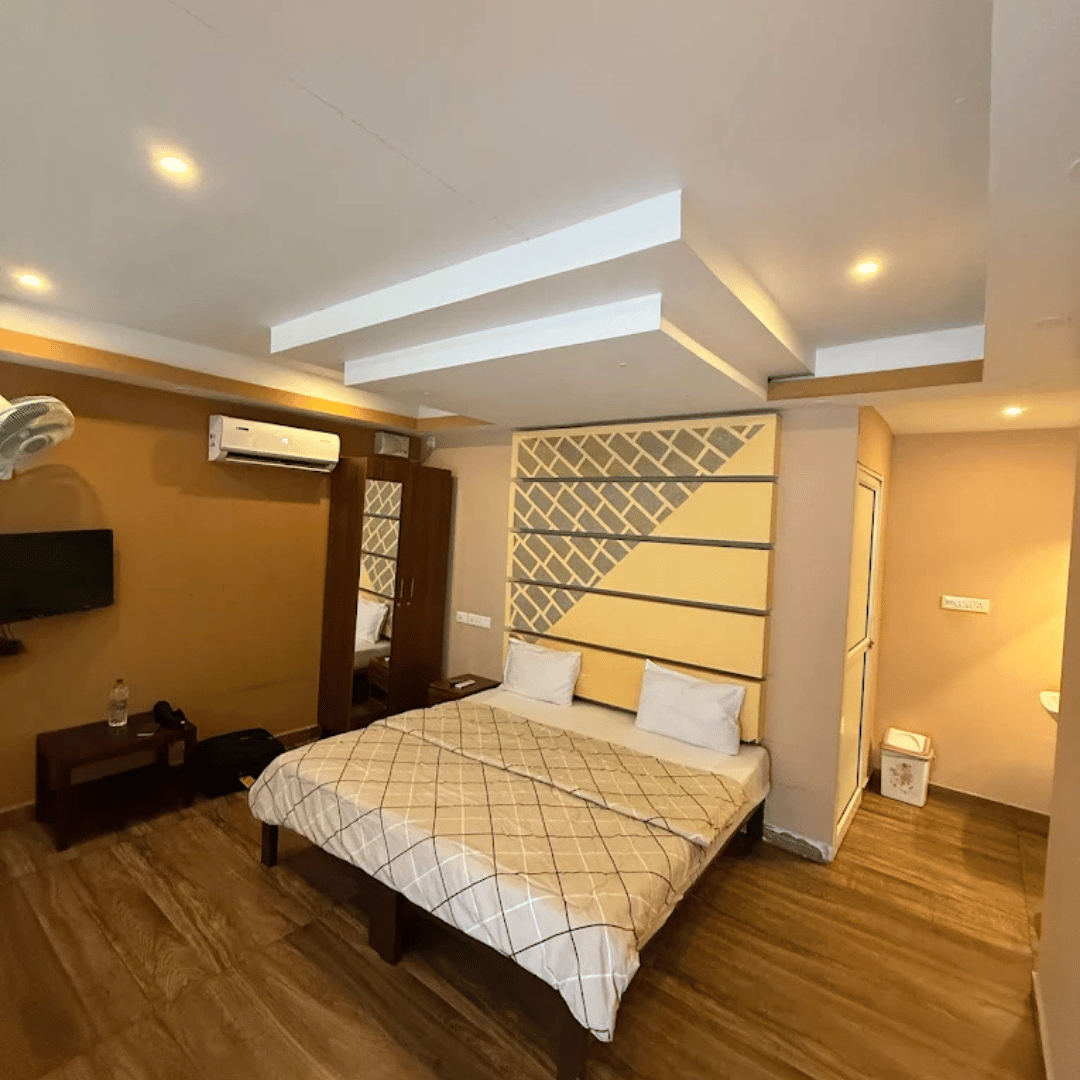
At Evaan’s Casa, we have four rooms. That’s it. Small, simple, clean. Ceiling fans, mosquito nets, attached bathrooms with hot water. No air conditioning — the island breeze does that job. No TV in the rooms either. If you want screens, stay in town. Here, the entertainment is the water, the birds, the conversation over chai.
The word “authentic” gets thrown around a lot. I’m probably biased, but I think it matters. An authentic kerala homestay alleppey means the building is a traditional Kerala style house — high ceilings, sloping tiled roof, a courtyard. It means the meals are prepared with ingredients bought that morning from the local market. It means the person serving you is the same person who lives here year-round.
Some guests disagree with me on this, and that’s fair. They want more luxury, more privacy, more amenities. I get it. But if you’re searching for an authentic kerala homestay alleppey, you’re probably not looking for a five-star experience. You’re looking for a real one.
Why Does the Island Location Matter?
Most homestays in Alleppey are on the mainland. You walk out the door and there’s a road, a shop, a bus stop. That’s convenient, sure. But it’s not the backwaters.
We’re on an island. A real island, surrounded by canals and paddy fields. The only way to reach us is by boat. That changes everything.
When you arrive, you step off the boat onto a narrow path that runs between coconut groves. The ground is soft underfoot — laterite soil mixed with fallen leaves. You hear birds. You hear the water slapping against the bank. You might hear a rooster, or a dog barking somewhere distant. But you won’t hear traffic. You won’t hear horns. You won’t hear any of the noise that grinds you down in city life.
I’ve had guests tell me they felt their shoulders drop for the first time in years, right there at the jetty.
The island life has a rhythm. Morning starts early, around 5:30 or 6. You hear the sound of boats starting up — fishermen heading out. The toddy tappers climb the palm trees before the sun gets hot. Women wash clothes at the water’s edge, chatting and laughing. By midday, everything quiets. The heat presses down. People nap, or sit in the shade, fanning themselves. Then late afternoon, the island stirs again. Kids come home from school. Cooking smells drift from kitchens. The light turns golden.
Staying on an island gives you access to that rhythm. You can’t get it from a hotel room in town. This is what makes an authentic kerala homestay alleppey different. The location isn’t just scenery — it’s the experience itself.
What Home-Style Food Can You Expect Here?
Alright, let’s talk about food. Because honestly, this is what most guests remember longest.
The kitchen at our homestay prepares traditional Kerala meals — home-style food, cooked with local ingredients. No fancy plating, no fusion experiments. Just the real stuff.
Breakfast is usually Puttu and Kadala curry. Puttu is steamed rice flour cylinders, light and fluffy. Kadala curry is black chickpeas cooked with coconut, curry leaves, and a handful of spices. You eat it together, crumbling the puttu with your fingers, scooping up the curry. It’s simple. It’s perfect.
Lunch is a full spread on a banana leaf. Rice in the center, then small mounds of side dishes around it — Sambar (lentil vegetable stew), Avial (mixed vegetables in coconut yogurt), Thoran (stir-fried veggies with grated coconut), Pachadi (cool yogurt relish), and a spicy fish curry or chicken curry depending on the day. You eat with your right hand. No spoons. It takes practice, but it tastes better that way. I swear it does.
Dinner might be Appam with stew. Appams are lacy, bowl-shaped rice pancakes with a soft spongy center. The stew is mild — coconut milk, cinnamon, cloves, and vegetables or chicken. Or maybe we do Karimeen Pollichathu — pearl spot fish marinated in spices, wrapped in banana leaf, and slow-cooked until the flesh is tender and infused with smoky flavor. That’s a local specialty, and it’s the best thing you’ll eat on the backwaters.
And the seafood. Fresh. Caught that morning. We get whatever the fishermen bring in — Karimeen (pearl spot), Chemmeen (prawns), Netholi (anchovies). Cooked simply in coconut oil, with curry leaves, mustard seeds, and green chilies. The smell alone is enough to make you hungry.
Dessert is usually Payasam — a sweet pudding made with rice, jaggery, and coconut milk. Sometimes with jackfruit if it’s in season.
All of this is home-style Kerala food. The person cooking learned from years of practice, not from a recipe book. The ingredients come from the local market in Alappuzha town, or from neighbors who grow vegetables. Nothing is pre-made. Nothing is frozen.
Eating here is messy. You get coconut oil on your fingers. You slurp the curry. You reach for more rice. It’s not polite dining — it’s real eating. And that’s exactly what an authentic kerala homestay alleppey should offer.
Jackson’s Practical Tips for Visitors
I’ve been hosting guests for years now. Here’s what I’ve learned — stuff most travel blogs won’t tell you.
- Bring mosquito repellent. I’m serious. We’re on the water. Mosquitoes live here. We keep the rooms clean and use nets, but you’ll want repellent for evenings on the veranda. The local ones with citronella work best.
- Pack light, but pack smart. You’ll be getting in and out of boats. Hard suitcases are a pain. Bring a soft bag. Also bring clothes that dry fast — cotton or linen. It’s humid, and things take forever to dry here during monsoon.
- Don’t plan too much. Most guests arrive with a list of things to see. That’s fine, but leave gaps. The best moments here are unplanned — sitting on the jetty watching the sunset, chatting with a neighbor, taking an impromptu canoe ride with a local fisherman. Leave room for that.
- Learn a few Malayalam words. “Namaskaram” (hello). “Nanni” (thank you). “Sughamano?” (How are you?). People appreciate the effort. It changes the way you’re treated.
- Visit the Mullackal market early. Most tourists skip this. It’s in Alappuzha town, about 15 minutes from the jetty by auto. Go around 6:30 AM. That’s when the vegetable vendors arrive, the fish auction happens, and the whole place is buzzing. You’ll see what daily life looks like here — the real thing, not the tourist version.
That last tip — most people skip Mullackal market. I don’t know why. It’s the most alive place in Alappuzha. The smell of fresh ginger, the shouting over prices, the piles of green chilies and jackfruit. If you want to understand Kerala, spend an hour there.
What Is the Best Time to Visit Alappuzha for an Authentic Kerala Homestay Alleppey?
The short answer: depends on what you want.
Let me break it down by season.
Monsoon (June to September). This is my favorite time. The backwaters swell. The canals fill up. Everything turns a deep, saturated green. Rain falls hard and steady. You sit on the veranda with hot chai, watching the water ripple. The downside — it’s wet. Like, really wet. Some days you can’t go out. Boat trips get canceled. If you want to explore, this isn’t the best time. If you want to read books, drink tea, and listen to rain on a tin roof, this is perfect.
Winter (November to February). This is peak season. The weather is dry, cool in the mornings, warm in the afternoons. Perfect for boat rides, cycling, walking around. The water is calm. Sunsets are spectacular. The downside — it’s crowded. Houseboats fill the canals. Prices are higher. If you’re looking for an authentic kerala homestay alleppey experience without the crowds, winter is still good, but book well ahead.
Summer (March to May). Hot. Humid. Temperatures hit 35°C easily. The afternoons are brutal. But mornings and evenings are lovely, and the water is warm for swimming. This is the off-season, so prices drop. Fewer tourists. More space. If you can handle the heat, you’ll have the place almost to yourself.
Honestly, if you ask me, come in late monsoon — September or early October. The rain is easing up. The backwaters are full. The crowds haven’t arrived yet. It’s the sweet spot.
Frequently Asked Questions About an Authentic Kerala Homestay Alleppey
How far is Evaan’s Casa from Alappuzha town?
About 15 minutes by auto-rickshaw to the jetty, then a 6-minute boat ride to the island. The whole journey from the Alappuzha KSRTC bus stand or railway station takes about 25 to 30 minutes. We arrange the boat transfer for you — just let me know when you’re arriving.
Is it safe to stay on an island homestay?
Yes, completely. The island is small and everyone knows everyone. We lock the rooms at night. The water is shallow near the jetty. Families with kids stay here all the time. Just watch your step on the paths — they can get slippery after rain.
What should I bring for an authentic kerala homestay alleppey experience?
Mosquito repellent, light cotton clothes, a torch (flashlight) for walking at night, and a waterproof bag for your phone if you’re taking boat rides. Also bring an open mind — things move slower here, and that’s the point.
Is WiFi available on the island?
Yes, we have WiFi. But I’ll be honest — the connection is not super fast. It works for messages, emails, and basic browsing. Streaming video? Not so much. If you need high-speed internet for work, you might struggle. But most guests find they don’t miss it after the first day.
How much does it cost to stay at Evaan’s Casa?
Rates vary by season and room. Generally, we’re very affordable compared to resorts or houseboats. Meals are included in the rate — breakfast, lunch, and dinner. Contact me directly for current pricing. I don’t put prices on the website because they change with the season.
Can I bring children?
Yes. Families are welcome. Kids love the island — they can run around, look at crabs, take short canoe rides. Just keep an eye on them near the water. We have life jackets available for children.
Wrapping Up
Look, I could keep writing. There’s always more to say about this place. About the way the light filters through the palm leaves at 5 PM. About the old toddy tapper who still climbs barefoot. About the taste of freshly grated coconut in the morning puttu.
But I think you get the idea.
An authentic kerala homestay alleppey isn’t a product you buy. It’s a place you step into. It’s messy and quiet and sometimes uncomfortable. The mosquitoes bite. The heat can be heavy. The water lapping at the bank might keep you awake the first night.
But then, on the second morning, you wake up and realize you slept through the night. You walk to the veranda and the world is slow and green and wet. Somebody hands you a cup of chai, hot and sweet. And you think — this is it. This is what I came for.
If that sounds like something you want, I’d love to have you at Evaan’s Casa. Not to sell you a packaged experience. Just to share this island life, the way I’ve always known it.
Come stay. Eat with your hands. Watch the sunset from the jetty. Let the backwaters do their work.
I’ll be here, on the veranda, waiting.