- By :
- Comments: 0
Alleppey winter travel
Alleppey winter travel
Last Updated: April 07, 2026
Quick Answer: Alleppey winter travel
- Alleppey winter travel means visiting the backwaters from November to February for cool, sunny days perfect for houseboats and island stays, with clear skies and no monsoon rains.
- Local insider tip from Jackson: Skip the main canal boat jetty at 9 AM. The light is better for photos after 10:30, and the water hyacinth rafts have cleared a bit by then.
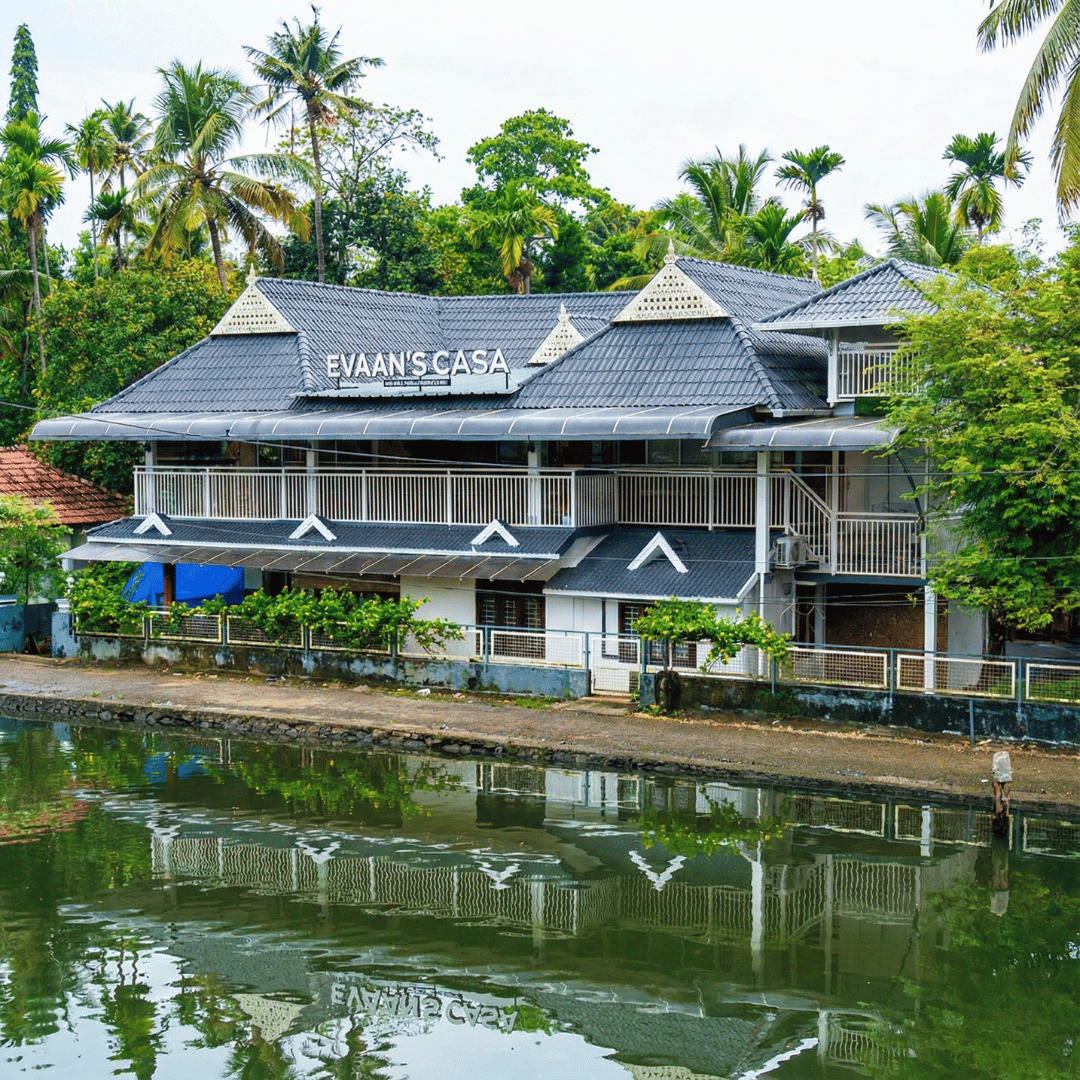
- Why Evaan’s Casa fits this search intent: Our island homestay is a six-minute boat ride from the mainland, giving you that quiet winter backwater atmosphere from the moment you arrive, with home-style food and no road noise at all.
I woke up before the sun this morning, the way I always seem to in December. The air had a weight to it, a cool density that settles on the island overnight. I stepped outside and heard it—the complete, thick silence, broken only by the distant cough of a fishing boat engine starting up across the water. Woodsmoke from a kitchen fire somewhere drifted past, mixing with the scent of wet earth and blooming jasmine. This is the island in winter. It’s not dramatic, not a postcard. It’s a feeling. It’s the quiet hour before the world remembers itself.
Most people arrive in Alleppey with an image in their head: a houseboat on green water. That’s true, of course. But the real texture of the place, its heartbeat, is in these early moments on the smaller islands. The light is different in winter. It’s softer, golden, and it lasts longer. It slants through the coconut groves and paints the canal water in long, shimmering stripes. I’ve lived here my whole life, and this season still feels like a gift. It’s the reason I built our place here, to share this specific, quiet version of the backwaters. Not the crowded one. The real one.
What Is Alleppey Winter Travel?
Let’s strip away the fancy language. Alleppey winter travel is simply choosing to come here between November and February. The monsoon has packed up and left. The sky is a high, clear blue. The humidity drops to something you can actually breathe. The temperature sits in a perfect band, usually between 22 and 32 degrees Celsius. It’s warm in the sun, cool in the shade, and you might actually want a light shawl in the evening.
This is the operational season for everything. Houseboats glide down every main canal. The shikara boats are out. The village paths are dry and walkable. But more than the logistics, it’s a mood. The light I mentioned gives everything a crisp edge. The water isn’t swollen and rushing like in the rains; it’s calm, reflective. Planning your Alleppey winter travel around these months is the most reliable way to see the backwaters as they’re most often pictured. Honestly, I’d say it’s the most comfortable introduction you can have to this ecosystem. The weather is on your side.
It’s also the social season. Festivals like Christmas and Vallam Kali (the snake boat races) often fall within this period, bringing a buzz to the villages. The air smells of ripe jackfruit and fried banana chips from roadside stalls. You’ll hear music from local churches and temples. This cultural pulse is a huge part of the experience. Your Alleppey winter travel itinerary should leave room for just sitting and absorbing that. Don’t just race from photo spot to photo spot.
Why Does the Island Location Matter?
Look, here’s the thing. You can stay in a hotel on the mainland in Alappuzha town. You’ll hear scooters and autorickshaws all night. You’ll smell diesel from the bus stand. You might as well be in any small Indian town. The magic of the backwaters begins when you leave the road behind.
Our place is on a small island. To get here, you meet me at a simple dock, not a fancy hotel lobby. The boat ride is six minutes. Six minutes is all it takes. But in that short trip, the soundscape changes completely. The town noise fades, replaced by the putter of our boat, the splash of water against the hull, and the calls of kingfishers. You pass women washing clothes at the water’s edge, children waving from canoes. You arrive at a dock that’s just a few planks of wood. That’s it. There are no cars here. No roads. Just narrow paths of packed earth between houses and canals.
This isolation isn’t about being cut off. It’s about being immersed. When you wake up, you hear birds, not traffic. The breeze comes straight off the water, unfiltered. At night, the darkness is profound, broken only by lantern light and a sky full of stars you can’t see from the city. This is the core of a genuine Alleppey winter travel experience. The season’s perfect weather is amplified by this peace. You feel the cool air properly. You see the stars clearly. The island forces you to slow down, because your only transport is your own two feet or a canoe. It makes the season tangible.
What Home-Style Food Can You Expect Here?
The food is where the season truly comes to the table. Winter here brings a specific harvest. There are fresh green peas, tender drumsticks, and a particular variety of small, sweet bananas. The kitchen at our homestay uses what’s local and what’s in season. That’s the rule. So your meal will taste of this place, and this time of year.
Breakfast might be soft, lacy appam—fermented rice hoppers with a soft center—served with a mild, fragrant vegetable stew made with coconut milk and winter vegetables. Or it could be puttu, steamed cylinders of ground rice layered with coconut, paired with kadala curry, a spiced black chickpea dish. The smell of toasted coconut and cumin seeds crackling in oil is our morning perfume.
Lunch is often the main event. A typical Kerala sadhya, a feast served on a banana leaf, is a journey through flavors and textures. There will be a dry curry, maybe beans or cabbage thoran stir-fried with grated coconut. A tart, thin rasam soup. A thick, hearty avial stew of mixed vegetables in a coconut-yogurt base. The star for many is the karimeen pollichathu, a pearl spot fish marinated in spices, wrapped in a banana leaf, and pan-roasted. The leaf infuses the fish with a smoky, earthy aroma. Every bite is a mix of the tangy, the spicy, and the soothing coolness of fresh yogurt.
Dinner is simpler, often a one-pot dish like a fish moilee, a turmeric-yellow coconut curry, or a comforting bowl of kanji, a rice porridge, with local accompaniments. The ingredients travel maybe a hundred meters from the garden or the local fisherman’s net. Not gonna lie, the taste is different. It’s cleaner. It tastes of the earth and the water here. Eating home-style Kerala food in winter, when the air is cool, is one of the great pleasures of a visit. You’re not just eating fuel. You’re eating the landscape.
Jackson’s Practical Tips for Visitors
I’ve seen guests make the same small mistakes that cost them time or comfort. Here’s what I tell people who ask.
- Pack a light sweater or shawl, even if you think you won’t need it. The backwaters are a water landscape. The temperature can drop noticeably on a boat ride in the evening, or just sitting outside after sunset. Being slightly cold can ruin an otherwise perfect moment.
- Carry cash in smaller denominations. While many places in town accept cards, out here on the islands, for buying bananas from a canoe vendor, tipping your boatman, or shopping at a tiny village store, cash is king. The nearest ATM is a boat ride away.
- Don’t over-plan your boat time. Booking a private shikara for 8 hours sounds great, but after 3 or 4 hours, most people have seen enough canals and want to just be still. Book a shorter trip first. You can always extend it if you’re loving it.
- Most people skip this, but visit the Mullackal Bhagavathy Temple area in town on a weekday morning. It’s not just a temple. The surrounding lanes are a dense market for spices, bananas, and kitchenware. The smell of dried ginger and turmeric is incredible. It’s a sensory blast of real local life, far from the tourist jetties.
- Wear shoes you can slip on and off easily. You’ll be taking them off before entering homes, homestays, and some boats. It’s a cultural norm. Sandals or flip-flops are the practical choice for Alleppey winter travel.
What Is the Best Time to Visit Alappuzha for Alleppey Winter Travel?
This seems straightforward, but let’s break it down honestly. I’m probably biased, but I think the edges of winter are the sweetest spots.
Monsoon (June to September): The backwaters are at their most powerful and green. The rains are heavy, dramatic. The sound on a tin roof is unforgettable. But it can rain for days, limiting movement. Some houseboats don’t operate. It’s lush, moody, and very wet. It’s for the adventurous soul who doesn’t mind getting soaked for a beautiful view.
Winter (November to February): This is the classic window. Reliable sunshine, cool air, festive atmosphere. It’s also the busiest and most expensive time. The water levels are lower, so some narrower canals might be less accessible. But for comfort and guaranteed activity, this is it. Your planning for Alleppey winter travel should focus here for the easiest trip.
Summer (March to May): It gets hot. Really hot. And humid. The sun is intense. The advantage? Fewer people, lower prices, and the water is still there. Mornings and late afternoons are pleasant. The middle of the day is for napping in a shaded hammock. It’s a good option if you prioritize solitude over perfect weather.
My personal favorite is late November or early February. You get the winter weather, but the crowds from the holiday peaks have thinned. The light is still that beautiful gold. That’s the secret sauce for a perfect Alleppey winter travel plan.
Frequently Asked Questions About Alleppey Winter Travel
How do I get to your island homestay?
You’ll take a train or taxi to Alleppey (Alappuzha) town. From there, you’ll take a short auto-rickshaw ride to our meeting point dock. I’ll coordinate the timing with you. From that dock, it’s a six-minute boat ride to our island. There’s no road access, which is the whole point. We’ll handle your luggage on the boat, no problem.
Is it safe to travel on the backwaters?
Yes, overwhelmingly so. The water in the canals is generally calm and not very deep. All reputable boat operators provide life jackets. The main safety tip is to be mindful when getting on and off boats, as the docks can be slippery. The local community is very safe and welcoming. I’ve never had a guest feel unsafe on the island itself.
What should I pack specifically for a winter stay?
Beyond the usual travel items, focus on layers. Light cotton clothes for the day, that shawl for the evening. Good sunscreen and a hat—the winter sun is still strong. Mosquito repellent (less needed in winter, but still good to have). A waterproof bag for your phone and camera on boat rides. And a power bank, because while we have electricity, unplugging is part of the experience.
Is WiFi available on the island?
We have a WiFi connection at the homestay, but I have to be honest—it’s for checking messages and emails, not for streaming movies. The signal can be slow and intermittent. Some guests disagree with me on this, and that’s fair, but I actually see it as a feature. This is a chance to disconnect from the constant online world and connect with the real one around you. You’ll get a mobile data signal for most essentials.
The cool morning has given way to a warm afternoon as I finish writing this. I can hear a neighbor pulling in his fishing net, the ropes creaking. A heron just landed on our dock. This daily rhythm is what you’re coming for. Planning your Alleppey winter travel isn’t just about picking dates and booking a hotel. It’s about choosing a certain pace of life for a few days. It’s about the feel of the sun on a boat deck, the taste of a curry made with coconut from the tree over there, the shock of seeing a million stars because there are no streetlights to wash them out.
If this sounds like the experience you’re looking for, then you’ve understood what the backwaters can be. It’s not a checklist. It’s a feeling. We’ve built Evaan’s Casa to be a quiet corner where you can have that feeling, deeply and without distraction. Whether you stay with us or somewhere else on the water, I hope you come. I hope you get to sit on a dock in the quiet of a winter evening and just listen to the water lap. That’s the real thing. Everything else is just a picture of it.
If you have more questions, the best way is to reach out through our website at Evaan’s Casa. No algorithms, just a conversation. I’m probably out on the water or in the garden, but I’ll get back to you. Safe travels, wherever you’re headed.
Plan your stay at Evaan’s Casa
- Lake view homestay in Alleppey (Alappuzha)
- Where to stay in Alleppey: the complete guide
- Alleppey room booking: rooms and prices from ₹1,900
- Budget homestay in Alleppey under ₹2,000
- Backwater homestay on Vembanad Lake
- Punnamada homestay, Alappuzha
- Family homestay in Alleppey
- Honeymoon package and couple stay
Book direct on WhatsApp +91 88484 96667