- By :
- Comments: 0
Alleppey vs Varkala
Alleppey vs Varkala
Last Updated: April 13, 2026
Quick Answer: Alleppey vs Varkala
- Alleppey is for the slow, immersive backwater life, while Varkala is for clifftop views and a beach-town social vibe. It’s inland waterways versus ocean cliffs.
- Local insider tip from Jackson: Most people skip the early morning fish auction at the Alappuzha main canal. Be there by 5:45 AM to see the catch come in. It’s pure, unfiltered local life.
- Why Evaan’s Casa fits this search intent: If the quiet, rhythmic life of the backwaters calls to you in the Alleppey vs Varkala debate, our island homestay is the place to live it. You step off the boat into a different pace.
The first sound I hear most mornings isn’t an alarm. It’s the low, rhythmic putter of a country boat’s diesel engine, carrying someone to their paddy field or to check their fish traps. The light is still soft, cutting through the woodsmoke from a neighbor’s hearth. I step outside and the air is cool, thick with the scent of water hyacinth and wet earth. This is my normal. It’s the quiet heartbeat of the backwaters that so many people come to Alleppey to find. And it’s a world away from the sound of waves crashing on the laterite cliffs of Varkala.
What Is Alleppey vs Varkala?
When travelers ask about Alleppey vs Varkala, they’re really asking about two different souls of Kerala. They’re both incredible. But they offer completely opposite experiences. I’m probably biased, but let me break it down for you like I would for a guest on our veranda.
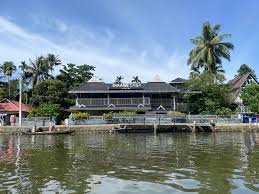
Alleppey, or Alappuzha, is the heart of the backwaters. It’s a vast, intricate network of canals, lakes, and lagoons. Life here moves at the speed of a canoe. Your view is of palm trees leaning over green water, of small villages only accessible by boat, of rice fields that glow emerald in the sun. The focus is inward, on the quiet details of a water-based culture.
Varkala, on the other hand, is where the land ends. It’s a dramatic coastline where red cliffs plunge into the Arabian Sea. The energy is more social, with a long stretch of clifftop path lined with cafes, shops, and guesthouses looking out at an endless horizon. The sound is constant ocean. The vibe is often about meeting other travelers, watching the sunset with a fresh juice, feeling that coastal breeze.
So the core of the Alleppey vs Varkala choice is simple. Do you want to be surrounded by water, or do you want to look at it? Do you seek deep stillness or easy social connection? The debate of Alleppey vs Varkala isn’t about which is better. It’s about which rhythm matches your own.
Why Does the Island Location Matter?
Our place is on a small island in the backwaters. This isn’t a metaphor. You get here by a six-minute boat ride from the mainland jetty. There’s no road. No bridge. No cars. That initial short trip across the water is a physical and mental threshold.
When you arrive, the first thing you notice is the quiet. It’s a dense, palpable quiet, broken only by bird calls and distant voices across the water. The isolation isn’t lonely. It’s freeing. You instantly shed the noise of the world you left behind. Your schedule becomes dictated by the sun and the arrival of the next boat, not by traffic or tour buses.
This isolation shapes everything. The groceries come by boat. Our building materials came by boat. The sound of rain here is different—it hammers on our tin roof and then patters on a million broad banana leaves. At night, the darkness is almost total, making the stars shockingly clear. You’re not just visiting the backwaters. You’re living inside its daily logic. The Alleppey vs Varkala decision, for me, is anchored in this feeling of being gently removed. Varkala is connected, walkable, lined with life. Our island is a deliberate step away from all that.
What Home-Style Food Can You Expect Here?
Food here is about what’s fresh, local, and seasonal. It’s home-style Kerala food, prepared with care in the kitchen at our homestay. The flavors are clean, direct, and built from the ground up.
Breakfast might be soft, lacy appam with a subtly sweet coconut milk-based vegetable stew. Or it could be puttu—steamed cylinders of ground rice and coconut—with a rich, dark kadala curry made from black chickpeas. The coconut is from the trees right outside. The curry leaves are plucked from the bush by the kitchen door.
Lunch is often the star. A traditional Kerala sadhya served on a fresh banana leaf is an experience. It’s a symphony of tastes and textures. You’ll have tangy pulissery (yogurt and cucumber), thoran (stir-fried vegetables with grated coconut), sambar, avial (a mix of vegetables in a coconut and yogurt gravy), and maybe a crisp pappadam. Each item has its place on the leaf. You eat with your right hand, mixing a bit of rice with each flavor. It’s a meal you experience, not just consume.
For dinner, perhaps Karimeen Pollichathu—a pearl spot fish marinated in a paste of spices, wrapped in a banana leaf, and pan-grilled. The banana leaf infuses the fish with a smoky, earthy aroma. The flesh is tender and flakes apart. You’ll smell the mustard seeds crackling in coconut oil from across the yard, a scent that is the very essence of a Kerala kitchen. Honestly, I’d say the food alone can tip the scales in the Alleppey vs Varkala conversation if you’re a true eater. The meals here are connected to this specific soil and water.
Jackson’s Practical Tips for Visitors
If you choose the backwaters, here’s how to make the most of it. These aren’t from a guidebook.
- Book a public ferry ride, not just a private houseboat. The KSRTC ferry from Alappuzha to Kottayam costs almost nothing and takes about two and a half hours. You’ll share the space with locals carrying groceries, schoolkids, and the occasional chicken in a basket. It’s the real backwater commute.
- The light is magic just after sunrise and before sunset. That’s when the water turns gold and the fishermen in their dugout canoes become silhouettes. Be on the water then, even if it’s just sitting on our jetty.
- Pack a sturdy pair of flip-flops you don’t mind getting muddy, and a light long-sleeve shirt for the evenings. The mosquitoes here are, let’s say, enthusiastic after dusk.
- Most people skip the local toddy shops. Look, here’s the thing—they’re simple, no-frills places where people gather. Try some fresh kallu (toddy) with spicy local snacks like beef fry or karimeen. It’s a cultural experience, not just a drink.
- Don’t rush. The biggest mistake is trying to ‘do’ the backwaters in a day. The beauty reveals itself in the empty hours, in watching a heron hunt, in the slow passage of a cargo boat laden with coconuts. This isn’t a checklist destination.
What Is the Best Time to Visit Alappuzha for the Backwaters?
Seasons change everything here. The Alleppey vs Varkala question gets a different answer depending on the month.
Monsoon (June to September). The backwaters fill up. The rice paddies are a brilliant, impossible green. The rain is heavy, warm, and constant. It drums on the water and the leaves. Some days, the world shrinks to the view from our veranda, wrapped in a mist of rain. It’s deeply beautiful but wet. Boat trips require good rain gear. Some guests disagree with me on this, and that’s fair, but I think it’s the most authentic and dramatic time to see this landscape come alive.
Winter (November to February). This is the classic, postcard season. The skies are clear blue, the air is cooler and less humid, and the sun is gentle. It’s perfect for long, lazy canoe rides and evenings sitting outside. It’s also the busiest time. The water levels are lower, so some smaller canals might be less navigable. The light is golden and perfect all day long.
Summer (March to May). It gets hot. The air shimmers over the water by midday. The smart move is to be active early and late. The advantage? Fewer visitors. You might have a whole canal to yourself. The mangoes are in season—huge, sweet, and sold from boats. It’s a quiet, slow-burn time of year. You need to like the heat.
Frequently Asked Questions About Alleppey vs Varkala
Can I visit both Alleppey and Varkala in one trip?
Absolutely. They’re about a 3 to 4 hour drive apart. Many people spend a few nights in each place. I’d recommend doing the backwaters first for the deep calm, then heading to Varkala for the coastal energy. It makes for a wonderfully balanced Kerala experience.
Is it safe to stay on an island with no road access?
Yes, completely. The community is close-knit and looks out for each other. We have a boat on call if needed, and the local boatmen know our schedule. It feels remote, but you’re not cut off. The safety here is the kind that lets you leave your door unlocked.
What should I pack specifically for a backwaters homestay?
Beyond the basics, bring a small flashlight or headlamp for walking the paths at night. A refillable water bottle is good. Most people forget a power bank for their phone, though we do have electricity. Pack clothes that dry quickly. And bring a book. You’ll have time to read it.
Is WiFi available at Evaan’s Casa?
We have a WiFi connection, but I’ll be straight with you—it’s island WiFi. It works for messaging and emails, but don’t plan on streaming movies. Part of the point of coming here is to disconnect a little. The connection to the internet is slow, but your connection to everything else gets much stronger.
Not gonna lie, the debate of Alleppey vs Varkala is one I hear often from travelers planning their trip. Each place gets under your skin in its own way. Varkala stays with you as a feeling of open space and horizon. Alleppey, for me, is about the intimate details—the specific curve of a canal, the taste of a fish that lived in these waters, the particular shade of green of a paddy field at 10 AM.
If the idea of that intimate detail calls to you, if you want to understand a place by living inside its daily rhythm for a few days, then you know which side of the Alleppey vs Varkala question is yours. Our door is open, and the kettle is always on. We’re here, on our little island, waiting to share this quiet corner of the world with you. You can find out more about Evaan’s Casa and what a stay here feels like whenever you’re ready. Just listen for the sound of the boat.
Plan your stay at Evaan’s Casa
- Lake view homestay in Alleppey (Alappuzha)
- Where to stay in Alleppey: the complete guide
- Alleppey room booking: rooms and prices from ₹1,900
- Budget homestay in Alleppey under ₹2,000
- Backwater homestay on Vembanad Lake
- Punnamada homestay, Alappuzha
- Family homestay in Alleppey
- Honeymoon package and couple stay
Book direct on WhatsApp +91 88484 96667