- By :
- Comments: 0
Alleppey or Kumarakom: Which Is Better for Your Stay?
Alleppey or Kumarakom: Which Is Better for Your Stay?
Last updated: September 2026
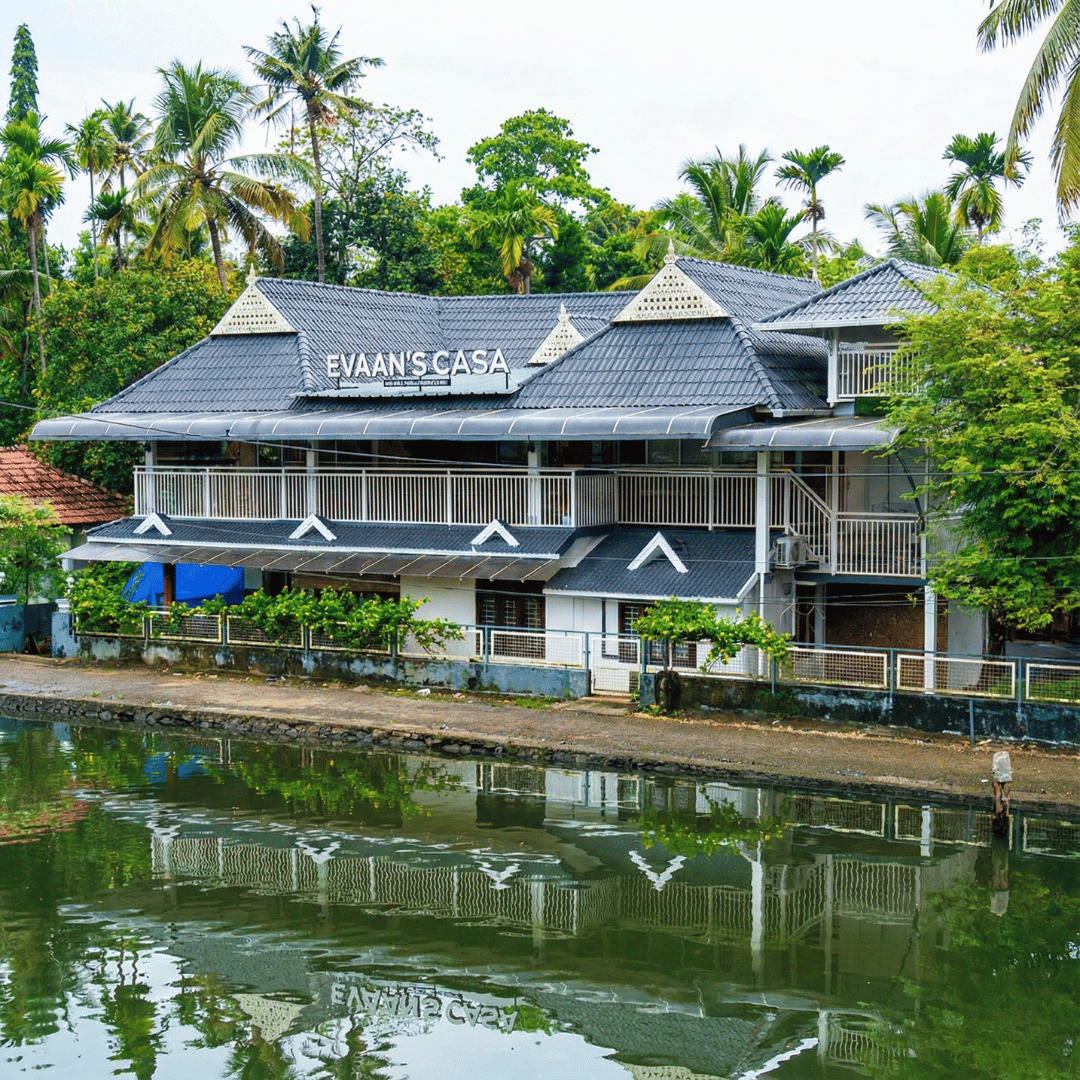
Alleppey (Alappuzha) and Kumarakom sit on opposite shores of the same lake, Vembanad. Both give you backwaters, coconut palms, houseboats and Kerala food, so the choice comes down to the kind of trip you want. We host guests at Punnamada on the Alleppey side, and we still recommend Kumarakom to some people. Here is an honest, detailed comparison.
The quick answer
- Choose Alleppey for more choice, better value, houseboats, village canals, Kuttanad and the beach.
- Choose Kumarakom for a polished resort holiday and birdwatching, where you mostly stay put.
- Can’t decide? Stay in Alleppey and visit Kumarakom for half a day.
Side by side
| Alleppey (Alappuzha) | Kumarakom | |
|---|---|---|
| Where | West shore of Vembanad Lake, Alappuzha district | East shore of Vembanad Lake, Kottayam district |
| Feel | Livelier, more choice, working villages | Quieter, more resort-focused |
| The backwaters | Narrow canals, the open lake and Kuttanad paddy fields | The lake edge and the bird sanctuary |
| Places to stay | Homestays, resorts, hotels and houseboats at every budget | Mostly mid-range and luxury resorts |
| Houseboats | The main hub, with the widest choice | Fewer boats, often booked through resorts |
| Beach | Alappuzha Beach, with Marari Beach nearby | No beach |
| Railway station | Alappuzha, on the coastal line | Kottayam |
| Big events | The Nehru Trophy boat race on Punnamada Lake, usually in August | — |
| Best for | First-timers, families, budgets, explorers | Resort stays, birdwatchers, honeymoons |
The backwater experience
In Alleppey, the backwaters are a network: the big open lake, the Punnamada stretch where the houseboats gather, and narrow village canals lined with homes, churches and paddy fields. From a small canoe you see daily life up close: children going to school by boat, fishermen at dawn, ducks being herded along the water.
In Kumarakom, the experience centres on the lake itself and the bird sanctuary. Resorts sit right on the water, and the atmosphere is calm and green. It is beautiful, but there is less village life on show, and fewer canals to explore.
Where you’ll stay
Alleppey has the widest range of anywhere on Vembanad Lake: family homestays, backwater resorts, town hotels and hundreds of houseboats. That makes it easier to find something that fits your budget. Our own rooms, on an island at Punnamada, start at ₹1,900 a night with breakfast. See where to stay in Alleppey.
Kumarakom is known for full-service lakeside resorts with pools, spas and restaurants. They are lovely for a special occasion, but they generally cost more, and there are fewer budget options.
Houseboats
If a houseboat is on your list, Alleppey is the natural choice. It is where most houseboats are based, so there is more choice of size, style and price. You can also combine a houseboat night with a stay on land. See our homestay + houseboat combo.
Things to do
| In and around Alleppey | In and around Kumarakom |
|---|---|
| Canoe rides through the village canals | Kumarakom Bird Sanctuary |
| Shikara and houseboat cruises on Vembanad Lake | Lakeside resort life: pool, spa, sunset |
| Kuttanad’s below-sea-level paddy fields | Boat rides on the lake |
| Alappuzha Beach, the pier and the lighthouse | Ayurveda treatments at resorts |
| Marari Beach | Village walks near the resorts |
| Temples, churches and Krishnapuram Palace | |
| The Nehru Trophy boat race (usually August) |
More ideas: places to visit in Alleppey.
Cost
For the same comfort, Alleppey is usually better value. It has far more homestays and budget options, and houseboat competition keeps prices sensible. Kumarakom is mostly mid-range to luxury. See our Alleppey trip cost guide for a full budget.
Peace and quiet
Kumarakom has a reputation for being quieter, and its resorts are calm. But Alleppey has plenty of quiet corners away from the main roads. Our homestay is on an island with no road at all: guests arrive by boat, and at night the only sounds are water and birds. So choosing Alleppey for the price and variety doesn’t mean giving up the calm.
Which is better for you?
| You are… | Our suggestion |
|---|---|
| Visiting Kerala for the first time | Alleppey: more to see and do |
| A family with children | Alleppey: canoes, fishing, cycling and the beach keep kids busy |
| A couple wanting a resort | Kumarakom |
| A couple wanting quiet on a budget | An island stay in Alleppey |
| A keen birdwatcher | Kumarakom, or Alleppey with a day trip to the sanctuary |
| On a budget | Alleppey |
| Coming for the Nehru Trophy race | Alleppey, as close to Punnamada as possible |
| Wanting a houseboat night | Alleppey |
Doing both
Alleppey and Kumarakom are close enough to combine. Many guests stay in Alleppey and visit Kumarakom for half a day, by road or by boat across the lake. The bird sanctuary is best early in the morning. We are happy to help you plan the trip.
Our honest recommendation
For a first visit, most people get more out of Alleppey: more to see, more choice and better value. Just stay on the water, not in town. For a resort holiday where you barely leave the property, Kumarakom is lovely. Either way, give yourself at least two days. See how many days are enough for Alleppey.
Frequently asked questions
Is Alleppey and Kumarakom the same?
No. They are different places on opposite shores of Vembanad Lake. Alleppey is in Alappuzha district and Kumarakom is in Kottayam district.
Which is cheaper, Alleppey or Kumarakom?
Alleppey is generally cheaper, with far more homestays and budget options. Kumarakom is mostly mid-range and luxury resorts.
Which is better for a houseboat?
Alleppey, which has the largest choice of houseboats. See our homestay + houseboat combo.
Which is better for couples?
Both work. Kumarakom has romantic resorts, and in Alleppey a lake island stay gives you the same quiet at a lower price. See our couple stay page.
Which is better for families?
Usually Alleppey, which has more activities, the beach and larger family rooms at lower prices. See our family homestay.
Can I visit Kumarakom from Alleppey in a day?
Yes. It makes an easy half-day or day trip by road or by boat.
Is Alleppey too crowded?
The main houseboat routes get busy in peak season, but the village canals and the lake islands stay quiet all year.
See our rooms and prices, or message us on WhatsApp +91 88484 96667.
Plan your stay at Evaan’s Casa
- Lake view homestay in Alleppey (Alappuzha)
- Where to stay in Alleppey: the complete guide
- Alleppey room booking: rooms and prices from ₹1,900
- Budget homestay in Alleppey under ₹2,000
- Backwater homestay on Vembanad Lake
- Punnamada homestay, Alappuzha
- Family homestay in Alleppey
- Honeymoon package and couple stay
Book direct on WhatsApp +91 88484 96667