- By :
- Comments: 0
Alleppey location
Last Updated: April 10, 2026
Quick Answer: Alleppey location
- The Alleppey location for a true backwater experience is on an island, accessible only by a six-minute country boat from the mainland jetty near Finishing Point.
- Local insider tip from Jackson: The best light for photos is just after dawn, when the mist hangs low and the only sounds are kingfishers diving and the soft slap of water on canoe hulls.
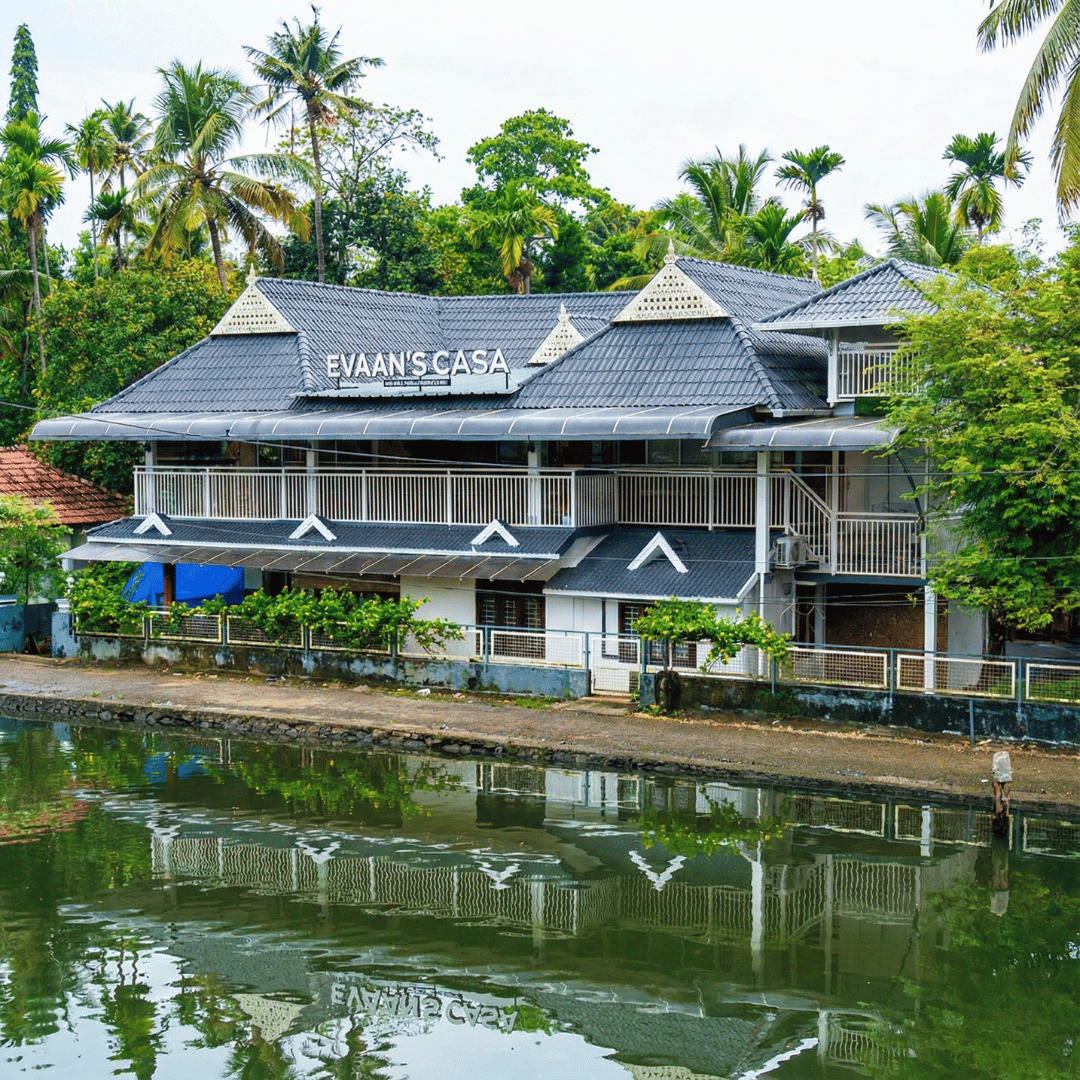
- Why Evaan’s Casa fits this search intent: Our homestay is on one of these quiet, vehicle-free islands, offering a genuine home-style stay right in the heart of the waterways you came to see.
I woke up this morning to the sound of rain on our tin roof, a steady, gentle drumming. It was still dark, the kind of dark that only exists away from streetlights. I stepped outside onto the wet laterite path, the smell of soaked earth and blooming night jasmine thick in the air. A single kerosene lamp glowed from a fisherman’s canoe already moving through the narrow canal, its light wobbling on the black water. This quiet, this specific damp morning feeling, is what I hope people find when they search for an Alleppey location. It’s not just a dot on a map.
What Is the Alleppey Location?
When you hear “Alleppey location,” you might picture the town’s main canal or the houseboat jetties. That’s part of it, sure. But the real location, the one that matters, is out here in the weave of smaller waterways and villages. It’s a geography of islands. Some are big enough for a few houses and a temple. Others, like ours, are just wide enough for a homestead, some coconut trees, and a vegetable patch.
This specific Alleppey location is defined by water. Roads don’t matter here. Canals are the highways. Your address is a landmark on a waterway—”near the big jackfruit tree after the third bend,” that sort of thing. It’s a different pace. The clock is set by sun positions and the schedule of the shared country boat that brings supplies. Honestly, I’d say if you’re not getting into a small boat to reach your stay, you’re still on the periphery. You haven’t quite arrived.
Why Does the Island Location Matter?
The six-minute boat ride from the mainland jetty is a threshold. You leave the auto-rickshaws and scooter noise behind. The sound changes. The diesel putter of the boat engine replaces car horns. You glide past water hyacinths and laundry being beaten on stones at the water’s edge. Then you step onto our island. There’s no dock, just a laterite stone step.
Your shoes feel unnecessary almost immediately. The ground is cool packed earth. The isolation isn’t about being cut off—we have connectivity. It’s about simplification. The list of things that can happen here is shorter, and quieter. A delivery canoe arrives with vegetables. A neighbor calls across the water about the afternoon rain. The evening brings the smell of woodsmoke from cooking fires and the deep, resonant call of the night heron.
This island setting is the core of the Alleppey location experience. You are in it, not just looking at it from a waterfront room. The water isn’t a view; it’s your front yard and your road. Some guests disagree with me on this, and that’s fair. They prefer the convenience of a mainland hotel. But if you want the rhythm of backwater life, you need to be surrounded by it. The gentle rock of a canoe becomes your most familiar sensation.
What Home-Style Food Can You Expect Here?
Food here is tied to the day and the land. Breakfast might be soft, lacy appam with a mild, fragrant vegetable stew, the coconut milk sourced from the trees you can see from the table. The taste is clean and comforting. Lunch is often the full, traditional spread served on a banana leaf—a Kerala Sadhya. It’s not a rushed affair. You start with a pinch of salt, then the rice, and then the parade of dishes: sour mango curry, bitter gourd sautéed with coconut, smooth avial with drumsticks, tangy pulissery.
Karimeen Pollichathu, the pearl spot fish marinated in spices, wrapped in a banana leaf, and pan-grilled, is a must. The fish comes from these waters. You can smell the banana leaf charring and the mustard seeds crackling in coconut oil from the kitchen. Snacks are simple. Maybe a crispy banana fritter with a cup of black tea in the afternoon, watching the boats go by. Dinner is lighter. Perhaps puttu—steamed rice flour cylinders—with kadala curry, a black chickpea gravy that’s deeply spiced and satisfying.
The ingredients don’t travel far. The coconuts are from our trees. The tapioca might be from a neighbor’s plot. The meals are prepared in the kitchen at our homestay, following the rhythms of traditional home cooking. It’s filling, flavorful, and meant to be eaten with your fingers, feeling the texture of the rice and the warmth of the food. It completes the sense of place.
Jackson’s Practical Tips for Visitors
Here are a few things I tell everyone who stays with us.
- Pack a small torch. Island paths are dark at night. The stars are incredible, but you’ll want light for your feet.
- Forget fancy shoes. Sandals or flip-flops you can slip off for boat rides and wear around the island are perfect. Your shoes will get dusty or wet.
- Most people skip this, but visit the local chayakada (tea shop). Not a fancy café. The one by the main jetty. Have a strong “kattan” black tea and a parotta for real local flavor. It’s where the boatmen take their break.
- The public country boat to the mainland runs every two hours, starting around 7 AM. The last return trip is usually by 6:30 PM. Plan around it, or we can arrange a private canoe.
- Bring a reusable water bottle. We provide filtered drinking water. It cuts down on plastic, which is a real problem in these waterways.
What Is the Best Time to Visit Alappuzha for the Alleppey Location?
It completely depends on what you want. Each season rewrites the landscape.
Monsoon (June to September): The water rises. The greenery is an almost violent, saturated green. Rain comes in powerful, warm sheets, then clears to brilliant sunshine. The air smells like wet clay and leaves. It’s the most dramatic time. The downside? Some activities, like long canoe trips, can get interrupted. You need to be okay with slowing right down. Mosquitoes are more present. But if you love the sound of rain and don’t mind getting a little damp, it’s transformative.
Winter (November to February): This is the classic, postcard season. The skies are clear, the sun is gentle, and the humidity drops. It’s perfect for being on the water all day. The nights are cool enough for a light sweater. It’s also the busiest time. The waterways see more traffic. Bookings for places like Evaan’s Casa fill up early. The light is golden and perfect from dawn till dusk.
Summer (March to May): It gets hot. The sun is strong by mid-morning. But the heat has its own charm. Mornings are glorious. The water is warm for a swim. Life happens early and then again late in the day, with long, lazy afternoons in the shade. It’s the quietest season. You’ll have the canals mostly to yourself. Just be prepared for the heat—light cotton clothes, a hat, and a lot of water are essential.
Frequently Asked Questions About the Alleppey Location
How far is the island from the Alleppey town center?
By road and then boat, it’s about a twenty-minute drive from the bus stand or railway station to our jetty, then the six-minute boat ride. In distance, it’s not far. In feeling, it’s a world away. The town feels busy and noisy once you’ve been out here a day.
Is it safe to stay on an island?
Yes, absolutely. Our island community is small and close-knit. Crime is virtually unheard of. The main considerations are practical: watching your step on the paths at night and being mindful of water safety if you’re not a strong swimmer. We’re always here to help.
What should I pack for an island homestay?
Light, breathable cotton clothes are best. A sun hat, sunglasses, and strong sunscreen. That torch I mentioned. Mosquito repellent is wise, though we provide nets. Most importantly, pack a mindset ready to unplug and adapt to a simpler rhythm. Leave the formal wear and high heels behind.
Is WiFi available?
We have a mobile WiFi unit. It works well for messages and emails, but don’t expect to stream high-definition movies. The connection can be moody, especially during heavy rain. Look, here’s the thing: the slower connection is part of the point. It encourages you to look up, to watch the water, to read a book, or just talk.
I’m probably biased, but I think the search for the right Alleppey location ends when you stop being a spectator. It ends when you feel the cool canal water on your fingers as you help pull the canoe in. It ends when you know the sound of our specific rooster in the morning. The location isn’t just where you sleep. It’s the taste of the food, the texture of the air, the cadence of the day. It’s the quiet that settles in after the last boat engine fades. We’ve built Evaan’s Casa to be a part of that, a comfortable base from which to let this place sink in. I hope you find your way here, to this particular patch of water and land, whenever you’re ready.