- By :
- Comments: 0
alleppey homestay with local experience
Last Updated: May 05, 2026
Quick Answer: alleppey homestay with local experience
- An alleppey homestay with local experience means staying on a real island in the backwaters, not in a hotel on the main road. You eat home-style Kerala food, ride a canoe through narrow canals, and wake up to the sound of water lapping against the shore. No tourist buses. No fake cultural shows.
- Local insider tip from Jackson: Skip the houseboat for the first night. Stay on land at a homestay first. You’ll actually meet people, eat real food, and understand how we live here. Houseboats are beautiful but isolating — you float past life but never touch it.
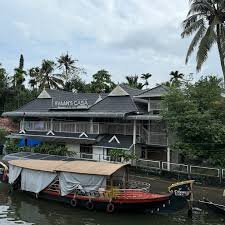
- Why Evaan’s Casa fits this search intent: We’re on a private island, a 6-minute boat ride from the mainland. No road noise. No crowds. Just coconut groves, traditional meals cooked at the homestay, and a local host (me, Jackson) who grew up on these backwaters. This is the real local experience.
I’m sitting on the veranda of Evaan’s Casa right now, typing this as the sun burns off the morning mist over the lake. It’s 6:15 AM. The only sounds are a rooster somewhere across the water, the slap of a fisherman’s oar, and mustard seeds crackling in coconut oil from the kitchen. A kingfisher just dove into the canal ten feet from where I’m sitting. Missed the fish. He’ll try again.
I was born on this island. Not at a hospital — at home, in a house that used to stand where our coconut grove is now. My father was a toddy tapper. My mother grew paddy and vegetables. I learned to swim before I could walk properly, because the water is everywhere here. It’s not a metaphor. The water is literally everywhere.
When guests ask me what an alleppey homestay with local experience actually means, I tell them this: it means you stay in a place where the host lives on the property. Where you eat what we eat. Where you see real life happening around you, not a staged version of it for tourists.
Most people skip this but here’s the thing — a lot of places call themselves homestays in Alleppey. Some are just guesthouses with a family living in a separate building. Some are hotels that rebranded. A real homestay, the way I understand it, means you share space with the family. You might eat at the same table. You definitely eat the same food. You ask questions and get real answers, not brochure lines.
At Evaan’s Casa, we’re on our own island. Not a resort island with manicured gardens and poolside bars. A real island where coconut trees grow wild, where the path to the water is muddy after rain, where the neighbor’s goat sometimes wanders into our garden. That’s the experience. That’s what an alleppey homestay with local experience should feel like.
What Is an Alleppey Homestay with Local Experience?
Honestly, I’d say it’s about proximity. Physical proximity to the backwaters, sure. But also proximity to how people actually live here.
An alleppey homestay with local experience isn’t about watching a Kathakali performance in a hotel lobby. It’s about sitting on the bank at sunset while an old man named Soman fixes his fishing net and tells you about the flood of ’92. It’s about eating a banana leaf meal with your hands, not because it’s exotic, but because that’s how we’ve eaten for centuries and the rice tastes better that way.
Most people who search for an alleppey homestay with local experience are looking to escape the packaged tour. They’ve seen the glossy photos of houseboats with rose petals on the bed. They want something real. Something with texture and smell and sound.
That’s what we offer. Our island is small — you can walk across it in fifteen minutes. There are maybe forty families living here. Everyone knows everyone. When you arrive at our jetty, the neighbor’s kids will probably wave at you. The woman selling coconuts will ask where you’re from. That’s not scripted. That’s just Tuesday.
Why Does the Island Location Matter?
Look, here’s the thing about Alleppey town itself. It’s busy. Loud. Auto-rickshaws everywhere, honking, dust, crowds. The backwaters are beautiful, but the town can be overwhelming.
Our island is a six-minute boat ride from the mainland. There’s no road access. None. You arrive by boat or you don’t arrive at all.
That changes everything.
When you step off the boat onto our jetty, the noise disappears. Not gradually — immediately. The air smells different. Green and damp and alive. The only vehicle on the island is a bicycle, and there are maybe three of those.
An alleppey homestay with local experience needs that isolation. Because local life happens quietly. It happens early in the morning when the fishermen leave before dawn. It happens in the afternoon when everyone naps through the heat. It happens in the evening when the women gather at the well to talk.
You can’t experience that from a houseboat that’s drifting past. You need to be still. You need to stay somewhere and let the day unfold around you.
I’m probably biased, but I think the island is the best part of staying here. Some guests disagree with me on this, and that’s fair. They prefer being closer to town, closer to restaurants and shops. But for an alleppey homestay with local experience, the island is essential. You can’t rush back to the mainland every time you get bored. You have to sit with the quiet. And eventually, the quiet becomes the best part.
What Home-Style Food Can You Expect Here?
Let me be specific about the food, because this is where most homestays in Kerala either shine or fall flat.
The kitchen at our homestay prepares traditional Kerala meals using ingredients from the local market and sometimes from our own garden. Coconut from the trees you can see from your window. Fish caught that morning in the lake behind us. Rice from a mill twenty kilometers away.
A typical breakfast might be Appam with vegetable stew or egg curry. Appam is a lacy rice flour pancake with a soft, spongy center. The stew is coconut milk based, with carrots, beans, and potatoes. Sometimes there’s Puttu — steamed cylinders of rice flour and grated coconut — with Kadala curry, which is black chickpeas cooked in a thick, spiced gravy. You eat it with your hands. The Puttu is soft and crumbly. The curry is warm and earthy. Together, they’re perfect.
Lunch is often a full Kerala Sadhya served on a banana leaf. This is a feast. Rice in the center, surrounded by small mounds of different dishes. Parippu (dal cooked with turmeric and coconut), Sambar (vegetable stew with tamarind and lentils), Avial (mixed vegetables in coconut and yogurt), Thoran (stir-fried vegetables with grated coconut), Pickle, Pappadam, and Payasam for dessert — a sweet, creamy pudding made with milk, jaggery, and rice or vermicelli. You eat with your right hand. You mix things together. You make each bite different.
Dinner might be Karimeen Pollichathu — pearl spot fish marinated in a paste of chilies, ginger, garlic, and turmeric, wrapped in a banana leaf, and cooked until the flesh is flaky and infused with smoke. Served with steamed rice and a simple salad of shallots and coconut.
The food changes with the season. During monsoon, there are more fried snacks — banana fritters, jackfruit chips, spicy fish fry. During winter, the vegetables change. But the constant is that everything is prepared fresh, daily, at the homestay. No shortcuts. No frozen ingredients.
An alleppey homestay with local experience means eating what the season provides. We don’t have a menu. We cook what’s good that day. If you have dietary restrictions, tell me in advance and we’ll adjust. But trust the kitchen. They know what they’re doing.
Jackson’s Practical Tips for Visitors
I’ve been hosting guests for over seven years now. Here’s what I’ve learned. These tips will make your alleppey homestay with local experience much better.
- Arrive before 4 PM. The last public boat to our island leaves around 6 PM from the main jetty in Alleppey town. If you come after dark, you’ll need a private boat, which costs extra. Also, the sunset boat ride to the island is gorgeous — you don’t want to miss it. The light on the water, the egrets flying home, the smell of woodsmoke from the island kitchens. Aim for late afternoon arrival.
- Bring mosquito repellent. I’m not trying to scare you. The mosquitoes here aren’t worse than anywhere else in tropical Asia. But they exist. We provide nets over the beds and coils in the rooms. Still, bring your own repellent. Especially if you’re planning to sit outside in the evening. The breeze from the water helps, but at dusk, they come out.
- Pack light, but pack smart. You’ll be carrying your luggage from the boat to the homestay. The path is about 200 meters through the coconut grove. It’s not difficult, but it’s not a paved sidewalk. Backpacks are better than suitcases with wheels. Bring clothes that dry quickly — cotton and linen work well. A flashlight or headlamp is useful for night walks. And bring a reusable water bottle. We have filtered drinking water available.
- Take the early morning canoe ride. Most guests book a canoe ride for the afternoon. I always suggest going at 6 AM instead. The canals are empty. The birds are active. You’ll see kingfishers, herons, cormorants, and if you’re lucky, an otter. The water is flat and still. The only sound is the paddle dipping and the birds calling. It’s the most peaceful hour of the day. Most travel blogs don’t mention this because they don’t stay on the island. They come on day trips and miss the morning magic.
- Don’t overschedule. This is the most important tip. An alleppey homestay with local experience works best when you leave room for nothing. Sit on the veranda and watch the boats pass. Walk through the coconut grove. Take a nap in the hammock. Talk to me or to other guests. The best moments are unplanned. If you fill every hour with activities, you’ll miss the point of staying here.
What Is the Best Time to Visit Alappuzha for an Alleppey Homestay with Local Experience?
The answer depends on what you want. Let me break it down by season.
Winter (November to February) — This is peak season for good reason. The weather is pleasant. Low humidity. Temperatures around 25 to 30 degrees Celsius. Clear skies. The backwaters are calm. This is the best time for an alleppey homestay with local experience if you want comfortable sightseeing, long boat rides, and evenings on the veranda without sweating. The downside? It’s crowded. More tourists. Higher prices. Book at least a month in advance.
Summer (March to May) — Hot. Humid. Temperatures can hit 35 degrees with humidity making it feel higher. The afternoons are punishing. But mornings and evenings are beautiful. This is a good time if you want lower prices and fewer tourists. You’ll spend the middle of the day resting, which honestly fits the local rhythm. Most of us nap through the heat anyway. An alleppey homestay with local experience in summer means slow days, cold lime juice, and swimming in the lake.
Monsoon (June to September) — This is my personal favorite. I know most tourists avoid monsoon, but they’re missing something special. The rain turns everything green. Really green. The canals fill up. The waterfalls in the nearby hills roar. The sound of rain on the tin roof of the homestay is the best sleep aid you’ll ever find. The downside: boat rides might get canceled on heavy rain days. Some activities stop. But if you want solitude, peace, and the raw beauty of Kerala in the rain, come in July or August. An alleppey homestay with local experience during monsoon is for people who don’t need constant entertainment. It’s for readers, writers, thinkers, and lovers of weather.
Post-monsoon (October) — A transition month. The rain tapers off. The landscape is lush. The crowds haven’t arrived yet. This is a sweet spot that many travelers overlook.
Honestly, there’s no bad time. Each season offers a different version of the same experience. The island doesn’t change. The food doesn’t change. The hospitality doesn’t change. Only the weather does.
Frequently Asked Questions About Alleppey Homestay with Local Experience
How far is Evaan’s Casa from Alleppey town?
We’re on an island, about a 6-minute boat ride from the mainland jetty. From there, it’s another 10 minutes by auto-rickshaw to the main Alleppey town center. Total travel time from the town to our homestay is about 25 to 30 minutes, including the boat ride. We arrange the boat transfer for you on arrival.
Is it safe for solo travelers, especially women?
Yes. Our island is very safe. Everyone knows everyone. Crime is virtually non-existent. We have had many solo female travelers stay with us over the years. The homestay is secure, and I’m always on the property. That said, use common sense — don’t walk alone late at night on unlit paths, lock your room, and let me know if you’re going out. The same precautions you’d take anywhere.
What should I bring for an alleppey homestay with local experience?
Light cotton clothes, mosquito repellent, a flashlight, sunscreen, a hat, and a good book. Also bring a small bag for wet clothes — you’ll likely get splashed on the boat ride. If you’re visiting in monsoon, bring a rain jacket or umbrella. We provide towels, bedding, and toiletries. You don’t need to bring those.
Is WiFi available at the homestay?
Yes, we have WiFi. It works well for browsing, social media, and video calls. But please understand that we’re on an island. The connection can be slower during peak usage or in heavy rain. I always tell guests: treat the WiFi as a backup, not a primary source of entertainment. Use it to check emails or post photos. Then put the phone down and look at the water instead.
Can I bring my children?
Absolutely. We welcome families. The island is a wonderful place for children — they can run around safely, see birds and fish, help the kitchen pluck coconuts, and paddle in the shallow water near the jetty. We have rooms that can accommodate families. Just let me know in advance so we can prepare. There’s no TV in the rooms, but honestly, kids here find plenty to do without screens.
How much does an alleppey homestay with local experience cost?
Prices vary by season and room type. Generally, we’re very affordable compared to hotels and resorts. You get better food, better location, and a more personal experience for less money. Contact me directly through the Evaan’s Casa website for current rates. I don’t list prices online because they change with demand and season, and I prefer to discuss directly with each guest to understand what they need.
I’ve been doing this for a long time now. Hosting people from all over the world on my little island. Watching them arrive nervous and leave relaxed. Seeing them eat their first real Kerala meal, take their first canoe ride, hear the first night sounds of the backwaters.
An alleppey homestay with local experience isn’t complicated. It’s just real life on the water, shared with people who want to understand it. You don’t need a guidebook for it. You don’t need a plan. You just need to show up, eat the food, listen to the sounds, and let the island do its work.
If that sounds like something you’d want, you know where to find me. Come stay at Evaan’s Casa. I’ll be here. Probably on the veranda, drinking chai, watching the kingfisher try again for that fish.
— Jackson