- By :
- Comments: 0
alleppey homestay with air conditioning
Last Updated: April 29, 2026
Quick Answer: alleppey homestay with air conditioning
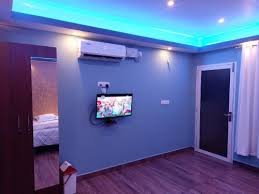
- An alleppey homestay with air conditioning means you get cool comfort in Kerala’s humid climate, often on a private island like ours, with a 6-minute boat ride from the mainland.
- Local insider tip from Jackson: Most guests book AC rooms but end up sleeping with the balcony door open at night — the lake breeze from Vembanad Lake is stronger than any fan. Bring a light jacket for the boat ride.
- Evaan’s Casa fits this search intent because we offer AC in every room, but the real cooling comes from our island location — no traffic noise, just water and coconut palms all around.
I woke up at 5:15 this morning. Not because my alarm went off — we don’t use those here. The sound of a Vallam boat engine humming across the backwaters pulled me out of sleep. It’s a low, steady thrum that echoes off the water. I sat up, swung my feet onto the cool tile floor, and walked to the window. The sun was just starting to turn the sky above Vembanad Lake a soft orange. The air was thick and warm, the way it always is in May. But inside my room, the AC had kept everything dry and cool. That’s the thing about an alleppey homestay with air conditioning — you get the real Kerala experience without sweating through your shirt while you sleep.
I’ve been running this homestay for twelve years now. Before that, I lived in this house with my brothers. We grew up right here, on this small island in the middle of the backwaters. Back then, we didn’t have AC. We slept on woven mats on the veranda, hoping for a breeze off the lake. My father used to say the heat builds character. Maybe he was right. But I’ll be honest — I prefer the AC. And so do our guests.
Most people who search for an “alleppey homestay with air conditioning” are looking for the same thing: they want the charm of a traditional homestay, the peace of the backwaters, but they don’t want to lie awake at night dripping sweat onto a pillow. I get it. I’ve been there. The humidity in Alappuzha is no joke. From March to October, the air hangs heavy on your skin like a wet towel. An AC unit isn’t a luxury here — it’s a necessity for anyone who isn’t used to this climate.
What Is an Alleppey Homestay with Air Conditioning, Really?
Let me explain this from a local’s perspective. An alleppey homestay with air conditioning isn’t just a room with a metal box on the wall. It’s about balance. Our island has no roads. No cars. No honking. The only way to get here is by boat. When you arrive, the first thing you notice is the quiet. The second thing you notice is the humidity — thick, green, alive. The AC gives you a place to retreat when the heat gets too much. But we designed our rooms so you don’t have to stay inside all day. Each room has a sit-out with a view of the coconut grove. You can sit there with a cup of chai and watch the kingfishers dive for fish.
The AC units we use are split systems, not window-mounted ones. They’re quieter. They cool the room faster. And they don’t block the view from the windows. Some guests ask me why we bothered with AC at all, since the island stays cooler than the mainland. It’s true — the lake breeze does help. But during the hot months, especially April and May, the temperature inside can still hit 32 degrees Celsius by midday. Not exactly comfortable for a nap.
Look, here’s the thing: I probably could run this place without AC and still get bookings. Some travelers want the rustic experience. But most people who come to Kerala are here for a holiday. They want to explore the backwaters, eat good food, and sleep well at night. An alleppey homestay with air conditioning gives them that option. They can choose when to feel the tropical heat and when to escape it.
Why Does the Island Location Matter?
This is where I get to brag a little. But I’ll keep it short. Our homestay sits on a private island in Vembanad Lake. It’s a six-minute boat ride from the mainland jetty. That’s it. Six minutes. But those six minutes change everything.
When you step off the boat onto our island, the noise of Alappuzha town disappears. No auto-rickshaw horns. No temple announcements over loudspeakers. Just the rustle of coconut fronds and the lapping of water against the shore. The air smells different here — like wet earth and jasmine flowers from the garden my brother planted years ago.
I’ve had guests tell me they felt their shoulders drop the moment they walked onto the dock. That’s the island effect. And when you add AC to that equation, you get something special. You can spend the morning on a houseboat cruise through the backwaters, sweating under the sun, watching the rice paddies and village life go by. Then you come back to the homestay, take a cold shower, and step into an air-conditioned room. The contrast is what makes it memorable.
An alleppey homestay with air conditioning on an island is rare. Most AC homestays in Alappuzha are on the mainland, near the town center or along the canal roads. They’re convenient, sure. But you don’t get the isolation. You don’t get the feeling of being completely surrounded by water and green. Here, the only sounds at night are the croaking of frogs and the occasional splash of a fish jumping in the lake.
What Home-Style Food Can You Expect Here?
Alright, let’s talk about food. Because honestly, this is what most guests remember long after they’ve forgotten the AC temperature or the size of the room.
The kitchen at our homestay prepares traditional Kerala meals using ingredients sourced from the local market in Alappuzha town. Every morning, someone takes the 7 AM boat to the mainland and walks to the market near the canal. They bring back fresh fish — Karimeen (pearl spot), Chemmeen (prawns), and sometimes Aiykoora (kingfish) if the catch is good. Vegetables come from the nearby farms. Coconut is grated fresh every day.
A typical lunch here is a Kerala Sadhya served on a banana leaf. The leaf is placed in front of you, and then the dishes start arriving. Parippu (dal), Sambar, Avial (mixed vegetables in coconut), Thoran (stir-fried vegetables with grated coconut), Pachadi (yogurt-based side), and at least two types of pickles. The rice is Matta rice — the red, unpolished variety that has a nutty flavor and a chewy texture. You eat with your right hand. No spoons. It tastes better that way. I don’t know why, but it does.
For dinner, the menu changes. Some nights it’s Appam with vegetable stew — the appams are light and lacy, with a soft center and crispy edges. Other nights it’s Puttu and Kadala curry. Puttu is steamed cylinders of rice flour and coconut, served with a dark, spicy black chickpea curry. The smell of puttu cooking in the morning is one of my favorite things in the world. It’s subtle — steamed rice and coconut — but it fills the whole house.
The star dish, if I had to pick one, is Karimeen Pollichathu. The fish is marinated in a paste of red chilies, turmeric, ginger, garlic, and coconut, then wrapped in a banana leaf and pan-fried until the leaf chars slightly and the fish inside steams in its own juices. The first bite is always a shock — the heat hits your tongue, then the sweetness of the coconut balances it out. We serve it with steamed rice and a simple salad of sliced cucumber and shallots.
I’m probably biased, but I think the food here is the best part of staying at an alleppey homestay with air conditioning. The AC keeps you comfortable while you eat, but the flavors are what stay with you.
Jackson’s Practical Tips for Visitors
I’ve been hosting guests long enough to know what works and what doesn’t. Here are four things I tell everyone who books with us:
- Bring mosquito repellent. Yes, the rooms have AC and mosquito nets. But during the evening hours, especially around sunset, the mosquitoes come out in force. We spray the garden regularly, but these are Kerala mosquitoes — they’re persistent. A good repellent with DEET makes a difference.
- Don’t pack too many clothes. You’ll sweat through them anyway. And the humidity means nothing dries fast. Bring light cottons and linens. Leave the synthetics at home. Also, bring a sarong or a light wrap — you’ll use it for the boat ride, for sitting on the veranda, and for covering your shoulders if you visit a temple.
- Take the early morning canoe ride. Most guests skip this because they want to sleep in. Don’t. We offer a guided canoe trip through the narrow canals at 6:30 AM. The water is glassy. The birds are active. You’ll see kingfishers, egrets, and if you’re lucky, a monitor lizard swimming between the water hyacinths. It’s the quietest hour of the day on the backwaters.
- Plan your meals around the boat schedule. The last public ferry from the mainland to our island leaves at 7:30 PM. If you’re out exploring and miss it, you’ll need to call me for a private boat pickup. That costs extra. Better to plan your day so you’re back by 7 PM, have a cold drink, and then sit down for dinner.
- Bring a small flashlight. The island has path lights, but they’re dim by design. We don’t want bright lights disturbing the night atmosphere. A small torch helps when you’re walking from the dining area to your room after dinner.
What Is the Best Time to Visit Alappuzha for an Alleppey Homestay with Air Conditioning?
This depends on what you want. Let me break it down by season.
Winter — November to February: This is peak season for a reason. The weather is pleasant. Daytime temperatures hover around 28 to 30 degrees Celsius. Nights can drop to 22 degrees. You might not even need the AC at night — the lake breeze is enough. But I’d still keep the AC on for an hour before bed to take the humidity out of the air. This is the best time for houseboat cruises and backwater tours. The water is calm. The skies are clear. Book early, because rooms fill up fast.
Summer — March to May: This is hot. Really hot. Daytime temperatures hit 35 degrees Celsius easily. The humidity is brutal. But this is also when the AC matters most. An alleppey homestay with air conditioning during summer is a lifesaver. The rooms stay cool, and you can nap in the afternoon without melting. The upside? Fewer tourists. Lower prices. The backwaters are still beautiful, just hotter. Most guests spend their mornings out and their afternoons in the AC room, reading or napping. I recommend early morning canoe rides and late evening walks. Avoid being outside between 11 AM and 3 PM.
Monsoon — June to September: This is my personal favorite. The rain comes in waves. It pours for hours, then clears up. The island turns a deeper shade of green. The air smells like wet earth and washed leaves. The AC is useful here too, but for a different reason — it dries out the room. Monsoon humidity is intense. Clothes feel damp all the time. Running the AC for a few hours pulls the moisture out of the air. The downside? Some backwater tours get canceled during heavy rain. The boats are safe, but nobody wants to sit in a houseboat while it’s pouring. Come prepared with a good book and a raincoat.
Some guests disagree with me on this, and that’s fair. They prefer winter. But I think the monsoon has a raw beauty that you don’t see in postcards. The water level rises. The canals fill up. The lotus flowers bloom in the lake. It’s a different Kerala — quieter, more intimate.
Frequently Asked Questions About an Alleppey Homestay with Air Conditioning
How far is the homestay from Alappuzha town?
We’re about 6 minutes by boat from the mainland. Once you dock at the Alappuzha boat jetty, you take a short auto-rickshaw ride (10 minutes) to the town center. The total travel time from the railway station or bus stand is about 30 to 40 minutes, including the boat ride.
Is it safe to stay on an island at night?
Completely safe. The island is small, and we know everyone here. There’s no road access, so no random vehicles come through. The only movement at night is the occasional fishing boat. We have security lights around the property, and all rooms have locks and safety chains. Single women travelers stay with us often and have never reported any issues.
What should I bring for an AC homestay stay?
Bring light cotton clothes, mosquito repellent, a flashlight, and a reusable water bottle. We provide filtered drinking water, but having a bottle for the boat rides is handy. Also bring sunscreen and a hat — the sun reflects off the water and can burn you faster than you’d expect.
Is WiFi available in the rooms?
Yes, we have fiber optic internet. The WiFi signal reaches all the rooms and the common areas. It’s fast enough for video calls and streaming. But honestly, I hope you spend more time looking at the lake than at your phone. Most guests end up using the WiFi less than they planned.
Can I bring my kids to this homestay?
Absolutely. We have families stay with us often. The island is safe for children to explore — no traffic, just gardens and the waterfront. We can arrange a extra bed in the AC room or connect two rooms if you need more space. Just let me know in advance so we can prepare.
How much does an AC room cost per night?
Our rates vary by season. In winter (November to February), a standard AC room starts at around 4,500 rupees per night, including breakfast and dinner. Summer and monsoon rates are lower — around 3,200 to 3,500 rupees per night. Check our website for current pricing: Evaan’s Casa.
Wrapping Up the Conversation
I’ve been sitting on the veranda while writing this. The afternoon sun is slanting through the coconut palms, casting long shadows across the garden. A small boat drifts past on the canal, carrying a man with a fishing rod. He waves. I wave back. This is normal life here.
If you’re searching for an alleppey homestay with air conditioning, I hope you find what you’re looking for. I hope you find a place that gives you the real Kerala — the smell of the backwaters, the taste of fresh Karimeen, the sound of rain on a tin roof — but also gives you the comfort of a cool room at the end of the day.
That’s what we try to do at Evaan’s Casa. We’re not a resort. We’re not a hotel. We’re a home on an island, with AC in every room and a kitchen that makes food you’ll dream about months later.
Come visit. Or don’t. Either way, the backwaters will still be here. The kingfishers will still dive. And I’ll be here, probably drinking chai, watching the boats go by.