- By :
- Comments: 0
What a year on our island actually looks like
What a year on our island actually looks like
Last Updated: September 10, 2026
The first thing guests say, almost always, is how quiet it is. No horns, no two-wheelers revving, no neighbour’s TV bleeding through the wall. Just the water slapping the boat hull and some bird arguing with itself in the coconut palm. That moment of realisation — oh, there’s no road out here — is my favourite part of the job.
We are a six-minute boat ride from the Punnamada jetty. No road access, which sounds inconvenient until you’re sitting on the veranda with a glass of buttermilk and the only decision is whether to watch the fishing boats or the clouds. I grew up on these backwaters, so I forget how strange it must feel at first. The island is surrounded by paddy fields and quiet villages, and the lake stretches out wide enough that you stop thinking about schedules.
But here’s the thing nobody tells you about a homestay with river view Alappuzha: the view changes with the season, and so does the experience. Some months are magic. Some are wet, loud, and a little bit messy. I think you should know the difference before you come.
Monsoon here is not what you think
Most people imagine monsoon as a curtain of rain you hide from. They picture grey skies and cancelled plans. Honestly, they’re half right. From June to September, the rain comes down hard and it doesn’t ask permission. The water rises close to the paddy bunds, and the frogs get louder than the birds. You will hear them at night, a full chorus that drowns out the generator hum.
But here’s the part that surprises people: the rain is warm. It falls on tin roofs like a drumroll, and the air smells of wet earth and coconut husk. The lake turns the colour of strong tea, and the fish jump more than they do in winter. Some guests sit on the covered veranda for hours, just watching the raindrops hit the water. No phone signal to speak of — that’s honest — but also no reason to check it.
The trade-off is real. Boat rides get bumpy. Your sandals will never fully dry. But I’ve seen couples hold hands under one umbrella and not say a word for twenty minutes. That’s the monsoon crowd. They’re not here for postcards.
Summer on the lake
March to May is a different animal. The heat sits on your shoulders like a wet towel, and the afternoons slow to a crawl. You’ll want a fan on full blast and a nap after lunch. The water is lower, the paddy fields turn golden before harvest, and the sunsets come early and loud — orange and purple smeared across the sky like someone spilled paint.
This is when the lake is at its calmest. The boat rides are smooth, the birds are lazy, and you can actually see the bottom near the shore. I tell guests to save their long walks for early morning, before the sun gets mean. The Thursday market near the Punnamada jetty is worth the trip — that’s where we buy most of our vegetables. The tomatoes here are smaller and sourer than city ones, and they taste like a tomato should.
Summer has its flaws. The mosquitoes come out at dusk, no denying that. We have nets and repellent, but they’re part of the deal. Some guests disagree with me, and that’s fair — but I’d rather you know now than complain later. The evenings, though, make up for it. That’s when the veranda becomes the best seat in Kerala, with the cool breeze off the lake and the sound of a vallam’s diesel engine fading in the distance.
When I’d tell my own friends to come
If you ask me straight, I’d say November to February. The winter months are what people picture when they book a homestay with river view Alappuzha — clear skies, gentle mornings, and water that looks like glass at sunrise. The temperature drops just enough to make the afternoons pleasant, and the evenings need a light shawl if you’re sitting out late.
There’s a retired teacher from Pune who comes back every January. She books the same room, sits in the same chair, and looks at the same stretch of lake every single day. I asked her once if she ever wants something different. She laughed and said that’s the whole point. The sameness is the luxury. I get that now.
One guest last winter asked our boatman to circle the island twice before landing. He just wanted to take it in slowly, he said. We did it, no rush, and I watched him lean over the side like a kid seeing the ocean for the first time. That’s winter for you. It makes people slow down without trying.
| Season | Months | Honest note |
|——–|——–|————-|
| Monsoon | Jun–Sep | Rain, frogs, cosy but damp. Bring patience. |
| Winter | Nov–Feb | Best weather. Clear mornings, calm lake, busy calendar. |
| Summer | Mar–May | Hot afternoons, but glorious evenings and empty trails. |
I’m biased, obviously. I’ve lived here my whole life, so every season feels like an old friend. But if you’re looking for the version of our island that matches the postcards, come in January. If you want to hear the rain on the tin roof and feel like the world has shrunk to just you and the water, come in July.
What guests usually ask before booking
Is it hard to get to the homestay?
No, but it’s not instant either. You drive to the Punnamada jetty, park your vehicle, and we’ll have a boat waiting. Six minutes on the water, and you’re here. Most people enjoy the ride more than they expect — it’s the first moment you leave the mainland behind.
What about food and meals?
Home-style Kerala food, prepared at the homestay. Breakfast is usually puttu and kadala or appam with stew, lunch is rice with sambar and thoran, and dinner is lighter. We use vegetables from the Thursday market, so the menu shifts with what’s fresh. Tell us if you want something specific, and we’ll do our best.
Do I need to bring anything special?
Insect repellent for the evenings, light cotton clothes for summer, and a book you’ve been meaning to finish. There’s no TV in the rooms, so entertainment is mostly the lake, the birds, and your own thoughts. Some guests bring binoculars. That’s a good idea.
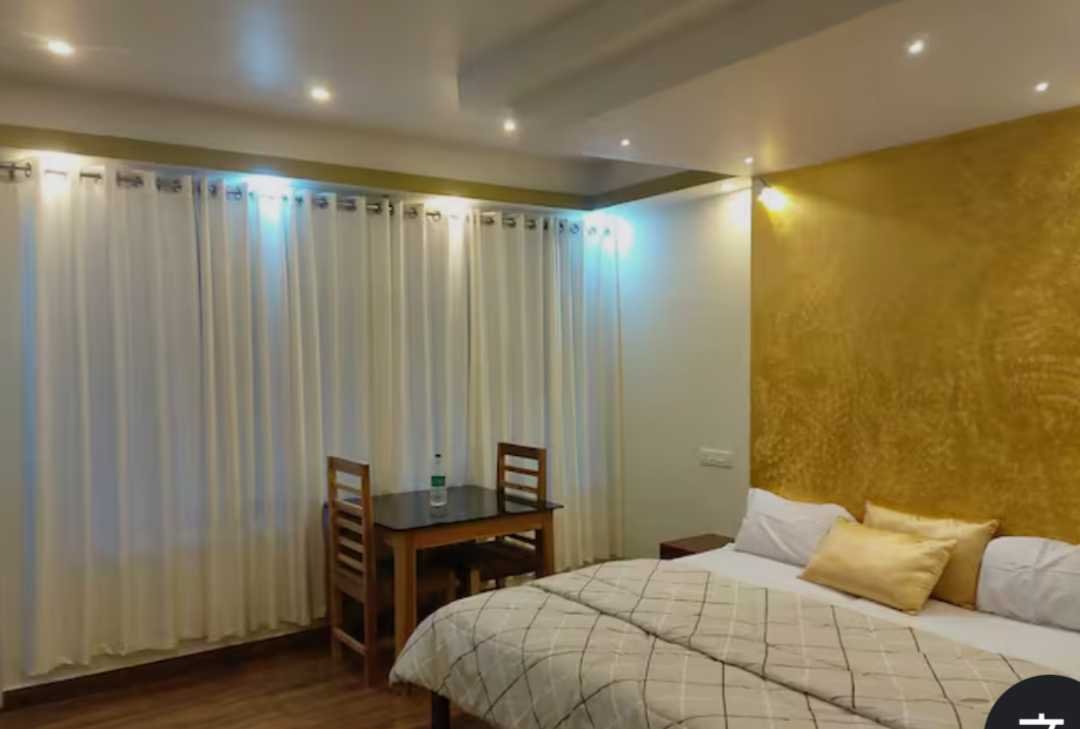
The rooms are simple and clean, with lake views, fans, mosquito nets, and hot water when you need it. No air conditioning, and the generator hums sometimes at night, but that’s part of staying somewhere real. You’re on an island, surrounded by paddy and palms, on Vembanad Lake. That’s the trade, and it’s worth making.
Most people skip this, but I’ll say it anyway — the best time to sit on the veranda is just before dawn. The water goes still, the birds start their shift, and the sky turns the colour of a ripening mango. You don’t need to do anything. Just be there.
Come find us at Evaan’s Casa when the season feels right. Or don’t — the lake will be here either way, waiting, the way it always has.
Take care, and bring good company.
Plan your stay at Evaan’s Casa
- Lake view homestay in Alleppey (Alappuzha)
- Where to stay in Alleppey: the complete guide
- Alleppey room booking: rooms and prices from ₹1,900
- Budget homestay in Alleppey under ₹2,000
- Backwater homestay on Vembanad Lake
- Punnamada homestay, Alappuzha
- Family homestay in Alleppey
- Honeymoon package and couple stay
Book direct on WhatsApp +91 88484 96667