- By :
- Comments: 0
homestay for writers Alleppey
homestay for writers Alleppey
Last Updated: August 01, 2026
Quick Answer: homestay for writers Alleppey
- Evaan’s Casa is a six-minute boat ride from the mainland, so you get silence, lake views, and zero traffic noise for focused writing.
- Bring a light rain jacket if you come in June — the afternoon showers hit hard around 3 PM, and the veranda becomes the best writing spot on the island.
- We offer simple rooms, home-style Kerala food, and a boat that runs on your schedule, not ours.
The rain starts slow on the tin roof, a few lazy drops that sound like someone testing a drum. Then it builds. A steady roar that washes out every other thought, every worry about deadlines or word counts. I sit on the veranda with my tea going cold, watching the lake turn to hammered silver. This is the sound that makes writers stay an extra week.
I’m Jackson. I grew up on these backwaters, and I’ve been hosting people at Evaan’s Casa on our little island for years now. We have no road access. The only way here is by boat, a six-minute ride past the paddy fields and the coconut palms that lean over the water like they’re trying to drink from it. Most guests arrive tense, shoulders up by their ears. By the second day, they move slower. By the third, they’re writing things they didn’t know they had in them.
People ask me all the time about the best season to come. Honestly, there’s no simple answer. Each part of the year changes the island completely, and what’s perfect for one writer is a nightmare for another. Let me break it down the way I’d tell a friend, not a travel agent.
When is the best time to visit homestay for writers Alleppey?
Look, here’s the thing. If you need blue skies and golden sunsets for your creative flow, come between November and February. The winter here is gentle. Mornings start with a cool mist over the lake, the kind that makes you want to wrap your hands around a cup of chai and just stare. The afternoons are warm but not punishing. You can sit outside from sunrise to sunset without breaking a sweat.
But winter is also when everyone else discovers us. The island gets busier, though “busy” here is relative. You might hear a boat engine every hour instead of every three hours. The village market in Thakazhi has more people on Sunday mornings. If you need total solitude, the shoulder weeks in late November or early February are your sweet spot.
Most people skip the monsoon, and that’s their loss. June to September is when the island breathes. The rain comes in waves, sometimes soft and persistent, sometimes a full assault on the tin roof that makes writing feel like a heroic act. The lake rises, the paddy fields turn into mirrors, and the whole world goes green. Not a gentle green — a violent, almost electric green that you can smell in the wet earth.
What is the monsoon actually like out here?
The monsoon isn’t one thing. It’s a rhythm. Some days it drizzles from dawn to dusk, a grey curtain that muffles every sound except the frogs. Other days it’s clear in the morning, then the clouds roll in around 3 PM like they’re late for an appointment, and the sky opens up for exactly ninety minutes. I’ve timed it. The village boatmen know this too, which is why the 4 PM ferry from the mainland always has a few soaked passengers grinning like idiots.
The rain sound is the thing writers talk about most. It’s not just the drumming on the roof. It’s the way the drops hit the coconut fronds, the hiss as they meet the lake surface, the occasional thunder that rolls across the Vembanad like a stone skipping. Some guests leave the windows open at night just to hear it. One novelist told me she recorded it on her phone for white noise back home.
The trade-off? Everything gets damp. Clothes take two days to dry. The paths turn to mud, and you need proper footwear for the walk from the jetty to the house. Mosquitoes come out in force after the rain stops, so we provide nets on every bed and coils that burn a soft, smoky smell all evening. If you’re the kind of writer who needs a perfectly dry, climate-controlled bubble, the monsoon will test you. If you can work with a little chaos, it might be the most productive season of your life.
The light is different too. During the monsoon, the sun never fully breaks through, so the shadows are soft and diffuse. There’s no harsh glare on your laptop screen. The lake turns the colour of old jade, and the egrets stand motionless at the edges, waiting for fish that the rain has stirred up. I’ve seen more finished chapters come out of the June-July months than any other time.
How hot does the island get in summer?
March to May is the hardest sell, and I’ll be honest with you. Summer here is hot. Not pleasant hot, not “sit under a palm tree and drink coconut water” hot. It’s the kind of heat that sticks to your skin and makes the air shimmer above the paddy fields. By April, the lake level drops, and you can see the muddy banks where the water usually reaches. The village dogs lie in the shade all day, barely moving.
But there’s something raw about it too. The heat forces a certain pace. You wake early, before sunrise, when the air is still bearable and the birds are loud. You write for three or four hours in the cool of the morning. Then everything stops. Lunch, a nap, no shame in it. The afternoons are for reading, or just lying on the veranda in the cross-breeze, or dipping your feet in the lake from the steps. By evening, the heat breaks, and the night comes alive with stars and the distant sound of a vallam boat motor crossing the lake.
Some guests swear by summer. They say the heat focuses the mind, makes you write faster, sharper. Others can’t handle it. They sit by the fan with a wet towel on their neck, counting the hours until sunset. If you’re from a cold climate, the transition might hit you harder. Drink tender coconut water twice a day, take your showers lukewarm, and respect the siesta. That’s the rhythm here.
The one thing summer has over every other season is the sunsets. Because the air is clear and dry, the sky puts on a show every evening. Orange, pink, then deep purple that melts into black. The lake reflects it all, so you get double the spectacle. Writers have tried to describe it and failed. I’ve stopped trying.
| Season | Honest Note |
|---|---|
| Monsoon (Jun-Sep) | Rain on the roof, green everywhere, cosy and intense. Damp clothes, muddy paths, and mosquitoes. For writers who like weather with a pulse. |
| Winter (Nov-Feb) | Mild, clear, perfect for sitting outside all day. More guests around, but still quiet. The safest choice for most people. |
| Summer (Mar-May) | Fierce heat, dramatic sunsets, and a slower pace. Early mornings and late evenings are glorious. Afternoons are for naps, not paragraphs. |
Here’s a detail most people don’t know. The fish market in Kalavamkodam village opens at 6 AM, before the heat settles. If you’re here in summer, take the early boat across and watch the catch come in. The fishermen’s voices carry across the water, and the smell of fresh karimeen and sardines mixes with the diesel smoke from their boats. It’s not a tourist thing. It’s just life. But it’ll give you more material than any guidebook.
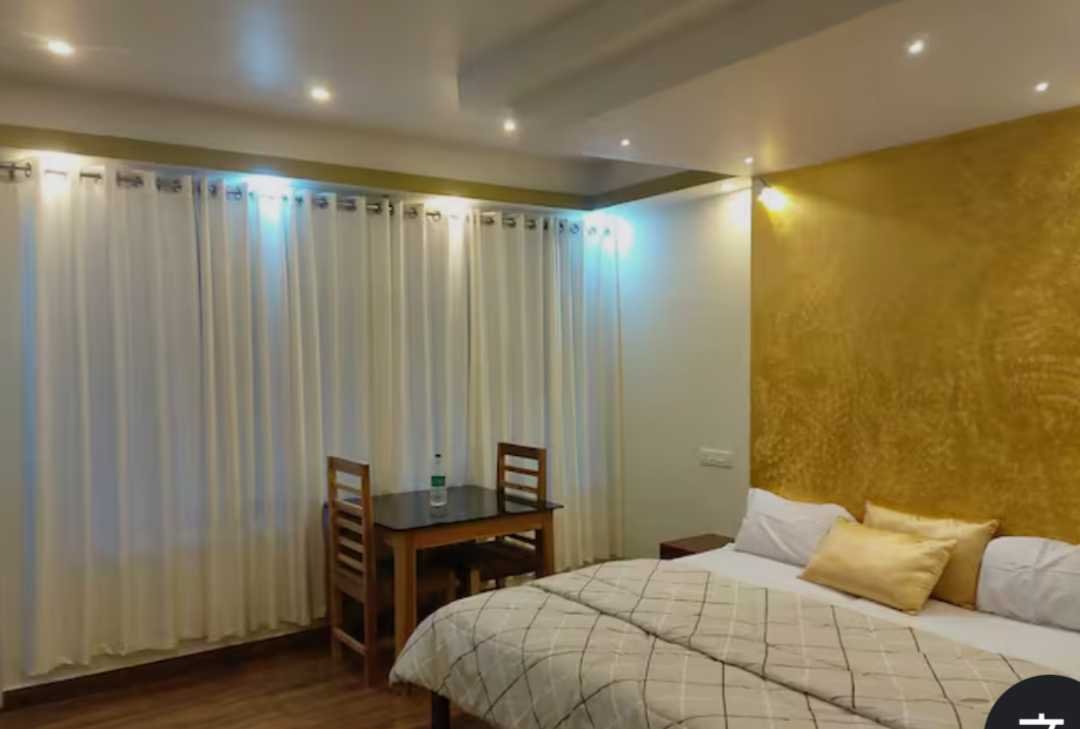
Now, about the practical side. We have four rooms, each with a fan, a mosquito net, and a window that faces the lake. Hot water is available in the bathroom, though in summer you’ll want cold. The meals are home-style Kerala food, prepared at the homestay — fish curry with red rice, thoran made from whatever vegetables are in season, and sambar that you’ll dream about for months. We eat on the veranda, overlooking the water, and the conversation flows as freely as the tea.
If you’re serious about writing, bring a notebook. I know that sounds obvious, but I’ve watched too many guests sit down with their laptop and immediately check emails. The island doesn’t have great internet, and that’s deliberate. We have WiFi, but it’s slow enough to discourage mindless scrolling. Some guests get frustrated. Others, and I’m probably biased, but I think the ones who stay are the ones who finish their work.
Most people ask about safety, especially solo travellers. The island is safe. The boatman knows every passenger by name within two days. The village is small, and everyone looks out for everyone. I’ve had solo women writers stay for three weeks without a single worry. The biggest risk you’ll face is stepping on a frog on your way to the bathroom at night.
Frequently Asked Questions About homestay for writers Alleppey
How far is the homestay from Alleppey town?
The boat ride takes six minutes. From the main jetty in Alleppey town, you’ll need a short auto-rickshaw ride to our private jetty, then the boat crosses to the island. The whole journey from town is about twenty minutes. No bridges, no roads, just water and palms.
Is it safe to stay here alone?
Yes. We’ve hosted dozens of solo guests, including many women writers who’ve stayed for extended periods. The island is peaceful, the boatman knows the route blindfolded, and our family lives on the property. You’ll be looked after without being smothered.
What should I bring if I come during the monsoon?
Rain gear, a pair of sandals that can handle mud, and loose cotton clothes that dry quickly. Also bring a book or two for the long rainy afternoons. We provide umbrellas and raincoats, but having your own makes a difference. And mosquito repellent, though we have nets and coils.
Is WiFi available for remote work?
We have WiFi, but it’s basic and can be slow during heavy rain. Many guests manage video calls and emails fine, but if you need high-speed internet for large uploads, you’ll struggle. Honestly, most writers find the disconnection liberating. You’ll get more done in one morning here than in a week of city cafés.
There’s a reason we call it Evaan’s Casa a writer’s house. It’s not the amenities or the view, though both are good. It’s the silence. Not the dead silence of a library, but the living silence of a place that has its own heartbeat. The frogs at night, the herons at dawn, the creak of the jetty as the boat ties up. You stop being a guest and start being part of the rhythm.
I remember one guest, a poet from Mumbai, who came for three days and stayed two weeks. She said the words were always there, but the noise of the city drowned them out. Here, the noise is different. It’s rain and wind and water and birds. It’s the sound of your own thoughts, finally loud enough to hear.
So when should you come? If you want comfort and mild weather, winter. If you want drama and intensity, monsoon. If you want to strip everything down to the essentials, summer. Each one has its trade-offs. I won’t pretend otherwise. But I will say this — the island is honest. It gives you exactly what it gives you, and if you let it, it’ll give you the space to write. That’s the whole deal.
Whenever you decide, the boat will be waiting. The tea will be hot. The lake will be there, doing its slow, eternal dance against the shore. And if you’re lucky, the rain will come — a soft drumming on the tin roof that says, sit down, stay a while, there’s no rush.
Visit Evaan’s Casa when you’re ready. The island will meet you where you are.
Plan your stay at Evaan’s Casa
- Lake view homestay in Alleppey (Alappuzha)
- Where to stay in Alleppey: the complete guide
- Alleppey room booking: rooms and prices from ₹1,900
- Budget homestay in Alleppey under ₹2,000
- Backwater homestay on Vembanad Lake
- Punnamada homestay, Alappuzha
- Family homestay in Alleppey
- Honeymoon package and couple stay
Book direct on WhatsApp +91 88484 96667