- By :
- Comments: 0
is Alleppey safe for families
is Alleppey safe for families
Last Updated: July 10, 2026
Quick Answer: is Alleppey safe for families
- Yes, Alleppey is safe for families, especially on our island where the only way in is a short boat ride — no traffic, no crowds, just water and quiet lanes.
- Insider tip: take the 8:15 AM public ferry from the main jetty — it drops you at our island’s edge, and the kids will love the kingfishers diving alongside.
- Evaan’s Casa fits because we keep things simple and supervised — open verandas, shallow lake steps, and meals from the homestay kitchen that even picky eaters ask for seconds.
The smell of mustard seeds crackling in coconut oil drifts from the kitchen. It’s early, maybe 6:15. The lake is still. A single boat hums in the distance. I’m standing on the veranda, coffee in hand, watching the mist lift off the paddy fields. This is how most mornings start here. And this is what I want to tell you about — not statistics, not travel guides. Just what it feels like to cross the water and arrive.
How do you actually reach is Alleppey safe for families?
Look, here’s the thing. Most people think Alleppey is just the houseboat strip. The crowded canal near the town. But we’re not there. We’re on an island. No road. No bridge. Just a six-minute boat ride from the mainland jetty. You park your car — or take an auto — at the landing point. Then you step into a vallam, the long wooden boat with a low diesel hum.
I’m probably biased, but that ride changes everything. The noise of the town fades. The water opens up. You see the palm trees leaning over the banks, the grey herons standing still as statues. Kids love it. They lean over the edge, trying to touch the water hyacinth. It’s safe — the boat is shallow, the driver knows every root and sandbar. By the time you reach our jetty, you’ve already forgotten the road.
Most people skip this, but the best part is the timing. Take the 8:15 AM public ferry from the main jetty. It’s a ten-rupee ride, and it passes through the narrow channels where the lotus blooms. The boatman will point out the old church on the bank. The one with the peeling blue paint. That’s our landmark.
What is the boat ride across the backwaters like?
It’s not a tourist boat. No cushions, no music. Just wooden planks and a tin roof. The engine putters. Sometimes it sputters. The driver, an old man named Soman, chews betel leaf and nods at the passengers. He’s been doing this route for thirty years. He knows every family on the island.
The air changes. On the mainland, it’s dusty. Smells of diesel and fried snacks. But once you’re on the water, it’s wet. Green. The air carries the scent of coconut husks and wet earth. If it’s monsoon season, the rain drums on the tin roof hard. The kids squeal. The parents laugh. Everyone gets a little wet. It’s part of the deal.
You’ll pass a few houseboats. Big, slow, painted with flowers. They wave sometimes. But our boat is smaller, faster. It cuts through the water like a knife. The paddy fields stretch on both sides, emerald green, flooded. In summer, they’re dry and cracked. In monsoon, they look like a second lake. I’ve seen egrets follow the boat, hoping for fish stirred up by the wake.
What do you notice first when you step onto the island?
The quiet. Honestly, that’s the first thing. Your ears adjust. The boat engine cuts off, and suddenly you hear the water lapping against the jetty. The rustle of palm fronds. A rooster crowing from somewhere behind the coconut grove. Your kids will probably run ahead. Let them. The path is dirt, packed hard by feet. No cars. No scooters. Just the sound of birds and the occasional bicycle bell.
The second thing is the light. It’s softer here. The lake reflects the sky, so everything feels double. The clouds above and the clouds below. The coconut palms lean in from both sides, arching over the path like a tunnel. The air smells of woodsmoke from a nearby kitchen. Someone is frying fish. Someone else is drying laundry on a line between two trees.
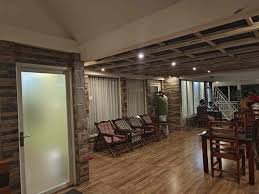
Then you see the house. White walls, blue trim, a veranda that hangs right over the water. The steps go down into the lake. Not deep — just a few feet. Safe for wading. There’s a hammock tied between two pillars. A cat sleeps on the wooden bench. You’ll hear the kitchen before you see it — the sound of a ladle hitting a metal pot, the hiss of something hitting hot oil. That’s home-style Kerala food. Rice, fish curry, sambar, coconut chutney. No menu. Just what’s fresh that morning.
Frequently Asked Questions About is Alleppey safe for families
How far is the homestay from the main Alleppey town?
About twenty minutes by auto to the jetty, then six minutes by boat. The total journey is under half an hour from the town center. No traffic jams. No honking.
Is it safe for young children around the water?
Yes. The lake steps are shallow and we have a small gate at the veranda edge. We keep an eye on the water level. During monsoon, we advise against swimming, but wading is fine. We’ve hosted families with toddlers. No issues.
What should we bring for the island stay?
Torch, mosquito repellent, and a light jacket for the evenings. The island is simple — no shops, no ATMs. Bring cash for the boatman and any extras. The homestay provides towels, soap, and clean sheets. Also, bring a good book. The hammock calls.
Is WiFi available on the island?
There’s a basic connection at the Evaan’s Casa main area. It works for messages and emails. Streaming video? Not really. But that’s the point. The kids will find better things — chasing crabs, spotting kingfishers, learning to row a small boat.
A family from Bangalore stayed last week. The father was nervous. He kept asking about safety, about the boat, about the water. By the second day, his daughter was feeding the cat. By the third, he was napping in the hammock. On the last morning, he said, “I forgot my phone existed.” That’s the thing about this island. It strips away the noise. Not because we try. Because the water does it for us.
So that’s the answer. Is Alleppey safe for families? Yes. But more than safe, it’s simple. And sometimes simple is the best kind of safe. You cross the water. You step onto the land. You breathe. The mustard seeds crackle in the kitchen. The lake laps at the steps. And you realize you’ve arrived somewhere that feels like home, even if you’ve never been here before.
Plan your stay at Evaan’s Casa
- Lake view homestay in Alleppey (Alappuzha)
- Where to stay in Alleppey: the complete guide
- Alleppey room booking: rooms and prices from ₹1,900
- Budget homestay in Alleppey under ₹2,000
- Backwater homestay on Vembanad Lake
- Punnamada homestay, Alappuzha
- Family homestay in Alleppey
- Honeymoon package and couple stay
Book direct on WhatsApp +91 88484 96667