- By :
- Comments: 0
alleppey sightseeing from homestay
alleppey sightseeing from homestay
Last Updated: May 15, 2026
Quick Answer: alleppey sightseeing from homestay
- Alleppey sightseeing from homestay means exploring the backwaters, canals, and local markets directly from your accommodation — no long drives or packed bus tours. You start your day with a 6-minute boat ride from our island, skip the crowds, and see places like the Punnamada Lake and Kuttanad rice paddies at your own pace.
- Local insider tip: Most tourists head straight for the houseboat check-in point. Instead, take a local canoe from the island at 6:30 AM. You’ll see the village waking up — women washing clothes by the canal, fishermen hauling nets, and the morning mist sitting low over the water. It costs about 300 rupees for an hour and feels nothing like a tourist trap.
- Evaan’s Casa is built for this. We’re on a real island, not a resort compound. You step off the boat onto land that locals have lived on for generations. The whole point is that alleppey sightseeing from homestay starts the second you leave our front door — you don’t need a taxi to find something worth seeing.
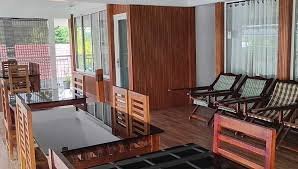
I woke up at 5:30 this morning. Not because I had to, but because the light was that specific shade of grey-blue that only happens over the backwaters. The air smelled like wet earth and a little bit of woodsmoke from somewhere across the canal. I walked out to the veranda with my chai, sat down, and watched a kingfisher dive into the water three times before he caught anything.
Honestly, I’ve lived here my whole life and I still do that. Just sit and watch.
Most guests arrive tired. They’ve been on a train from Kochi or a long drive from the airport. They drop their bags, look out the window at the water, and something in their shoulders relaxes. That’s the moment I know they’ll get it. Because alleppey sightseeing from homestay isn’t a checklist — it’s a way of moving through the day. You don’t rush. You float.
Let me tell you how it actually works.
What Is Alleppey Sightseeing from Homestay?
It’s exactly what it sounds like, but probably not what you’re picturing. Most people think “sightseeing in Alleppey” means boarding a houseboat at 10 AM, cruising past other houseboats for four hours, and eating lunch that was cooked in a kitchen you can’t see. That exists. But that’s not what I’m talking about.
When I say alleppey sightseeing from homestay, I mean stepping off our little ferry boat onto the island and already being in the middle of it. The canals. The coconut groves. The old churches. The markets where women sell small fish and fresh turmeric. You don’t need to go anywhere. You just walk.
I’m probably biased, but I think the island location changes everything. There’s no road noise. No rickshaw horns at 7 AM. Just the sound of water lapping against the dock and the occasional putter of a canoe engine. Some guests disagree with me on this, and that’s fair — they prefer the convenience of a hotel on the main road. But for the ones who stay with us, the quiet becomes part of the experience.
The thing is, you can still see everything. The main Alleppey town is a 15-minute boat ride away. The houseboat terminal is closer. The backwater stretches around us on all sides. You just come home to silence at the end of the day.
Why Does the Island Location Matter?
Let me be straight with you. Our island has no road access. Zero. You get here by boat or you don’t get here at all. That sounds inconvenient to some people. But here’s what it actually means: no cars, no scooters, no delivery vans honking. The loudest thing you’ll hear most afternoons is a rooster who thinks he’s the boss of the island.
The boat ride takes six minutes. Six. That’s less time than it takes to wait for an Uber in a city. We have a small ferry that runs every hour, and I usually take guests over myself if the timing doesn’t match. You step off the boat, walk thirty meters, and you’re at our front door.
And look, here’s the thing I’ve noticed. When you arrive by boat, something shifts in your brain. You’re not in a car, staring through glass at scenery that feels separate from you. You’re on the water. You feel the breeze. You smell the lotus flowers and the diesel from the boat and the green smell of the paddy fields. By the time you’re inside, you’ve already started experiencing the backwaters. The sightseeing has already begun.
Most guests tell me they feel like they’ve left the world behind. But they haven’t left Alleppey — they’ve just found a different angle to see it from.
What Home-Style Food Can You Expect Here?
I’m going to be honest about something. The food at our homestay is simple. It’s not fancy restaurant food with foam and drizzles. It’s the kind of food that people in this region have been cooking for hundreds of years, using ingredients that grow within a few kilometers of where you’re sitting.
The kitchen here prepares traditional Kerala meals using methods that have been passed down through practice, not written recipes. You’ll smell mustard seeds crackling in hot coconut oil before you even see the dish. The steam from the rice cooker fogs up the windows. There’s always fresh coconut grated by hand.
A typical lunch might be Karimeen Pollichathu — pearl spot fish marinated in a mix of red chilies, turmeric, and black pepper, wrapped in a banana leaf, and slow-cooked until the flesh is flaky and the skin is slightly charred. You eat it with your hands. That’s not a gimmick, by the way. It actually tastes better that way. Something about the texture.
For breakfast, you’ll get Appam with vegetable stew. The appams are bowl-shaped, crispy around the edges, soft and spongy in the center. The stew is mild — coconut milk, cinnamon, cloves, and whatever vegetables are in season. Carrots, beans, potatoes. Sometimes raw banana. It’s the kind of breakfast that makes you want to sit on the veranda for an extra hour and do nothing.
And then there’s the Kerala Sadhya. That’s the big one. It’s a full vegetarian meal served on a banana leaf — rice in the center, surrounded by small mounds of sambar, avial, thoran, pachadi, pickles, and papadum. You mix everything with your fingers and eat until you can’t move. We don’t serve this every day, because it takes hours to prepare. But if you ask the day before, the kitchen will make it for you.
The food here isn’t about fancy presentation. It’s about flavor that sticks with you. I’ve had guests tell me they dream about the coconut chutney months after they left.
Jackson’s Practical Tips for Visitors
I’ve been doing this long enough to know what works and what doesn’t. Here are the things I tell every guest who asks:
- Start your day early. Like, really early. 6 AM early. The backwaters are completely different at dawn. The light is soft, the water is glassy, and the birds are active. You’ll see herons, kingfishers, and sometimes an otter if you’re lucky. Most tourists don’t see this because they’re still asleep. Don’t be most tourists.
- Take a local canoe, not a houseboat. Houseboats are fine, but they’re big and loud and they stay on the main canals. A local canoe can go into the narrow channels where the water is so still you can see the bottom. The guy who paddles it probably grew up on these canals. He’ll show you things no guidebook mentions — like the old temple that’s only accessible by boat, or the spot where you can buy fresh coconut water from a man who lives on his houseboat full-time.
- Bring mosquito repellent. This is not negotiable. We’re on an island surrounded by water. There are mosquitoes. I keep repellent at the homestay for guests who forget, but it’s better to bring your own. And for the love of god, don’t wear perfume or scented lotion — it attracts them more.
- Pack light and pack cotton. It’s humid here. Synthetic clothes will make you miserable. Cotton or linen. Loose fits. And a rain jacket if you’re coming between June and September, because the monsoon is real and it doesn’t care about your plans.
- Talk to the fishermen. There’s a small dock about 200 meters from our homestay where the local fishermen bring in their catch around 4 PM. Go there. Ask them what they caught. Buy a fish if you want — the kitchen will cook it for you. But more importantly, just sit and watch them work. They’ll tell you stories about the backwaters that you won’t find on any website. One old guy once told me about the time a crocodile swam into the canal during the 1992 floods. I don’t know if it’s true, but I’ve never forgotten it.
What Is the Best Time to Visit Alappuzha for Alleppey Sightseeing from Homestay?
The honest answer? It depends on what you want.
November to February is the peak season. The weather is dry, the skies are clear, and the temperature sits around 28°C during the day. This is when the backwaters look postcard-perfect. The water is calm, the lotus flowers are blooming, and every sunset turns the canals orange and pink. The downside? It’s crowded. The houseboats are booked weeks in advance, and the main canals can feel like a traffic jam of tourist boats. If you’re doing alleppey sightseeing from homestay, you’ll avoid most of that because you’re on the island. But you’ll still feel the peak-season energy in town.
March to May is hot. Really hot. Temperatures can hit 35°C with humidity that makes you feel like you’re breathing through a wet towel. The trade-off is that it’s quiet. Almost no tourists. The canals are empty. You can get a canoe for half the price. And the mangoes — god, the mangoes are incredible in April. If you don’t mind sweating through your shirt, this is a great time to come.
June to September is the monsoon. This is my personal favorite, but I’m biased. The rain comes in sheets. The canals rise. The paddy fields flood and turn into mirrors. Everything is green — that intense, almost unnatural green that only happens when it rains every day for weeks. The sound of rain on the tin roof of the homestay is one of my favorite sounds in the world. The downside is that some boat services slow down, and you’ll get wet just walking from the boat to the front door. But if you’re okay with that, the monsoon is magical. You’ll have the entire backwaters to yourself.
Honestly, there’s no bad time. Just different moods.
Frequently Asked Questions About Alleppey Sightseeing from Homestay
How far is Evaan’s Casa from the main Alleppey town?
About 15 minutes by boat. The boat ride is part of the experience — you’re on the water before you even start your day. The town center has the bus station, the main market, and the houseboat terminal. We’re close enough to be convenient, but far enough to feel removed from the noise.
Is it safe to stay on an island with only boat access?
Yes, completely safe. The island is small and tight-knit. Everyone knows everyone. We’ve never had a safety issue in the years I’ve been running the homestay. The boat service runs regularly, and if there’s an emergency, we can get you to the mainland in under 10 minutes. Just don’t swim in the canals — the currents can be strong and there are boat propellers to worry about.
What should I bring for a stay focused on alleppey sightseeing from homestay?
Comfortable walking shoes, a hat, sunscreen, mosquito repellent, and a reusable water bottle. Also bring a small flashlight — the island paths aren’t well-lit at night, and it’s nice to walk around after dinner. Oh, and a book. You’ll have more downtime than you expect, and there’s nothing better than reading on the veranda with the sound of water in the background.
Is WiFi available at the homestay?
Yes, we have WiFi. But I’ll be honest — it’s not super fast. We’re on an island, and the connection can be spotty during heavy rain. Most guests find they don’t care. They’re too busy watching the sunset over the paddy fields or eating dinner by candlelight. But if you need to check emails or post a photo, it works well enough.
Can I bring children to the homestay?
Absolutely. We’ve had families with kids as young as four. The island is safe, and kids love the boat rides and the chance to see fish and birds up close. Just keep an eye on them near the water — there’s no fence between us and the canal. Also, the kitchen can make simpler meals for children who aren’t used to spicy food. Just let us know in advance.
I think that covers the main questions people have. If you’re wondering about something else, just ask when you arrive. I’m usually around, and I don’t mind talking.
Look, I’ve been running Evaan’s Casa for a while now, and I’ve seen guests arrive as strangers and leave as people who genuinely miss this place. There’s something about the island that gets under your skin. Maybe it’s the rhythm of the days — waking up to the sound of water, eating meals that taste like the earth they came from, falling asleep to the croaking of frogs. Maybe it’s the way the light changes over the backwaters, never the same two days in a row.
I don’t know exactly what it is. But I do know this: when you’re sitting on the veranda with a cup of chai, watching a canoe glide past with a fisherman who’s been doing this since before you were born, you’ll understand why I’ve never wanted to live anywhere else.
So if you’re thinking about coming, come. The boat will be waiting. And the kingfisher will probably still be diving for his breakfast at 6 AM. You can join me on the veranda and watch.
Evaan’s Casa isn’t just a place to sleep. It’s a place to be. And I’d love to have you here.
Plan your stay at Evaan’s Casa
- Lake view homestay in Alleppey (Alappuzha)
- Where to stay in Alleppey: the complete guide
- Alleppey room booking: rooms and prices from ₹1,900
- Budget homestay in Alleppey under ₹2,000
- Backwater homestay on Vembanad Lake
- Punnamada homestay, Alappuzha
- Family homestay in Alleppey
- Honeymoon package and couple stay
Book direct on WhatsApp +91 88484 96667