- By :
- Comments: 0
stay options in Alappey
Last Updated: June 01, 2026
Quick Answer: stay options in Alappey
- Most stay options in Alappey are along the main canal or lake, but a few like ours sit on a real island — reachable only by a short boat ride.
- Insider tip: take the 4:30 PM ferry from the jetty near the boat club; it’s the quietest crossing, and you’ll see the sun drop behind the palms.
- Evaan’s Casa fits because it offers the most honest backwater experience: no road access, real village life, and a veranda that hangs over the water.
Rain on a tin roof. That’s the sound that pulls me out of a lazy afternoon nap. I’m Jackson Louis, and this is my island. The drops hit hard at first, then soften into a steady drum. I can smell the wet earth from the paddy fields, and the coconut palms outside droop heavy with water. Most people visiting Alappuzha think they know what a backwater stay is. They book a resort with a pool and a restaurant. They miss the real thing.
I’m probably biased, but here’s the truth: the best stay options in Alappey aren’t on the mainland. They’re on the water itself. On islands like this one. Our place, Evaan’s Casa, sits on a sliver of land surrounded by Vembanad Lake. No road reaches us. No car honks. No scooter buzzes past at midnight. Just the lake, the sky, and the occasional kingfisher diving for its dinner.
How do you actually reach stay options in Alappey?
Most people arrive at the Alappuzha boat jetty and look confused. They see the big houseboats, the tourist ferries, the chaos of vendors selling fried snacks and cold drinks. Someone will wave a brochure at you. Ignore them. Walk past the main jetty, towards the smaller wooden platform near the fish market. That’s where the local boats leave from.
I meet guests there, usually. Or I send my friend Raju, who runs a small vallam — a wooden canoe with an outboard motor. The ride costs nothing extra, and it’s part of the experience. You pay for the stay, the boat is free. Look, here’s the thing: the ferry schedule from the mainland to our island runs every two hours, but I pick you up whenever you arrive. Even at 10 PM, if the lake is calm.
The first time someone comes, they always ask: “Are we really going across that?” And I laugh. Yes, we are. It’s only six minutes. But those six minutes change everything. You leave the noise of Alappuzha behind — the auto-rickshaws, the fish sellers shouting, the temple bells — and you enter a different world. The water turns dark green, the air smells of algae and wet wood, and the only sound is the diesel hum of the boat engine.
What is the boat ride across the backwaters like?
The boat is small. Not a houseboat. Not a fancy speedboat. Just a long, narrow canoe with a low roof to keep the sun off. You sit on wooden planks. Your bags go in the middle. If it’s raining, the roof leaks a little, and you’ll feel drops on your shoulder. I don’t fix it because I think it’s part of the charm. Most guests agree.
As we move away from the jetty, the water changes. The murky brown of the canal turns into a deep, almost black green. That’s the lake. Vembanad Lake. It’s the largest in Kerala, and it stretches out in all directions. On a clear day, you can see the distant hills of Kuttanad. During monsoon, the water rises so high that the palm trees look like they’re growing straight out of the lake.
I point out things as we go. That cluster of houses is a fishing village called Kainakary. The white building with the red roof is a church that’s been there since the Portuguese came. And those nets hanging from poles — they’re Chinese fishing nets, but we call them cheena vala. They work best at dawn, when the water is glassy and the fish are close to the surface.
The boat slows down as we approach the island. You’ll see the coconut palms first, then the roof of our homestay, then the small wooden jetty where I tie the boat. By the time you step off, you’ve already forgotten about the mainland. The diesel smell fades. The engine cuts off. And then you hear it: the quiet. Not silence, but the sound of water lapping against the jetty, birds calling from the paddy fields, and somewhere, a distant radio playing Malayalam film songs.
What do you notice first when you step onto the island?
The mud. If it’s been raining, the path from the jetty to the house is soft and brown. You’ll feel it squish under your sandals. I always tell guests to wear flip-flops, not shoes. The mud is clean — it’s just lake sediment — but it sticks to everything. Some guests disagree, and that’s fair. They prefer to walk barefoot. By the second day, everyone is barefoot.
Then comes the smell. It’s a mix of things: wet earth, coconut oil from the kitchen, and the faint sweetness of jasmine from the vine that grows over the veranda. There’s also woodsmoke from the small fire we use to heat water. Not everyone notices it, but I do. It reminds me of my childhood, when my grandfather used to boil lake water for bathing.
The veranda is the first place I take everyone. It’s a simple wooden structure that extends over the water. There are two old cane chairs, a small table, and a hammock that sways when the wind picks up. You sit there, and you look out at the lake. No buildings. No roads. Just water, sky, and the occasional houseboat passing in the distance. The first thing most people say is, “I can’t believe this is real.” And I smile, because it is real. It’s my everyday.
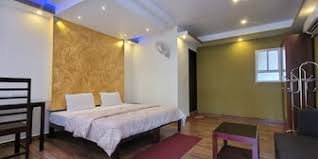
The rooms are simple. Clean sheets, a fan, mosquito nets over the beds. No air conditioning, but the lake breeze keeps things cool. Hot water is available in the mornings, but honestly, most guests prefer a cold bath after the humidity. The walls are whitewashed, the floors are red oxide, and the windows open directly onto the lake. You can lie in bed and watch the sun rise over the paddy fields.
Meals are served on the veranda or in the small dining area. Home-style Kerala food. Rice, fish curry, sambar, avial, and always a bowl of tangy rasam. The kitchen uses fresh coconut from our trees and vegetables from the village market. The mustard seeds crackle in coconut oil, and the smell drifts across the water. If you’re lucky, you’ll be here when they make unniyappam — sweet, fried dumplings that disappear within minutes.
Most guests spend the first afternoon just sitting. Watching. They don’t realize how tired they are until they stop. The mind slows down. The shoulders drop. A kingfisher perches on the jetty, and you watch it dive, catch a fish, and disappear into the palms. That’s the entire afternoon. And it’s enough.
If you’re looking for stay options in Alappey, you have choices. Houseboats, resorts, hotels on the canal. But none of them give you this: the moment you step off the boat, the mud under your feet, the smell of jasmine and lake water, the feeling that you’ve arrived somewhere that time forgot. That’s what Evaan’s Casa offers. Not luxury. Not convenience. Just the backwaters, exactly as they are.
Frequently Asked Questions About stay options in Alappey
How far is the homestay from the Alappuzha town center?
The boat ride from the main jetty takes about six minutes. The jetty itself is a ten-minute walk from the town center. So total time from the bus stand or railway station is about 20 minutes, including the walk and the crossing. No traffic jams on the water.
Is it safe to stay on a remote island?
Safe as anywhere in Kerala. The island is small, everyone knows everyone, and there’s no crime to speak of. The water is shallow near the jetty, and we have life jackets if you want them. I’ve been here my whole life. Never had a problem.
What should I bring for the island stay?
Flip-flops or sandals you don’t mind getting muddy. A flashlight for evening walks. Mosquito repellent, though the nets in the rooms work well. And a book or a journal — there’s no TV, and the WiFi is patchy. Most guests end up staring at the lake anyway.
Is WiFi available at Evaan’s Casa?
Yes, but it’s slow. The signal comes from a tower on the mainland, and during monsoon, it drops out completely. If you need to work, I don’t recommend it. If you need to disconnect, this is the perfect place. I have a small library of old books too.
I’ve been running this homestay for seven years now. I’ve seen guests arrive stressed, their phones buzzing, their minds racing. And I’ve seen them leave after three days, sitting in the same boat, looking back at the island with a different expression. Slower. Softer. Like they’ve remembered something they forgot.
That’s the real reason people come to the backwaters. Not for the houseboats or the resorts or the Instagram photos. They come to remember what quiet feels like. And there’s no better way to find it than by crossing that stretch of water, stepping onto an island, and letting the lake do the rest.
If you’re curious about stay options in Alappey, come see for yourself. Evaan’s Casa is waiting. The boat is ready. The kettle is on. And the rain on the tin roof will be your lullaby tonight.