- By :
- Comments: 0
double room homestay alleppey
Last Updated: May 24, 2026
Quick Answer: double room homestay alleppey
- A double room homestay in Alleppey means you get a private bedroom with a double bed in a local family-run property, often on an island like ours, with no road access — just a 6-minute boat ride from the main town.
- Local insider tip from Jackson: Skip the houseboat for one night and spend it on the island instead. You’ll hear frogs at dusk and see the stars without any city light pollution. Most tourists miss this completely.
- Evaan’s Casa fits this because our double room homestay Alleppey rooms face the backwaters directly, and we serve traditional home-style Kerala food. No frills, just real life here.
The first light hits our island around 6:15 AM. I know this because I wake up every day to the sound of a Vallam boat engine humming in the distance. Not gonna lie, there’s something about that diesel drone mixing with the bird calls that feels like home. Most mornings, I walk out to our little veranda and watch the water change color — from grey to silver to a deep green as the sun climbs over the coconut palms.
I’m Jackson Louis. I was born here, on this strip of land in the middle of Alappuzha’s backwaters. I left for a while, studied in Kochi, worked in Bangalore. But the water pulls you back. It always does. So I came home and started Evaan’s Casa, a small homestay where people can actually live on the water, not just float past it on a houseboat.
Honestly, I’d say the thing that surprises people most is the quiet. You step off the boat onto our island and the city noise just vanishes. That’s when you start to understand what a double room homestay Alleppey experience can really be.
What Is a Double Room Homestay Alleppey?
Look, here’s the thing — when people search for a “double room homestay Alleppey,” they’re usually looking for something specific. They want privacy. They want a proper bed, not a cramped houseboat cabin with a creaky fan. They want to sleep without the generator noise.
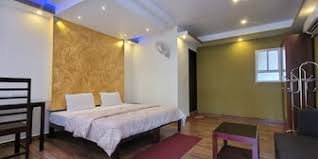
A double room homestay Alleppey at our place means one room with a double bed, attached bathroom, and a window that opens to the backwaters. It’s not a hotel. There’s no room service buzzer. But there’s fresh coffee in the morning and someone who knows your name by lunchtime.
The room itself is simple. White walls. A ceiling fan that clicks gently. Wooden furniture that my uncle built years ago. The bathroom has running hot water, most of the time — though during the monsoon the pressure drops a bit. That’s just how it is here.
What makes it different from a hotel is the living. You eat with us. You sit on the veranda and watch the boats pass. You might help dry the coconut husks if you’re curious. The double room homestay Alleppey experience is about slowing down to island pace.
Why Does the Island Location Matter?
Our island sits about halfway between Alappuzha town and the open lake. To get here, you take a boat from the jetty near the main bridge. Six minutes. That’s it. But those six minutes change everything.
There are no cars here. No motorbikes. No honking. The only roads are narrow footpaths through the palm groves. Kids walk to school along the water’s edge. Women wash clothes on the granite steps by the canal. Old men sit and smoke beedis under the banyan tree near the temple.
When you book a double room homestay Alleppey on the island, you’re not just getting a room. You’re getting access to this rhythm. The boat schedule becomes part of your day. You learn to listen for the 8 AM ferry. You start to recognize the fisherman who passes at dusk.
Most people skip this part of Alleppey. They stay in town, or on a houseboat that moves every night. They never feel the stillness of being in one place on the water. That’s a shame, honestly.
One evening last November, a couple from Germany sat on our veranda for two hours just watching a kingfisher hunt. They didn’t say much. They didn’t need to. That’s what the island does to you.
What Home-Style Food Can You Expect Here?
I’m probably biased, but the food is the best part of staying at a double room homestay Alleppey. And I don’t mean fancy restaurant food. I mean real Kerala meals made from what’s available that day.
Breakfast is often Puttu — steamed rice flour cylinders — with Kadala curry, a dark and earthy chickpea stew tempered with mustard seeds and curry leaves. The Puttu is soft and crumbly, and you eat it with your hands, mixing it into the curry. Sometimes there’s a ripe banana on the side.
Lunch is the main meal. A traditional Kerala Sadhya on a banana leaf. Rice in the center, surrounded by small mounds of different dishes. Parippu (dal), Sambar (vegetable stew), Avial (mixed vegetables in coconut), Thoran (stir-fried cabbage or beans with grated coconut), and a pickle that will wake up your tongue. The fish curry comes separately — tangy with tamarind and hot with red chilies.
Dinner is lighter. Appam and stew. The Appam is a lacy rice pancake with a soft, thick center, perfect for soaking up the coconut milk stew with cinnamon and cardamom. Or sometimes Karimeen Pollichathu — pearl spot fish wrapped in a banana leaf with a spicy masala paste and cooked over charcoal. The smokiness from the leaf, the heat from the spices, the sweetness of the fresh fish — it’s the kind of meal that makes you close your eyes while eating.
All of this is prepared in the kitchen at our homestay. Locally prepared meals using ingredients from the island and the nearby market. The coconut comes from our own trees. The fish comes from the boats you see passing by. The vegetables are from the floating market that arrives at the jetty every Tuesday morning.
At a double room homestay Alleppey, you don’t just eat. You taste where the food comes from.
Jackson’s Practical Tips for Visitors
I’ve been hosting for seven years now. Here’s what I tell everyone who books a double room homestay Alleppey with us:
- Pack light and bring mosquito repellent. The water is beautiful, but so are the mosquitoes at dusk. Buy a good repellent before you come — the local ones work fine, but the DEET-based ones are better for sensitive skin.
- Learn the boat schedule. The ferry from the island to town runs every hour from 6 AM to 8 PM. But the last boat back is at 7:30 PM. Miss it, and you’re either swimming or paying for a private boat. I’ve done the swim. It’s not as romantic as it sounds.
- Bring a small flashlight. The island has power, but there are no streetlights. After 9 PM, it’s dark. Really dark. A flashlight helps you navigate the footpaths without stepping on a frog or a sleeping dog.
- Try the toddy shop near the temple. Most travel blogs won’t tell you this, but the small toddy shop on the north end of the island serves fresh palm wine every afternoon around 3 PM. It’s fermented the same day, slightly sweet, and pairs perfectly with fried fish. Sit on the plastic chairs and watch the boats go by. Just don’t drink too much — the boat ride back is wobbly enough sober.
- Embrace the monsoon. June to September is rainy. Really rainy. But the backwaters are fullest then, and the island is green like nothing you’ve seen. Bring an umbrella and a waterproof bag for your phone. Some guests disagree with me on this, and that’s fair — the rain isn’t for everyone. But I promise you, the smell of wet earth and coconut fronds is worth getting soaked for.
What Is the Best Time to Visit Alappuzha for a Double Room Homestay Alleppey?
This depends on what you want. Let me break it down by season.
Winter (November to February): This is the peak season. The weather is dry and pleasant. Temperatures hover around 25 to 30 degrees Celsius. The backwaters are calm, and the skies are clear. If you want to explore the canals by canoe or just sit on the veranda without sweating, this is your window. The downside? It’s crowded. Houseboats clog the main channels. Prices for everything — boats, homestays, food — go up. Book your double room homestay Alleppey at least a month in advance if you’re coming in December.
Summer (March to May): Hot. Humid. The sun feels heavier here because of the water reflecting it. Temperatures hit 35 degrees easily. But this is also when the jackfruits ripen and the mangoes are at their sweetest. The crowds thin out. You’ll have the backwaters mostly to yourself. The afternoons are best spent indoors with a cold coconut water and a fan. Early mornings and evenings are fine for exploring. If you don’t mind the heat, you’ll get a more intimate experience at a double room homestay Alleppey during summer.
Monsoon (June to September): This is my personal favorite. The rain starts in June, gentle at first, then relentless by July. The water level rises. The canals fill up. Everything turns a deep, saturated green. The sound of rain on a tin roof is the best sleep aid I know. The downside is practical — some boat services stop, the paths get muddy, and you’ll need good rain gear. But if you want to see Kerala at its most alive, come in August. Just pack accordingly.
Post-Monsoon (October): The rain stops but the humidity lingers. The water is still high. This is a transitional month, good for photography because the light is soft and the skies are dramatic. Fewer tourists than winter. A decent compromise if you can’t decide.
Frequently Asked Questions About Double Room Homestay Alleppey
How far is the homestay from Alappuzha town?
From the main jetty in town, it’s a 6-minute boat ride to our island. The boat leaves every hour. Once you’re on the island, our homestay is a 3-minute walk from the landing point. Total travel time from town center to your room is about 20 minutes, including waiting for the boat.
Is it safe to stay on the island?
Yes, completely. The island is small and everyone knows everyone. Crime is virtually non-existent. The biggest risk is stepping on a frog at night, which is why I recommend a flashlight. Women traveling solo have stayed with us without any issues. The community looks out for visitors.
What should I bring for a double room homestay Alleppey stay?
Mosquito repellent, a flashlight, comfortable cotton clothes, and a waterproof bag for your phone and camera. If you’re coming in monsoon, add a good umbrella and quick-dry footwear. We provide towels, bedsheets, and basic toiletries. Don’t bother with fancy shoes — you’ll be barefoot most of the time on the island.
Is WiFi available at the homestay?
Yes, we have WiFi. But honestly, the signal can be patchy during heavy rain. The island’s internet runs on fiber, but the weather affects it. I’d suggest downloading whatever you need before you come. Most guests end up using their phones less anyway — there’s too much to watch on the water.
Can I bring kids to a double room homestay Alleppey?
Absolutely. Kids love the island. They can watch the boats, feed the ducks near the canal, and help collect coconuts. Just keep an eye on them near the water — there’s no railing on the footpaths by the canals. We have a small cot we can add to the room for children under 10.
How much does a double room homestay Alleppey cost per night?
Prices vary by season. In winter, expect around 2500 to 3500 rupees per night, including breakfast. Summer and monsoon are cheaper — around 1800 to 2500 rupees. Dinner and lunch are extra but reasonable. Compared to a hotel room in town, you’re paying less and getting more — the view, the food, the island life.
Final Thoughts from the Island
I’ve been running Evaan’s Casa for seven years now. I’ve seen couples celebrate anniversaries here, solo travelers find peace, families make memories that last a generation. Every time someone books a double room homestay Alleppey with us, I feel a little responsible for showing them what this place really is.
It’s not perfect. The boat schedule can be inconvenient. The power flickers during storms. The frogs are loud at night. But that’s the trade-off. You get the real thing — not a polished version of Kerala designed for tourists, but the actual backwater life as it’s lived by the people who were born here.
If you come, I’ll be there at the jetty to pick you up. I’ll show you to your room, make you some tea, and leave you alone to settle in. The water will do the rest.
And if you’re looking for a double room homestay Alleppey that puts you right on the water, with home-style food and no pretensions — well, you’ve found it. I’ll keep the veranda light on for you.
Come see the island. Come taste the food. Come listen to the frogs and the boat engines and the rain. I’ll be here.
— Jackson Louis, Evaan’s Casa, Alappuzha.