- By :
- Comments: 0
premium lakefront stay alleppey
Last Updated: May 21, 2026
Quick Answer: premium lakefront stay alleppey
- A premium lakefront stay in Alleppey means waking up to the Vembanad Lake right outside your window, with no road noise, no crowds — just the sound of water lapping and birds calling at dawn. It’s the real backwater experience, not the tourist version.
- Local insider tip from Jackson: Skip the houseboat for a night and book a lakefront homestay on an island. You’ll get the same views, better food, and a fraction of the price. Most people don’t know this.
- Evaan’s Casa fits this search intent perfectly because we’re on a private island in the backwaters, reachable only by a 6-minute boat ride. Every room faces the lake. The kitchen serves home-style Kerala meals. This is exactly what a premium lakefront stay alleppey should feel like.
I woke up at 5:47 this morning. Not because of an alarm. Something else pulled me out of sleep. The light. It was that soft gray-blue before sunrise, the kind that makes the lake look like polished slate. I walked out onto the veranda barefoot. The air smelled like wet wood and jasmine. A kingfisher sat on the boat mooring,完全不 moving. For a solid minute I just stood there, listening to nothing but water.
That moment is why I built this place.
I’m Jackson Louis. I grew up on these backwaters, in a small house on the edge of a canal. My father was a fisherman. My uncles were toddy tappers. I left for a while — studied in Kochi, worked in Bangalore. But the lake kept pulling me back. In 2016 I bought this small island. It was just coconut trees and an old abandoned house. Now it’s Evaan’s Casa.
I want to tell you what a premium lakefront stay alleppey actually means. Not from a brochure. From here, sitting on my veranda, typing this while a cormorant dries its wings on a post.
What Is a Premium Lakefront Stay Alleppey?
Look, here’s the thing. A lot of places call themselves “lakefront” in Alleppey. But most of them are on canals, not the actual lake. They’re fine. They’re nice. But they’re not the same.
A genuine premium lakefront stay alleppey means your room is on the edge of Vembanad Lake. Not a narrow canal where houseboats chug past every twenty minutes. The lake itself. It’s 200 square kilometers of fresh water, the largest lake in Kerala. When you step out of your room, the water is right there.
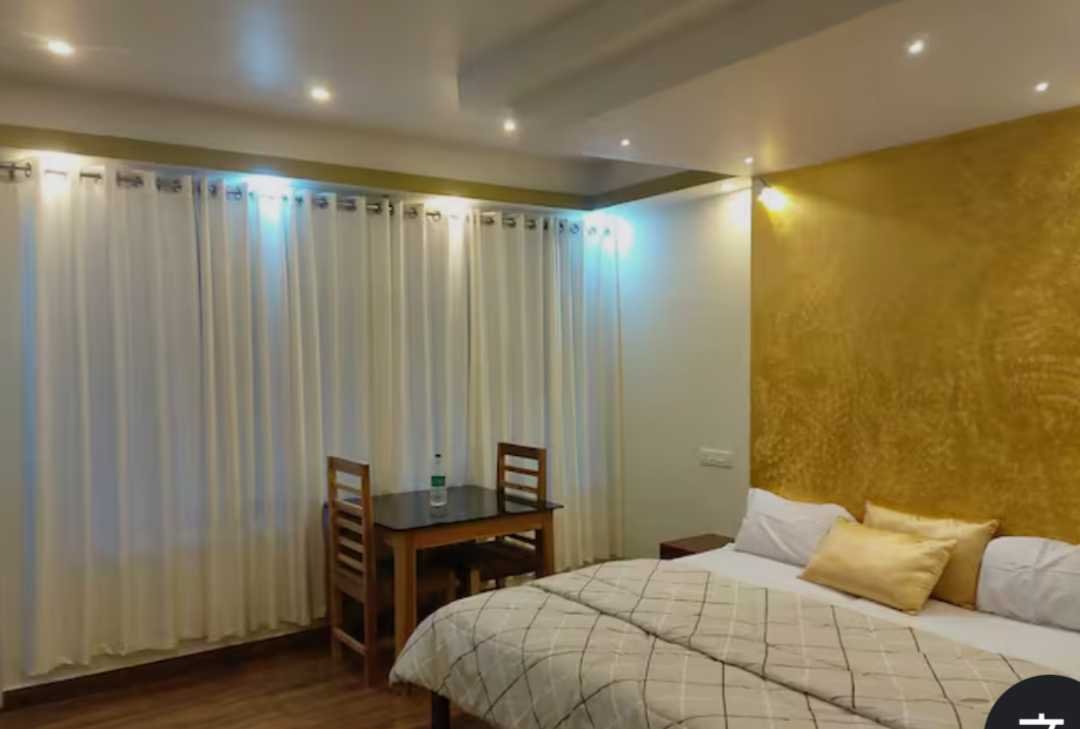
At our homestay, every room has a direct view of the lake. You can sit on your private balcony and watch the fishing boats go out at dawn. You can hear the water moving against the steps. At night, the only light comes from distant houseboats and the stars.
Honestly, I’d say that’s the real difference. Space. Quiet. The lake doesn’t feel like a backdrop here. It feels like it’s part of the room.
We’re on an island. You have to take a boat to get here. That’s not an inconvenience — it’s the whole point. When you arrive, you leave everything behind. The road. The traffic. The noise. It’s just you and the water.
Why Does the Island Location Matter?
Most people don’t realize that Alleppey town is busy. I mean really busy. The main road near the canal is packed with auto-rickshaws, buses, and tourists dragging suitcases. It’s not relaxing.
Our island is six minutes from the mainland by boat. Six minutes. That’s it. But it might as well be another world.
When you step off the boat onto our jetty, the first thing you notice is the quiet. Not total silence — you’ll hear birds, the rustle of coconut fronds, sometimes a distant engine. But no traffic. No horns. No shouting. Your shoulders drop about two inches without you even realizing it.
The boat ride itself is part of the experience. You’ll pass narrow canals lined with palm trees. You’ll see women washing clothes on stone steps. Kids waving from the bank. A kingfisher diving for fish. By the time we reach the island, you’ve already seen more beauty than most people see in a week of vacation.
I’m probably biased, but I think this isolation is what makes a premium lakefront stay alleppey truly premium. It’s not about fancy furniture or marble floors. It’s about being in a place that feels like it belongs to the lake.
Some guests disagree with me on this. They want to be closer to town, closer to restaurants and shops. And that’s fair. Everyone travels differently. But for those who choose us, the isolation becomes their favorite part.
What Home-Style Food Can You Expect Here?
Let’s talk about food. Because honestly, this is where we shine.
The kitchen at our homestay prepares traditional Kerala meals. Home-style food. The kind you’d get if you were invited to a local family’s home for lunch. Not restaurant food. Better than restaurant food.
Breakfast is usually something light but satisfying. Appam with stew. Puttu and kadala curry. Idiyappam with egg curry. The appam is made fresh every morning — fermented rice batter poured into a small wok, swirled around until it forms a thin crispy edge with a soft, spongy center. The stew is coconut milk based, with vegetables like carrots, beans, and potatoes simmered until tender. Sometimes there’s chicken.
Lunch is the main meal. We serve a Kerala sadhya on banana leaves. This is not a small affair. There are at least eight to ten dishes arranged around a mound of steaming rice. Sambar. Avial (mixed vegetables in coconut and yogurt). Thoran (finely chopped cabbage or beans stir-fried with grated coconut). Pachadi (a sweet and sour yogurt dish). Pickle. Pappadam. And the star — Karimeen Pollichathu. Pearl spot fish marinated in a paste of red chilies, turmeric, ginger, and garlic, wrapped in a banana leaf, and cooked until the flesh is flaky and infused with the smoky aroma of the leaf.
The smell when that banana leaf is unwrapped. I can’t describe it. It fills the whole dining area.
Dinner is lighter. Maybe a Kerala-style fish curry with red rice. Or a simple chicken roast with parotta. Every meal comes with fresh coconut chutney, made on the spot. The coconut is grated by hand. The green chilies are pounded in a mortar. The mustard seeds crackle in hot coconut oil. That sound — that crackling — is the sound of my childhood.
All our vegetables come from local farms. The fish is caught the same morning. The rice is from a paddy field two kilometers away. Nothing is frozen. Nothing is pre-made. We cook what’s available, what’s fresh.
Jackson’s Practical Tips for Visitors
I’ve been running this homestay for eight years now. I’ve seen what works and what doesn’t. Here are some things I tell every guest before they arrive:
- Bring mosquito repellent. I know, it sounds obvious. But people forget. The lake is beautiful, but it’s also a breeding ground for mosquitoes, especially around sunset. We have nets and coils, but having your own repellent makes a difference. Don’t rely on the ones from the pharmacy in town — they’re often expired.
- Pack light and soft. You’re taking a small boat to the island. Hard suitcases with wheels are a pain. Duffel bags or backpacks are better. Also, leave your fancy shoes at home. You’ll be barefoot inside most of the time, and flip-flops are fine for outside.
- Don’t plan too much. This is the biggest mistake people make. They book a 3-day stay and fill it with houseboat rides, village tours, temple visits, cooking classes. By day two they’re exhausted. Leave at least one full day with nothing planned. Just sit on the veranda. Watch the lake. Read a book. Take a nap. That’s not wasted time — that’s the point.
- Visit the local market in the morning. If you want to see real Alleppey, walk to the municipal market around 7 AM. It’s about 10 minutes from the jetty. The fish market is incredible — fresh catch from the night before, laid out on wet concrete. The vegetable vendors shout their prices. The smell of spices and coconut oil fills the air. Most tourists skip this. Don’t.
- Try toddy if you’re curious. Ask me to arrange a visit to a local toddy shop. It’s a fermented drink from coconut palm sap. Slightly sour, slightly sweet, mildly alcoholic. The real ones don’t serve tourists — they serve workers and fishermen. But I know the shop owners. Go with an open mind. Don’t drink too much on an empty stomach.
What Is the Best Time to Visit Alappuzha for a Premium Lakefront Stay Alleppey?
This depends on what you want.
November to February is the peak season. The weather is cool and dry. Mornings are crisp. The lake is calm. You’ll see migratory birds — ducks, herons, sometimes flamingos. This is when everyone wants to come. The downside? It’s crowded. Houseboats fill the canals. Prices are highest. You’ll need to book at least a month in advance.
March to May is summer. It’s hot. I mean really hot. Temperatures can hit 35°C. The humidity is high. But the lake is beautiful in a different way — the water is warm, the sunsets are spectacular, and there are far fewer tourists. If you don’t mind the heat, this is a good time for a quiet, affordable stay.
June to September is the monsoon. Most people avoid this season. I think they’re wrong. The rain transforms the backwaters. The canals fill up. The coconut trees turn a deep, saturated green. The sound of rain on a tin roof is one of the most peaceful things I know. Houseboats don’t operate much during heavy rain, so the lake is empty. You might have the entire island to yourself. It’s not for everyone — expect humidity, leeches if you walk in the grass, and occasional power cuts. But for a certain kind of traveler, monsoon is magical.
Honestly, I’d say November and December are the safest bet for a premium lakefront stay alleppey. But if you’re adventurous, come in August. You’ll see a side of Kerala that most people never do.
Frequently Asked Questions About a Premium Lakefront Stay Alleppey
How far is Evaan’s Casa from Alleppey town?
We’re about 3 kilometers from the main town center. But you can’t drive here — there’s no road to the island. You park your vehicle at a designated spot on the mainland, and we pick you up by boat. The boat ride is 6 minutes. Total travel time from your car to our door is about 15 minutes.
Is it safe to stay on an island with kids?
Yes, but you need to watch them near the water. We have life jackets for children. The lake is deep right at the edge of the property, so we don’t recommend letting young kids wander alone near the steps. That said, families with older children love it here — the kids can explore the island, watch crabs on the mudflats, and learn to fish.
What should I bring for a premium lakefront stay alleppey?
Beyond mosquito repellent and light clothing, bring a flashlight or headlamp. The island has solar-powered lights, but if you want to walk around after dark, it’s good to have your own light. Also bring a reusable water bottle — we provide filtered water. And if you’re a reader, bring a book. You’ll have time.
Is WiFi available on the island?
Yes, we have internet. But I’ll be honest — it’s not high-speed fiber optic. We use a 4G connection with a booster. It works fine for messaging, emails, and browsing. Streaming video might buffer during peak hours. Most guests actually appreciate this — it forces them to disconnect. But if you need to work, it’s functional.
How much does a premium lakefront stay alleppey cost at Evaan’s Casa?
Our rates vary by season. Off-season (monsoon) starts around ₹3,500 per night for a double room with breakfast and dinner included. Peak season (December to February) goes up to ₹6,500. This includes the boat transfer, meals, tea and coffee, and use of kayaks when available. No hidden charges. No resort-style markup.
—
I’ve been writing for a while now. The sun has moved across the veranda. The lake is glittering in the midday light. A boat just passed by — a small wooden canoe with a fisherman checking his nets. He waved. I waved back.
That’s the thing about this place. It’s not a resort. It’s not a hotel. It’s a home on an island, run by someone who grew up on these waters. I know every bend in the canal. I know which trees have the sweetest coconuts. I know where the best Karimeen swim.
If you’re looking for a premium lakefront stay alleppey, I hope you find what you’re looking for. Whether it’s here with us or somewhere else. The lake has a way of giving people what they need, not always what they planned.
Come visit sometime. Sit on the veranda. Watch the kingfisher. Eat a banana leaf meal. Let the quiet settle into your bones.
The boat is waiting.