- By :
- Comments: 0
best area to stay in alleppey homestay
Last Updated: May 18, 2026
Quick Answer: best area to stay in alleppey homestay
- The best area to stay in Alleppey for an authentic homestay experience is on the small islands in Vembanad Lake, away from the town crowds. Our island, near Thanneermukkom, offers real backwater life with no road traffic, just canals and boats.
- Local insider tip from Jackson: Most tourists miss this, but the sunrise paddle across the lake from our island to the bird sanctuary is worth waking up for at 5:30 AM. You’ll see kingfishers and maybe a otter if you’re quiet.
- Evaan’s Casa sits on its own coconut island — you arrive by a 6-minute boat ride. No roads, no cars, just the sound of water lapping against the canoe. That’s the real best area to stay in alleppey homestay if you want peace and local life.
I remember the first time I sat on our jetty at 5:17 in the morning. The diesel engine of a Vallam boat was still half a kilometer away, just a low grumble across the water. Frogs were croaking their last calls before sunrise. A cormorant dried its wings on a palm stump. I was drinking chaya — black tea with ginger — from a steel tumbler. The air smelled of wet earth and the faint woodsmoke from a neighbor’s kitchen fire. That stillness, right there, is why I started this homestay.
People ask me all the time: “Jackson, where should I stay in Alleppey?” They’ve seen the Instagram photos of houseboats, the resort pools, the crowded backwater stretches near town. But most of them are asking the wrong question. They should be asking: “What is the best area to stay in alleppey homestay that actually feels like Kerala?”
Not gonna lie, the answer isn’t the town center. It’s not the main canal where every other boat is blaring Hindi film songs. The real Alleppey is on the islands.
What Is the Best Area to Stay in Alleppey Homestay, Really?
Let me put it plainly. The best area to stay in alleppey homestay is anywhere on the small islands scattered across Vembanad Lake, specifically the cluster near Thanneermukkom and Kumarakom. Not the mainland. Not the tourist strip. The islands.
Our island is one of dozens out here. No bridge connects us to the road. You arrive by boat. That six-minute ride across the lake is the only way in. When the engine cuts off and you step onto the wooden jetty, the silence hits you. Not an empty silence — a full one. Birds calling. Water moving. Coconut fronds rattling in the breeze.
I’m probably biased, but I’ve had guests who stayed in town first, then came here, and they all say the same thing: “We should have started here.” Some guests disagree with me on this, and that’s fair. They prefer being walking distance to restaurants and shops. But if you want to eat home-style food on a banana leaf, watch the sunset over the lake from a hammock, and fall asleep to the sound of frogs, the island is where you belong.
Most people skip this area because they don’t know it exists. The guidebooks point you to the main canals. The tour operators push houseboats. But the best area to stay in alleppey homestay is right here, on these small islands where life moves at the pace of a rowboat.
Why Does the Island Location Matter?
Here’s the thing about our island. You can’t hear any road traffic. Not a single car horn. At night, the only light comes from the homestay and the occasional lamp on a passing canoe. The stars are sharp and plentiful because there’s no light pollution.
That isolation changes how you experience Kerala. Instead of rushing from sight to sight, you slow down. You sit on the veranda and watch a snakebird dry its wings for twenty minutes. You take a canoe through narrow canals where women wash clothes on stone steps and kids wave from the shore. You eat lunch when you’re hungry, not when a tour schedule says so.
The boat ride itself is part of the experience. When guests arrive at the parking area, I meet them with a smile and point to the boat. Some look nervous. “Is it safe?” they ask. Yes, completely. Our boatman, Sajeev, has been crossing this lake since he was twelve years old. He knows every sandbar, every submerged log, every current.
That six-minute crossing is a transition. On one side: the noise of the road, the dust, the honking. On the other: the quiet of the backwaters. By the time you step off the boat, your shoulders have dropped. You’re breathing differently. That’s what makes this the best area to stay in alleppey homestay — you arrive already relaxed.
What Home-Style Food Can You Expect Here?
Alright, let’s talk about the food. Because honestly, this is what most guests remember longest.
Our kitchen prepares traditional Kerala meals using ingredients sourced from the local market and our own small vegetable patch. The meals are home-style — not restaurant-style. That means no shortcuts, no pre-made pastes, no MSG. Everything is cooked fresh, twice a day.
Breakfast is usually around 8 AM. You might get Appam with vegetable stew — the appam has a crispy lace edge and a soft, spongy center. Or Puttu, which is steamed rice flour in a bamboo cylinder, served with Kadala curry (black chickpeas cooked in coconut and spices). There’s always fresh coconut chutney, the kind that’s ground on a stone grinder, not a machine. The difference is texture. You can taste the coconut.
Lunch is the big meal. We serve a Kerala Sadhya on a banana leaf. The leaf is washed and laid out, and then the dishes come one by one. Parippu (dal tempered with coconut). Sambar. Avial — a mix of vegetables cooked in coconut and yogurt. Thoran — finely chopped cabbage or beans stir-fried with grated coconut. Pachadi — a sweet and sour yogurt dish with pineapple or cucumber. Pickle. Pappadam. And finally, a small bowl of Payasam, which is a creamy rice pudding with cardamom and cashews.
The star dish, in my opinion, is Karimeen Pollichathu. Pearl spot fish, marinated in a paste of turmeric, chili, ginger, garlic, and coconut, then wrapped in a banana leaf and slow-cooked. The banana leaf steams the fish and imparts a subtle earthy flavor. When you open the parcel, the aroma hits you first — smoky, spicy, fragrant. The fish flakes apart under your fork.
Dinner is lighter. Maybe a fish curry with red rice, or chicken stew with appam. Sometimes we do a simple dal and rice if the day was hot.
The kitchen at our homestay uses coconut oil for cooking, not refined vegetable oil. That makes a difference. The mustard seeds crackle in the hot oil, the curry leaves sizzle, and the smell drifts across the island. If the wind is right, you can smell it from the jetty.
No one in the family cooks. The meals are prepared by local women from the nearby village, who have been making these dishes since they were children. They know the recipes by heart, not from a book. The proportions are in their hands.
Jackson’s Practical Tips for Visitors
I’ve been hosting guests for eight years now. Here are some things I’ve learned that might help you plan your stay.
- Pack light but bring insect repellent. The mosquitoes come out around dusk, especially near the water. I provide coils and nets, but having your own repellent helps. Also, bring a torch. The pathways aren’t lit at night, and the stars are beautiful but not enough to see where you’re walking.
- Book your homestay directly, not through a third-party site. When you book direct, I can arrange your boat pickup, tell you exactly where to park, and answer your questions before you arrive. Third-party sites take a cut, and communication gets delayed. I can also suggest a better rate if you book directly.
- Take the early morning canoe ride at least once. Most guests skip this because they want to sleep in. Don’t. We leave at 6 AM, when the lake is glassy and the birds are active. You’ll see kingfishers diving, egrets stalking the shallows, and if you’re lucky, a monitor lizard swimming across the canal. The water is still and dark, and the only sound is the paddle dipping in.
- Visit the local market in Thanneermukkom on a Friday morning. It’s a twenty-minute boat ride followed by a short walk. The market is chaotic and wonderful. Women sell fresh fish laid out on banana leaves. Men sell jackfruit and coconuts from the back of bicycles. There’s a stall that makes fresh banana fritters — deep fried in coconut oil, dusted with sugar. Buy a few. They’re best eaten hot, while you walk.
- Don’t plan too much. This is the hardest tip for most guests to follow. They arrive with an itinerary: houseboat at 10, backwater tour at 2, massage at 5. But the best moments here are unplanned. Sitting on the jetty watching a storm roll in across the lake. Reading a book in a hammock while the rain drums on the roof. Taking a nap in the afternoon heat. Leave some empty space in your schedule.
What Is the Best Time to Visit Alappuzha for the Best Area to Stay in Alleppey Homestay?
Each season brings something different to the islands. Here’s a breakdown so you can decide what suits you.
Monsoon (June to September): This is my personal favorite. The rain comes in sheets, the lake swells, and everything turns a deep, saturated green. The air is cool and clean. You’ll hear rain on the tin roof constantly — a drumming sound that makes sleeping deeply easy. The downside: some boat trips get canceled if the wind is too strong. Also, mosquitoes are more active. But if you love rain, this is magical. The island empties of tourists. You might be the only guest.
Winter (November to February): This is peak season for a reason. The weather is pleasant — warm days around 30°C, cool evenings. The skies are clear. Bird watching is excellent because migratory birds arrive from Siberia and Europe. You’ll see painted storks, herons, and occasionally a osprey. The lake is calm and perfect for canoeing. The downside: it’s crowded. Homestays fill up fast. Book at least two months in advance. Prices are higher too.
Summer (March to May): Hot and humid. Temperatures can hit 36°C. The afternoons are languid and sleepy. Most travelers avoid this season, which means you might have the island to yourself. The upside: mango season. Alphonso mangoes from nearby farms, sliced and eaten with lunch. Also, the sunsets are spectacular — the heat creates a hazy orange glow over the lake. The downside: the heat can be exhausting for some. You’ll want to stay indoors between 12 and 3 PM. But that’s fine — that’s when you nap or read.
If you’re looking for the best area to stay in alleppey homestay with comfortable weather and fewer crowds, aim for late November or early February. December and January are busier but still lovely.
Frequently Asked Questions About the Best Area to Stay in Alleppey Homestay
How far is the homestay from Alleppey town?
About 12 kilometers by road, plus a 6-minute boat ride. The drive from town takes roughly 30 minutes. I provide detailed directions when you book. Most guests find the distance worth it — you’re far enough from the noise but close enough for day trips.
Is it safe to stay on an island with kids?
Yes, absolutely. We’ve hosted families with children as young as two. The water around the jetty is shallow, and we have life jackets available. Kids love the boat rides and the chance to see frogs, crabs, and birds up close. Just keep an eye on them near the water — common sense stuff.
What should I bring that I might forget?
A torch. A refillable water bottle. Sunscreen. A hat. A book. Maybe a light jacket for the boat ride in the evening. Don’t bother bringing fancy clothes — you’ll be in shorts and a t-shirt most of the time. Also, bring cash. There are no ATMs on the island. The nearest one is in Thanneermukkom, a 20-minute boat ride away.
Is WiFi available at the homestay?
Yes, we have WiFi, but it’s not super fast. It works for emails, browsing, and video calls (with some lag). If you need to download large files or stream 4K video, you might struggle. Honestly, most guests find themselves using their phones less here. The WiFi is there if you need it, but the real connectivity happens outside — with the lake, the birds, and the quiet.
How much does a homestay cost per night?
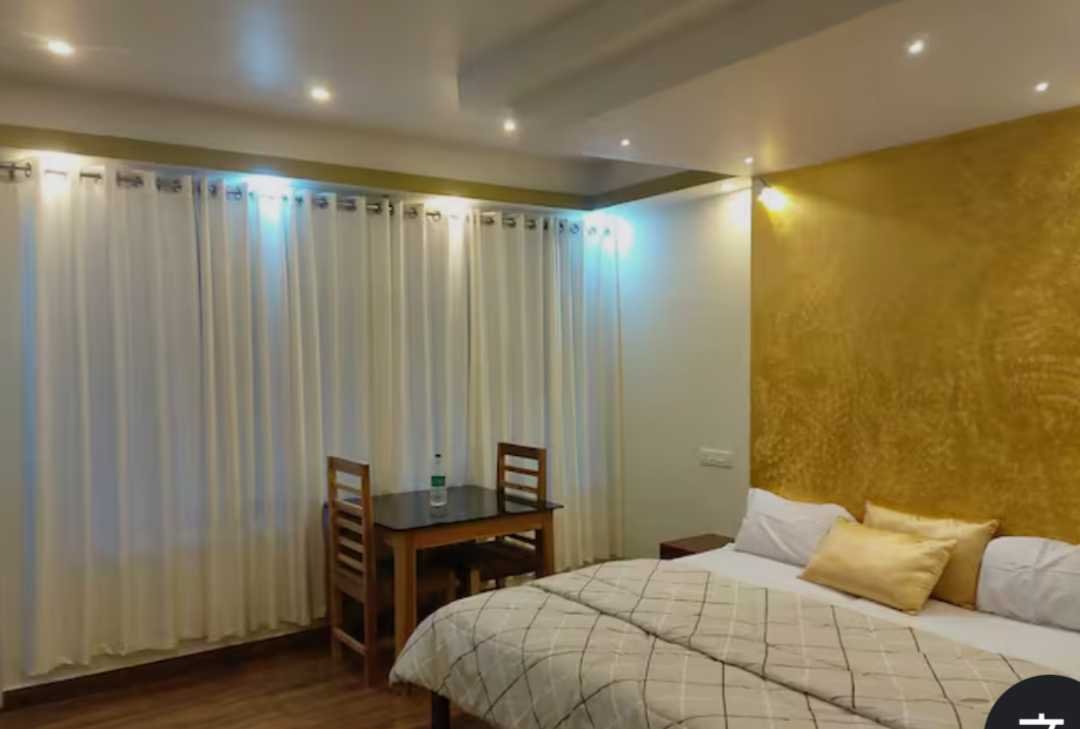
Our rates vary by season and room. Generally, expect between 2500 to 4500 Indian rupees per night, including breakfast and dinner. That’s roughly 30 to 55 US dollars. For that price, you get a clean room with a view of the lake, home-style meals, and the boat transfers. Compare that to a hotel in town, and you’ll see why guests consider this the best area to stay in alleppey homestay for value.
Wrapping Up This Conversation
Look, I could talk about the best area to stay in alleppey homestay all day. But the truth is, you have to feel it. You have to sit on the jetty at dusk and watch the bats leave the banyan tree. You have to taste the Karimeen Pollichathu fresh off the banana leaf. You have to wake up to the sound of water and the smell of coffee brewing.
I built Evaan’s Casa because I wanted to share this life. Not a hotel experience. Not a packaged tour. Just a real piece of island Kerala, where the food is cooked with care, the mornings are slow, and the lake is always there.
If you have questions, just ask. Send me a message through the website. I’m here, on the island, probably drinking chaya and watching the water. Come see it for yourself. You won’t regret choosing this as the best area to stay in alleppey homestay.
Safe travels, and maybe I’ll see you on the jetty.
— Jackson Louis, Evaan’s Casa, Alappuzha