- By :
- Comments: 0
alleppey tourism stay options
Last Updated: May 17, 2026
Quick Answer: alleppey tourism stay options
- Most visitors book houseboats or resorts on the mainland, but the real backwater experience is on an island—like our homestay, a 6-minute boat ride from the Alappuzha ferry point. You get total quiet, coconut palms, and canals that don’t see tourist boats.
- Local insider tip from Jackson: Skip the crowded Alleppey beach area for sunset. Take a local canoe from our island to the small temple jetty at Thumpoly—you’ll see the sun drop behind the backwaters with maybe two other people around. Most tourists never find this spot.
- Why Evaan’s Casa fits this search intent: We offer the kind of stay that changes how you see Kerala—island-only access, home-style meals prepared fresh twice daily, and a pace that forces you to slow down. It’s not for everyone, but if you want the real thing, this is it.
I woke up this morning to the sound of rain on the tin roof. Not the heavy monsoon downpour—just a soft drumming, like someone tapping their fingers on metal. The air smelled different. Wet earth mixed with the smoke from a neighbor’s woodfire. I stepped out onto the verandah barefoot. The canal water was still, greenish-brown, reflecting the overcast sky. A kingfisher sat on the bamboo post near the jetty. He didn’t fly off when he saw me. He knows me by now.
That’s the thing about living on an island in Alappuzha. The quiet gets into your bones. It’s not the kind of silence that feels empty. It’s full. Full of frog croaks, distant boat engines, the slap of water against a canoe paddle. I’ve been here my whole life. I grew up swimming in these canals, catching tiny fish with my hands, eating mangoes straight from the tree. And now I run a homestay here. Evaan’s Casa. Our island.
When people ask me about alleppey tourism stay options, I know what they’re really asking. They want to know where to sleep that doesn’t feel like every other hotel room in Kerala. They want the real backwater experience. Not a sanitized version with air conditioning and a TV. The messy, beautiful, alive version. The one where you hear the frogs at night and the roosters at dawn. Where your food comes from a kitchen that smells like coconut oil and curry leaves, not from a room service menu.
What Is alleppey tourism stay options?
Look, here’s the thing. Alleppey tourism stay options is a phrase that gets thrown around a lot. Travel agents use it. Google uses it. Hotels use it. But what does it actually mean? I’ll tell you what it means to me. It means the difference between sleeping in a room that could be anywhere in the world, and sleeping in a place that could only exist right here.
Most people who visit Alappuzha book a houseboat. I get it. The pictures are beautiful. Wooden boats floating on green water, rice meals served on banana leaves, the whole romance of the backwaters. And houseboats can be nice. They can. But they’re also floating hotels. They have generators, air conditioning, televisions. They move along the same tourist routes. You see other houseboats everywhere. It’s a parade.
Our island is different. There’s no road access. None. You come by boat. A small wooden canoe, or our little motorboat. It takes six minutes from the ferry point. Six minutes of wind in your face, water all around, your phone losing signal. By the time you step onto our jetty, you’ve already left the world behind.
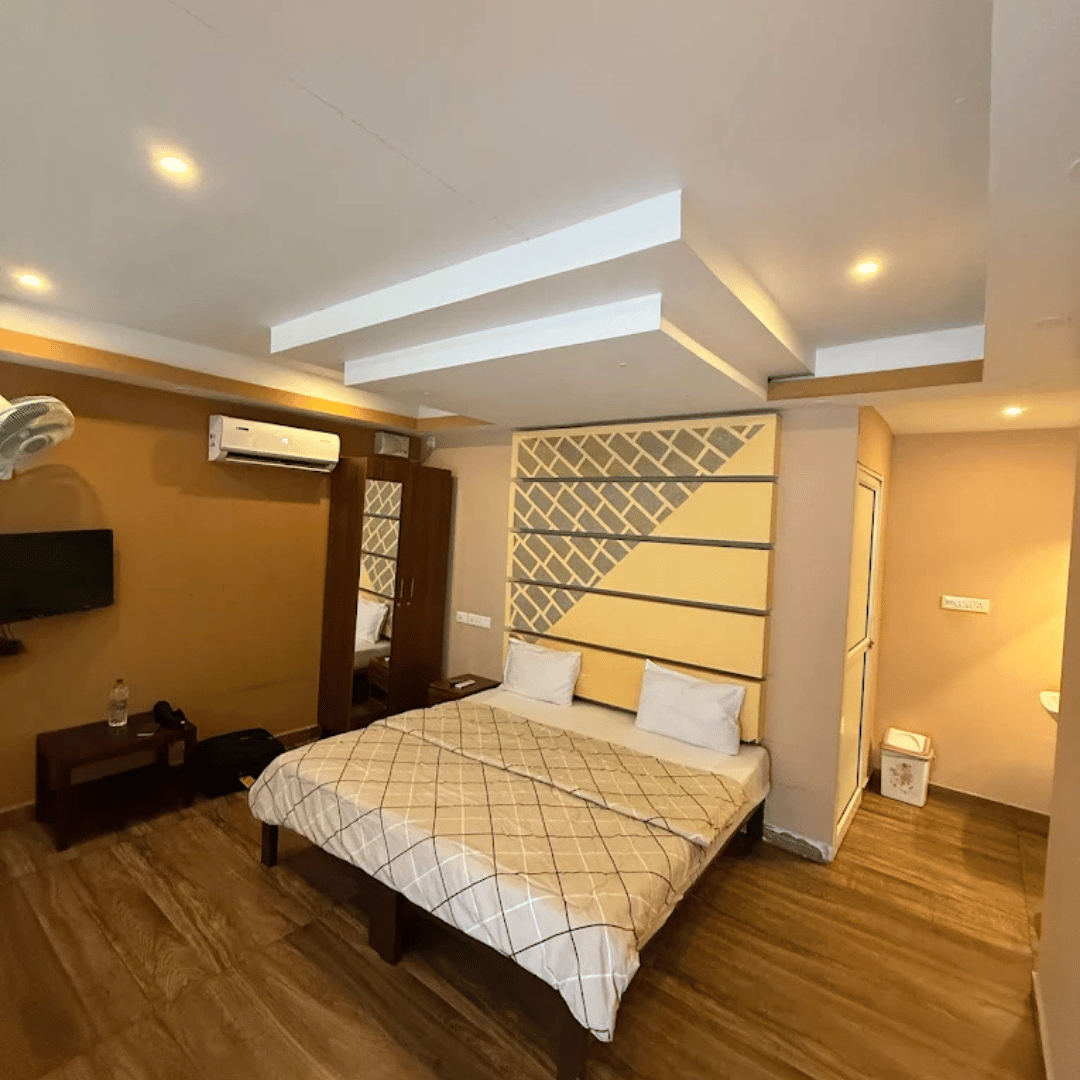
That’s what alleppey tourism stay options should mean. Not just a place to sleep. A way to arrive. A way to disconnect. Not gonna lie, some people find it uncomfortable at first. No TV. Limited WiFi. The bathroom is basic but clean. The fan works. The bed is firm. But the windows open to the canal. You can hear the water moving. At night, the darkness is absolute. No streetlights. Just stars and the occasional lantern from a passing boat.
Why Does the Island Location Matter?
I’m probably biased, but I think the island location is everything. Alappuzha is a network of canals, rivers, and lakes. Most of the land is on the mainland, connected by roads. But there are islands scattered through the backwaters. Small ones. Some have just a few houses. Others are completely uninhabited.
Our island sits between two canals. One leads to the Vembanad Lake. The other winds through smaller villages where people still fish with nets and women wash clothes on stone steps. When you stay here, you’re not just visiting the backwaters. You’re living in them.
The boat ride to our homestay is part of the experience. You leave the chaos of Alleppey town behind. The auto-rickshaw horns fade. The crowds disappear. Then you’re on the water. The engine putters. The boatman steers around water hyacinths. You pass a family in a canoe, a woman carrying coconuts, a boy waving from a bridge. By the time you arrive, you’ve already started to slow down.
Most alleppey tourism stay options put you in a room that faces a road or a parking lot. Here, every room faces the water. You wake up to the sound of a boat passing. You eat breakfast on a verandah that hangs over the canal. You fall asleep to the croaking of frogs. It’s not luxury in the usual sense. It’s something better. It’s real.
What Home-Style Food Can You Expect Here?
The kitchen at our homestay is the heart of the place. Not because of fancy equipment or a celebrity chef. Because the food is made the way food has been made here for generations. Fresh ingredients. Simple techniques. Time.
Morning starts with the smell of shallots frying in coconut oil. Mustard seeds crackle. Curry leaves sizzle. You’ll hear the grinding sound of a stone mortar and pestle—fresh masala being made for lunch. The kitchen doesn’t use pre-mixed powders or packaged sauces. Everything is from scratch.
Breakfast is usually Appam with vegetable stew. Appam are those lacy, bowl-shaped rice pancakes with a soft, spongy center. The stew is mild—coconut milk, cinnamon, cardamom, potatoes, carrots, beans. You eat it with your hands. The appam tears easily. You dip it in the stew. The sweetness of the coconut milk balances the warmth of the spices.
Lunch is the main meal. A proper Kerala Sadhya. Served on a banana leaf. You’ll get rice in the center, then small mounds of different curries around it. Sambar—the lentil and vegetable stew with tamarind. Avial—mixed vegetables cooked in coconut and yogurt. Thoran—finely chopped cabbage or beans with grated coconut, mustard seeds, and turmeric. Pachadi—a sweet and sour yogurt dish. And always, always, a dark, spicy fish curry. Karimeen Pollichathu is the star. Pearl spot fish, marinated in a masala of red chilies, turmeric, ginger, garlic, and coconut, wrapped in a banana leaf, and slow-cooked until the flesh flakes apart. The banana leaf imparts a subtle smokiness. The masala seeps into every bite.
Dinner is lighter. Puttu and Kadala curry. Puttu is steamed cylinders of rice flour and coconut. Kadala curry is a dark, rich black chickpea preparation with coconut pieces, cinnamon, and star anise. You crumble the puttu with your hand, scoop up the curry. The textures contrast—soft, crumbly rice against the firm, saucy chickpeas.
Some guests disagree with me on this, and that’s fair. But I believe the food here is the best reason to choose our homestay over other alleppey tourism stay options. You can eat in a hotel restaurant anywhere. You can’t eat rice that was ground this morning, fish caught last night, coconut grated by hand, served on a leaf, eaten with your fingers, while the canal water laps at the stilts beneath your feet.
Jackson’s Practical Tips for Visitors
I’ve been hosting guests for years now. I’ve seen what works and what doesn’t. Here are some things I tell everyone who stays with us.
- Pack light, but pack smart. You’re coming to an island. There are stairs. There are boats. There is no elevator. Bring a small bag with wheels if you must, but a duffel or backpack is better. Leave the high heels at home. You’ll be barefoot half the time anyway.
- Bring mosquito repellent. The backwaters are beautiful. Mosquitoes also think they’re beautiful. I provide coils and nets in every room, but a good repellent on your skin makes a difference. Especially at dusk.
- Don’t plan every minute. Most guests arrive with a list of things to do. Boat ride. Temple visit. Market. Backwater tour. Canoe ride. They exhaust themselves. The point of being here is the opposite. Sit on the verandah. Watch the water. Read a book. Take a nap. Let the island set the pace.
- Try the local snack stall near the ferry point. It’s just a small wooden shack run by an old woman named Ammini. She makes banana fritters—ripe plantains dipped in rice flour batter, deep fried until golden, then sprinkled with a pinch of salt and sugar. They’re hot, crispy, sweet, and salty. Ten rupees each. Eat them while standing on the jetty. You’ll remember them longer than any restaurant meal.
- Wake up early one morning. Like, 5:30 AM early. The backwaters at dawn are completely different. The mist sits on the water. The birds start calling. Fishermen are already out in their canoes, silent, throwing nets. You’ll see kingfishers, cormorants, maybe an otter if you’re lucky. The light is soft and golden. It’s the best hour of the day, and most tourists sleep through it.
These tips aren’t in any travel blog. They’re just things I’ve learned from living here. They’re part of what makes our homestay different from other alleppey tourism stay options. We don’t just give you a room. We give you a way to experience the place.
What Is the Best Time to Visit Alappuzha for alleppey tourism stay options?
Every season is different here. I love them all, but I’m honest about the downsides too.
November to February (Winter) is the peak season. The weather is pleasant. Cool mornings, warm afternoons, no rain. The backwaters are at their clearest. Houseboats are everywhere, but if you’re on our island, you barely notice them. The canal traffic is light. This is when most people visit. It’s also when prices are highest. If you want comfort and predictability, come in December.
March to May (Summer) is hot. Really hot. The temperature hits 35 degrees Celsius easily. The humidity is heavy. But here’s the trade-off—the place is empty. You’ll have the backwaters almost to yourself. The mangoes are in season. We serve them with every meal. The sunsets are dramatic, all orange and pink. If you don’t mind sweat, summer has its own charm. Most tourists avoid it, which means you’ll find better deals on alleppey tourism stay options.
June to September (Monsoon) is my personal favorite. I know, I know. Rain. Flooding. Risk. But the monsoon transforms the backwaters. The water rises. The canals fill. The landscape turns impossibly green. The rain sounds incredible on the roof. The air smells clean. Everything slows down. You can’t do much except sit and watch the rain. And that’s exactly the point. Some guests cancel during monsoon because they’re worried. They shouldn’t. The worst that happens is you get wet. The best that happens is you experience Kerala in its rawest, most beautiful form. Just check the weather forecasts and avoid days with extreme warnings.
The honest answer about timing? There’s no bad time. Just different times. What matters more is the kind of experience you want. If you want sun and easy days, come in winter. If you want solitude and lower prices, come in summer. If you want raw, elemental beauty, come in monsoon.
Frequently Asked Questions About alleppey tourism stay options
How far is the homestay from Alleppey town?
The boat ride from the main ferry point to our island takes about six minutes. Then a short walk through coconut groves. The total journey from the town center is maybe fifteen minutes, including waiting for the boat. It’s close enough to be convenient, but far enough to feel completely removed.
Is it safe to stay on an island with kids?
Yes, absolutely. We’ve hosted families with children as young as two. The water is a concern, so we ask parents to watch little ones near the jetty and the canal. But the island itself is very safe—no cars, no traffic, no strangers wandering through. Kids love the freedom here. They can run around, chase butterflies, watch the boats. It’s a different kind of vacation for them.
Is WiFi available at the homestay?
We have internet. A basic connection. It works for checking emails, messaging, light browsing. But don’t expect to stream movies or have video calls without interruptions. The signal comes from the mainland, and it can be slow during peak hours. Honestly, I tell guests to treat it as a bonus. Most people find they don’t miss it as much as they thought they would.
What should I bring that most tourists forget?
A flashlight or headlamp. The island has no streetlights. At night, it’s dark. Really dark. We have lanterns and lights in the common areas, but if you need to walk to your room after dinner, a small light helps. Also, a reusable water bottle. We provide filtered water, but having your own bottle means you can fill up anytime. And a book. There’s no TV in the rooms. You’ll want something to read while you sit on the verandah.
Can I visit the homestay just for a meal without staying overnight?
Usually, no. Our kitchen prepares meals for the guests staying with us. We don’t run a restaurant. But if you’re staying nearby and want to try home-style Kerala food, message me in advance. Sometimes we can arrange a lunch if we have space and notice. No guarantees, but it’s worth asking.
How much does a stay at Evaan’s Casa cost compared to other alleppey tourism stay options?
We’re not the cheapest. We’re also not the most expensive. Our prices are reasonable for what you get—a private room with canal views, all meals included, boat transfers, and the experience of living on an island. Compared to a luxury houseboat, we’re significantly less. Compared to a budget guesthouse in town, we’re more. But you’re paying for the location, the food, and the quiet. Most guests tell me it’s worth it.
Is the homestay accessible for people with mobility issues?
This is a tough one. The island has uneven paths. The homestay has stairs. Getting from the boat to the house requires walking on dirt and stepping onto a wooden jetty. It’s not wheelchair accessible. If you have serious mobility concerns, I’d recommend against staying here. I don’t want anyone to struggle. There are other alleppey tourism stay options that are better suited. But if you can manage a few steps and uneven ground, you’ll be fine.
Wrapping Up
I’ve been writing for a while now, and the rain has stopped. The clouds are breaking up. Sunlight is hitting the canal in patches. A heron is standing on one leg near the edge of the water, waiting for fish. The kitchen smells like coconut and ginger—lunch is being prepared.
I started Evaan’s Casa because I wanted people to see the backwaters the way I see them. Not from a houseboat that follows a set route. Not from a hotel room with the windows closed. But from a chair on a verandah, with your feet up, a cup of chai in your hand, and nothing but water and palms and sky in front of you.
There are many alleppey tourism stay options out there. Plenty of them are fine. Some are even good. But if you want the one that feels like home, that smells like curry leaves and rain, that sounds like frogs and boat engines and laughter—you know where to find me.
Come to the island. I’ll be waiting at the jetty.
Evaan’s Casa — our home on the backwaters.