- By :
- Comments: 0
direct booking homestay alleppey kerala
Last Updated: May 11, 2026
Quick Answer: direct booking homestay alleppey kerala
- A direct booking homestay in Alleppey, Kerala means you skip third-party platforms and book straight with the host — you get better rates, personalized service, and local insights that no booking site can offer.
- Local insider tip from Jackson: Book at least 10 days in advance during November to February, and always ask about the morning boat schedule to the island — the 6:15 AM Vallam is the quietest ride you’ll ever take.
- Evaan’s Casa fits this search intent because we’re a real homestay on a backwater island, not a resort — you eat home-style food, sleep in a room that faces the canal, and I personally help you plan your days here.
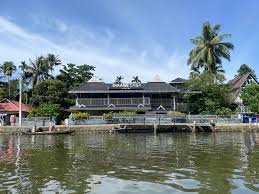
I woke up this morning to the sound of a single kingfisher diving into the canal. The water was flat and green, reflecting the coconut palms like a mirror that hadn’t been touched yet. That quiet — the kind where you can hear a fish jump — is why I built this place. Not gonna lie, the first few years here were rough. No road access. Just a six-minute boat ride across the channel, and if you missed the last ferry at 7 PM, you were stuck on the mainland. But that isolation? That’s the whole point.
Most people arrive here frazzled. They’ve been on trains, in auto-rickshaws, through Kochi traffic. Then they step off the boat onto our island, and their shoulders drop. I see it happen every time. The air smells different here — wet earth, frangipani, a hint of woodsmoke from someone’s morning fire. That’s when they realize they’re not in a hotel. They’re in someone’s home. And honestly, I’d say that’s the only way to really see Alleppey.
What Is a Direct Booking Homestay Alleppey Kerala?
Look, here’s the thing. A direct booking homestay in Alleppey, Kerala is exactly what it sounds like — you contact me directly, you book your room, and you pay me. No middleman. No booking site taking a cut. No algorithm deciding which property to show you first. When you search for a direct booking homestay Alleppey Kerala, you’re looking for a real connection with a local host. Someone who’ll tell you that the toddy shop near the temple has the best fried fish on Tuesdays. Someone who’ll point to the map and say, “Don’t go to that backwater stretch — it’s full of houseboats and generators. Go here instead.”
I’m probably biased, but I think the island location makes all the difference. Our place sits on a small island in Vembanad Lake, the longest lake in India. You can’t drive here. You can’t honk a horn. The only traffic is the occasional canoe carrying coconuts or a school kid in a uniform. When people book a direct booking homestay Alleppey Kerala through me, they get a room, yes. But they also get a key to the island. They get permission to sit on the jetty at sunset and watch the cormorants dry their wings. They get a plate of hot banana fritters that my team just fried, served with a cup of strong ginger chai. That’s not something you can order on a website.
Why Does the Island Location Matter?
Let me tell you what it’s actually like to arrive here. You drive to a small jetty on the mainland — it’s near a place called Punnamada, where the Nehru Trophy Boat Race happens every August. You park your car, you text me, and I send a boat across. The ride takes six minutes. Six minutes of wind in your face, water on both sides, and the mainland shrinking behind you. Then you step onto the island, and the sound changes. The drone of traffic disappears. You hear birds. You hear water lapping. You hear the thud of a coconut falling somewhere.
That transition is physical. I’ve seen guests cry. Not sad crying — relief crying. The kind where your nervous system finally says, “Okay, we can stop now.” When you choose a direct booking homestay Alleppey Kerala on an island, you’re choosing to be unreachable for a few days. The WiFi works, sure. But you might not want to use it. Some guests disagree with me on this, and that’s fair — not everyone wants total quiet. But for those who do, the island delivers.
In the mornings, I walk down to the jetty around 6 AM. The mist sits low on the water. The first Vallam boat of the day chugs past, carrying fish to the mainland market. The engine sound is a low thrum that echoes across the lake. If you’re awake, you can sit on the veranda and watch the day begin. No rush. No schedule. Just the backwaters doing what they’ve done for centuries.
What Home-Style Food Can You Expect Here?
Now let’s talk about the food, because that’s what half my guests remember most. I don’t run a restaurant. We prepare traditional home cooking in our kitchen — every meal is made fresh, using ingredients from the local market and whatever the fishermen bring in that morning. When you stay at a direct booking homestay Alleppey Kerala, you eat what we eat. That’s the deal.
Breakfast is usually Puttu and Kadala curry. Puttu is steamed rice flour cylinders, light and fluffy, served with a dark, spicy black chickpea curry. Sometimes we do Appam with vegetable stew — the appams are lacy and crisp on the edges, soft in the center. You soak them in the stew, which has coconut milk, cinnamon, and cardamom. It’s a breakfast that sits warm in your stomach and keeps you full until lunch.
Lunch is the main event. We serve a Kerala Sadhya on a banana leaf. Twelve to fifteen dishes, all vegetarian. Parippu (dal), Sambar, Avial (mixed vegetables in coconut), Thoran (stir-fried cabbage or beans with grated coconut), Pachadi (yogurt with pineapple or cucumber), Olan (ash gourd in coconut milk), and the tangy, sour Pulissery that I could eat every single day. There’s papadum, banana chips, and a sweet Payasam to finish. You eat with your right hand, mixing the rice with each curry, and you don’t stop until the leaf is clean.
For dinner, we do Karimeen Pollichathu — pearl spot fish, marinated in a paste of red chilies, turmeric, ginger, garlic, and coconut, then wrapped in a banana leaf and pan-fried until the leaf chars. The fish comes out smoky, tender, and flaking apart. We serve it with steaming rice and a simple salad of shallots, coconut, and lime. Some guests ask for the recipe. I tell them it’s not about the recipe — it’s about the fish, which swam in the lake twelve hours ago.
The kitchen at our homestay uses coconut oil for everything. Mustard seeds crackle in hot oil at the start of every meal. The smell of curry leaves frying is the smell of this house. We don’t use shortcuts or premixes. We pound our own masalas. We grate fresh coconut every morning. If you’re serious about a direct booking homestay Alleppey Kerala, you come here for food that tastes like it was grown and caught within a kilometer of your plate.
Jackson’s Practical Tips for Visitors
I’ve been hosting for eight years now, and I’ve learned a few things. Here’s what I tell every guest who books a direct booking homestay Alleppey Kerala with me:
- Pack light and soft. You’ll be getting in and out of boats. Hard suitcases are a nightmare. Bring a duffel or a backpack. Also bring clothes that dry quickly — the humidity here is real, and sometimes your shirt stays damp until noon.
- Bring mosquito repellent. Not the fancy natural stuff. Get the strong one with DEET. We’re on an island surrounded by water. Mosquitoes love it here. I provide nets and coils, but you’ll want repellent for evening walks.
- Learn two Malayalam words. “Nanni” means thank you. “Pottichirikkuka” means “just relax” or “sit loosely.” Use the second one often. It’s the local philosophy. When you say it to a boatman or a shopkeeper, they’ll smile because they know you get it.
- Don’t plan too much. Most people arrive with a list of activities — houseboat, village walk, spice plantation, temple visit. I say pick two things and leave the rest open. The best moments here are unplanned: a neighbor inviting you for tea, a sudden rain shower that forces you to sit on the porch, a fisherman showing you how he untangles his net.
- Skip the houseboat overnight. I know, it’s the classic Alleppey experience. But the big houseboats are loud, they burn diesel all night for AC, and you’re stuck on a canal with twenty other boats. Instead, take a two-hour canoe ride through the narrow channels where the houseboats can’t go. You’ll see kingfishers, water lilies, and village life up close. Then come back to the homestay for a proper bed and a proper meal.
Most travel blogs won’t tell you this, but the best time to walk around the island is between 4:30 PM and sunset. The light turns golden, the heat drops, and the kids come out to play cricket on the narrow paths. You can walk the whole island in forty minutes. It’s small. But it feels like a world.
What Is the Best Time to Visit Alappuzha for a Direct Booking Homestay Alleppey Kerala?
People ask me this all the time. The honest answer is: it depends on what you want.
November to February is the peak season. The weather is cool and dry. Daytime temperatures stay around 28-30°C (82-86°F). Mornings are crisp. The backwaters are calm. This is when the island looks its most postcard-perfect. But here’s the catch — it’s crowded. The houseboats fill up. The restaurants in Alleppey town have queues. And because everyone wants to book a direct booking homestay Alleppey Kerala during these months, I’m usually full by early October. Book early if you want December or January.
March to May is the summer season. It’s hot. Really hot. Temperatures hit 35°C (95°F) and the humidity is thick. Most tourists avoid this time. I actually like it. The island is empty. The water is warm for swimming. The mangoes are in season — we serve them with every meal, sliced and sprinkled with chili powder and salt. The afternoons are for napping under a ceiling fan. The evenings are for sitting in the water up to your neck. If you can handle heat, summer is a steal.
June to September is the monsoon. This is my favorite season, but it’s not for everyone. It rains every day. Heavy, drumming rain on the tin roof. The canals rise. The island gets cut off more often — sometimes the boat can’t run for a few hours if the wind is too strong. But the green is unbelievable. The lake turns a deep, moody grey. The air smells of wet earth and jasmine. If you want to read books, drink chai, and watch the rain turn the world into water, come in July. Just bring an umbrella and a good book.
If you’re booking a direct booking homestay Alleppey Kerala for the first time, I’d suggest late November. The weather is perfect, the crowds haven’t peaked yet, and the backwaters are at their most beautiful. But honestly? Every month has something. The island doesn’t care about the calendar.
Frequently Asked Questions About Direct Booking Homestay Alleppey Kerala
How far is the homestay from Alleppey town?
Our island is about 4 kilometers from the center of Alleppey. But because it’s an island, you take a six-minute boat ride from the mainland jetty. The total travel time from Alleppey Railway Station to our door is about 25 minutes — 15 minutes by auto to the jetty, then the boat crossing.
Is the homestay safe for solo travelers?
Yes, very. I’ve hosted solo women, solo men, and first-time India travelers. The island is small and everyone knows everyone. We have 24-hour security at the jetty, and all rooms have locking doors and windows. I also give solo guests my personal phone number in case they need anything.
What should I bring for the island stay?
Besides mosquito repellent and quick-dry clothes, bring a flashlight. The island has electricity, but there are occasional power cuts during storms. A flashlight helps you walk to the jetty at night. Also bring a reusable water bottle — we have filtered drinking water available. And if you’re a light sleeper, bring earplugs. The birds start singing at 5 AM, and the roosters don’t check the time.
Can I bring kids here?
Absolutely. We get families with children often. The island is safe for kids — no traffic, shallow water near the jetty, and plenty of space to run around. I recommend bringing floaties or life jackets for younger children, since we’re surrounded by water. We have a small garden where kids can play while you sit on the veranda and watch.
Is WiFi available at the homestay?
Yes, we have WiFi. It’s decent for browsing, social media, and video calls. But it’s not fiber optic — we’re on an island, after all. If you need to download large files or stream high-definition video, it might be slow. Most guests find they don’t care. The view from the veranda is more interesting than any screen.
How much does a direct booking homestay Alleppey Kerala cost?
Rates vary by season. A standard double room with all meals included ranges from ₹3,500 to ₹5,500 per night (roughly $42 to $66 USD). That includes breakfast, lunch, dinner, and evening tea with snacks. When you book directly with me, you avoid platform fees, so you save about 15-20% compared to booking sites. Email me or check Evaan’s Casa for current availability.
Is there a minimum stay requirement?
Usually two nights. One night feels too short — you arrive, settle in, and then you’re leaving. Two nights gives you a full day to explore the island, take a canoe ride, eat a Sadhya, and just exist. During peak season (December and January), I sometimes require three nights because demand is high.
Wrapping Up
I’ve been living on this island for over twenty years now. I’ve seen the water level change, the fish return, the mangroves grow back. When I started Evaan’s Casa, I didn’t want to build another hotel. I wanted to share this life — the slow mornings, the food that takes hours to prepare, the feeling of being somewhere that hasn’t been polished for tourists.
When you book a direct booking homestay Alleppey Kerala with me, you’re not just renting a room. You’re stepping into a rhythm that’s been here long before any of us. The boatman who ferries you across knows your name by the second day. The neighbor’s dog will follow you on your walk. The coconut seller will wave from his canoe.
That’s what I mean by direct booking. It’s direct in every sense. You talk to me. I pick you up from the jetty. I tell you which temple has the best festival. I serve you food that came from the lake that morning. No middleman. No algorithm. Just the backwaters, the island, and a plate of hot Karimeen Pollichathu.
If you want that, you know where to find me. Come to Evaan’s Casa. Step off the boat. Take a breath. Stay a while.