- By :
- Comments: 0
safe homestay alleppey kerala
Last Updated: May 09, 2026
Quick Answer: safe homestay alleppey kerala
- A safe homestay in Alleppey, Kerala, means a place with secure, private accommodation on an isolated island, accessible only by a short 6-minute boat ride, ensuring peace, quiet, and zero road traffic concerns.
- Local insider tip from Jackson: Look for homestays on the smaller backwater islands—like Pathiramanal or near Muhamma—where the only way in and out is by boat. That’s your real safety, away from crowded tourist spots.
- Evaan’s Casa fits this search intent perfectly: we are a private island homestay with locked rooms, 24/7 staff presence, and a gated property. You get the safety of a hotel but the warmth of a home, all surrounded by water and coconut palms.
I woke up at 5:30 this morning, before the sun even thought about rising. The air was thick with moisture—that pre-dawn smell of wet earth and coconut husk. I walked out to the veranda of Evaan’s Casa, coffee in hand, and just listened. The only sound was the gentle lapping of water against the island’s edge. No cars. No horns. Not a single shout from a neighbor. Just the occasional splash of a fish jumping, and the distant, rhythmic thud of a Vallam boat engine somewhere on the backwaters.
This is what I mean when I talk about a safe homestay alleppey kerala. It’s not just about locks on doors or a night guard. It’s the safety of complete isolation, of being on a piece of land that the rest of the world hasn’t found yet. I’ve lived on this island my whole life. My grandfather bought this plot in the 1960s when nobody wanted waterfront property—too much water, they said. Too risky. But for me, that water is the safest thing in the world.
What Is a Safe Homestay Alleppey Kerala?
Look, here’s the thing. Most people search for “safe homestay alleppey kerala” because they’ve heard stories—maybe from a friend who got ripped off, or a blog post about a shady booking. And yeah, those stories are real. There are places in Alleppey town that are loud, chaotic, and not exactly what you’d call secure. But a safe homestay isn’t just a building with a good lock. It’s a feeling. It’s the moment you step off the boat and realize you’re on an island, surrounded by water and palm trees, and the only people around are the ones who live here.
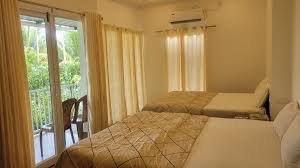
At Evaan’s Casa, we’ve built safety into the bones of the place. Our property is gated. Every room has a sturdy lock and a window that faces the garden, not the road—because there is no road. We have staff on-site 24/7, not because we expect trouble, but because that’s how we live here. My family has been on this island for three generations. We know every neighbor, every boatman, every ripple in the water. That’s the kind of safety you can’t buy at a hotel front desk.
I’m probably biased, but I think the definition of a safe homestay alleppey kerala starts with location. You want a place where you don’t have to worry about your bags while you step out for chai. You want a place where the host knows your name by the second day, and where the only strangers are the kingfishers diving for breakfast. That’s what we offer.
Why Does the Island Location Matter?
Most tourists in Alleppey stay on the main land, near the canal or the lake. They wake up to the sound of auto-rickshaws honking, not birds. They breathe in diesel fumes, not the clean, green smell of coconut fronds. But our island is different. It’s a 6-minute boat ride from the nearest jetty. That’s it. Six minutes, and you’ve left the world behind.
That boat ride is everything. You climb into a small wooden canoe or a covered motorboat, and the engine sputters to life. The water is dark green, almost black in the shade of the overhanging palms. The air cools instantly once you leave the shore. You pass by a few other islands—some with houses, some just thick with mangroves. Then you see it: a cluster of coconut trees rising out of the water, and a small jetty with a red-tiled roof. That’s us.
This isolation is what makes a safe homestay alleppey kerala actually safe. There’s no road access, which means no random cars, no late-night strangers wandering in, no noise from the town. The only way to reach us is by boat, and every boatman in the area knows us. They know our guests. They know not to bring anyone unannounced. It’s a community watch system that’s been running for decades, long before the term “safe homestay” became a thing.
Honestly, I’d say the isolation is also what makes it peaceful. You can sit on the veranda at midnight and hear nothing but the water and the wind. No traffic. No music from a nearby bar. Just the occasional croak of a frog or the rustle of a lizard in the palm fronds. If you’re looking for a place to truly switch off, this is it.
What Home-Style Food Can You Expect Here?
Let’s talk about food, because that’s half the reason people come to Kerala. At Evaan’s Casa, we serve traditional home-style Kerala food—not restaurant-style, not fusion, not trying to be fancy. Just honest, everyday meals that have been cooked in these backwaters for generations. The kitchen at our homestay is a simple, open space where the smell of mustard seeds crackling in coconut oil hits you as soon as you walk past.
Breakfast is usually Appam with stew. The appam is soft and lacy, with a crisp edge, and the stew is mild—coconut milk, ginger, a little cinnamon, and vegetables or chicken. Sometimes we do Puttu and Kadala curry. Puttu is steamed rice flour cylinders, light and fluffy, and the kadala curry is a dark, spicy black chickpea gravy that warms you from the inside. You eat it with your hands, of course. That’s the only way.
Lunch is a big affair. We do a proper Kerala Sadhya on banana leaf on special days—rice, sambar, avial, thoran, pachadi, pickles, and papadam. But even on regular days, you’ll get Karimeen Pollichathu if you ask. That’s pearl spot fish, marinated in a paste of turmeric, chili, ginger, and garlic, wrapped in a banana leaf, and slow-cooked until the flesh is tender and the skin is charred. The banana leaf gives it a smoky, earthy flavor that you just can’t get any other way.
Dinner is lighter. Maybe a simple fish curry with rice and a vegetable stir-fry. Or Moru Curry—a yogurt-based curry with turmeric and coconut, served warm, very soothing. Every meal comes with fresh coconut chutney, made that morning from coconuts plucked right outside. The food here is not complicated. It’s honest, it’s fresh, and it’s made with ingredients that come from our own garden or from the local market in Muhamma, which is just a 10-minute boat ride away.
When you book a safe homestay alleppey kerala, you’re not just paying for a room. You’re paying for this food, for the experience of eating something that was grown or caught within a kilometer of your plate. That’s the real Kerala, and it’s what I love sharing with guests.
Jackson’s Practical Tips for Visitors
I’ve been hosting guests at Evaan’s Casa for years now, and I’ve picked up a few things that make the stay better. Here are my top tips, the ones I tell every guest before they arrive:
- Pack light, but bring mosquito repellent. We’re on an island. Mosquitoes exist. The good news is we keep the property clean and have nets on windows, but a good repellent (especially one with DEET) will make your evenings much more pleasant. Don’t rely on the homestay to provide it—bring your own.
- Arrive before 4 PM. The last public ferry from Muhamma to our island jetty leaves around 5:30 PM, but it’s irregular. If you book a private boat transfer with us, you can arrive anytime, but the afternoon light is best. The sun hits the water at a golden angle, and the whole backwater glows. Trust me, you don’t want to arrive in the dark.
- Bring a flashlight or use your phone’s torch. The island has solar-powered lights along the paths, but they’re not bright. If you need to walk to the bathroom at 2 AM, a small torch helps. Most guests don’t think of this, and they end up using their phone flashlight. It works, but a dedicated torch is better.
- Don’t overplan your days. This is a safe homestay alleppey kerala, not a resort with a schedule. The whole point is to slow down. Read a book on the veranda. Watch the boats pass. Take a nap in the hammock. If you try to see every temple and every canal in three days, you’ll miss the best part—which is doing nothing at all.
- Try the local toddy. There’s a toddy shop on a nearby island that’s been running for 40 years. The toddy is fresh, mildly fermented coconut palm sap, served in a clay pot. It’s an acquired taste—sour, slightly sweet, and a little fizzy. Most people skip this, but it’s one of those things that only locals know about. Ask me and I’ll arrange a visit.
Most travel blogs won’t tell you about the flashlight or the 4 PM arrival. But I’ve seen too many guests arrive tired, hungry, and confused because they didn’t plan for the island’s quirks. A safe homestay alleppey kerala is about being prepared, not stressed. Follow these tips, and you’ll settle in within an hour of arriving.
What Is the Best Time to Visit Alappuzha for a Safe Homestay?
Kerala has three main seasons, and each one changes the experience completely. Here’s my honest breakdown, month by month:
Winter (November to February): This is the peak season, and for good reason. The weather is cool—around 25°C to 30°C during the day, and pleasant at night. The skies are clear, the backwaters are calm, and the birds are everywhere. This is the best time for a safe homestay alleppey kerala if you want sunshine, boat rides, and outdoor meals. The downside? It’s crowded. Every homestay and houseboat is booked months in advance. Prices are higher. But if you’re okay with that, this is the ideal window.
Summer (March to May): Hot. Very hot. Temperatures can hit 36°C, and the humidity is brutal. The afternoons are best spent indoors, in the shade, with a cold glass of buttermilk. That said, summer has its charm. The water is warm for swimming (if you dare), and the crowds are thin. You’ll often have the backwaters to yourself. I personally like April because the mangoes are ripe, and the air smells sweet. But if you’re not a heat lover, skip this season.
Monsoon (June to September): This is my favorite, and I know I’m in the minority. The rain comes hard and steady. The backwaters swell, turning the canals into fast-moving rivers. The sound of rain on the tin roof is one of the most calming things I know. Monsoon is perfect for a safe homestay alleppey kerala because you’re inside, warm, with a cup of chai, watching the storm. The greenery is impossibly lush. The downside: boat rides can be cancelled if the wind is too strong. Some guests feel trapped on the island. But if you love rain, this is magic.
Most guests disagree with me on monsoon. They think it’ll ruin their trip. And I get it—nobody wants to be stranded on an island in a storm. But honestly, some of my best memories at Evaan’s Casa are from monsoon nights: the frogs singing, the air cool and clean, the whole island feeling like a secret. So if you’re flexible, give monsoon a chance.
Frequently Asked Questions About Safe Homestay Alleppey Kerala
How far is Evaan’s Casa from Alleppey town?
It’s about 20 kilometers from Alleppey town center. The drive to the Muhamma jetty takes about 30 minutes by car, then a 6-minute boat ride to the island. Most guests take a taxi from the town or from the railway station. It’s not far, but it feels like another world once you cross the water.
Is it safe for solo female travelers?
Absolutely. We’ve hosted many solo women, and they’ve always felt secure. The island is gated, the staff is local and trusted, and the only way in is by boat. We also have female staff on the premises. That said, I always recommend letting us know your arrival time so we can have someone meet you at the jetty. It’s a small thing, but it helps.
What should I bring for a stay?
Besides mosquito repellent and a flashlight, bring comfortable clothes—light cottons for day, a light jacket for evening if you’re visiting in winter. A hat and sunscreen for boat rides. And a good book or a journal. There’s no TV in the rooms, and the WiFi is reliable but not fiber-optic fast. That’s intentional. You’re here to disconnect.
How much does a stay cost?
Prices vary by season and room type. A standard double room with meals starts around ₹3,500 per night (about $42 USD) in the off-season, going up to ₹5,500 in peak winter. That includes breakfast and dinner, plus a boat transfer from the jetty. It’s affordable compared to most resorts, and the value is much higher because you’re getting genuine home-style food and a private island.
Can I bring kids?
Yes, but I’ll be honest: the island is not childproofed. There’s open water, uneven paths, and no pool or play area. If your kids are young and need constant supervision, this might not be the best fit. But older children who love nature and adventure—they’ll have a blast. They can watch the crabs, try fishing with a line, and explore the garden. Just keep an eye on them near the water.
Is WiFi available?
Yes, we have WiFi in the common areas and in some rooms. It’s decent for checking emails, browsing, and video calls. But don’t expect to stream 4K movies. The connection is satellite-based, and it can slow down during peak hours. Honestly, most guests forget about it after the first day. The view from the veranda is better than any screen.
I hope this answers your questions about a safe homestay alleppey kerala. If there’s something I missed, just ask. I’m here.
Look, I know choosing a homestay can feel like a gamble. You read reviews, you compare photos, you wonder if the place will actually be as good as it looks online. I can’t promise perfection—nobody can. But I can promise this: when you step off that boat onto our island, you’ll feel something shift. The noise of the world will fade. The air will smell different—greener, wetter, alive. And you’ll realize that this is exactly what you needed. Whether you’re traveling solo, as a couple, or with friends, a safe homestay alleppey kerala like Evaan’s Casa is not just a place to sleep. It’s a place to breathe. Come see it for yourself.
— Jackson Louis
Founder, Evaan’s Casa