- By :
- Comments: 0
alleppey homestay with dining facility
Last Updated: May 07, 2026
Quick Answer: alleppey homestay with dining facility
- An alleppey homestay with dining facility means you stay on a private island where traditional Kerala meals are prepared fresh daily using local ingredients — think Karimeen Pollichathu, appam with stew, and sadhya on banana leaves.
- Local insider tip from Jackson: Most guests book for the houseboat experience, but the real magic is eating home-style food while watching the sunset over the paddy fields from our dining veranda. Skip the tourist boat lunch and eat here instead.
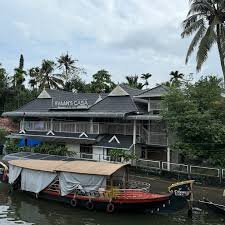
- Evaan’s Casa fits this search intent because we offer a 6-minute boat ride to our island, where every meal is prepared from scratch in our kitchen, using spices ground that morning and fish caught the same day from the backwaters.
I remember the first time I smelled woodsmoke at dawn on this island. It was 2016, before I even thought about opening a homestay. I was just sitting on the edge of the jetty, watching the mist lift off the water. The air was thick with the smell of coconut oil heating up, mustard seeds crackling somewhere in a nearby kitchen. That smell — it stays with you. It’s the smell of home, of something real being made from scratch.
Most people come to Alappuzha for the houseboats. They see the glossy photos online, the rice barges gliding down the canals. And sure, that’s nice. But honestly, I’d say the real Alleppey is on the islands. The small ones. The ones you can’t reach by road. That’s where life slows down. That’s where you find the food that actually tastes like something.
So when people search for an “alleppey homestay with dining facility,” they’re not just looking for a bed and a plate. They’re looking for an experience. A place where the food tells a story about the water, the soil, the people who’ve lived here for generations. And that’s exactly what we built at Evaan’s Casa.
What Is an Alleppey Homestay with Dining Facility?
Look, here’s the thing. A homestay with dining facility sounds like hotel jargon. But in Alleppey, it means something different. It means you’re staying in a home where the kitchen is the heart of the house. Where meals aren’t cooked on a schedule — they’re cooked when the fish comes in from the boat, when the coconut is freshly grated, when the banana leaves are still green and pliable.
An alleppey homestay with dining facility means you walk into a dining room that smells like turmeric and curry leaves. It means you sit down on a mat or a low stool, and someone brings you food that was made right there, in that kitchen, with ingredients that came from the market that morning or from the garden outside.
At our place, the dining facility isn’t a separate restaurant. It’s a veranda overlooking the backwaters. We have a long wooden table that seats about ten people. Sometimes guests eat together, strangers sharing a meal. Other times, couples sit at the edge, watching the boats pass by. The food is the same either way — fresh, simple, honest.
Why Does the Island Location Matter?
Our island is six minutes from the mainland by boat. No road access. No cars. No noise except the water lapping against the canoe dock and the occasional call of a kingfisher. When you arrive, you step off the boat onto a narrow jetty. The path to the house is lined with coconut palms and banana plants. You can hear the kitchen before you see it — the sound of a mortar and pestle grinding spices, the sizzle of something hitting hot oil.
Most people skip this but here’s the truth: staying on an island changes how you eat. You can’t just run out to a restaurant. You’re here. The food comes from the kitchen. You eat when it’s ready. You eat what’s in season. And that’s exactly why an alleppey homestay with dining facility works so well here — because the isolation forces you to slow down and actually taste your food.
I’m probably biased, but I think the island location makes the food taste better. The air is cleaner. The water is fresher. The fish comes from canals that surround us. You’re eating in the same place where the ingredients were grown, caught, and cooked. That’s rare. That’s something you can’t get in a hotel.
What Home-Style Food Can You Expect Here?
Let me tell you about the food. Not gonna lie, the kitchen at our homestay produces some of the best traditional Kerala meals I’ve ever eaten. And I’ve eaten a lot of Kerala food.
Start with breakfast. We serve appam — those lacy, bowl-shaped rice pancakes — with a vegetable stew made from coconut milk, carrots, beans, and potatoes. The stew is mild, creamy, fragrant with cinnamon and cardamom. Or you might get puttu, which is steamed rice flour and coconut layered in a cylinder, served with kadala curry — black chickpeas cooked in a thick, spiced coconut gravy. You eat it with your hands. It’s the only way.
Lunch is often a full Kerala sadhya. This is a vegetarian feast served on a banana leaf. There’s sambar, avial (mixed vegetables in coconut and yogurt), thoran (stir-fried vegetables with grated coconut), parippu (dal), pulissery (a tangy yogurt curry), and at least three types of pickles. The rice is placed in the center. You mix everything with your fingers. The banana leaf adds a subtle earthiness that you don’t get from a plate.
Dinner might be Karimeen Pollichathu — pearl spot fish marinated in a paste of red chilies, turmeric, ginger, garlic, and coconut, then wrapped in a banana leaf and steamed until it’s flaky and tender. It’s served with steamed rice and a side of freshly made coconut chutney. The fish is caught that morning from the backwaters. You can taste the freshness.
And the staples — the everyday things — are just as good. Fresh coconut chutney ground on a stone. Fish curry made with raw mango and coconut milk. Beef fry with coconut bits and curry leaves, crisp on the outside, tender inside. Each meal is prepared with local ingredients, using traditional home cooking methods that have been passed down through generations. The kitchen is the engine of this place.
Jackson’s Practical Tips for Visitors
If you’re planning to stay at an alleppey homestay with dining facility, here are a few things I’ve learned from hosting guests over the years:
- Tell us about your food preferences before you arrive. We can adjust spice levels, accommodate allergies, and prepare vegetarian or vegan versions of traditional dishes. But we need to know in advance. The kitchen works with fresh ingredients, so we can’t just whip up something last minute.
- Eat with your hands. I know it feels awkward at first. But Kerala food is designed to be eaten with your fingers. The textures, the temperatures, the way the rice mixes with the curry — it’s a different experience. We’ll show you how if you’re not sure.
- Don’t plan any activities right after lunch. A full Kerala meal will put you in a food coma. That’s normal. Take a nap in the hammock. Watch the water. Digest. You’re on island time now.
- Bring a light jacket or shawl for the evenings. Even in summer, the backwaters get cool after sunset. The dining veranda is open to the breeze, and it can get chilly. Also, mosquitoes come out at dusk. We have repellent, but it helps to be prepared.
- Visit the local market in Alappuzha town before you come to the island. Go early in the morning, around 6 AM. The fish market near the canal bridge is where the catch comes in. You’ll see what we’re cooking with. It’s chaotic, smelly, and absolutely fascinating.
What Is the Best Time to Visit Alappuzha for an Alleppey Homestay with Dining Facility?
Every season has its own flavor here. Literally.
Winter (November to February) is the peak season. The weather is cool and dry. The backwaters are calm. This is when the houseboats are everywhere, and the homestays are full. The food during winter is wonderful because the vegetables are in abundance — fresh beans, carrots, cabbage, and leafy greens. The fish is plentiful too. If you want the classic postcard version of Alleppey, come in December. But book early. We fill up months in advance.
Summer (March to May) is hot and humid. Temperatures hit 35°C easily. Most tourists avoid this time. But honestly, I love summer here. The mangoes are ripe. Raw mangoes go into the fish curry. The jackfruit is in season — we make jackfruit chips, jackfruit curry, even jackfruit dessert. The afternoons are quiet. You can swim in the canals (carefully, with a local guide). The trade-off is the heat, but the food is at its most vibrant.
Monsoon (June to September) is my personal favorite. The rain comes down hard. The backwaters rise. The canals swell. Everything turns green — impossibly green. The sound of rain on the tin roof is therapeutic. During monsoon, we serve a lot of spicy, warming food. Pepper chicken, fish molee, rasam with lots of black pepper. The kitchen uses more ginger and garlic to fight the dampness. Some guests disagree with me on this, and that’s fair — they prefer the dry season. But I think monsoon is when Kerala reveals its true self. The clouds, the lightning over the paddy fields, the smell of wet earth. It’s unforgettable.
Frequently Asked Questions About Alleppey Homestay with Dining Facility
How far is Evaan’s Casa from Alappuzha town?
We’re about a 6-minute boat ride from the mainland. You park your car or auto-rickshaw at a designated spot near the canal, and we pick you up by boat. It’s a short, scenic ride. You’ll pass a few small villages and coconut groves before you reach our island.
Is it safe to stay on an island with kids?
Yes, absolutely. We’ve hosted families with young children multiple times. The island is quiet, with no traffic. Kids can explore the garden, watch the birds, and help with small tasks like picking bananas or feeding the fish. We do ask that you supervise children near the water, as the canals are deep in some places. But overall, it’s a safe and peaceful environment for families.
What should I bring for the homestay dining experience?
Bring an open mind and an empty stomach. No, seriously. Bring comfortable clothes that you don’t mind getting a little food on — eating with your hands can be messy at first. Also, if you have any dietary restrictions, let us know ahead of time. We can prepare Jain food, vegan options, gluten-free meals, and low-spice versions of traditional dishes.
Is WiFi available at the homestay?
Yes, we have WiFi. But I’ll be honest — the connection can be spotty during monsoon season. The rain and humidity affect the signal. Most guests actually appreciate this. They put their phones away and just enjoy the food, the company, and the view. If you absolutely need reliable internet for work, I’d recommend coming during winter when the weather is drier.
How much does a meal cost at an alleppey homestay with dining facility?
At Evaan’s Casa, meals are included in your stay. We don’t charge separately for breakfast, lunch, or dinner. The cost of food is built into the room rate. This way, you don’t have to think about money while you’re here. Just eat, relax, and enjoy. If you want extra snacks or special preparations, we can arrange those for a small additional fee.
I’ll wrap this up simply. If you’re looking for an alleppey homestay with dining facility, you’re not just looking for a place to sleep and eat. You’re looking for a way to connect with this place — the water, the land, the food that comes from both. That’s what we offer at Evaan’s Casa. Not a hotel experience. Not a restaurant. Just good food, made with care, served on an island where the only sound is the water and the birds.
Come hungry. Leave full. That’s the deal.