- By :
- Comments: 0
relaxation retreat homestay kerala
Last Updated: May 05, 2026
Quick Answer: relaxation retreat homestay kerala
- A relaxation retreat homestay Kerala isn’t a hotel. It’s a home on the backwaters where you wake to birdsong, eat fresh Kerala food, and do absolutely nothing if that’s what you need. Our island has no road access — just a 6-minute boat ride from Alappuzha town.
- Local insider tip from Jackson: Skip the houseboat crowds. Stay on the island. Visit the temple at dawn when the mist sits on the water. Grab fresh coconut water from the stall by the jetty — it’s 20 rupees and tastes nothing like the bottled stuff.
- Evaan’s Casa fits this search intent because we’ve been running this homestay for years. We’re not a resort. We’re a real home with a kitchen that serves traditional meals, and the island itself forces you to slow down. No traffic. No noise. Just the backwaters.
I woke up this morning at 5:30. Not because I had to. The sound did it — that first light hitting the water, the birds starting their racket, and the faint putter of a boat engine in the distance. I walked out to the veranda, coffee in hand. The air smelled like wet earth and coconut husk. A kingfisher sat on the same branch it always sits on, waiting for breakfast.
This is my life here on the island. I’m Jackson Louis, and I run Evaan’s Casa. We’re on a small island in Alappuzha, Kerala. No bridge to reach us. No road. You take a boat from the town, and six minutes later, you’re here. The noise of the town just… stops. Honestly, I’d say that’s the whole point.
Most people come here looking for a relaxation retreat homestay Kerala. They want to decompress. They want to eat good food and sleep without alarms. And that’s exactly what we offer. But it’s not about fancy amenities or spa treatments. It’s about the quiet. The slowness. The way the island forces you to match its pace.
What Is a Relaxation Retreat Homestay Kerala?
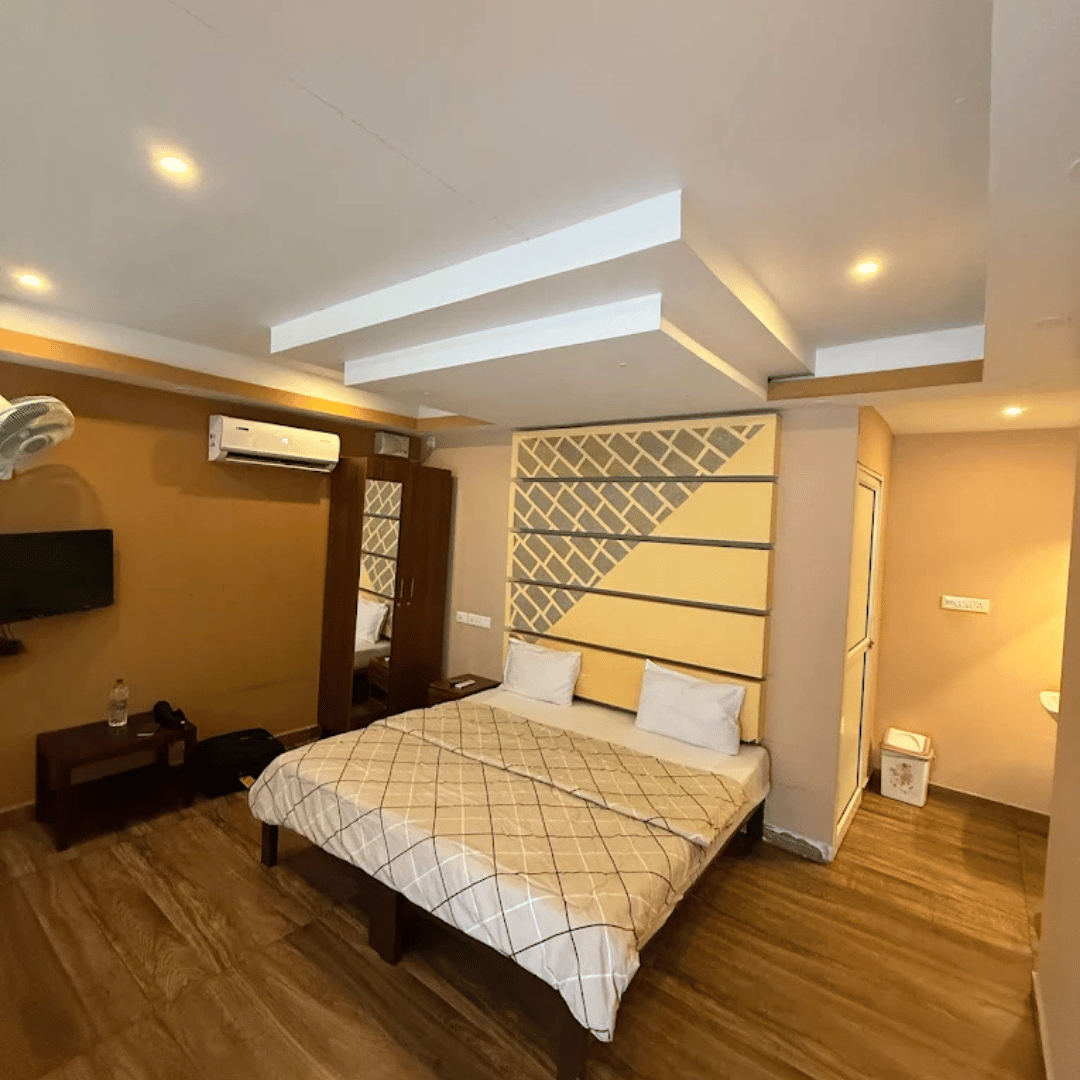
Let me be straight with you. A relaxation retreat homestay Kerala is not a hotel. It’s not a resort with a pool and a gym. It’s someone’s home — my home — where you stay in a room that has character, eat meals prepared with local ingredients, and exist in a space that isn’t designed to sell you anything extra.
The term gets thrown around a lot. But here’s what it actually means on our island. You wake up when you wake up. You walk to the water’s edge. You watch the fishermen untangle their nets. You eat breakfast — maybe puttu and kadala curry, maybe appam with stew — and you don’t check your phone for a few hours.
Some guests disagree with me on this, and that’s fair. They want activities. They want tours and schedules. And we can arrange those — boat rides through the paddy fields, visits to the backwater villages, a cooking class if you’re interested. But the core of what we do is simple. We give you space. We give you quiet. And we feed you well.
I’ve had guests who booked for three nights and barely left the veranda. They read books. They napped. They watched the water change color as the sun moved. One woman told me she hadn’t slept through the night in two years. She slept ten hours straight on her second night here. That’s what a relaxation retreat homestay Kerala looks like in practice.
Why Does the Island Location Matter?
Here’s the thing most people don’t realize until they arrive. The island makes all the difference. When you step off that boat, you leave the town behind. The honking, the crowds, the constant movement — it all disappears. What replaces it is something older. Slower.
Our island has maybe fifty families living on it. A few houses, a small temple, a tiny shop that sells biscuits and soap. There’s one road that runs through the middle, and it’s barely wide enough for a bicycle. Most movement happens by boat or on foot. When you walk, you hear the crunch of dried palm fronds under your feet. You smell woodsmoke from someone’s morning fire.
The isolation is real. And I’m probably biased, but I think it’s the best thing about staying here. You can’t just walk out and hail an auto-rickshaw. You can’t pop to the supermarket. You have to plan a little. But that inconvenience is exactly what makes this place work as a relaxation retreat homestay Kerala.
I remember one guest who arrived stressed out of his mind. He was a software engineer from Bangalore. First day, he kept looking at his watch. Second day, he stopped. By the third day, he was sitting on the jetty at sunset, just watching the water. He told me later that the boat ride itself felt like a reset button. The moment the engine started and the island came into view, his shoulders dropped.
That’s not something a hotel in town can give you. The island does it naturally.
What Home-Style Food Can You Expect Here?
Let’s talk about food. Because honestly, this is where a lot of the relaxation happens. The kitchen at our homestay produces traditional Kerala meals, and we don’t rush anything. Meals are served at a table, on banana leaves when it’s a sadhya, with dishes that change depending on what’s fresh that morning.
Breakfast is usually light but filling. Appam with vegetable stew — the appam has that lacy edge, the stew is coconut milk based with cinnamon and cardamom. Or puttu, which is steamed rice flour and coconut, served with kadala curry, a dark, spicy chickpea gravy. There’s always fresh coconut chutney on the side. Some mornings we do idiyappam — string hoppers — with egg curry.
Lunch is the big meal. If you’re here on a good day, you’ll get a proper Kerala sadhya spread on a banana leaf. Rice in the middle, surrounded by small bowls of sambar, avial (mixed vegetables in coconut yogurt), thoran (stir-fried veggies with grated coconut), pickles, pappadam, and a sweet payasam to finish. The rice is local, the vegetables come from nearby farms, the coconut is freshly grated.
Dinner is simpler. Maybe Karimeen Pollichathu — pearl spot fish marinated in spices, wrapped in banana leaf, and cooked until the flesh is flaky and the flavors have soaked in. Or a mild fish curry with red rice. The kitchen uses coconut oil for almost everything. You won’t find heavy cream or butter here. The flavor comes from mustard seeds, curry leaves, dried red chilies, and fresh turmeric.
I’ve had guests who told me the food was the highlight of their stay. Not the backwaters, not the boat rides. The food. And I get it. There’s something about eating a meal that was prepared a few hours earlier, using ingredients grown within a few kilometers, while you sit and watch the evening light fade over the water. That’s the kind of relaxation retreat homestay Kerala experience you can’t replicate in a restaurant.
Jackson’s Practical Tips for Visitors
Look, I’ve been doing this for years. I’ve seen what works and what doesn’t. Here are some things I tell every guest before they arrive.
- Pack light. You’re on an island. There’s no need for fancy clothes. Cotton shirts, shorts, flip-flops, a light shawl for the evenings. And mosquito repellent. I’m not kidding about the mosquito repellent.
- Bring a book. Or two. There’s no TV in the rooms. Some people love this. Some people panic. If you’re the panicking type, bring something to read. Most guests end up reading more here than they have in years.
- Plan your boat timing. The local ferry runs every hour or so. The last one back from town is usually around 7 PM. If you miss it, you’ll need to call me or arrange a private boat. It’s not hard, but it’s good to know.
- Walk to the temple at dawn. It’s ten minutes from the homestay. The path goes past coconut groves and small houses. The mist sits on the water. The only sounds are birds and the occasional boat engine. Most tourists never do this. They sleep in. Don’t be most tourists.
- Eat at the homestay. I know it’s tempting to go into town and try restaurants. And you should, maybe once. But the best food on the island is at our table. The kitchen makes everything fresh. You won’t find a better Kerala meal in Alappuzha.
One more thing. The monsoon. It rains hard here from June to September. Some people avoid it. But honestly, the rain is part of the experience. The sound of it on the tin roof, the way the backwaters turn gray and dramatic, the fresh cool air. If you’re looking for a relaxation retreat homestay Kerala during the monsoon, you’ll get something different. Quieter, even. Fewer tourists. More peace.
What Is the Best Time to Visit Alappuzha for a Relaxation Retreat Homestay Kerala?
Season matters here. Not in a way that should stop you from coming, but in a way that changes what you get.
Winter, from November to February, is the most popular time. The weather is pleasant. Not too hot, not too wet. The backwaters are calm. The skies are clear. This is when most people book their relaxation retreat homestay Kerala experience. The downside? It’s busy. The houseboats are everywhere. The town feels crowded. Our island stays quiet, but you’ll notice more boats passing by.
Summer, March to May, is hot. Really hot. The humidity can be intense. But the mornings are beautiful, and the evenings bring a breeze off the water. Fewer tourists. Lower prices. If you don’t mind the heat, this is a good time to come. Just drink a lot of water and take it slow.
Monsoon, June to September, is my personal favorite. Look, I grew up here. I love the rain. The backwaters swell. The paddy fields flood. Everything turns green in a way that feels almost electric. The rain pounds down, and you just sit inside with a cup of chai and watch it. It’s not for everyone. If you want to go on boat rides every day, monsoon might frustrate you. But if you want a true relaxation retreat homestay Kerala, the rain forces you to slow down. You can’t go anywhere. So you don’t. And that’s the point.
Frequently Asked Questions About Relaxation Retreat Homestay Kerala
How far is the homestay from Alappuzha town?
We’re a six-minute boat ride from the town jetty. The boat runs regularly. Once you arrive at the island, it’s a short walk to the homestay. The total time from town to your room is about 15 minutes, including the boat ride.
Is it safe to stay on the island?
Yes. Very safe. The island is small. Everyone knows everyone. We’ve had solo female travelers, families with kids, elderly couples. No issues. The biggest danger is falling asleep on the veranda and waking up sunburned.
What should I bring for a relaxation retreat homestay Kerala?
Light clothes, mosquito repellent, sunscreen, a book, and an open mind. Leave your laptop at home if you can. The WiFi works, but it’s not fast. That’s by design. Most people find they don’t miss it after day one.
How much does it cost to stay here?
It varies by season and room. But compared to hotels in Alappuzha, we’re very reasonable. The price includes your room, breakfast, and dinner. Lunch is extra but affordable. Contact me directly for current rates — I’ll give you the real number, not the inflated online price.
Can I bring kids?
Yes. We’ve had families with children. The island is safe for kids to explore. Just keep an eye near the water. And bring things to keep them occupied — there’s no TV or video games here. They’ll play outside, which is kind of the point.
Is there WiFi at the homestay?
We have WiFi, but it’s not high-speed. It works for checking emails and browsing. Streaming video? Probably not. Most guests are fine with this. If you need constant fast internet, this might not be the right place for you. But if you want to disconnect, you’re in the right spot.
Wrapping This Up
I’ve been running Evaan’s Casa for a long time now. I’ve seen guests arrive stressed, tired, burned out. I’ve seen them leave relaxed, smiling, promising to come back. Some do. Some send friends. It’s a good feeling, knowing that this little island, this simple homestay, can do that for people.
Look, I’m not going to tell you that booking a relaxation retreat homestay Kerala will change your life. That’s too much pressure. But I will say this: if you need a break, if you need quiet, if you need to eat good food and sleep without an alarm and watch the water for hours — then this place might be exactly what you’re looking for.
The boat will meet you at the jetty. The kitchen will have fresh coconut chutney ready. The kingfisher will be on its branch. And the island will do what it does best. It will slow you down.
If you want to know more, you can check out Evaan’s Casa and see what we’re about. No pressure. Just information.
Come when you can. Stay as long as you need. The backwaters will be here. And so will I.