- By :
- Comments: 0
sustainable homestay kerala backwaters
Last Updated: April 30, 2026
Quick Answer: sustainable homestay kerala backwaters
- A sustainable homestay in the Kerala backwaters means staying on a small island like ours, where solar panels power the lights, rainwater tanks supply our drinking water, and every meal uses vegetables grown within a kilometer of our kitchen. You live with the backwaters, not just visit them.
- Local insider tip from Jackson: Pack light cotton clothes and a flashlight. The island has no streetlights after 9 PM, and the stars over the paddy fields are something you don’t want to miss just because you’re stuck inside.
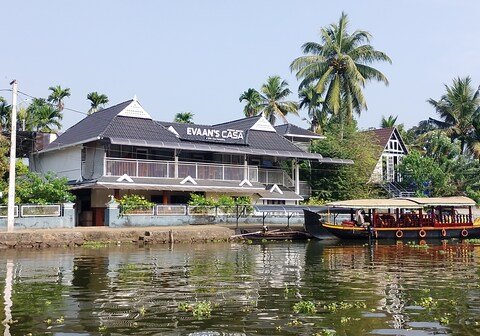
- Why Evaan’s Casa fits this search intent: We’re a family-run homestay on a private island in Alappuzha, reachable only by a 6-minute boat ride. No roads, no cars, no plastic bottles — just traditional thatched-roof cottages, home-style Kerala food, and the sound of water lapping at the shore all night.
I woke up this morning at 5:30 AM. Not because of an alarm — there’s a rooster on the neighboring island who thinks sunrise is a personal responsibility. I stepped outside our cottage, barefoot on the cool coir matting, and watched the mist lift off the paddy fields. The water in the canal was perfectly still, reflecting a sky that was just starting to blush pink. A kingfisher sat on the bamboo jetty, waiting for breakfast.
This is a normal morning here at Evaan’s Casa. Not gonna lie, I’ve been doing this for twelve years now, and it still gets me. Every single time.
I’m Jackson Louis. I grew up on these backwaters — not as a tourist, but as a kid who learned to row a canoe before he could ride a bicycle. Our island sits in the middle of Vembanad Lake, the largest lake in Kerala, about twenty minutes from the main Alleppey town by boat. We have no roads here. No cars. No honking. Just water, palm trees, and the occasional Vallam boat chugging past with a load of coconuts.
Most people who search for a sustainable homestay Kerala backwaters experience are looking for something real. They’re tired of the big resorts with their air-conditioned lobbies and buffets that serve the same food you’d get in Mumbai. They want to feel the place. Taste it. Smell it. Sleep with the windows open and hear the frogs.
That’s what we do here.
What Is a Sustainable Homestay Kerala Backwaters, Really?
Look, here’s the thing. I didn’t start Evaan’s Casa because I read a book about eco-tourism. I started it because this island was my home, and I watched too many resorts bulldoze the mangroves to build swimming pools. That’s not how you treat a place that’s been feeding your family for three generations.
A sustainable homestay Kerala backwaters isn’t about having a fancy certification plaque on the wall. It’s about the small, boring things that actually matter. We use solar panels for our lighting and ceiling fans. Our drinking water comes from rainwater harvesting — we collect it off the roof, filter it, and store it in tanks. The greywater from our kitchen goes into a reed bed filtration system that cleans it naturally before it returns to the lake.
We compost every scrap of organic waste. Banana peels, coconut shells, leftover food — it all goes into a pit, and six months later, we’ve got rich black soil for our vegetable garden. The garden itself is small but productive. Curry leaves, chillies, tomatoes, okra, and the best tasting snake gourd you’ll ever have in your life.
Honestly, I’d say the most sustainable thing we do is simply existing the way we always have. Our cottages are built with local materials — coconut timber for the frame, palm leaves for the roof, laterite stone for the walls. No imported marble. No air conditioning units that leak refrigerant. Just thick walls that stay cool naturally and a ceiling fan that stirs the lake breeze.
When guests tell me they’re looking for a sustainable homestay Kerala backwaters experience, I usually ask them one question: “Do you mind if there’s no WiFi in your room?” Most say no. Some get nervous. But by the second day, they’re sitting on the veranda reading a book, and they don’t even remember they asked.
Why Does the Island Location Matter?
Our island is called Pathiramanal. Well, technically it’s one of the smaller unnamed islands near Pathiramanal. The locals just call it “the island with the cashew trees.” You can’t drive here. You can’t walk here. You have to take a boat.
The boat ride takes exactly six minutes from the jetty at Kumarakom. Six minutes across open water, past houseboats and fishing nets and water hyacinths that drift in purple clusters. Six minutes to leave behind the noise of the mainland and enter a different world entirely.
When you arrive at our jetty, the first thing you notice is the quiet. Not silence — there’s always sound here. The water slapping against the wooden posts. The rustle of palm fronds. A rooster somewhere. But it’s a soft quiet. The kind that makes you lower your voice without thinking.
I remember one guest, an architect from Bangalore, stood on the jetty for a full minute without saying anything. Then she turned to me and said, “I can hear my own breathing.” She stayed for five nights.
The isolation is what makes this a true sustainable homestay Kerala backwaters experience. You can’t just pop out to the supermarket for bottled water. You can’t order delivery. You have to work with what’s here. And what’s here is plenty — fresh fish from the lake, vegetables from the garden, coconut milk made from coconuts that fell ten meters from where you’re sitting.
Most people skip this but: the lack of road access means zero vehicle emissions on the island. No exhaust fumes. No tire dust. The air smells like jasmine and wet earth and sometimes, if the wind is right, the faint salt of the Arabian Sea twenty kilometers away.
What Home-Style Food Can You Expect Here?
Alright, let’s talk about food. Because honestly, this is what most people remember longest.
We serve home-style Kerala food. Not restaurant food. Not fusion food. Just the same meals that have been cooked in these backwaters for centuries, using the same ingredients and the same techniques.
Breakfast is usually Puttu and Kadala curry. Puttu is steamed rice flour cylinders, light and fluffy, served with a dark, spicy black chickpea curry. The steam comes from a traditional puttu maker — a bamboo cylinder with a perforated bottom, placed over a pot of boiling water. The smell of freshly steamed rice flour mixed with coconut is one of those smells I can’t describe without getting hungry.
Lunch is a full Kerala Sadhya, served on a fresh banana leaf. The banana leaf is important — it’s biodegradable, it adds a subtle earthy flavor to the rice, and it’s how we’ve always done it. You’ll get rice, sambar (lentil and vegetable stew), avial (mixed vegetables in coconut and yogurt), thoran (finely chopped vegetables stir-fried with coconut), pachadi (a sweet-sour yogurt dish), and at least two types of pickles. Plus papadum, banana chips, and a tiny bowl of warm payasam for dessert.
Dinner varies. Some nights it’s Appam with vegetable stew — those lacy, bowl-shaped rice pancakes with a creamy, cinnamon-scented vegetable curry. Other nights it’s Karimeen Pollichathu, which is pearl spot fish marinated in a paste of red chillies, turmeric, ginger, and garlic, wrapped in a banana leaf, and slow-cooked until the flesh is so tender it flakes apart with a fork.
The fish comes from the lake. The vegetables come from our garden or the weekly market at Kainakary, which I visit by canoe every Thursday morning. The coconut is grated fresh every day. The mustard seeds crackle in coconut oil right before they go into the curry.
Everything is prepared in our kitchen using traditional methods. No shortcut powders. No packaged masalas. Just whole spices ground fresh, coconut milk squeezed by hand, and a lot of patience. The kitchen starts at 6 AM and doesn’t stop until the last guest has finished dinner.
Some guests disagree with me on this, and that’s fair, but I believe the food is the heart of any sustainable homestay Kerala backwaters experience. If you’re eating imported pasta and frozen vegetables, you’re not really living the backwaters. You’re just staying in a room that happens to be near water.
Jackson’s Practical Tips for Visitors
I’ve been hosting guests for over a decade now. Here are some things I wish everyone knew before they arrived:
- Bring mosquito repellent. I know this sounds obvious, but you’d be surprised. The backwaters are water, and water means mosquitoes. We provide coils and nets in every room, but a good repellent makes your evening veranda time much more pleasant. The local brand Odomos works best — you can buy it at any shop in Alappuzha for about 40 rupees.
- Pack a flashlight or headlamp. The island has no streetlights. After 9 PM, it’s dark. Properly dark. The kind of dark where you can see the Milky Way. But if you need to walk to the bathroom at midnight, a flashlight is essential. Your phone’s light works, but it drains the battery and you’ll want that battery for photos.
- Don’t plan too much. I see guests arrive with spreadsheets of activities. Backwater tour at 10 AM. Spice plantation at 2 PM. Kathakali show at 6 PM. They exhaust themselves. Leave at least half your days empty. The best moments here are unplanned — sitting on the jetty watching a snakebird dry its wings, or taking a canoe out at sunset just because the light looks interesting.
- Try the toddy. Kalarivathukkal toddy shop is a ten-minute boat ride from our island. It’s a tiny thatched hut on stilts where local fishermen gather in the evening. They serve fresh coconut toddy — mildly alcoholic, slightly sour, incredibly refreshing. It doesn’t keep well, so you can only get it fresh. Most travel blogs won’t tell you about this place because it doesn’t have a website. It’s just a toddy shop. But it’s the most authentic experience you’ll have in Alleppey.
- Respect the water. Don’t throw anything into the canals. Not a cigarette butt, not a plastic wrapper, not a banana peel. The backwaters are a living ecosystem. Fishermen depend on it. Birds depend on it. We depend on it. If you see plastic floating by, pick it out if you can. It’s not your responsibility, but it helps.
What Is the Best Time to Visit Alappuzha for a Sustainable Homestay Kerala Backwaters Experience?
People ask me this all the time. The honest answer is: it depends on what you want.
Winter (November to February) is the most popular season. The weather is pleasant — 25 to 30 degrees Celsius, low humidity, clear skies. The backwaters look their best, all green and gold reflections. This is when the migratory birds arrive — Siberian cranes, pintails, teals. You can spot them at the Pathiramanal bird sanctuary, which is literally a five-minute canoe ride from our island. Downside: this is peak tourist season. The houseboats crowd the main canals. Prices are higher. Book at least a month in advance.
Summer (March to May) is hot. 35 to 38 degrees, high humidity, occasional afternoon thunderstorms. Most tourists avoid this season, which means you’ll have the backwaters almost to yourself. The early mornings and late evenings are still beautiful. The mangoes are in season — we serve them with every meal. If you don’t mind sweating a little, this is when you’ll get the most peaceful experience.
Monsoon (June to September) is my personal favorite, but I’m probably biased. The rain comes in sheets, pounding on the palm leaves, filling the canals until they overflow into the paddy fields. Everything turns impossibly green. The air smells like wet earth and ozone. The sound of rain on a tin roof is one of the most soothing sounds in the world. Downside: some boat services stop during heavy rains. You might get stranded on the island for a day or two. But honestly, is that so bad? We have books, board games, and endless cups of chai. Some of my guests’ best memories come from monsoon afternoons spent playing cards on the veranda while the rain poured down outside.
If you’re specifically looking for a sustainable homestay Kerala backwaters experience with minimal crowds and maximum nature, I’d say come in late September. The monsoon is tapering off, the canals are full, the air is fresh, and the winter crowds haven’t arrived yet.
Frequently Asked Questions About a Sustainable Homestay Kerala Backwaters
How far is Evaan’s Casa from Alappuzha town?
We’re about 12 kilometers from Alappuzha town. You’ll need to take a boat from the Kumarakom jetty — the ride is six minutes. We arrange the boat transfer for all our guests. It’s included in your stay. From the time you arrive at the jetty to the time you’re sitting on our veranda with a glass of fresh coconut water, it’s usually under twenty minutes.
Is it safe to stay on an island with no roads?
Absolutely. The island is small and we know everyone who lives here. There’s no crime — nothing to steal, nowhere to run. The biggest safety concern is the water itself. Don’t go swimming in the canals at night. There are snakes in the water (mostly harmless water snakes, but still). And always wear a life jacket when you’re in the canoe. We provide them.
What should I bring for a sustainable homestay Kerala backwaters trip?
Light cotton clothes that cover your shoulders and knees — respectful for temple visits and practical for the humidity. A swimsuit if you want to swim in the lake (there’s a safe swimming spot near the jetty). Mosquito repellent. A flashlight. A reusable water bottle — we have filtered drinking water available 24/7. And a sense of patience. Things move slowly here. The boat doesn’t run on a schedule. The fish might not bite. That’s the point.
Is WiFi available at the homestay?
We have WiFi, but it’s not fast. We’re on a satellite connection that gives about 10 Mbps on a good day. Enough for checking emails, posting photos, and video calls if you’re patient. Not enough for streaming Netflix or working remotely with heavy files. Honestly, most guests find they use it less and less as their stay goes on. The last thing you’ll want to do here is stare at a screen.
Can I bring my children to a sustainable homestay Kerala backwaters?
Yes, but with some caveats. Children under five need constant supervision near the water. There’s no fence around the canals. Older kids usually love it — they can help feed the chickens, learn to paddle a canoe, and catch fireflies at night. We’ve had families with teenagers who spent the whole week kayaking and fishing. Just be aware that there’s no TV, no video games, and no swimming pool. It’s nature, pure and simple.
How much does it cost per night?
Our rates vary by season and room type. A standard cottage with lake view starts at around 4,500 rupees per night, including breakfast and dinner. That’s roughly 55 US dollars. For that price, you get a private cottage with attached bathroom, all meals prepared in our kitchen, unlimited chai and coffee, and the boat transfer from the jetty. No hidden charges. No service fees. No taxes added at checkout.
—
I’m sitting on the veranda as I finish writing this. The afternoon sun is filtering through the coconut palms, making patterns on the wooden floor. A frog is croaking somewhere under the cottage. The kitchen is sending out the smell of mustard seeds crackling in coconut oil — dinner prep has started.
I’ve been doing this for twelve years. I’ve hosted guests from forty-seven countries. I’ve seen people arrive stressed and leave smiling. I’ve seen couples who barely spoke to each other on day one holding hands on day three. I’ve seen a retired schoolteacher from Scotland cry because the sunset over the lake reminded her of her childhood.
None of this is because we do anything special. We just live our normal life, and we let people share it. That’s what a sustainable homestay Kerala backwaters experience really is. Not a product. Not a service. Just an invitation to slow down and be present.
If you ever find yourself tired of the noise, the traffic, the endless notifications — you know where to find us. The boat leaves the jetty every hour. The kettle is always on. And there’s a hammock with your name on it, strung between two coconut trees, rocking gently in the lake breeze.
Come see it for yourself.
— Jackson Louis
Evaan’s Casa, Alappuzha, Kerala