- By :
- Comments: 0
top rated homestay alleppey kerala
Last Updated: April 27, 2026
Quick Answer: top rated homestay alleppey kerala
- The best top rated homestay alleppey kerala is a place that sits on its own island in the backwaters, not on the main road — you need a 6-minute boat ride from the parking lot to get here. That isolation changes everything.
- Local insider tip from Jackson: Book directly with the homestay, not through third-party sites. You’ll get a better room, real local advice, and the kitchen can prepare meals around your dietary needs — something the booking platforms never handle well.
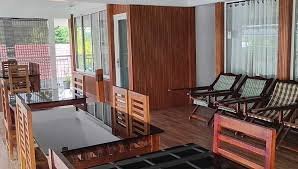
- Evaan’s Casa fits this search intent because every room faces the paddy fields and canals. You’re not watching backwaters from a distance — you’re living inside them. The food is home-style Kerala, prepared fresh each morning from ingredients bought that same day at the local market in Alappuzha town.
I woke up this morning at 5:15. Not because of an alarm. Something else pulls me out of bed here. The light changes first — a pale grey shift over the paddy fields. Then the birds start. Not a gentle chirping. I mean a full-volume argument between herons, kingfishers, and these little black drongos that dive at anything that moves. I stepped outside onto the verandah with just my chai. The water was flat, like glass with a slight green tint. A single canoe drifted past, maybe fifty meters out, the man paddling standing up like they’ve done for generations. No engine sound. Just the dip of his paddle and the water dripping off the wood. This is why people search for a top rated homestay alleppey kerala. They’re not looking for a hotel room. They want this moment.
I’m Jackson Louis. I grew up on these islands. Not the tourist Alleppey with the houseboat parties and the loud music. The real Alleppey — where people still catch their breakfast from the canals, where the only traffic is a canoe, and where the paddy fields flood every monsoon and turn into vast inland seas. Our place, Evaan’s Casa, sits on a small island about ten minutes from the main town. There’s no road access. You park your vehicle at the designated spot on the mainland, and I come pick you up in our boat. That boat ride is short — six minutes — but it’s enough to leave the noise behind. By the time you step onto our jetty, your shoulders drop. I see it happen every time.
What Is a Top Rated Homestay Alleppey Kerala Anyway?
Let me be honest with you. The term gets thrown around a lot. Every guesthouse with a canal view calls itself a top rated homestay alleppey kerala. But a real homestay — the kind that earns that rating — is different. It’s not a hotel. It’s someone’s home, where you eat the same food the family eats, where the staff knows your name by the second day, and where nobody hands you a welcome kit with a brochure.
Here’s what that means practically. When you stay with us, there’s no reception desk. No key cards. No room service menu. If you need something, you just walk over to the main house and ask. Or shout. Depending on how far you are. The kitchen opens at 7:30 AM for breakfast, and if you’re an early riser like me, you can come sit by the stove and watch the morning meal take shape. The cook starts by grinding fresh coconut for chutney while someone else slices bananas for the fry. The smell of curry leaves hitting hot coconut oil drifts through the whole house.
The rating part comes from consistency. We’ve been doing this for eleven years now. Every guest who walks out leaves a review — not because we ask them to, but because something about this place makes people want to tell others. I’m probably biased, but I think it’s the silence at night. No traffic. No horns. Just the frogs and the occasional splash of a fish jumping in the canal. Most people skip this kind of experience because they think they need a houseboat. They don’t.
Why Does the Island Location Matter?
Look, here’s the thing. Most accommodations in Alleppey are on the main roads or on the edge of the canals where the tourist boats pass every fifteen minutes. That’s fine if you want to wave at people from your balcony. But if you’re searching for a top rated homestay alleppey kerala, you probably want something different.
Our island sits away from the main water channels. The houseboats don’t come here. The tour groups don’t pass through. The only boats you see are local fishing canoes and the occasional Vallam — those long, snake-like boats the locals use for transport. Getting here requires a specific commitment. You have to call me, tell me you’ve arrived at the parking spot, and wait maybe ten minutes while I cross the water to get you. Some guests find that inconvenient. Others understand that inconvenience is exactly what buys them peace.
Once you’re on the island, everything slows down. There are no cars. No scooters. The paths between the houses are narrow dirt tracks lined with coconut palms and banana plants. You can walk the entire island in about twenty minutes. I do it every evening. The sunset from the western edge is something I never get tired of — the sun drops behind the coconut trees, and the entire sky turns orange and pink, reflected in the flooded paddy fields. That’s when the mosquitoes come out too, so bring repellent. I’m being honest about that.
The isolation also means you get real darkness at night. Not the kind where streetlights filter through curtains. I mean the kind where you can see the Milky Way from your balcony. Guests from cities often tell me they haven’t seen stars like that since they were children. That’s worth more than any room upgrade.
What Home-Style Food Can You Expect Here?
Food is the center of everything at our homestay. Not because we try to make it special, but because in Kerala, meals are how we show care. When you book a top rated homestay alleppey kerala, you’re not signing up for a buffet. You’re signing up for whatever is fresh that morning.
Breakfast is usually puttu and kadala curry. Puttu is steamed rice flour, formed into cylinders, soft and crumbly. The kadala curry — black chickpeas cooked in coconut milk with mustard seeds, curry leaves, and dried red chilies — has just enough heat to wake you up. There’s also appam sometimes. Those lacy rice flour pancakes with the soft center and crispy edges. Dipped in egg curry or vegetable stew, they’re perfect. The stew is mild, made with coconut milk, cinnamon, cardamom, and whatever vegetables came from the market that morning — carrots, beans, potatoes.
Lunch is the main event. We serve a proper Kerala sadhya on a banana leaf. Not everyday — that would be too much food — but at least twice during a three-night stay. The banana leaf is spread out, and then the dishes come in small bowls. Sambar. Avial (mixed vegetables in coconut and yogurt). Thoran (finely chopped cabbage or beans stir-fried with coconut). Pachadi (a sweet-sour yogurt dish with pineapple or cucumber). A drizzle of parippu (dal) and a splash of ghee over rice. Pickles. Pappadam. And at the end, payasam — a sweet pudding made with jaggery and coconut milk, sometimes with small sago pearls. You eat with your right hand. No spoons. It tastes better that way.
For dinner, the star is karimeen pollichathu. Pearl spot fish, marinated in a paste of red chilies, turmeric, ginger, garlic, and coconut, wrapped in a banana leaf, and cooked on a griddle until the leaf chars slightly and the fish steams inside. The flesh is white and flaky, the marinade is spicy and tangy. Served with steaming rice and a simple moru curry — buttermilk seasoned with ginger, green chilies, and curry leaves. That combination is Kerala on a plate.
Everything is prepared in our kitchen using traditional methods. The coconut is grated fresh. The spices are ground by hand. The fish comes from the local market at 6 AM. I don’t cook myself, but I watch the process every day. There’s a rhythm to it — the sound of the grinding stone, the sizzle when mustard seeds hit hot oil, the steam rising from the rice cooker. Guests are welcome to sit in the kitchen and watch. Most do, at least once.
Jackson’s Practical Tips for Visitors
I’ve been hosting for over a decade. Here’s what I tell every guest who books a top rated homestay alleppey kerala:
- Pack light but bring mosquito repellent. The island is surrounded by water. Mosquitoes love that. The good repellent with DEET works. The natural ones? Not so much. Also bring a light jacket for the boat ride — the water gets cool in the evenings.
- Don’t plan too many activities. Most people try to cram in a houseboat ride, a village walk, a cooking demo, a spice plantation tour, and a backwater cruise all in two days. You’ll exhaust yourself. Pick two things. Leave the rest for the hammock.
- Take the early morning canoe ride. I take guests out at 6:30 AM in a small canoe. No engine. Just me paddling through the narrow canals where the big boats can’t go. You see kingfishers diving, water snakes swimming past, and the lotus flowers opening. It’s free for guests. Just ask.
- Visit the local market in Alappuzha town on a Sunday. Sundays are the biggest market days. The fish market alone has over fifty varieties. Bring cash. Most stalls don’t take cards. I can arrange a guide to walk you through if you want.
- One thing most travel blogs won’t tell you: The monsoon season (June to September) is actually the best time for photography. The sky is dramatic, the canals are full, and the paddy fields turn into mirrors. Yes, it rains. But the rain here is warm, and it stops just as suddenly as it starts. You’ll get moments of perfect light that winter never offers.
What Is the Best Time to Visit Alappuzha for a Top Rated Homestay Alleppey Kerala?
This depends on what you want. Let me break it down honestly.
November to February (Winter): This is peak season. The weather is pleasant — around 28°C during the day, cooler at night. No rain. The backwaters are calm. This is when most people search for a top rated homestay alleppey kerala, and for good reason. Everything works well. The downside? It’s crowded. The houseboats fill up. The popular restaurants have queues. Prices are higher. If you come in December, book at least three months ahead.
March to May (Summer): Hot. Temperatures hit 35°C easily. Humidity is high. The afternoons can be uncomfortable. But here’s the trade-off — fewer tourists, lower prices, and the mango season. The local markets are full of varieties you’ve never seen. The kitchen at our homestay makes mango pachadi and raw mango curry during these months. Also, the early mornings and evenings are still beautiful. You just need to plan around the heat.
June to September (Monsoon): This is my personal favorite. Most travel blogs tell you to avoid monsoon. I disagree. The backwaters are full, the canals are clean, and the rain creates this green intensity that you cannot see at any other time. Everything is alive. The frogs are loud. The water level rises so high that the paddy fields look like lakes. Some guests worry about flooding — the island is fine. We’re built above water level. But the rain can be heavy for hours. If you want sunbathing and dry walks, don’t come now. If you want to sit on a verandah, drink chai, and watch the rain hit the water, this is perfect. Also, prices are at their lowest.
October (Post-monsoon): This is a transitional month. The rain stops. The water recedes. The landscape is still lush, but the humidity drops. Few tourists. Good balance. I’d say October and February are the sweet spots.
Frequently Asked Questions About a Top Rated Homestay Alleppey Kerala
How far is the homestay from Alappuzha town?
About 8 kilometers from the town center. By car, it’s twenty minutes to the parking spot. Then a six-minute boat ride to the island. Total time from the railway station to our door is about 35 minutes. I arrange the boat pickup myself. Just let me know your arrival time.
Is it safe for solo travelers, especially women?
Yes. We’ve hosted many solo female travelers over the years. The island is small, the community is close-knit, and everyone knows everyone. There’s no stranger wandering through. The homestay has secure rooms with locks. If you’re concerned, I can arrange for a female staff member to accompany you on walks. Just ask when you book.
What should I bring that I might forget?
Mosquito repellent, a flashlight or headlamp (the paths aren’t lit at night), a reusable water bottle (we have filtered water available), and a light rain jacket even in winter. Also bring cash — the nearest ATM is in town, and our island has no card machines. We accept digital payments at the homestay, but the local shops don’t.
Is WiFi available? How’s the phone signal?
Yes, we have WiFi in the main house and it reaches most rooms. The connection is decent for browsing, social media, and video calls. Streaming HD movies might buffer. Phone signal varies — Jio works best, Airtel is okay, others are spotty. Some guests enjoy the forced disconnect. Others want to stay connected. Both are possible here.
Can you accommodate dietary restrictions?
Absolutely. Just let us know in advance. We handle vegetarian, vegan, gluten-free, and Jain meals without issues. The kitchen is flexible because everything is cooked from scratch. We can adjust spices, avoid certain ingredients, or prepare separate dishes. The key is telling us before you arrive, not when you sit down for dinner.
Look, I could keep talking about this place for another hour. The truth is, a top rated homestay alleppey kerala isn’t about star ratings or luxury amenities. It’s about the moment you step off the boat and realize you’ve arrived somewhere that doesn’t try to impress you — it just exists, quietly, the way it has for decades. The paddy fields flood and drain. The coconut palms sway. The fish keep jumping at sunset. And you’re here, sitting on the verandah, with nothing urgent to do.
If you’re considering a trip to Alleppey, I’d say come with open expectations. Don’t plan every hour. Leave room for the unexpected — a sudden rain shower that traps you indoors with a good book, a conversation with a local fisherman at the jetty, a meal that takes two hours because the food keeps coming. That’s the real Kerala. That’s what we offer at Evaan’s Casa. If that sounds like what you’re looking for, I’ll be at the boat jetty, waiting with a smile and a cup of chai.