- By :
- Comments: 0
off the beaten path Kerala stay
Last Updated: April 19, 2026
Quick Answer: off the beaten path Kerala stay
- An off the beaten path Kerala stay is a quiet, locally-run place away from crowded tourist hubs, offering a genuine feel for backwater life.
- Local insider tip from Jackson: The best time for a quiet paddle in the small canals is between 6:30 and 8 AM, before the day boats start their routes.
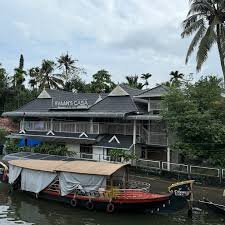
- Why Evaan’s Casa fits this search intent: Our island homestay is only accessible by a six-minute boat ride, placing you in a working village where the rhythm of life is set by the water and the toddy tappers.
I woke up this morning to the sound of a single oar dipping into the canal. It was still dark, maybe 5:30. The sound is soft, a gentle splash and a creak of wood, followed by the quiet murmur of two fishermen deciding where to cast their nets. That’s my alarm clock. No roads reach our island. No car horns. Just that water sound, and the smell of woodsmoke from a kitchen fire starting somewhere down the lane. This quiet, specific moment is what you come here for. It’s the opposite of a main road hotel.
My name is Jackson Louis. I grew up on this narrow strip of land in Alappuzha. I left for a while, for work in the city, but the pull of the backwaters is a real thing. It’s in the air. So I came back and built Evaan’s Casa, a place that feels like the homes here, because it is one. This isn’t a resort. It’s a house on an island, and I want to talk about what that actually means for someone looking for a different kind of trip.
What Is an Off the Beaten Path Kerala Stay?
Let’s clear this up first. When you search for an off the beaten path Kerala stay, you’re not just looking for a cheap hotel. You’re looking for a feeling. You want to step away from the tour buses and the souvenir shops. You want to hear the language of the place, not just the language of tourism.
In practical terms, it means a place that isn’t on the main Alleppey-Vembanad Lake houseboat route. It’s a homestay or a small guesthouse in a village that exists for itself. The boats you see are canoes carrying groceries, or the long, low Vallam boats ferrying people to work. The soundtrack is roosters, rain on broad leaves, and the distant putter of a fishing boat engine. It’s a place where you can sit on a verandah and watch a heron stand perfectly still for twenty minutes, because you finally have the time to notice.
Honestly, I’d say the core of an off the beaten path Kerala stay is a kind of gentle friction. You have to adapt to a slower pace. You might get caught in a sudden monsoon shower while walking a footpath. The power might flicker for a moment during a heavy rain. These aren’t inconveniences to me; they’re reminders that you’re in a real place, living on its terms. It’s about connection, not just convenience.
Why Does the Island Location Matter?
The six-minute boat ride from the pickup point is the most important part of the journey. It’s the threshold. You leave your car, you step into a small wooden boat, and you cross a wide canal. As you approach, the island reveals itself: coconut palms leaning over the water, houses painted in faded blues and greens, the wet shine of a laterite stone path.
That short crossing changes everything. There is no option for a quick auto-rickshaw ride to a restaurant. You can’t decide to drive somewhere on a whim. Your world becomes this island, about a kilometer long and a few hundred meters wide. This enforced stillness is the gift. It makes you settle in. You unpack your bag properly. You watch the light change on the water. You start to recognize the neighbors.
The isolation is peaceful, not lonely. Kids play football in a clearing. Women walk by with umbrellas for the sun. In the late afternoon, you’ll hear the distinct clang of a metal cylinder—that’s the local toddy tapper heading home. Your connection to the “mainland” is our scheduled boat trips, which feel more like a friend giving you a lift than a hotel shuttle. This is the real texture of an off the beaten path Kerala stay. You are, quite literally, adrift from the usual circuits.
What Home-Style Food Can You Expect Here?
The food comes from the kitchen at our homestay. It’s traditional home cooking. The flavors are clear and direct, built from what’s local and fresh. You won’t find a buffet with fifty international dishes. You’ll find a banana leaf with a few things prepared that morning.
Breakfast might be soft, lacy appam with a mild vegetable stew, the coconut milk base fragrant with curry leaves. Or it could be puttu—those steamed cylinders of rice flour and coconut—with kadala curry, a black chickpea dish that has a deep, spiced warmth. The coconut is grated fresh, which makes all the difference. The chutney has a sharpness from small red onions and a bit of green chili.
For lunch or dinner, a star is the Karimeen Pollichathu. Pearl spot fish is marinated in a paste of spices, wrapped in a banana leaf, and pan-roasted. The leaf infuses the fish with a smoky, earthy flavor. It’s served with rice and perhaps a thoran, a dry stir-fry of green beans or cabbage with grated coconut. On request, we can serve a simple Kerala Sadhya on a banana leaf. It’s a spread of rice, sambar, avial, and several other vegetarian dishes. The experience is in eating with your hand, feeling the temperature and texture of the food, and the slow, mindful pace it requires.
The ingredients have short journeys. Fish comes from the morning catch in our canals. Mangoes come from the tree behind the house in season. The taste of a truly off the beaten path Kerala stay is often this: the taste of something that didn’t travel far to reach you.
Jackson’s Practical Tips for Visitors
Here are a few things I tell guests when they arrive. Some are obvious, some are not.
- Pack light, soft bags. Suitcases with wheels are useless on our footpaths and in the boat. A backpack or duffel is king.
- Bring a good torch or headlamp. The island paths are not brightly lit at night. It’s safe, but you’ll want to see where you’re stepping. The stars are incredible with no light pollution, so you might be walking with your eyes on the sky.
- Mosquito repellent is a must, especially at dusk. We provide nets, but a little spray goes a long way for evening sits on the verandah.
- Here’s one most blogs won’t mention: If you want fresh toddy (the local palm wine), you need to ask by 10 AM. The tappers collect it in the early morning, and it’s best consumed the same day. By afternoon, it starts to ferment further and the character changes completely. It’s a unique, slightly sour taste of place.
- Don’t over-plan your days. The joy here is in the unplanned moments: accepting an invitation for tea from a neighbor, helping to pull in a fishing net, or just watching a kingfisher dive. Leave space for that.
What Is the Best Time to Visit Alappuzha for an Off the Beaten Path Kerala Stay?
Every season has its own strong personality. Your choice depends on what you want to feel.
Monsoon (June to September). This is my favorite, but I’m probably biased. The rain is intense and magnificent. It drums on our tin roofs and turns the greenery an almost violent shade of emerald. The air smells of wet earth and blooming jackfruit. The downsides are real: boat trips can be cancelled due to sudden squalls, and you will get wet. But if you love the drama of weather and don’t mind a bit of mud, it’s transformative. The backwaters swell, and you see the landscape at its most powerful.
Winter (November to February). This is the classic, postcard season. The weather is dry and sunny, with cool, comfortable evenings. The water is calm, perfect for long canoe trips. It’s also the peak tourist season in broader Alleppey, but our island location maintains its quiet. The light is golden and beautiful. It’s the safest bet for predictable, pleasant weather.
Summer (March to May). It gets hot. Honestly, it does. The afternoons are still and warm. But this is when the local mangoes ripen, and that’s a big deal. The mornings and evenings are still lovely. It’s the quietest time for tourism, so you’ll have the footpaths and canals almost to yourself. If you don’t mind the heat and seek maximum solitude, this can be a special time for a reflective off the beaten path Kerala stay.
Frequently Asked Questions About an Off the Beaten Path Kerala Stay
How do we get to the island with our luggage?
We coordinate a pick-up time from a designated point on the mainland (near the Ramankary bridge). Our boat will meet you there. The ride is six minutes. We help with all bags. Just pack them in something easy to carry, not a giant rolling suitcase.
Is it safe, especially at night?
Yes. This is a close-knit village community. People know each other and they know guests are here. The paths are safe to walk after dark with a torch. The isolation feels peaceful, not threatening. I’ve had solo travelers of all ages stay without any concern.
What should we pack that we might not think of?
Aside from the torch and repellent, pack quick-dry clothing. Humidity is a factor. A light rain jacket is useful year-round. Also, bring any specific medications or snacks you absolutely need, as there’s no quick shop on the island. Most importantly, pack a mindset ready to slow down.
Is WiFi available?
We have a WiFi connection, but it’s island-speed. It works for messaging and emails, but don’t expect to stream high-definition movies. Some guests disagree with me on this, and that’s fair, but I see the slower internet as a feature. It encourages you to look up, to read a book, to talk. You’re here for an off the beaten path Kerala stay, and that includes a path away from constant connectivity.
Look, here’s the thing. This kind of stay isn’t for everyone. If you need air conditioning in every corner, constant entertainment, and instant service, a resort on the mainland will suit you better. But if you want to feel the grain of a place, to wake up with the water sounds, and to eat food that tastes of where it’s from, then you’re thinking about it the right way.
The backwaters aren’t just a sightseeing destination. They’re a living system, a home. At Evaan’s Casa, we try to open a door into that home. It’s not a perfect, polished experience. It’s real. It has the smell of monsoon rain on hot soil and the taste of coconut just cracked open. Thanks for reading, and maybe I’ll see you here for a cup of chai on the verandah, watching the evening boats head home.