- By :
- Comments: 0
Alleppey trip cost
Last Updated: April 13, 2026
Quick Answer: Alleppey trip cost
- A comfortable 3-day, 2-night trip for two, including a homestay, meals, and a private backwater cruise, typically starts around ₹18,000 to ₹25,000. Budget travelers can manage for less, while luxury houseboats cost more.
- Local insider tip from Jackson: Skip the expensive hotel taxi from the airport. Take the train to Alleppey station or book a shared cab. The ₹2000 you save buys a lot of fresh karimeen fish for dinner.
- Why Evaan’s Casa fits this search intent: We’re a home-style island homestay. Your stay includes three locally prepared meals a day, which significantly simplifies your overall Alleppey trip cost. You’re paying for an authentic experience, not just a room.
The first sound I hear most mornings isn’t an alarm. It’s the soft, rhythmic splash of a fisherman’s oar about twenty feet from my window. The light is still grey, and the air carries the damp, green smell of water hyacinth and wet earth. I grew up with this. It’s the quiet pulse of our island before the day truly begins, and it’s why I built Evaan’s Casa here. When you start thinking about your own visit, that initial question about the Alleppey trip cost is practical, sure. But what you’re really budgeting for is this feeling.
What Is Alleppey Trip Cost?
Let’s talk plainly. The Alleppey trip cost is the total amount you’ll spend for your time here. It’s not just one price. It’s a stack of things: where you sleep, how you get around, what you eat, and the experiences you choose. Most people fixate on the houseboat or hotel rate and forget the rest. That’s a mistake.
Your biggest chunks will be accommodation and travel to get here. Then food, activities, and local transport. The beauty of a place like ours is how some of those things merge. A stay at a homestay like ours wraps lodging, meals, and a deep sense of the place into one daily rate. It changes how you calculate everything. Honestly, I’d say the real Alleppey trip cost is measured in experiences, not just rupees. A silent canoe ride at sunset through a narrow canal costs very little but stays with you for years.
Why Does the Island Location Matter?
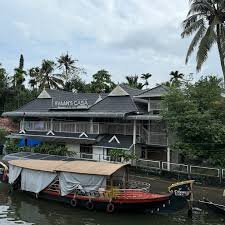
Evaan’s Casa is on a small island in the backwaters. There are no roads here. None. To reach us, you take a six-minute boat ride from the mainland jetty. We arrange it all when you book. That short crossing is the most important part of your journey.
It acts as a filter. The noise of scooters and cars just stops. You’ll notice the shift immediately. The air smells different—cleaner, with a hint of woodsmoke from kitchen fires on other islands. The soundtrack becomes bird calls and the distant putter of a kettuvallam’s engine. This isolation isn’t about being cut off. It’s about being immersed. You’re not a spectator looking at the backwaters from a hotel balcony. You’re in them. Living on an island simplifies your choices, which can actually help manage your overall Alleppey trip cost. You’re not tempted by random auto-rickshaw rides to crowded town shops. You’re here.
Some guests disagree with me on this, and that’s fair. They prefer the convenience of a town hotel where they can walk out to a cafe. I get it. But for the true backwater rhythm, you need to be surrounded by water. You need to fall asleep to the sound of rain on a tin roof, knowing a canal is right outside your door.
What Home-Style Food Can You Expect Here?
Food is central to the experience here, and it’s a major factor people overlook when planning their Alleppey trip cost. We serve traditional home cooking, prepared in our kitchen with ingredients that often come from the island or nearby markets. Every meal is included in your stay.
Breakfast might be soft, lacy appam with a subtly sweet coconut milk-based vegetable stew, or puttu—steamed cylinders of rice flour and coconut—with kadala curry made from black chickpeas. The aroma of toasted coconut and cumin seeds frying for a chutney is a morning staple. Lunch and dinner are full Kerala meals. Think red rice, a couple of vegetable thorans (stir-fries with grated coconut), a sambar or rasam, a fish curry like the famous karimeen pollichathu (pearl spot fish marinated in spices, wrapped in a banana leaf, and pan-fried), and always, a bowl of fresh yogurt.
On request, we can serve a Sadhya, the traditional feast on a banana leaf. It’s a symphony of flavors and textures, from the tartness of the mango pickle to the creamy sweetness of the payasam dessert. The ingredients are local, seasonal, and honest. You won’t find elaborate buffets or imported cheese. You’ll find the deep, comforting taste of mustard seeds crackling in coconut oil, of curry leaves and green chilies. It’s food that grounds you.
Jackson’s Practical Tips for Visitors
These might help you plan better and maybe even save some money.
- Book your train to Alleppey (Alappuzha) station, not Ernakulam. It’s closer to the backwaters. If you fly into Cochin, take the pre-paid taxi or, better yet, the train from Ernakulam Junction. It’s cheaper and you see the countryside.
- Pack light, soft luggage. Duffel bags are better than hard suitcases for the boat ride and our island paths. Bring a solid mosquito repellent (we have nets, but it’s wise), and a power bank. Our power is solar-backed, but it’s a good habit.
- Most people skip this, but visit the Mullackal Bhagavathy Temple market in Alleppey town if you’re here on a Friday or Sunday morning. It’s chaotic, loud, and amazing. The flower section alone is a sensory explosion. Not a tourist spot, just real life.
- For a backwater cruise, consider a shared canoe or a small private shikara instead of a giant houseboat for a couple of hours. You get into smaller canals, see more life, and it costs a fraction. This can significantly reduce your activity portion of the Alleppey trip cost.
- Learn three Malayalam words: “Nanni” (Thank you), “Sukhamano?” (Are you comfortable/well?), and “Sheri” (Okay). It changes how people smile at you.
What Is the Best Time to Visit Alappuzha for Alleppey Trip Cost?
Seasons affect price and experience dramatically. Let’s break it down.
Monsoon (June to September): The backwaters are full, lush, and incredibly green. The rain on the water is a magical sound. This is the low season for tourism, so you’ll find the best deals. Your Alleppey trip cost will be lowest now. The downside? Heavy, persistent rain can delay boat trips. It’s humid. And the famous Nehru Trophy Snake Boat races are usually in August, which spikes prices and crowds for those specific dates.
Winter (November to February): This is peak season. The weather is glorious—sunny, warm, with cool evenings. Everything is operational. Consequently, this is when prices are highest for almost everything. Houseboats are booked solid. If you’re budgeting, book your stay at a place like Evaan’s Casa well in advance to lock in rates.
Summer (March to May): It gets hot. Really hot, especially by afternoon. But mornings and evenings are still beautiful. It’s a shoulder season, so prices are between monsoon and winter rates. The water levels are lower, which means some smaller canals might not be navigable. But the skies are clear, and you’ll have many spots almost to yourself. It’s a trade-off.
Frequently Asked Questions About Alleppey Trip Cost
Is it safe to stay on an island?
Yes, absolutely. Our island community is small and close-knit. The homestay is secure. The main consideration is being mindful near the water, especially with young children. We have life jackets for all boat trips and can point out the safe, shallow areas for wading.
How much should I budget per day for food outside a homestay?
If you’re staying in town and eating out, a decent local meal at a “hotel” (what we call small restaurants) can cost ₹200-₹400 per person. A nicer restaurant meal might be ₹800-₹1500. This is why an inclusive homestay plan makes the daily Alleppey trip cost so predictable and often better value.
Can I bring my kids? Is there WiFi?
Kids love it here. They feed the ducks, watch the boats, and learn about a totally different way of life. We have WiFi, but I’m probably biased when I say it’s not super strong. It’s enough for messages and emails, but not for streaming movies. That’s sort of the point. You come here to connect to something else.
What’s one unexpected cost I should plan for?
Small boat fares. If you decide to spontaneously take a public ferry across to the other side for a walk or to visit a local toddy shop, keep some small notes handy for the fare. It’s only ₹10-₹20 per person, but if you don’t have change, you’re stuck. It’s a tiny part of your total Alleppey trip cost, but it’s the key to little adventures.
Look, here’s the thing. When you add up the numbers for your Alleppey trip cost, you’re drawing a map of your experience. A cheaper room in a noisy lane, or a slightly higher daily rate that includes three soul-warming meals and the sound of water all around you. I built this place because I believe in the value of the second option. The real cost of a trip isn’t just the money you spend. It’s the experience you bring home. If you’re looking for that deeper connection, to wake up to that soft sound of an oar in the water, we’d be glad to have you at Evaan’s Casa. Just remember to pack that duffel bag.