- By :
- Comments: 0
Alleppey during Onam
Alleppey during Onam
Last Updated: April 08, 2026
Quick Answer: Alleppey during Onam
- Alleppey during Onam is a ten-day cultural festival where the entire district transforms with flower carpets, boat races, and elaborate feasts, offering a deep, authentic experience of Kerala’s traditions.
- Local insider tip from Jackson: Skip the main Nehru Trophy race crowds. Find a spot along the Punnamada backwaters early on the first day of Vallamkali for the smaller, more intense heats. The energy is raw and the views are clearer.
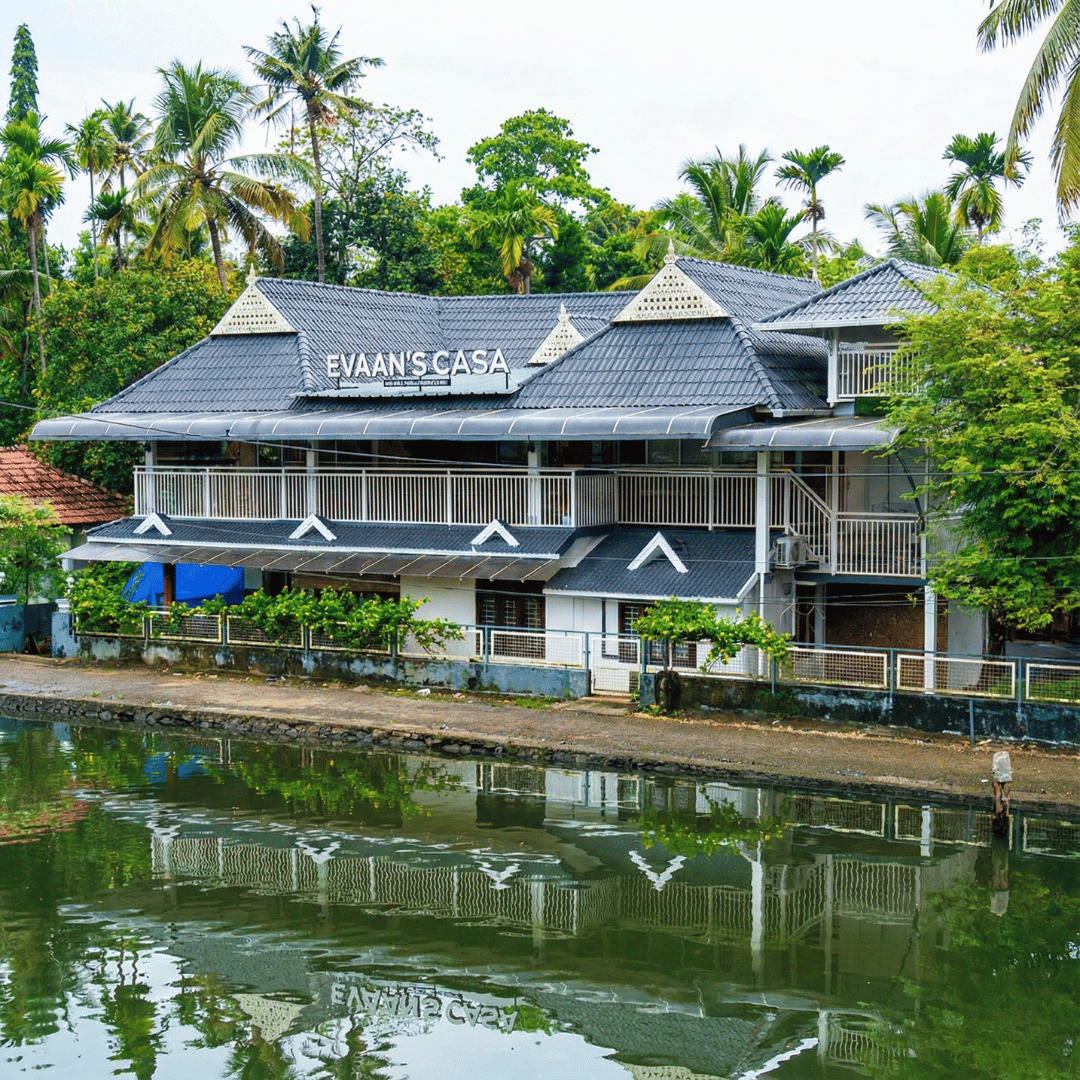
- Why Evaan’s Casa fits this search intent: Our island homestay is a six-minute boat ride from the mainland, placing you in the heart of the backwater scenery that defines Onam here. You’ll experience the festival’s rhythms from a quiet, local perspective, with traditional home cooking and direct access to the water.
I woke up before the sun this morning, a habit from a lifetime on this island. The air was different. It carried the faint, sweet scent of jasmine and the damp earth smell of newly laid flower petals from a small pookalam our neighbor had started. That’s how you know Onam is here. It’s not just a date on a calendar. It’s a shift in the light, a new sound in the breeze, a feeling that settles over the backwaters like a soft cloth. I sat on the veranda with my tea, listening to the first country boats putter to life, their diesel engines a familiar morning rumble. This quiet moment, before the festival fully unfolds, is my favorite. It’s full of promise.
Most people see the photos of snake boats and grand feasts. And those are real, they’re spectacular. But Alleppey during Onam is also about these small, silent acknowledgments. It’s in the way the water seems to flow a little slower, as if it’s also watching. For someone visiting, catching both the grandeur and these quiet pockets is the real trick. It’s what stays with you long after you’ve gone home.
What Is Alleppey during Onam?
Let’s strip away the brochure language. Onam is Kerala’s biggest harvest festival, a ten-day story about homecoming and abundance. In Alleppey, that story is written on water. The festival turns our whole landscape into a stage. It’s not confined to a few streets or stadiums. The backwaters themselves become the main avenue for celebration.
You’ll see flower carpets, called pookalams, in front of every home and shop. Each day, a new ring of flowers is added, growing more complex. The air fills with the sound of traditional Onappattu songs and the rhythmic beat of the Chenda drum from practice sessions. And then there are the boats. Every kind of vessel gets decorated. Canoes, ferries, houseboats—they all tie fresh palm fronds and flowers to their prows.
But the heart of Alleppey during Onam is the Vallamkali, the snake boat races. These aren’t just sporting events. They’re the culmination of months of community effort. Each long, sleek Chundan Vallam represents a village, and the pride is palpable. The synchronized rowing, the shouting, the spray of water—it’s a physical expression of joy. Honestly, I’d say you haven’t felt the festival’s pulse until you’ve stood on a bank, felt the crowd’s roar hit your chest, and watched those boats fly.
Why Does the Island Location Matter?
Access to our homestay is by boat. Always. The ride from the jetty is six minutes. That short trip across the water isn’t just a transfer. It’s a decompression chamber. You leave the festival buzz of the mainland—the traffic, the excited crowds, the constant hum—on one shore.
By the time you step onto our island dock, the world has changed. The soundscape is dominated by water lapping, kingfishers calling, and wind in the coconut palms. You can still feel the festival, but it’s filtered through this incredible peace. The isolation isn’t about being cut off. It’s about having a front-row seat to the most beautiful part of the show: the backwaters themselves, which are the true star of Alleppey during Onam.
At night, the difference is profound. While the town glows with lights and noise, out here on the island, you might hear a distant drumbeat carried over the water. You’ll see the flicker of lanterns on other small islands. The sky is dark and full of stars. You experience the festival in layers, not as a constant barrage. You can choose immersion, then retreat to breathe. That rhythm—the energetic and the calm—is something you can only get from an island base. It lets you absorb the experience instead of just running through it.
What Home-Style Food Can You Expect Here?
Onam is a feast for the senses, and taste is a big part of that. The iconic meal is the Sadhya, a banquet served on a fresh banana leaf. It’s a symphony of flavors and textures, sometimes with over two dozen different items. During the festival, the kitchen at our homestay prepares this in the traditional way. Think of tart Puli Inji, sweet Pachadi, creamy Olan, and crunchy Upperi, all surrounding a mound of red rice.
The ingredients are hyper-local. Many come from the island itself or the markets in Alleppey that are overflowing with seasonal produce during this time. The smell of mustard seeds and curry leaves crackling in coconut oil is the signature scent of our kitchen. It’s the smell of home.
Beyond the Sadhya, you’ll find home-style Kerala food like Karimeen Pollichathu—pearl spot fish marinated in spices, wrapped in a banana leaf, and pan-grilled. The leaf infuses the fish with a subtle, smoky aroma. For breakfast, there might be soft, lacy Appam with a mild vegetable stew, or Puttu (steamed rice cakes) with Kadala curry made from black chickpeas. The food is fresh, balanced, and prepared with care. It’s meant to be eaten slowly, with your fingers, feeling the different consistencies and temperatures. That connection is part of the tradition.
Jackson’s Practical Tips for Visitors
Planning a trip for Alleppey during Onam needs a slightly different approach. Here’s what I tell friends who ask.
- Book Early, Like, Really Early: This isn’t a quiet season. Homestays, houseboats, and hotels fill up months in advance. If you’re thinking about it, decide now. I’m probably biased, but the smaller, personal places like Evaan’s Casa offer a much more grounded experience than the big resorts during this chaotic time.
- Embrace the Boat, Ditch the Car: Roads in central Alleppey become parking lots during festival days. Your best mode of transport is a hired country boat or a shuttle ferry. It’s faster, cooler, and you’re seeing the place as it’s meant to be seen. Ask your host for a reliable boatman’s contact.
- Seek Out the Small Pookalams: The giant flower carpets at town halls are impressive. But the most heartfelt ones are in the narrow lanes. Take an evening walk in a residential area like Punnapra or Pathirappally. You’ll see families sitting outside their creations, and they’re often happy to explain the design.
- Most people skip this, but… Visit the Krishnapuram Palace museum the day after Thiru Onam (the main feast day). It’s beautifully decorated for the festival but will be nearly empty, and you can see the famous Gajendra Moksham mural in peace. It’s a serene counterpoint to the race-day frenzy.
- Pack for Humidity and Rain: This is still the tail end of the monsoon. Bring quick-dry clothes, a solid umbrella, and waterproof bags for your camera and phone. The weather can turn from blazing sun to a heavy downpour in minutes. It’s part of the adventure.
What Is the Best Time to Visit Alappuzha for Alleppey during Onam?
Onam falls in the Malayalam month of Chingam, which usually aligns with August or September. So, the festival period is fixed. But your overall experience depends heavily on the broader season you’re stepping into.
Monsoon (June – September): You’re coming for Onam, so you’ll likely hit this. The landscape is an unbelievable green. The backwaters are full, and the daily rains wash everything clean. The downside? The rains can be intense and may disrupt outdoor plans. Boat races can be delayed. The humidity is high. But if you don’t mind a bit of liquid sunshine, the atmosphere is powerfully lush and dramatic.
Winter (November – February): This is the classic tourist season for a reason. The weather is glorious—sunny, warm days and cool, breezy nights. The water is calm, perfect for cruising. You’ll miss the Onam festivities, of course. But you’ll trade that for reliable, perfect weather and easier travel. It’s a different, more relaxed version of Alleppey.
Summer (March – May): It gets hot. Really hot. The air is still and heavy. The backwaters are lower, and some smaller canals may look a bit tired. It’s the least ideal time for vigorous activity. But, hotel rates are often lower, and you’ll have many sights to yourself. If heat doesn’t bother you and you plan to be on the water by 7 AM, it can work. Just know what you’re signing up for.
For Alleppey during Onam specifically, you’re choosing the monsoon period. You come for the culture, not the perfect weather. Pack your patience and a sense of humor along with your raincoat. The festival’s energy more than makes up for a few showers.
Frequently Asked Questions About Alleppey during Onam
How far in advance should I book accommodation?
I’d recommend at least four to five months ahead for the Onam period, especially if you want a specific homestay or houseboat. The good, character-filled places are small and get snapped up by returning guests and locals very early. Last-minute options are scarce and often overpriced.
Is it safe to travel on the backwaters during the festival?
Yes, the boat operators are experienced. During the major races, certain waterways will be closed to general traffic, which actually makes other routes safer. Always wear the life jacket provided, even if others don’t. The water is deep, and safety is non-negotiable, especially with increased boat activity.
What should I pack specifically for Onam?
Comfortable, modest clothing for temples and festive events—shoulders and knees covered is respectful. Sturdy sandals you don’t mind getting wet. A small backpack for your water bottle, umbrella, and sunscreen. A power bank for your phone, as you’ll be out all day taking photos. Maybe a handkerchief to wipe your hands after that delicious Sadhya.
Is WiFi available on the islands?
This is a good one. Connectivity can be patchy. We have WiFi at Evaan’s Casa, but it’s meant for basic browsing and messages, not streaming movies. Some guests disagree with me on this, and that’s fair, but I see it as a feature. Being slightly disconnected lets you properly soak in the sounds of the water and the festival, not your notification pings. Plan to be offline more than you’re used to.
The final drumbeats of the festival always leave a quiet behind them. A kind of happy exhaustion hangs in the air. The flower carpets begin to wilt, the boats return to their sheds, and the backwaters settle back into their everyday rhythm. But the feeling of Onam—that sense of shared celebration and overflowing life—lingers in the soil and the water for a long time.
If you choose to experience Alleppey during Onam, you’re choosing to be part of a living story, not just a spectator. You’ll taste it, hear it in the drums, feel it in the spray from an oar, and see it in the careful placement of a marigold petal on the ground. It’s messy, beautiful, loud, and peaceful, all at once. It’s our home at its most alive. I hope you get to see it for yourself.
Plan your stay at Evaan’s Casa
- Lake view homestay in Alleppey (Alappuzha)
- Where to stay in Alleppey: the complete guide
- Alleppey room booking: rooms and prices from ₹1,900
- Budget homestay in Alleppey under ₹2,000
- Backwater homestay on Vembanad Lake
- Punnamada homestay, Alappuzha
- Family homestay in Alleppey
- Honeymoon package and couple stay
Book direct on WhatsApp +91 88484 96667