- By :
- Comments: 0
nearest railway station Alleppey
Last Updated: April 04, 2026
Quick Answer: nearest railway station Alleppey
- The main and most convenient station is Alappuzha Railway Station (station code: ALLP). It’s right in the heart of town, about a 15-minute drive from the main boat jetty.
- Local insider tip from Jackson: Book a train that arrives before 6 PM. The last public ferry to our island leaves at 6:30 PM sharp from the Alappuzha Boat Jetty. Miss it, and you’re looking at a pricier private boat.
- Why Evaan’s Casa fits this search intent: We’re a short boat ride from that jetty. Once you message us your train details, we handle the rest—meeting you, the boat transfer, and getting you settled into island life without any hassle.
I woke up before the sun this morning, the way I often do. The air was cool and carried the faint, damp smell of the backwaters, a mix of freshwater, wet earth, and the first woodsmoke from a kitchen a few canals over. I could hear the soft, rhythmic slap of water against our coconut-log bund. This quiet hour, before the first tourist boats start their engines, is when the place feels most itself. It’s also the time I think about guests arriving, often tired from a long train journey, stepping onto our island for the first time. That journey almost always starts at the nearest railway station Alleppey has to offer.
What Is the Nearest Railway Station Alleppey?
Let’s keep this simple. When you’re coming here by train, you want Alappuzha Railway Station. Its code is ALLP. This is the central hub, the one you’ll see on most booking sites and the one every auto-rickshaw driver in town knows instantly.
It’s a busy, functional station with the classic Indian railway atmosphere—the scent of platform tea and samosas, the echoing announcements, the purposeful flow of people. From its exits, you’re immediately in the thick of Alappuzha town. The main boat jetty, your gateway to the backwaters and to us, is a quick ride away. Honestly, I’d say 99% of our guests arrive through this specific point. It’s the logical, straightforward answer to the query about the nearest railway station Alleppey provides.
There’s another station called Cherthala, but it’s further out and less connected. Stick with Alappuzha (ALLP). It makes everything easier, from finding a ride to getting your bearings. The station itself isn’t fancy, but it gets the job done. You’ll hear the horns of arriving trains mix with the sounds of the town, a perfect first taste of the place.
Why Does the Island Location Matter?
This is the crucial bit. The nearest railway station Alleppey has is just the beginning. Your real destination isn’t the town. It’s the silence out here.
From the Alappuzha Boat Jetty, it’s a six-minute boat ride to our island. There are no roads. No cars. Not even a motorbike. The only access is by water. That changes everything. When you step off that public ferry or our private boat, the world you left at the station—the noise, the traffic, the hurry—it just falls away. It’s not a metaphor. You physically leave it behind on the mainland.
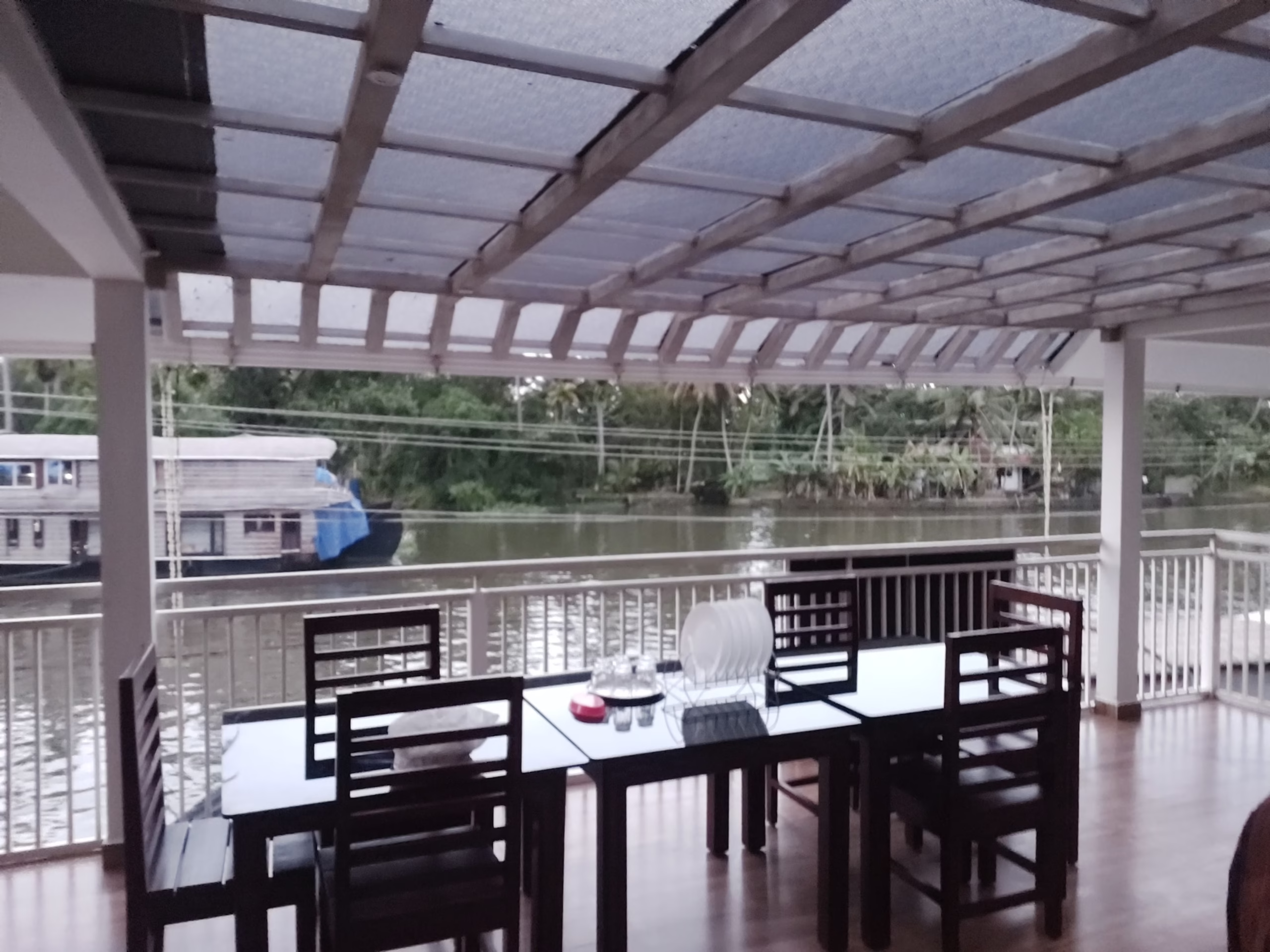
The isolation is gentle but absolute. Your soundtrack becomes kingfishers diving, palm fronds rustling, and the low diesel thrum of a passing *kettuvallam* houseboat. At night, you hear the fish jump. You can see every star. This separation is the entire point of staying here. The station is the last touchpoint with the connected world. After that, you’re untethered in the best possible way.
Some people feel a flicker of anxiety when they realize there’s no quick way back. It usually lasts about ten minutes. Then they take a deep breath, and their shoulders drop. They’ve arrived.
What Home-Style Food Can You Expect Here?
Food is central to the experience here. It’s not restaurant food. It’s the kind of meal you’d be served in a Kerala home, prepared with care in the kitchen at our homestay. The flavors are direct, fresh, and tied to the land and water around us.
Breakfast might be soft, lacy appam with a subtly sweet coconut milk-based vegetable stew, or puttu—steamed cylinders of rice flour and coconut—with kadala curry, a black chickpea dish that’s hearty and spiced just right. The coffee is strong, local, and served hot.
Lunch and dinner are often rice-based. You might have a whole Karimeen (pearl spot fish), marinated in a paste of spices, wrapped in a banana leaf, and pan-fried to perfection—that’s Pollichathu. The smell of mustard seeds and curry leaves crackling in coconut oil will let you know a meal is coming long before you see it. On special days, we serve a traditional Sadhya on a banana leaf: an array of vegetarian dishes, each with a distinct role, from the tartness of the pickle to the comfort of the parippu curry.
The ingredients don’t travel far. Coconut comes from our trees. Fish comes from the lake. Many vegetables are from the local market that morning. It’s simple, substantial food that makes you feel grounded. I’m probably biased, but a meal here, after a day on the water, tastes different.
Jackson’s Practical Tips for Visitors
A few things I tell everyone who asks. They make the trip smoother.
- Book your train to arrive at the nearest railway station Alleppey has (Alappuzha/ALLP) by late afternoon. The 6:30 PM public ferry is your best, cheapest friend. After that, options get expensive.
- Pack light, soft luggage. You’ll be handing your bag on and off boats. A big hard-shell roller suitcase is your enemy here.
- Bring a small flashlight or use your phone’s light. Our island paths are peaceful and safe, but they’re not brightly lit city streets. It helps to see your way back to your room after dinner.
- Don’t just stare at the big canals. The magic is in the narrow, winding smaller ones. Ask me to point you toward the path to the tiny Kavalam Sree Krishna Temple. Nobody visits, but the walk there through the coconut groves is pure, quiet Kerala.
- If you’re here on a Saturday morning, skip the sleep-in. The Alappuzha town market by the canal is a sensory explosion of colors, shouts, and smells—from heaps of turmeric root to silvery piles of fresh catch. It’s real life, not a show.
What Is the Best Time to Visit Alappuzha for the Nearest Railway Station Alleppey?
Every season has its own character. Your choice depends on what you want.
The monsoon (June to September) is my personal favorite, but it’s not for everyone. The rain is serious. It drums on our tin roofs for hours. The backwaters swell, turning our island even greener. The air smells incredible—petrichor and blooming flowers. But travel can be tricky. Trains run, but boat schedules get flexible. It’s lush, dramatic, and very wet. Pack a serious raincoat.
Winter (November to February) is what most people picture. The weather is glorious—sunny, with a cool, dry breeze. The water is calm, perfect for canoeing. This is peak season. The nearest railway station Alleppey trains are full, and the main canals can get busy with houseboats. It’s beautiful, but it’s the most social, active time on the water.
Summer (March to May) is hot and still. The sun is strong. The advantage? It’s quiet. You’ll feel like you have the backwaters to yourself. The light is harsh at midday, but the mornings and evenings are long and golden. It’s a time for slow movement, for reading in a hammock in the shade. Just drink a lot of water.
Look, here’s the thing: there’s no single best time. There’s only the time that’s best for you. Do you want dramatic solitude or perfect weather?
Frequently Asked Questions About the Nearest Railway Station Alleppey
How far is Evaan’s Casa from the Alleppey railway station?
In distance, not far—about 4 kilometers. But geography makes it more interesting. It’s a 15-minute auto-rickshaw ride from the station to the Alappuzha Boat Jetty, followed by a 6-minute boat ride to our island. The whole transfer usually takes under an hour from train to homestay.
Is the area around the station and jetty safe for tourists arriving late?
Yes, it’s generally safe. The station and main jetty area are busy and well-lit. However, I strongly advise against planning a late arrival. If your train is delayed past 7 PM, you’ll face the hassle and high cost of a private night boat. For peace of mind and your wallet, aim for a daytime arrival.
What should I pack for a stay on an island?
Think practical and comfortable. Light, quick-dry clothing, a hat, sunscreen, and mosquito repellent are essentials. Sturdy sandals are better than shoes. A power bank is useful. Most importantly, bring a sense of adaptability. Things move on island time here, which is slower and more fluid than station time.
Is WiFi available at the homestay?
We have WiFi, but I have to be honest—it’s island WiFi. It works well for messaging and emails, but don’t expect to stream high-definition movies. Some guests disagree with me on this, and that’s fair, but I see weak signal as a feature. It encourages you to look up, to disconnect from that world and connect with this one. The sound of rain on a tin roof is better entertainment anyway.
I hope this gives you a real sense of what it’s like to make the trip here. It starts with a search for the nearest railway station Alleppey uses, but it ends with you sitting on our veranda, watching the evening herons fly home. The journey from the station’s bustling platform to this quiet spot is part of the experience, a gentle transition from movement to stillness. If this sounds like what you need, we’d love to help you make it happen. You can find more about Evaan’s Casa and how we welcome guests on our site. Send us your train details. We’ll be waiting at the jetty.