- By :
- Comments: 0
snake boat race stay
snake boat race stay
Last Updated: March 24, 2026
Quick Answer: snake boat race stay
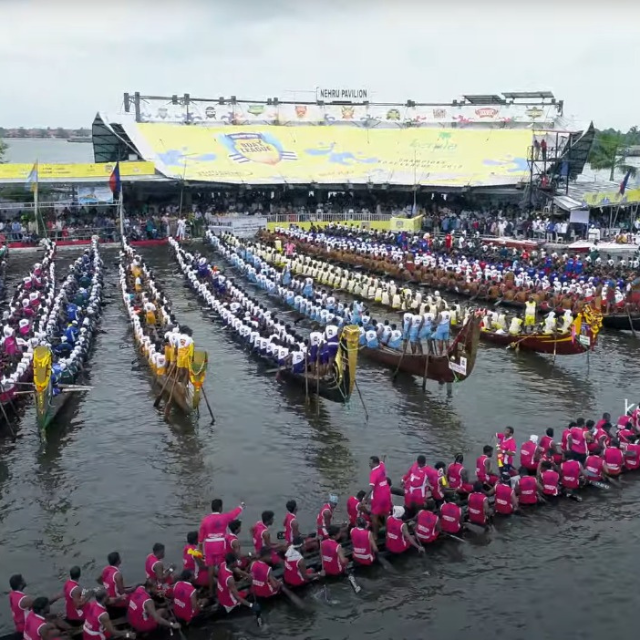
- A snake boat race stay is a homestay experience in Alappuzha timed around the thrilling Nehru Trophy Boat Race or other local Vallam Kali events, offering you a front-row seat to the culture and chaos.
- Local insider tip from Jackson: Skip the main Punnamada stand crowds. The real vibe is with the village teams at the smaller, passionate heats in the week before the big race. You’ll need a local boat to get there.
- Why Evaan’s Casa fits this search intent: We’re on a quiet island a short boat ride from the action. You get the calm backwaters at dawn and easy access to the races, plus home-style food and a real local perspective on the whole festival.
I woke up before the sun this morning, the way you do when the air is perfectly still. The only sound was the soft, persistent plink of water from a houseboat’s bilge pump somewhere down the canal. I walked out to our little dock, the coir matting damp underfoot, and watched the mist cling to the tops of the coconut palms. In a few weeks, this same water will shudder with the force of a hundred oars. The quiet will be shattered by chants and cheers and the raw diesel roar of race boats. But right then, it was just our island, holding its breath. That’s the magic of planning a snake boat race stay here. You get both worlds.
What Is a Snake Boat Race Stay?
Let’s break it down simply. A snake boat race stay is when you book your accommodation in Alappuzha specifically to experience the boat races, especially the big Nehru Trophy Race in August. But it’s more than just a bed for the night. It’s about being inside the event, not just watching it from a crowded public stand.
The races are called Vallam Kali. The long, sleek boats are Chundan Vallams, the “snake boats.” They can hold over a hundred rowers. The sound is immense. It starts as a deep, rhythmic drumbeat from the center of the boat, then the synchronized splash of oars hitting the water, and finally this collective shout from the crew that rolls across the lake like thunder. A proper snake boat race stay puts you close enough to feel that in your chest.
It also means you’re staying in a place that understands the rhythm of race week. Ferries get rerouted. The main town gets packed. Having a local host who can navigate that for you—telling you when to leave, which smaller village race is worth seeing, how to get a good view without the crush—that’s the core of the experience. You’re not a spectator. You’re a temporary part of the village energy. That’s what people are looking for when they search for a snake boat race stay.
Why Does the Island Location Matter?
Evaan’s Casa is on a small island in the backwaters. There’s no bridge. No road. Your auto-rickshaw will drop you at a specific point on the mainland bund, and our boatman, Saji, will bring you across. The ride takes six minutes, maybe seven if the current is strong.
That short trip changes everything. The moment the puttering country boat turns into the narrow canal, the honking and dust of the town fade away. You hear kingfishers. You see water hens skittering across lily pads. The air smells green. This isolation isn’t about being remote; it’s about having a defined threshold. You cross a literal boundary to get here.
When you’re planning a snake boat race stay, this contrast is everything. The race days are intense, loud, and wonderfully overwhelming. Coming back to the island afterwards is like stepping into a cool, quiet room. You can process the day. You can sit on the verandah and listen to the evening prayers from the temple mixed with the distant putter of returning ferries. The island isn’t an escape from the event. It’s the perfect counterpoint to it. It lets you enjoy the frenzy without being consumed by it. For a truly balanced snake boat race stay, you need that breathing room.
Look, here’s the thing: most hotels for the races are on the main land, stuck in the traffic and noise. You’ll spend more time in a taxi than by the water. Our location flips that. Your commute to the race is a peaceful boat ride through canals where women are washing clothes and kids are swimming. You arrive at the event from the water, just like the racing teams do. It just feels more connected.
What Home-Style Food Can You Expect Here?
Food is part of the rhythm of the day here. It’s tied to the light, the weather, and of course, your plans. If you’re heading out early for a race heat, breakfast will be swift and fortifying. Maybe soft, lacy appam with a subtly sweet coconut milk stew, or puttu—steamed cylinders of rice flour and coconut—with a rich, spicy kadala curry made from black chickpeas.
Lunch is often the main meal. You might have a traditional Kerala sadhya served on a fresh banana leaf. It’s not just a meal; it’s a sequence. Starting with a pinch of salt, then tangy mango pickle, followed by sour and creamy avial, crunchy thoran made with green beans, and then the main event: rice with sambar, rasam, and perhaps a dry fish curry. You eat with your right hand, mixing the flavors. The banana leaf itself releases a faint, grassy scent that mixes with the aromas of the food. It’s a full sensory experience.
Dinner is lighter, especially after a long day in the sun. A classic is Karimeen Pollichathu—pearl spot fish marinated in a paste of spices, wrapped in a banana leaf, and pan-roasted. The leaf blackens and seals in the steam. When you open it, the smell is incredible: ginger, garlic, curry leaves, and the sweet flesh of the fish. Everything is cooked in the kitchen at our homestay using methods and recipes that have been standard here for generations. The coconut oil will be from the local press. The curry leaves will be picked from the garden. It’s traditional home cooking, the kind that fuels the village rowers themselves.
Honestly, I’d say the simple coconut chutney is a highlight. It’s freshly grated coconut ground with green chilies, ginger, and a tempering of mustard seeds that crackle in hot oil. You’ll want to eat it with everything. It tastes like the place feels—fresh, vibrant, and straightforward.
Jackson’s Practical Tips for Visitors
If you’re booking a snake boat race stay, a little local knowledge goes a long way. Here are a few things I tell every guest.
- Book your boat transfer early. For race weekend, we coordinate all guest arrivals and departures. Tell us your train or flight time as soon as you have it. The public jetties are chaos that day.
- Pack for two climates. Midday on the Punnamada Lake is blazing sun. You need a hat, sunglasses, and serious sunscreen. But the boat ride to and from the island, especially in the early morning or evening, can be cool and breezy. A light layer is smart.
- Carry cash in small notes. For chai stalls, for buying a packet of banana chips from a vendor by the water, for tipping a boatman. Digital payments can fail in the crowd, and nobody has change for a big note.
- Most people skip this, but visit the snake boat sheds. The day before the race, find a shed (palliyodam) where a team is preparing their boat. The smell of wood smoke and coconut oil as they heat and treat the hull, the quiet concentration—it’s more intimate than the race itself. Ask us, we can point you to one.
- Footwear is key. Wear shoes you can easily slip on and off. You’ll be removing them before entering homes, homestays, and sometimes even certain viewing areas. Sandals or flip-flops you can manage with one hand are perfect.
What Is the Best Time to Visit Alappuzha for a Snake Boat Race Stay?
This depends entirely on what you want. The climate dictates everything here.
The classic race season is the monsoon period, roughly June to September. The backwaters are full, the landscape is an impossible green, and the major races like the Nehru Trophy (second Saturday of August) happen. This is the peak for a snake boat race stay. The energy is electric. The downside? It will rain, often in heavy, sudden bursts. The humidity is high. Travel plans can get soggy. But if you want the authentic, full-throttle festival experience, this is it. The sound of rain on a tin roof while you wait for a squall to pass is part of the memory.
Winter, from November to February, is what most tourists aim for. The weather is glorious—sunny, dry, and cool in the evenings. It’s perfect for general backwater exploration. However, there are no major snake boat races. You might catch a small, local church festival race, but not the huge spectacles. A winter visit is for the serene backwaters, not the racing frenzy.
Summer, March to May, is hot. Really hot. The water levels are lower. It’s quiet. I’m probably biased, but this is when you see the real daily life of the island, uninterrupted. People wake at dawn to work, rest in the shade in the afternoon. The light is harsh and beautiful. There are no races, so it’s not the time for a snake boat race stay. But if you want solitude and to see the rhythm of the place without any filter, it has a stark appeal. Some guests disagree with me on this, and that’s fair—the heat isn’t for everyone.
Frequently Asked Questions About a Snake Boat Race Stay
How far is the homestay from the main Nehru Trophy race site?
By our private country boat, it’s about a 25-minute ride through internal canals to a landing point near Punnamada Lake. From there, it’s a short walk to the viewing areas. We handle all the logistics on race day, so you just need to be ready on time. The commute is part of the adventure.
Is it safe to travel on the water during the crowded race period?
Yes, but with caveats. The main lake on race day is packed with all kinds of vessels. That’s why we use experienced local boatmen who know the approved routes and channels. We don’t take shortcuts through crowded areas. Safety is paramount. For your snake boat race stay, trust your host’s advice on boat timings and routes.
What should I pack specifically for the races?
Beyond the general packing list, think like a local facing a long day in the sun. A small, portable stool or sit-mat is a game-changer, as seating is often on concrete steps or grass. A reusable water bottle you can refill. A bandana or small towel you can wet to cool your neck. And a power bank for your phone—you’ll be taking videos and photos all day.
Is WiFi available on the island?
We have WiFi at the homestay. It’s reliable for messaging and emails. I’ll be straight with you: streaming high-definition video can be patchy, especially during a monsoon downpour. The connection reflects our location—it’s good, but it reminds you you’re on an island. For a true snake boat race stay, that’s not a bug, it’s a feature. It encourages you to look up and be present.
Planning your trip around the races is one of the best ways to feel the pulse of this place. It’s not a quiet retreat. It’s a cultural immersion, a burst of sound and color and collective passion that you’ll feel in your bones long after you leave. You get the thunder of the races and the profound quiet of the island mornings. You get the spicy tang of a fish curry and the clean taste of tender coconut water drunk straight from the nut. That’s the full spectrum. If you’re looking for that deep, resonant experience, I think you’ll find it here. We’ve welcomed many guests for their snake boat race stay, and the stories they carry away are always filled with that vivid contrast. If you want to know more about how we do things at Evaan’s Casa, just ask. I’m always here, usually with a cup of chai, watching the water change with the light.
Plan your stay at Evaan’s Casa
- Lake view homestay in Alleppey (Alappuzha)
- Where to stay in Alleppey: the complete guide
- Alleppey room booking: rooms and prices from ₹1,900
- Budget homestay in Alleppey under ₹2,000
- Backwater homestay on Vembanad Lake
- Punnamada homestay, Alappuzha
- Family homestay in Alleppey
- Honeymoon package and couple stay
Book direct on WhatsApp +91 88484 96667