- By :
- Comments: 0
shikara ride accommodation
Last Updated: March 20, 2026
Quick Answer: shikara ride accommodation
- It’s a place to stay where a traditional, roofed Kerala shikara boat is your main transport to and from the property, often on a private island.
- Local insider tip from Jackson: The best shikara ride accommodation isn’t just about the boat ride itself, but about the quiet island life you step into when it ends.
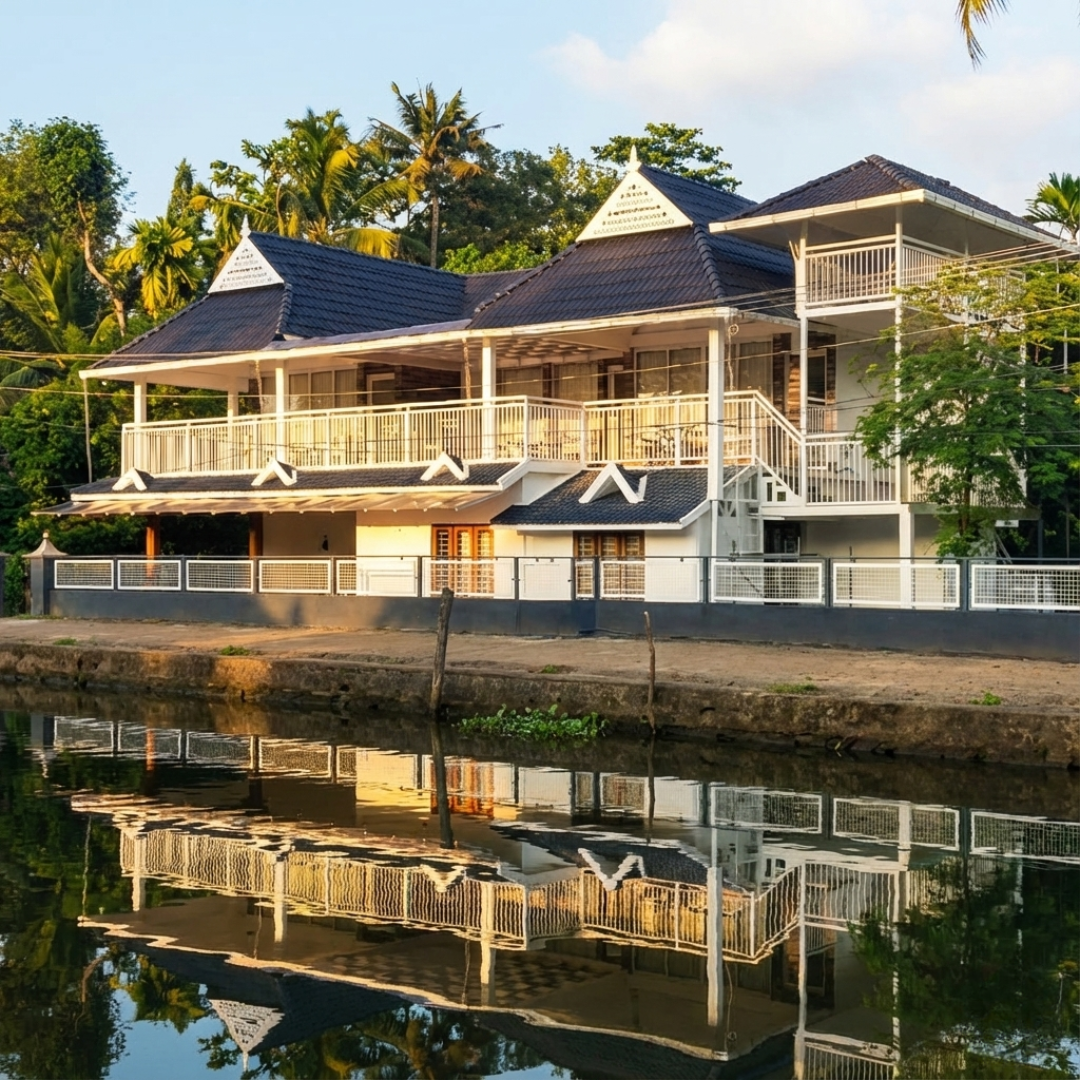
- Why Evaan’s Casa fits this search intent: We’re on a small, car-free island in Alappuzha, accessible only by a 6-minute shikara ride we arrange for you, blending the boat journey with genuine home-style living.
I woke up before the sun this morning, the way I often do. The air was cool and carried that faint, clean scent of water hyacinth and wet earth. From my window, I could hear the first soft splashes of an oar—one of the local fishermen heading out in his dugout canoe, long before the tour boats even think of starting their engines. That specific, quiet sound is my alarm clock. It’s the real sound of this place, and it’s what I want guests to hear when they stay with us. It’s a world away from the main ferry routes and the crowded houseboat channels.
Most people arrive in Alappuzha with a picture in their mind: waterways, coconut palms, a boat of some kind. They’re right, of course. But the experience of floating down a canal is one thing. The experience of living, even for a few nights, in a place where that boat is your front door is something else entirely. That’s the heart of what we do here. It’s not just a ride; it’s your commute home.
What Is Shikara Ride Accommodation?
Let’s clear this up first. A shikara is a smaller, gentler cousin of the big Kerala houseboats. It’s a wooden boat, usually with a curved roof made from bamboo and coir, giving it a lovely, traditional look. It seats a handful of people comfortably on cushioned benches. They’re peaceful, human-powered (or with a quiet outboard motor), and perfect for navigating the narrower, quieter canals.
So, shikara ride accommodation simply means your place to stay is connected to the mainland—or rather, disconnected from it—by these boats. Your check-in process starts at a small jetty. You load your bags onto the shikara, you sit back, and you glide away from the road noise. In about six minutes, you’re with us. The boat ride isn’t an optional tour add-on; it’s the essential first and last chapter of your stay. It frames the whole experience.
This setup is different from a houseboat stay, where you sleep on the boat itself. Here, the shikara is your taxi. Your bedroom, your verandah, your meals are all in a homestay on solid ground, on a tiny island. You get the serenity of the boat journey combined with the space and comfort of a proper home. Honestly, I’d say it’s the best of both worlds. You can have a full shikara ride accommodation experience without ever feeling cramped on the water overnight.
Why Does the Island Location Matter?
It changes everything. There’s no road here. No cars, no scooters honking. The only vehicles are boats. When your shikara pulls away from the mainland jetty, the background hum of life just… stops. You’ll notice it. The soundscape becomes water, wind, bird calls, and the distant putter of a fishing boat’s engine. That isolation isn’t loneliness. It’s a profound sense of calm that settles over you by the second day. You stop checking your watch.
The six-minute ride is a decompression chamber. It physically marks the transition from the busy world to ours. I’ve seen guests visibly relax their shoulders halfway across. When you arrive, you step onto our little jetty and the pace is immediately different. You walk on sandy paths between coconut trees. Kids play football in a clearing. The evening air sometimes carries the smell of woodsmoke from a hearth being lit.
This island setting is the core context for a true shikara ride accommodation. You’re not just taking a boat to a hotel for the novelty. You’re taking a boat to a different rhythm of life. The shikara is your link, but the island is your sanctuary. Some people find the lack of road access a tiny bit inconvenient if they forget to buy sunscreen. I get that. But most agree that the trade-off for the deep quiet is more than worth it.
What Home-Style Food Can You Expect Here?
The food is, without exaggeration, a central part of the day here. It’s traditional home cooking, prepared in the kitchen at our homestay using what’s fresh and local. We don’t have a restaurant menu. Meals are served communally, often on the verandah where you can feel the breeze. The first thing you’ll probably notice is the aroma of toasted coconut and curry leaves wafting from the kitchen.
Breakfast might be soft, lacy appam with a subtly sweet coconut milk-based stew, or puttu—steamed cylinders of rice flour and coconut—with kadala curry, a spiced black chickpea dish. Lunch and dinner are often rice-based. You might have a perfectly fried piece of Karimeen (Pearl Spot fish) Pollichathu, marinated in a blend of spices, wrapped in a banana leaf, and pan-roasted until the leaf blackens and infuses the fish with a smoky, tangy flavor.
On request, we can serve a proper Kerala Sadhya. This is a feast served on a banana leaf, with maybe a dozen different small dishes—from sour mango pickle to creamy avial (mixed vegetables in a coconut gravy) to crunchy pappadam. Every flavor has a role: spicy, sour, sweet, salty, bitter. You eat with your right hand, mixing a little rice with each curry. It’s a full sensory experience. The food is hearty, flavorful, and meant to be shared. It’s the kind of meal that makes you want to take a slow walk afterward, just to let it all settle happily.
Jackson’s Practical Tips for Visitors
A few things I tell everyone who books. These come from seeing what makes a stay smooth and what makes it magical.
- Pack Light, Pack Smart: You’re taking a small boat from the jetty. A large, wheeled hard-shell suitcase is a nightmare to balance. A soft duffel or backpack is your best friend. Trust me on this.
- The Mosquito Truth: We have nets and repellents. But this is a tropical island. The mosquitoes are worst at dawn and dusk. If you’re sensitive, bring long, light cotton clothes for the evenings. The local ones seem to prefer my ankles, every single time.
- Don’t Just Sit on the Verandah: I’m probably biased, but explore the island. Walk the perimeter path. Say hello to Mr. Gopan, who sells fresh peanuts and sweet bananas from a stall near the old temple. Most visitors never go there, and his bananas are the small, sweet ones you won’t find in a city.
- Ask for the “Local Time” for Boat Trips: If you book a longer shikara tour, ask to go out around 4 PM. The light is golden, the heat of the day is fading, and you’ll see the backwaters come alive with people bathing, women washing clothes, and ducks being herded home. It’s a slice of life, not just a photo op.
- Cash is King for Small Things: We can handle your room bill electronically. But for that coconut water from a roadside vendor, or for buying a small souvenir from a village we pass, have some Indian rupees in small denominations.
What Is the Best Time to Visit Alappuzha for Shikara Ride Accommodation?
Every season paints the backwaters a different color. Each has its own strong personality.
Monsoon (June to September): The landscape is an intense, saturated green. The rains come in powerful, warm showers, drumming on our tin roofs. The water levels rise, and your shikara glides over roads and footpaths. It’s dramatic and incredibly lush. The downside? Some days you might get continuous rain. Your shikara ride accommodation experience will be wetter, but also private and profoundly atmospheric. Bring a good rain jacket and embrace the mud.
Winter (November to February): This is the classic, postcard season. The air is cool and dry, the skies are a clear blue, and the sun is gentle. It’s perfect for all-day exploration. This is also the peak tourist season, so the main canals can get busy with houseboats. Our island remains quiet, but you’ll see more traffic on the water. Mornings can be misty, with a cool breeze that makes the shikara ride feel fresh and invigorating.
Summer (March to May): It gets hot. The sun is strong. The advantage? This is when the water villages hold many of their annual snake boat (Vallam) race rehearsals. If you’re lucky, you might hear the synchronized chanting and drumming of 100 rowers practicing in a distant canal—a thrilling, primal sound. The best strategy is to be active early, relax in the shade during the midday heat, and enjoy long, balmy evenings. A shikara ride accommodation stay during this time requires a hat and a relaxed attitude toward the afternoon heat.
Frequently Asked Questions About Shikara Ride Accommodation
How far is the shikara ride to Evaan’s Casa?
It’s a short and sweet six-minute glide from our pickup jetty in Punnamada to the island. It’s not a long transport journey; it’s a pleasant little trip that sets the tone. We coordinate the timing with you when you book.
Is it safe for young children?
Yes, absolutely. The shikaras are stable, and we provide life jackets for all ages. The island itself is safe for kids to run around. Look, here’s the thing: just keep an eye on them near the water’s edge, as you would anywhere. The lack of cars is a huge plus for parental peace of mind.
What should I definitely pack?
Besides packing light? Sunscreen, a sun hat, mosquito repellent, and comfortable shoes you don’t mind getting a little dusty. A power bank for your phone is handy, and a light shawl for the cooler evening breezes on the water. Oh, and an open mind for the home-style food.
Is WiFi available on the island?
We have WiFi at the homestay, but I’ll be honest—it’s island WiFi. It works for messaging and emails, but don’t expect to stream high-definition movies. Some guests disagree with me on this, and that’s fair, but I see the weak signal as a feature. It encourages you to look up, to read a book, or to just watch the water.
Choosing a shikara ride accommodation is about choosing a certain pace. It’s about the gentle rock of the boat, the taste of coconut in everything, the sound of rain on broad leaves, and the deep, dark quiet of an island night. It’s not a luxury resort experience. It’s a simple, human one. We’ve built Evaan’s Casa to be a quiet corner of the backwaters where you can feel that rhythm for yourself.
If you have more questions, just ask. I’m usually around, maybe fixing a loose plank on the jetty or watching the kingfishers dive. Hope to welcome you across the water soon.