- By :
- Comments: 0
local cuisine homestay
Last Updated: March 19, 2026
Quick Answer: local cuisine homestay
- A local cuisine homestay is a place to stay where the food is the main event, prepared with local ingredients in a home kitchen, giving you a true taste of the region’s daily life.
- Jackson’s tip: The best fish for Karimeen Pollichathu is bought before 7 AM from the small auction at the Punnamada boat jetty—it’s gone by 7:30.
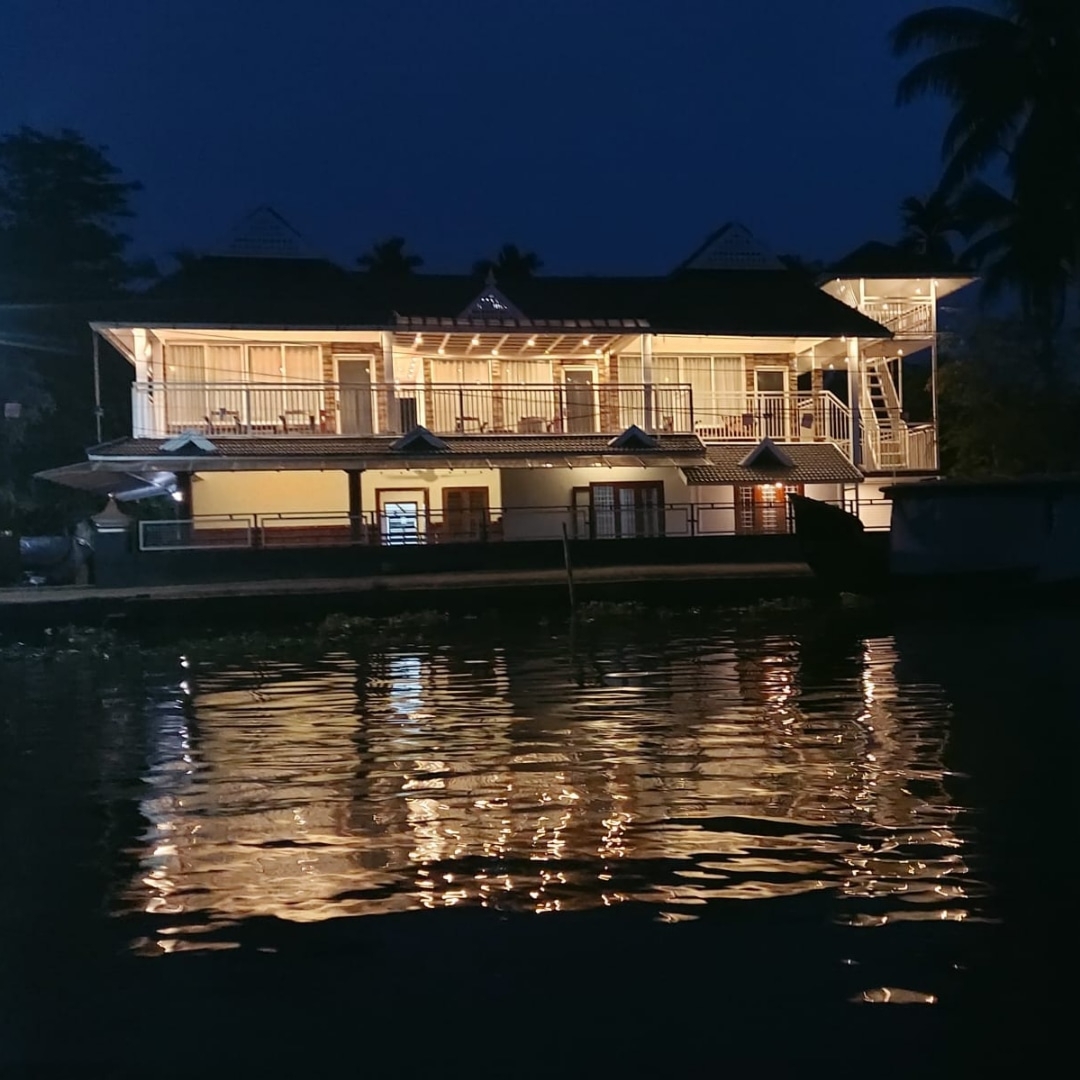
- At Evaan’s Casa, you’re on an island only reachable by a six-minute boat ride, and every meal is a window into Kerala’s home-style food culture, made from what’s fresh that day.
I woke up before the sun this morning, which happens often here. The first sound is always the water, a soft lapping against the laterite stone steps of our little jetty. Then comes the distant, rhythmic putter of a fisherman’s canoe heading out, the diesel smell of its tiny engine mixing with the cool, damp air. I stood there with my tea, watching the mist cling to the tops of the coconut palms, and I thought about the boats that would soon bring fresh toddy, vegetables, and the day’s catch to our island kitchens. This quiet, practical rhythm is the heartbeat of everything we eat here. It’s the unspoken start to every meal.
What Is a Local Cuisine Homestay?
Let’s get straight to it. A local cuisine homestay is not just a bed and a breakfast. It’s not a hotel with a fancy restaurant menu. It’s the opposite of that, honestly. It’s a place where the kitchen is the heart, and the calendar is the local market. The food isn’t a service; it’s a part of the stay, as essential as the roof over your head.
You eat what the land and water provide that week. You taste the subtle shift in a coconut chutney when the monsoon rains have just begun. The experience of a true local cuisine homestay is about that direct line from the paddy field, the backwater, or the vendor’s bicycle basket to your plate. It’s immersive and quiet. You’re not ordering from a list. You’re being shown what’s good, right now.
For us at Evaan’s Casa, it means your day might start with the scent of roasting rice flour for puttu wafting through the garden. It means the banana leaf on your lunch plate might have been cut from a tree you walked past an hour ago. The goal is simple: to offer a stay where the food tells the story of this specific island. That connection is what people are really looking for when they search for a genuine local cuisine homestay.
Why Does the Island Location Matter?
Alappuzha town is busy. It’s got rickshaws and shops and a great market. But our place isn’t there. You get a six-minute country boat from the main jetty, and the world changes. The engine cuts, you glide past water hyacinths, and you step onto a path of packed earth. There are no cars. No delivery bikes honking. Just walking, cycling, or going by boat.
This isolation isn’t about being cut off. It’s about being connected to a different pace. It forces a slowness that is the best ingredient for any meal. Vegetables don’t arrive in a refrigerated truck. They come on a wooden boat, maybe with a few extra dragonflies as passengers. The fish is often still flipping in the basket. This immediacy defines the food.
When you’re on an island, you become aware of the logistics. You notice the 4 PM boat that brings the baker with his fresh bread. You hear the call of the vegetable seller from his canoe before you see him. This rhythm makes you appreciate the meal in front of you. You understand the effort. That context, that slight remove from the mainland bustle, is what makes our version of a local cuisine homestay work. The island isn’t just a pretty backdrop. It’s the reason the food tastes so direct and true.
What Home-Style Food Can You Expect Here?
First, forget buffets and à la carte. Meals are served when they’re ready, usually all at once on a broad banana leaf or a steel thali. The base is almost always rice—steamed, red, or boiled with a bit of coconut oil. Around it, you’ll get a constellation of smaller dishes. The air will be fragrant with the smell of mustard seeds and curry leaves crackling in coconut oil.
For breakfast, you might have soft, lacy appam—bowl-shaped fermented rice pancakes—dipped into a mild, creamy stew of potatoes and carrots or sometimes chicken. Or there’s puttu, cylinders of steamed rice flour and coconut, crumbled into a bowl of spicy kadala curry made from black chickpeas. It’s hearty and wakes you up properly.
Lunch is the big affair. A typical Kerala sadhya is a feast, but even a daily meal feels like one. There will be a dry stir-fry, maybe beans or cabbage thoran tossed with grated coconut. A tangy rasam or a moru curry, which is buttermilk tempered with spices, to pour over your rice. Sambar, of course, with drumsticks and vegetables. The star could be a meen curry, a fiery fish preparation with kodampuli (Malabar tamarind), or the famous Karimeen Pollichathu.
Let me describe that. A whole pearl spot fish, marinated in a paste of spices, wrapped in a banana leaf, and pan-roasted until the leaf blackens. You unwrap it at the table. The steam rushes out, carrying scents of ginger, garlic, and the faint smokiness from the leaf. The flesh is firm, flaky, and has absorbed every bit of that marinade. It’s a masterpiece of home-style Kerala food.
Dinners are often lighter. Maybe some leftover rice turned into a quick kanji (rice porridge) with a pickle and a fried fish. Or soft, warm chapatis. Dessert isn’t guaranteed, but sometimes there’s a payasam—a sweet, milky pudding with vermicelli or lentils, scented with cardamom. The food is robust, flavorful, and designed to fill you. It’s the food of our days. Honestly, I’d say the real luxury is in its simplicity and freshness.
Jackson’s Practical Tips for Visitors
Coming to a place like this is different. A few pointers can make your stay smoother and way more enjoyable.
- Pack for the island. A good torch or headlamp is non-negotiable. The paths are dark at night. Also, sturdy sandals you don’t mind getting muddy and a raincoat, regardless of the season. Umbrellas are useless in our sideways monsoon rain.
- Time your boat right. The last public country boat back to the mainland from our island is usually at 7:15 PM. Miss it, and you’ll need to arrange a private boat, which costs more. Plan your evenings around this, or just embrace staying in.
- Eat with your hands. I’m probably biased, but food tastes different this way. There’s a technique: use your fingertips to mix the rice and curry, form a small ball, and push it into your mouth with your thumb. It’s respectful, practical, and connects you to the meal. Don’t worry about being perfect.
- Visit the local toddy shop. Not the one in town. Look for a simple, thatched-roof place along a canal. Around 4 PM, order a “kallu” (fresh toddy) and some spicy beef fry or duck roast. It’s a social hub, not a bar, and you’ll see a slice of life most tourists never do. Just go with a guide or a local you trust.
- Ask about the fish. If you see a type of fish on your plate, ask its name. Was it from the backwaters (like Karimeen) or the sea? It starts a conversation. You’ll learn that a ‘Chemballi’ (red snapper) tastes different in September than in March. This curiosity is the whole point of a local cuisine homestay.
What Is the Best Time to Visit Alappuzha for a Local Cuisine Homestay?
Every season has its flavor. Literally. Your experience of the food will change completely depending on when you come.
Monsoon (June to September): This is the green, roaring heart of Kerala. The rain is serious. It drums on our tin roofs for hours. The air smells of wet earth and blooming jackfruit. For food, this is a special time. This is when we get the best prawns. The “Kappa” (tapioca) is at its peak, often boiled and mashed with spicy fish curry. Wild greens and mushrooms appear. The downside? Boat rides can be wet, and some days you might just want to read a book indoors. But if you love dramatic weather and unique, earthy ingredients, it’s powerful.
Winter (November to February): Most people say this is the best time. The weather is cooler, the skies are clear, and the humidity drops. It’s perfect for houseboat trips and cycling around the island. Food-wise, it’s the season of plenty. All the vegetables are in abundance. The pineapples are incredibly sweet. It’s also the main harvest season for rice, so there’s a fresh, nutty quality to the grain. It’s the most comfortable time for a local cuisine homestay, with fewer weather interruptions.
Summer (March to May): It gets hot. The sun is strong, and the air can feel heavy by afternoon. But look, here’s the thing: this is mango season. Do not underestimate this. We get dozens of varieties, from the small, sour ones used in pickles and fish curries to the kingly Alphonso, eaten just as is. The heat also means cooling foods come to the fore—more buttermilk-based drinks, lighter kanji porridges. It’s a quieter, slower time on the island. Some guests disagree with me on this, and that’s fair, but for a true food lover chasing a specific ingredient, summer has its magic.
Frequently Asked Questions About a Local Cuisine Homestay
How far in advance should I book?
We’re small. I’d say at least a month, especially if you’re aiming for winter (December-January). For a monsoon visit, you might get lucky with two weeks’ notice. But to secure your spot and ensure we can plan the market trips for your meals, earlier is always better.
Is the island safe at night?
Yes, very. Crime is virtually unheard of here. The main thing is practical safety: the paths are unlit and can be uneven. That’s why the torch is so important. You’ll hear night sounds—frogs, owls, the water—but people are friendly and will help if you get turned around.
What should I pack specifically for the food experience?
Comfortable, loose-fitting clothes. You will eat more than you’re used to. Maybe bring a mild digestive aid if you’re not accustomed to spicy food, though we can adjust the heat. An open mind is the most important item. And a notebook if you want to remember the names of dishes.
Is WiFi available?
We have a connection in the main sitting area. It’s decent for messages and emails. It is not high-speed streaming quality, and it can dip during heavy rain. Part of the experience of a local cuisine homestay is disconnecting a bit. Read a book, watch the kingfishers, talk to other guests. The internet will be there when you need it.
The light is fading as I finish writing this. I can hear the soft clang of pots being cleaned in the kitchen, a sign that the evening’s prep is done. The frogs are starting their chorus in the waterlogged paddy field next door. This is the quiet aftermath of a day built around meals. It’s a good feeling. If you come, you’ll share in that rhythm. You’ll taste the difference a six-minute boat ride makes. You’ll understand why a simple meal of rice, a fried fish, and a tangy pickle can feel like the most important thing in the world at that moment. That’s what we try to offer here. We hope to share it with you at Evaan’s Casa. Just remember to bring a torch.