- By :
- Comments: 0
Kerala sadya homestay
Last Updated: March 18, 2026
Quick Answer: Kerala sadya homestay
- A Kerala sadya homestay is a stay where you experience the traditional vegetarian feast, or sadya, served on a banana leaf in a local home setting, not a hotel.
- Local insider tip from Jackson: The real magic is in the pacing. A proper sadya isn’t rushed. It’s a slow, deliberate sequence of tastes, often followed by a quiet hour to just let it settle.
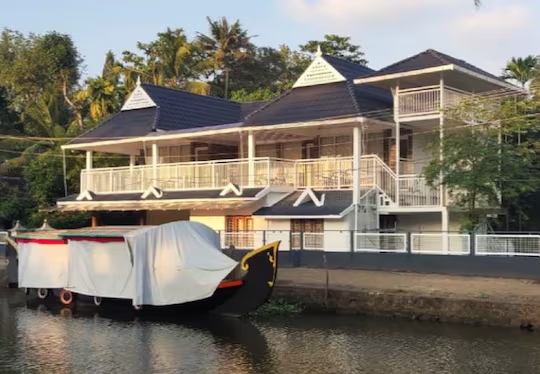
- Why Evaan’s Casa fits this search intent: We are a working-family island home. The kitchen here prepares home-style Kerala food daily, and a full sadya is a centerpiece of the stay, served on our verandah overlooking the water.
The first sound I hear most mornings isn’t an alarm. It’s the low, wet slap of a wooden oar against the backwater, followed by the soft clink of glass milk bottles. The fisherman from the next island over makes his delivery before the sun fully burns off the mist. I sit on the verandah with my tea, watching the water hyacinths drift like slow green barges. This quiet, specific rhythm is what I want guests to feel when they search for a genuine Kerala sadya homestay. It’s not just about the meal, spectacular as it is. It’s about the pace of life that creates the appetite for it.
What Is a Kerala Sadya Homestay?
Let’s break that search term down. “Sadya” is the feast. It’s a symphony of flavors on a banana leaf, a strictly vegetarian meal that can have anywhere from 15 to 30 different dishes. It’s celebration food. A “homestay” means you’re in a home, not a resort. You live where we live. Put them together, and a Kerala sadya homestay is an invitation to experience that celebratory feast as part of daily life here. It’s the opposite of a restaurant booking. The meal is woven into your day. You might hear the sizzle of mustard seeds from the kitchen in the late morning, smell the coconut being grated fresh. The anticipation builds. Honestly, I’d say the waiting is part of the flavor. You’re not a customer being served. You’re a guest being welcomed into a tradition. That’s the core of what we offer at our place—a living, breathing Kerala sadya homestay experience that starts the moment you step off the boat.
Why Does the Island Location Matter?
Access is by a six-minute country boat from the mainland jetty. There’s no bridge. No road. No cars. That changes everything immediately. The moment the boatman pushes off, the noise of the town—the auto-rickshaws, the market chatter—just melts away. You’re on water time. What does that isolation feel like? It feels like space. The sky opens up. The air is clearer, carrying the scent of wet earth and flowering jackfruit. Your phone might lose its signal around the third bend in the canal. Most people panic for about two minutes, then they breathe deeper. The rhythm here is set by sun and rain and the diesel putter of the Vallam boats ferrying kids to school. This isolation is the secret ingredient. It strips away the distractions so you can actually taste your food, hear the kingfisher dive, notice the way the light turns gold on the water at 4 PM. You can’t find this feeling at a homestay on the main road. This seclusion is what makes our version of a Kerala sadya homestay so distinct. The feast feels earned, and it tastes of the place itself.
What Home-Style Food Can You Expect Here?
The kitchen at our homestay prepares food the way it’s been done here for generations. It’s not fancy or plated for photos. It’s robust, seasonal, and deeply flavorful. Breakfast might be soft, lacy appam with a subtly sweet coconut milk stew, or puttu—steamed cylinders of rice flour and coconut—with kadala curry, a black chickpea dish that’s all warmth and spice. Lunch is often rice with a fish curry, maybe Karimeen Pollichathu, where pearl spot fish is marinated in a masala, wrapped in a banana leaf, and pan-fried. The leaf infuses the fish with a smoky, earthy fragrance. But the star is the sadya. On a banana leaf laid directly on the verandah floor, you’ll get a mound of red rice. Then come the accompaniments: tart mango pickle, crisp pappadam, creamy olan made with pumpkin and beans, sour and spicy pulissery, four or five different thorans made from finely chopped vegetables stir-fried with coconut. The sambar and rasam are poured hot. You eat with your right hand, mixing a bit of rice with each curry. The final act is a generous scoop of payasam, a sweet, cardamom-scented pudding. It’s a meal that engages all your senses. The sound of the leaf rustling, the visual riot of colors, the cool feel of the rice, the layered tastes. This is the heart of a true Kerala sadya homestay.
Jackson’s Practical Tips for Visitors
Coming to an island homestay is a bit different. Here are a few things I tell everyone.
- Pack light, with a soft bag. You’ll be getting on and off a small wooden boat. A big hard-shell suitcase is a nightmare on the jetty steps.
- Bring a small flashlight or use your phone’s light. The island paths aren’t lit at night. It’s perfectly safe, but you’ll want to see the puddles after rain.
- Most people skip this, but try to be here for a local temple festival if your dates align. Not the big tourist ones. The small, neighborhood ones. The air fills with the sound of chenda melam drums at night, and the energy is incredible. Ask me when you book.
- For the sadya, come hungry. But also, come curious. It’s okay to ask what each dish is. And use your hand. The food tastes different, I’m probably biased, but it’s true. The tactile connection changes the experience.
- If you want beer or wine, buy it on the mainland before you come across. There’s no shop on the island. It’s one of those quiet rules.
What Is the Best Time to Visit Alappuzha for a Kerala Sadya Homestay?
Every season has its own character. I’ll be honest about them. The monsoon (June to September) is my favorite. The rain is intense. It drums on our tin roofs and turns the backwaters a silvery grey. The landscape is a shocking, saturated green. The downside? Boat trips can get cancelled if the weather is rough, and you’ll need good rain gear. But the sadya feels especially comforting in this weather. Winter (November to February) is what most people choose. The skies are clear, the sun is gentle, and the nights are cool. It’s perfect for cruising the canals. It’s also the busiest time. Summer (March to May) is hot and humid. Really humid. But the water is calm, the mangoes are in season, and you’ll have the place mostly to yourself. The kitchen uses a lot of cooling ingredients like coconut and yogurt in the meals then. Honestly, there’s no single best time. It depends on whether you want the drama of the rains or the calm of the sun. A Kerala sadya homestay like Evaan’s Casa operates year-round, and each season brings a different flavor to the table, literally.
Frequently Asked Questions About Kerala Sadya Homestay
How do I get to your island homestay?
You’ll take a train or taxi to Alappuzha town. From the main boat jetty, you call me. I send a small country boat across to pick you up. The ride is six minutes. I’ll meet you at our private jetty with an umbrella if it’s raining. It’s simpler than it sounds.
Is it safe, especially for solo travelers or families?
Yes, absolutely. Our island is a close-knit community. Kids play freely. People leave doors unlocked. The biggest hazard is maybe a rooster crowing too early. For solo travelers, it’s a peaceful, secure environment. Some guests disagree with me on the rooster, and that’s fair.
What should I pack?
Light, cotton clothing is best. A sun hat, sunglasses, mosquito repellent (though we have nets), and any personal medication. Most importantly, pack a mindset ready to slow down. Leave the formal shoes behind.
Is WiFi available?
We have a WiFi connection, but I have to be straight with you—it’s island WiFi. It works in the common area, but it’s not strong enough for streaming movies or video calls. It’s good for sending messages and emails. Think of it as a gentle nudge to look up from your screen.
So that’s a look at life here. It’s about the slow build-up to a meal, the quiet after the rain, the way a shared pot of tea on the verandah can lead to a two-hour conversation. A Kerala sadya homestay is the frame for all of that. It’s more than a bed and a banana leaf. It’s an immersion into a rhythm that, for me, never gets old. If you’re looking for that—a real pause, with home-style food at its core—then you know where to find us. We’re the house on the island, where the boat stops and the day softens. I hope to welcome you across the water soon to experience it for yourself at Evaan’s Casa.